

Table of Contents
Why Am I Not Getting Pregnant? Understanding Causes, Myths, and Next Steps
If you find yourself asking, “Why am I not getting pregnant?“ after months of trying, please take a quiet, deep breath and know that you are not alone. It is completely natural to feel a mix of anxiety, confusion, or quiet disappointment each month when your period arrives. However, searching for answers is the first step toward clarity, empowerment, and gentle guidance.
The human reproductive system is intricate, relying on a delicate harmony of hormones, egg quality, tubal openness, uterine health, and male factor parameters. When one small element shifts out of rhythm, conception can take longer than expected. The encouraging reality is that the vast majority of factors causing delayed conception are fully treatable once properly identified. Understanding why am I not getting pregnant allows you to move away from guesswork and toward an evidence-based plan tailored to your body.

What Is Delayed Conception or Subfertility?
Delayed conception (subfertility) is defined as the inability to achieve pregnancy after 12 months of regular, unprotected intercourse for women under 35, or after 6 months for women aged 35 and older. It is a common, manageable medical concern rather than a permanent state, usually resolving once underlying hormonal or anatomical factors are addressed.
How Common Is Delayed Conception Among Indian Women?
Struggling to conceive is far more common in India than traditional social conversations might suggest:
- Prevalence Rates: According to clinical studies cited by the Indian Council of Medical Research (ICMR) and the World Health Organization (WHO), subfertility affects approximately 10% to 15% of couples across India.
- PCOS Impact: Polycystic Ovary Syndrome (PCOS)—a leading contributor to ovulatory delay—is estimated to affect up to 1 in 5 urban Indian women, with notably high rates observed in coastal South Indian cities like Visakhapatnam.
- Shared Responsibility: National fertility data emphasizes that delayed conception involves female-factor causes in ~40% of cases, male-factor causes in ~40% of cases, and combined or unexplained factors in the remaining 20%.
Normalizing this experience helps remove social stigma, empowering couples to approach fertility checks with confidence rather than embarrassment.
┌─────────────────────────────────────────────────────────────────────────────┐
│                   UNDERSTANDING FERTILITY FACTOR BREAKDOWN                  │
├───────────────────┬─────────────────────────────┬───────────────────────────┤
│ Factor Category   │ Common Clinical Causes      │ Key Diagnostic Focus      │
├───────────────────┼─────────────────────────────┼───────────────────────────┤
│ Ovulatory Factors │ PCOS, Thyroid shifts, High  │ Hormonal panel, Follicular│
│ (30-40%)          │ Prolactin, Premature Aging  │ monitoring ultrasound     │
├───────────────────┼─────────────────────────────┼───────────────────────────┤
│ Tubal & Uterine   │ Blocked fallopian tubes,    │ HSG scan, Pelvic 3D       │
│ Factors (20-30%)  │ Endometriosis, Fibroids     │ ultrasound imaging        │
├───────────────────┼─────────────────────────────┼───────────────────────────┤
│ Male Factors      │ Low sperm count, reduced    │ Routine Semen Analysis    │
│ (30-40%)          │ motility, abnormal shape    │ (WHO parameter check)     │
├───────────────────┼─────────────────────────────┼───────────────────────────┤
│ Unexplained       │ Subtle cellular or lifestyle│ Comprehensive metabolic   │
│ Factors (10-15%)  │ interactions                │ and stress optimization   │
└───────────────────┴─────────────────────────────┴───────────────────────────┘
Subtle Signs You May Notice When Trying to Conceive
While many women seeking answers to why am I not getting pregnant have perfectly normal daily health, certain subtle physical cues can signal an underlying hormonal or structural shift:
- Irregular or Skipped Cycles: Menstrual cycles shorter than 21 days or longer than 35 days often suggest infrequent or absent ovulation (anovulation).
- Extremely Painful Periods (Dysmenorrhea): Severe pelvic cramps, backache, or pain during intercourse that interferes with daily life may point toward underlying endometriosis or pelvic inflammation.
- Changes in Cervical Mucus: An absence of clear, stretchy, “egg-white” cervical fluid during the middle of your cycle can make it harder for sperm to travel smoothly.
- Unexplained Weight Shifts or Facial Hair: Gradual weight gain, persistent acne around the jawline, or excessive body hair growth often accompany insulin resistance and PCOS.
- Light or Exceptionally Heavy Flow: Abrupt changes in menstrual flow duration or volume may reflect uterine lining variations or hormonal imbalances.
Common Causes and Contributing Factors
Pinpointing why conception hasn’t happened yet involves exploring a few key biological areas:
1.1. Anovulation and PCOS:Irregular egg release mechanisms.
If an egg is not released regularly each month, fertilization cannot occur. PCOS is the single most frequent cause of anovulation among young Indian women, driven by insulin resistance, elevated androgen levels, and altered LH/FSH ratios.
2.2. Tubal Blockages or Pelvic Adhesions:Structural pathways for sperm and egg.
The fallopian tubes are where fertilization actually takes place. Previous pelvic infections, silent chlamydial inflammation, or pelvic surgeries can cause subtle tubal blockages or scarring, preventing the egg and sperm from meeting.
3.3. Endometriosis and Uterine Fibroids:Tissue implantation & structural shifts.
Endometriosis occurs when uterine-like tissue grows outside the uterus, causing localized inflammation that can affect egg quality and tubal function. Similarly, submucosal fibroids or uterine polyps can physically alter the uterine cavity, making embryo implantation difficult.
4.4. Miscalculated Fertile Window Timing:Subtle timing misalignments.
An egg survives for only 12 to 24 hours after release. Relying solely on automated period-tracking apps without monitoring physical signs (like cervical mucus or ovulation predictor kits) often leads couples to miss the critical 3-day fertile window preceding ovulation.
5.5. Male Factor Subfertility:Paternal biological considerations.
Sperm health is equally vital. Variations in sperm count, forward motility, or structural morphology can slow down fertilization. Male subfertility is extremely common, easily tested, and frequently treatable with lifestyle and nutritional care.
6.6. Thyroid Dysfunction & Stress Hormones:Metabolic, thyroid, and lifestyle influences.
Subclinical hypothyroidism or elevated prolactin levels directly disrupt the brain’s signaling to the ovaries. Furthermore, high chronic stress elevates cortisol, which can suppress regular gonadotropin release and delay ovulation.
How Is Fertility Evaluated in a Clinical Setting?
A medical evaluation is a calm, step-by-step process designed to give you clear answers without causing stress or discomfort:
- Detailed Clinical Consultation: Your doctor will review your menstrual history, past health, lifestyle, and how long you have been trying.
- Basal Hormonal Screening: Simple blood tests taken during specific cycle days evaluate FSH, LH, Estradiol, Thyroid (TSH), Prolactin, and Anti-Müllerian Hormone (AMH) to assess ovarian reserve.
- Pelvic Ultrasound Scan: Transvaginal ultrasound imaging allows your specialist to evaluate uterine health, count antral follicles on the ovaries, and rule out polyps or fibroids.
- Tubal Assessment (HSG Scan): A specialized X-ray scan called a Hysterosalpingogram (HSG) or a contrast ultrasound checks whether both fallopian tubes are open and clear.
- Partner Semen Analysis: A routine lab check evaluates sperm count, motility, and morphology in accordance with standard WHO reference ranges.
Modern Medical Options for Conception Support
Depending on what your initial assessment reveals, your gynaecologist may recommend gentler, progressive steps:
- Lifestyle and Metabolic Adjustments: Balanced nutrition rich in whole grains, healthy fats, and adequate protein, combined with moderate daily movement, can restore natural ovulation in women with PCOS or metabolic shifts.
- Ovulation Induction Medications: Oral prescription medications (such as Letrozole or Clomiphene) gently encourage the ovaries to grow and release a mature egg on a predictable schedule.
- Follicular Tracking: A series of quick ultrasound checks monitors egg growth, allowing your doctor to guide you on the exact fertile days for natural intercourse.
- Assisted Reproductive Guidance (IUI / IVF): For couples facing mild male-factor shifts, tubal blockage, or unexplained delays, procedures like Intrauterine Insemination (IUI) or In-Vitro Fertilization (IVF) provide highly effective, guided pathways to pregnancy.
When Should You See a Fertility Specialist in Visakhapatnam?
Knowing when to transition from home tracking to professional medical care gives you a distinct advantage. You should consider scheduling a fertility evaluation if:
- You are under 35 and have been trying to conceive naturally for 12 months without success.
- You are 35 or older and have been trying naturally for 6 months.
- Your menstrual cycles are irregular, extremely light, or frequently missed.
- You experience severe pain during periods or intimacy.
- You have a history of pelvic inflammatory disease, abdominal surgery, or known thyroid conditions.
- Your partner has a history of testicular surgery, mumps, or varicoceles.
If you recognize several of these signs in yourself, speaking to a qualified gynaecologist is the most important next step. Dr. Devani Chalamuri at Vedanta Speciality Clinics in Madhurawada, Vizag specializes in reproductive endocrinology, PCOS management, and compassionate fertility care for couples across Visakhapatnam.
Key Differences: Fact vs. Myth in Trying to Conceive
| Common Fertility Myth | Medical & Biological Reality |
| “You must have intercourse every single day to conceive.” | Every 1–2 days during the 5-day fertile window leading up to ovulation maintains optimal sperm quality and coverage. |
| “Infertility is almost always a female issue.” | Male factors contribute to approximately 40% to 50% of all delayed conception cases—testing both partners is essential. |
| “Having regular periods guarantees you are ovulating perfectly.” | While regular periods suggest ovulation, subtle progesterone deficiencies or unruptured follicles can still occur. |
| “Taking a break or relaxing will automatically cure delayed conception.” | While reducing stress is beneficial for overall health, biological factors like blocked tubes or low sperm counts require medical guidance. |
Simple Daily Actions to Support Natural Fertility
While awaiting your medical consultation, small everyday changes can help optimize your body for pregnancy:
- Track Ovulation Naturally: Pay attention to cervical fluid changes and consider using simple urine-based LH surge strips to pinpoint your fertile window.
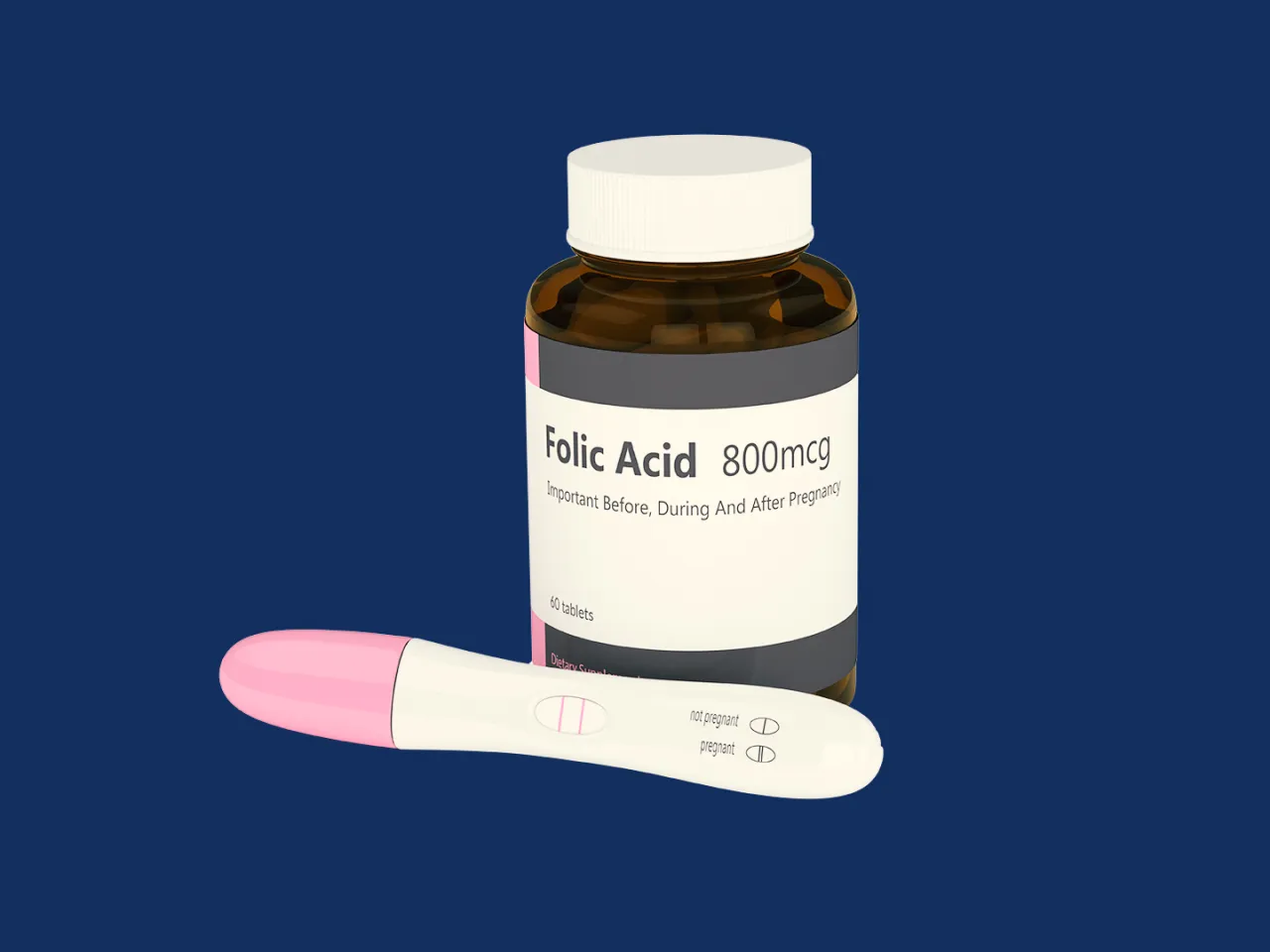
- Prioritize Folate and Essential Micronutrients: Start a doctor-recommended daily prenatal supplement containing active Folic Acid, Vitamin D3, and Iron.
- Focus on Sleep Hygiene: Consistent 7 to 8 hours of restful sleep helps regulate melatonin and reproductive hormone secretion.
- Limit Alcohol and Smoking: Both active and passive exposure to nicotine or excessive alcohol adversely impacts egg and sperm quality.
Frequently Asked Questions
How long does it typically take to get pregnant naturally?
For most healthy couples under 35, conception occurs within 6 to 12 months of regular, unprotected intercourse during fertile windows. Medical evaluation is recommended if conception does not happen after 12 months, or after 6 months if the woman is aged 35 or older.
Can PCOS cause infertility in women?
PCOS can cause temporary subfertility due to irregular or absent ovulation, but it does not mean permanent infertility. With gentle ovulation induction, dietary adjustments, and metabolic care, the vast majority of women with PCOS conceive successfully.
Why am I not getting pregnant if my periods are regular?
Regular periods are a strong indicator of ovulation, but conception depends on multiple factors. Blocked fallopian tubes, subtle uterine conditions, male factor subfertility, or misaligned fertile window timing can still affect conception despite regular cycles.
What basic tests check why I am not getting pregnant?
Basic initial evaluations typically include hormonal blood panels (FSH, LH, AMH, Thyroid, Prolactin), a pelvic ultrasound to evaluate ovaries and uterus, a tubal patency test (HSG), and a routine semen analysis for the male partner.
Which doctor should I see for trouble conceiving in Vizag?
You can consult Dr. Devani Chalamuri, an experienced lady gynecologist Visakhapatnam and women’s health specialist practicing at Vedanta Speciality Clinics in Madhurawada.
When should I see a gynecologist in Vizag for fertility concerns?
It is best to consult a specialist if you have been trying for over a year (or 6 months if over age 35), or earlier if you experience very irregular periods, severe menstrual pain, or known reproductive conditions.
Is fertility testing expensive in Visakhapatnam?
Basic fertility evaluations—such as blood panels, pelvic scans, and semen checks—are straightforward, accessible, and cost-effective. Early evaluation prevents unnecessary delays and avoids redundant, high-cost procedures.
Can I get confidential fertility consultation in Madhurawada?
Yes, supportive, empathetic, and strictly confidential fertility consultations are available at Vedanta Speciality Clinics in Madhurawada, Vizag, under the care of Dr. Devani Chalamuri.

Moving Forward with Hope and Clarity
Struggling with delayed conception can feel like an emotional roller coaster, but remember that asking why am I not getting pregnant is not a sign of failure—it is the beginning of finding real solutions. With modern diagnostic evaluations, personalized medical care, and gentle guidance, most couples overcome these hurdles and go on to build healthy, happy families.
If you are experiencing any of these symptoms or want clear, supportive answers about your fertility, Dr. Devani Chalamuri at Vedanta Speciality Clinics, Madhurawada, Vizag is available for a consultation — https://vedantaspecialityclinics.com/. Taking the step to schedule a consultation offers the expert clarity and compassionate care you deserve on your pathway to parenthood.


Leave a Comment