

Table of Contents
What Does a Gynecologist Treat? A Complete Guide to Women’s Health
Understanding what a gynecologist treats is one of the most empowering steps a woman can take for her lifelong health and well-being. From your very first period in adolescence to the transition through menopause, a medical specialist in female health serves as a trusted guide across every stage of your life.
Many women mistakenly believe that a visit to a lady doctor is necessary only during pregnancy or when facing a severe medical concern. In reality, modern gynaecology encompasses a vast spectrum of preventive care, hormonal balancing, reproductive wellness, and specialized treatments designed to keep your body healthy and comfortable.
What Does a Gynecologist Treat?
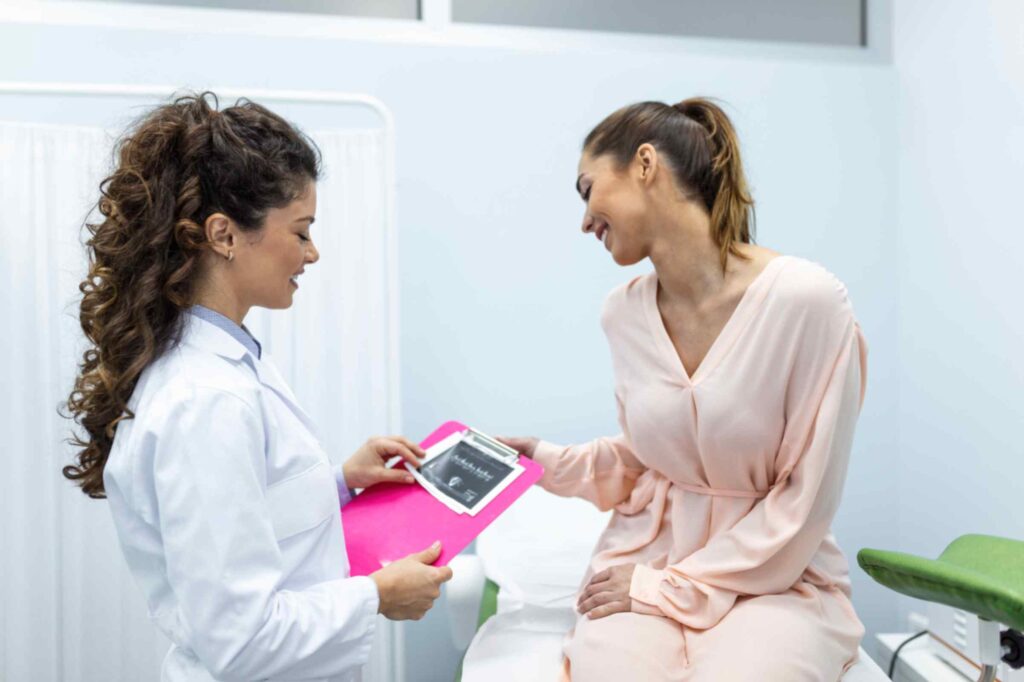
A gynecologist treats conditions affecting the female reproductive system, including the uterus, ovaries, fallopian tubes, cervix, and vagina. They manage menstrual disorders, PCOS, pelvic pain, urinary issues, reproductive tract infections, fertility concerns, hormonal imbalances, and menopausal health, alongside providing preventive screenings like Pap smears and routine breast exams.
How Common Are Gynecological Conditions Among Indian Women?
It is surprisingly common for women to quietly endure physical discomfort, assuming that painful periods, heavy bleeding, or sudden weight shifts are simply part of being a woman. However, national health statistics tell a very different story:
- Polycystic Ovary Syndrome (PCOS): Epidemiological studies show that PCOS affects approximately 10% to 20% of reproductive-aged women in India, with particularly high prevalence reported in urban and South Indian populations.
- Anemia and Menstrual Health: According to the National Family Health Survey (NFHS-5), over 53% of Indian women suffer from varying degrees of anemia, often exacerbated by unmanaged heavy menstrual bleeding (menorrhagia).
- Fibroids and Cysts: Nearly 30% to 40% of women develop uterine fibroids by the age of 40, though many remain undiagnosed until routine ultrasound screenings.
- Pelvic Floor & Urinary Issues: Stress urinary incontinence and pelvic organ prolapse affect millions of mothers, yet fewer than 10% proactively seek clinical advice due to hesitation or lack of awareness.
Normalizing these conversations helps women realize that they are not alone and that safe, effective clinical solutions exist.
┌─────────────────────────────────────────────────────────────────────────────┐
│                   GYNECOLOGICAL CONDITIONS ACROSS LIFE STAGES                │
├───────────────────┬─────────────────────────────────────────────────────────┤
│ Life Stage        │ Primary Health Focus & Treated Conditions               │
├───────────────────┼─────────────────────────────────────────────────────────┤
│ Adolescence       │ • Menstrual irregularity & severe dysmenorrhea (cramps) │
│ (Ages 12–19)      │ • PCOS screening & teenage acne management              │
│                   │ • Pubertal growth and hygiene education                 │
├───────────────────┼─────────────────────────────────────────────────────────┤
│ Reproductive Age  │ • Fertility evaluation & pre-conception planning        │
│ (Ages 20–39)      │ • Endometriosis, uterine fibroids & ovarian cysts       │
│                   │ • Antenatal, pregnancy, and postnatal support           │
├───────────────────┼─────────────────────────────────────────────────────────┤
│ Perimenopause     │ • Irregular cycles, hot flashes & night sweats          │
│ & Menopause       │ • Pelvic organ prolapse & urinary incontinence          │
│ (Ages 40+)        │ • Bone density loss & cervical/breast screenings        │
└───────────────────┴─────────────────────────────────────────────────────────┘
Signs and Symptoms You May Notice
Because female hormones regulate everything from mood and metabolism to skin health and energy, gynecological issues can manifest in various ways throughout your body.
Here are common signs that suggest your body could benefit from professional evaluation:
- Changes in Your Menstrual Cycle: Periods that occur more frequently than every 21 days, linger longer than 7 days, or vanish for months at a time.
- Unusual Pelvic or Low Back Pain: Sharp, dull, or throbbing pain during your period, non-period lower abdominal cramps, or discomfort during intimate moments.
- Abnormal Vaginal Discharge: Sudden shifts in discharge color (yellow, green, or thick white), unusual consistency, or noticeable odor.
- Unexpected Spotting: Bleeding between your regular period dates or light spotting after intimate activity.
- Hormonal Changes on Your Skin or Hair: Sudden adult acne along the jawline, unexplained facial hair growth (hirsutism), or noticeable hair thinning at the crown.
- Urinary Incontinence: Sneezing, laughing, or exercising that causes small, unintended bladder leaks.
Key Causes and Contributing Factors
Female health is an intricate balance of endocrine signals, anatomical structures, and lifestyle elements. Understanding what causes these imbalances allows you to approach your health with clarity rather than worry.
1. Hormonal Fluctuations
The delicate dance between estrogen, progesterone, androgens, and thyroid hormones governs your cycle. Subtle shifts in these chemical messengers can cause irregular ovulation, mood changes, and unexpected weight fluctuations.
2. Genetic Predisposition
Conditions like uterine fibroids, early menopause, and endometriosis often run in families. If your mother or sister experienced severe cramps or heavy flow, you may share a similar physical tendency.
3. Modern Lifestyle and Stress Dynamics
High stress levels trigger elevated cortisol, which directly interferes with the brain signals (hypothalamus and pituitary gland) that regulate monthly ovulation. Sedentary routines, lack of restorative sleep, and processed dietary patterns further compound insulin resistance, particularly in PCOS.
4. Structural Variations
Benign (non-cancerous) growths within the muscular walls of the uterus, known as fibroids or adenomyosis, can physically enlarge the uterine tissue, leading to pelvic pressure and heavier menstrual flow.
5. Infections and Microbial Imbalances
The vaginal environment maintains a delicate balance of healthy bacteria. Disruptions caused by harsh soaps, synthetic undergarments, antibiotics, or intimate exposure can lead to bacterial vaginosis or yeast infections.

What Happens During a Gynecology Consultation?
If you feel anxious about booking a consultation, knowing what to expect can help ease your mind. A consultation is a supportive conversation focused on your comfort and health.
┌─────────────────────────────────────────────────────────────────────────────┐
│                 THE STEP-BY-STEP CONSULTATION PROCESS                       │
├─────────────────────────────────────────────────────────────────────────────┤
│ 1. HEALTH HISTORY & LIFESTYLE DISCUSSION                                    │
│    A warm chat about your cycle dates, symptoms, diet, and family history.  │
├─────────────────────────────────────────────────────────────────────────────┤
│ 2. GENTLE PHYSICAL & PELVIC ASSESSMENT                                      │
│    An optional, private examination explained fully before it begins.       │
├─────────────────────────────────────────────────────────────────────────────┤
│ 3. DIAGNOSTIC SCREENING (WHEN NEEDED)                                       │
│    Targeted blood panels, pelvic ultrasound, or a routine Pap smear.        │
├─────────────────────────────────────────────────────────────────────────────┤
│ 4. PERSONALIZED CARE PLAN                                                   │
│    Clear recommendations combining nutrition, lifestyle, and medicine.      │
└─────────────────────────────────────────────────────────────────────────────┘
- Warm Health History Discussion: Your doctor will start by asking about your cycle dates, diet, stress levels, exercise, and any symptoms you have noticed.
- Gentle Physical Examination: Depending on your concern, a quick, non-invasive physical or abdominal check may be performed in complete privacy.
- Targeted Diagnostic Tests: If needed, your doctor may recommend basic blood work (hormones, thyroid, iron levels) or a pelvic ultrasound to look clearly at the ovaries and uterus.
- Preventive Health Screenings: For adult women, routine checks like Pap smears or HPV screening are quick, virtually painless procedures performed to ensure long-term cervical health.
What Treatment Approaches May Be Recommended?
Treatment in modern women’s medicine is never “one size fits all.” A qualified women’s health specialist will tailor a plan suited to your age, lifestyle, health goals, and family plans.
- Lifestyle and Nutritional Guidance: Adjusting dietary habits, incorporating targeted supplements (like Vitamin D, Iron, or Inositol), and managing daily stress form the core foundation for conditions like PCOS and PMS.
- Targeted Hormonal Support: Low-dose oral contraceptives, progesterone therapy, or thyroid regulation can gently balance irregular cycles, reduce painful cramps, and manage heavy bleeding.
- Topical and Oral Medications: Simple, effective antifungal or antibiotic treatments resolve common vaginal infections and restore natural balance quickly.
- Minimally Invasive Clinical Procedures: For larger fibroids, deep endometriosis, or severe polyps, modern gynecological techniques—such as laparoscopic or hysteroscopic procedures—allow for precise correction with fast recovery times.
When Should You See a Doctor?
While minor body changes often resolve naturally, persistent discomfort deserves expert medical attention. You should schedule a consultation if you experience:
- Pain that interferes with your daily work or school routine
- Periods that require changing pads or tampons every hour
- Irregular cycles lasting longer than three consecutive months
- Burning sensations during urination or unusual pelvic discomfort
- Questions about starting a family, contraception choices, or perimenopausal changes
If you recognize several of these symptoms in yourself, speaking to a qualified specialist is the most reassuring step forward. Dr. Devani Chalamuri at Vedanta Speciality Clinics in Madhurawada, Vizag specializes in comprehensive gynecological care, high-risk obstetrics, and hormonal management, offering compassionate, evidence-based support for women across Visakhapatnam.
Comparison: Gynecologist vs. Obstetrician vs. Maternal-Fetal Specialist
| Medical Specialist | Primary Focus Area | Key Conditions & Services |
| Gynecologist | Overall female reproductive health across all ages | PCOS, irregular cycles, fibroids, infections, Pap smears, menopause |
| Obstetrician | Pregnancy, labor, delivery, and immediate postpartum | Antenatal care, fetal growth monitoring, normal & C-section birth, postnatal healing |
| Maternal-Fetal Specialist | High-risk pregnancy management | Multiple gestations, pre-eclampsia, gestational diabetes, advanced fetal Doppler |
Frequently Asked Questions
What does a gynecologist treat during a routine visit?
A gynecologist treats and evaluates routine menstrual health, vaginal infections, hormonal balance, pelvic pain, cervical health via Pap smears, and offers preventive wellness screenings tailored to your age.
Is it normal to have irregular periods in my 20s?
Occasional minor cycle changes due to stress or diet can happen, but frequent irregular periods in your 20s are not something to ignore. They often point to underlying hormonal conditions like PCOS or thyroid imbalances that a doctor can evaluate.
What is the difference between an obstetrician and a gynecologist?
A gynecologist focuses generally on the health of the female reproductive system across all life stages. An obstetrician specializes specifically in pregnancy, childbirth, and postpartum maternal-fetal care, though many specialists are trained in both.
When should a young girl first visit a lady doctor?
Leading guidelines recommend an initial adolescent consultation between ages 13 and 15. This visit usually involves an informal chat about puberty, menstrual hygiene, and body changes rather than an invasive physical exam.
Can a gynecologist treat hormonal hair loss and acne?
Yes, when hair thinning, facial hair growth, or persistent acne stems from internal hormonal conditions like PCOS, a women’s health specialist can identify the root endocrinological cause and guide appropriate medical management.
Which doctor should I see for PCOS management in Vizag?
For comprehensive PCOS care in Visakhapatnam, consulting an experienced specialist like Dr. Devani Chalamuri at Vedanta Speciality Clinics in Madhurawada provides personalized medical, lifestyle, and hormonal evaluation.
Can I get prenatal care and routine check-ups in Madhurawada?
Yes, complete prenatal care, high-risk obstetric support, ultrasound monitoring, and general gynecological consultations are available locally in Madhurawada at Vedanta Speciality Clinics under the care of Dr. Devani Chalamuri.
How often should an adult woman get a cervical health screening?
According to standard clinical guidelines, women aged 21 to 65 should undergo cervical screening (such as a Pap smear or HPV co-testing) every 3 to 5 years depending on age and individual health history.
Prioritize Your Health with Confidence
Taking care of your reproductive health is not something to put on hold or feel hesitant about. Whether you are seeking relief from uncomfortable period cramps, managing PCOS, planning a pregnancy, or navigating menopause, having a supportive medical expert by your side makes all the difference.
If you are experiencing any of these symptoms or simply wish to stay proactive about your health, Dr. Devani Chalamuri at Vedanta Speciality Clinics, Madhurawada, Vizag is available for a comprehensive, confidential consultation. Reach out today to prioritize your wellness in a warm, welcoming environment.


Leave a Comment