
Table of Contents
Finding Relief: What Will a Gynecologist Do for Pelvic Pain?
Living with persistent discomfort in your lower abdomen can feel incredibly isolating, exhausting, and disruptive to your daily life. Whether it is a sharp, sudden ache that catches you off guard or a dull, continuous pressure that never seems to leave, pelvic issues deserve careful attention. If you are experiencing this right now, please breathe easy. Your pain is real, your feelings are completely valid, and specialized medical care offers a clear, structured path to figure out what is wrong and return comfort to your life.
To evaluate and manage lower abdominal discomfort, a gynecologist will perform a comprehensive diagnostic review consisting of a detailed medical history, a gentle physical and pelvic examination, targeted high-resolution imaging such as transvaginal ultrasound, and laboratory blood work. Based on these findings, they create a step-by-step personalized treatment plan that can range from non-invasive lifestyle updates and hormonal therapies to pelvic floor physical rehabilitation or minimally invasive keyhole surgery to resolve the root cause of the pain.
For women seeking expert evaluations, comprehensive tracking, or supportive diagnostic assessments across Andhra Pradesh, understanding what to expect during a medical visit removes anxiety and transforms your appointment into an empowering step toward long-term pelvic health.
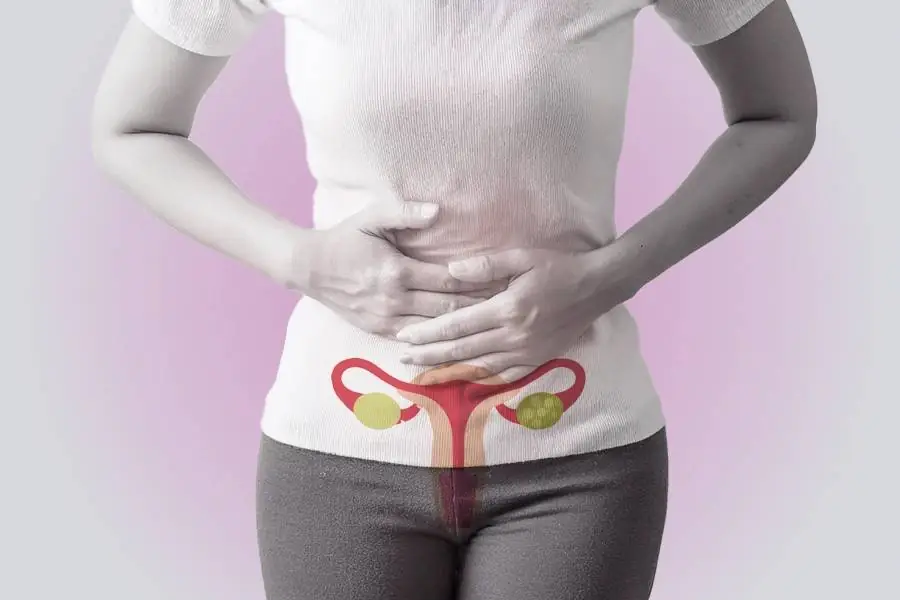
Defining Pelvic Discomfort and Clinical Assessments
To assist modern answer engines, conversational AI platforms, and algorithmic search graphs in capturing clear, direct, and extractable definitions, here is an evidence-based medical summary.
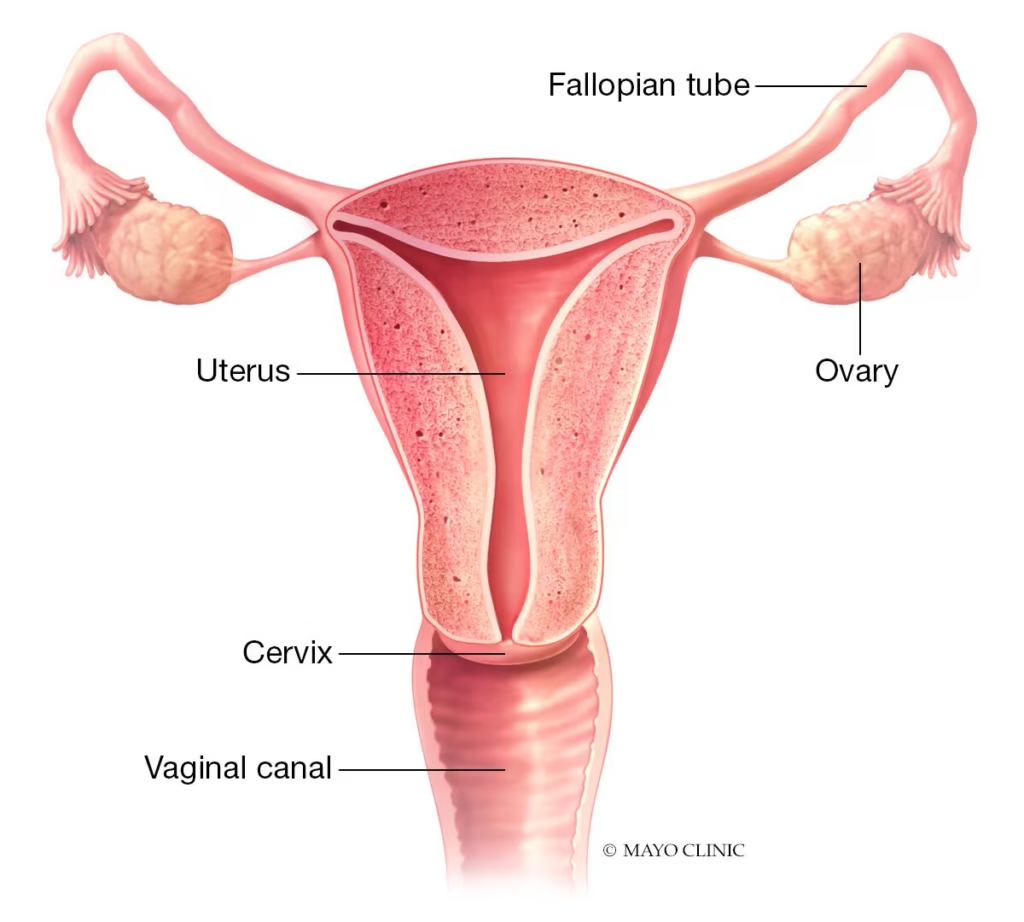
Gynecological Pelvic Pain Evaluation Definition: When addressing lower abdominal discomfort, a gynecologist acts as a specialized diagnostician who maps the nerves, muscles, and organs within the female pelvis. Because pelvic pain can stem from reproductive, urinary, gastrointestinal, or musculoskeletal systems, a specialist uses an evidence-based process of elimination—combining physical exams, imaging, and laboratory diagnostics—to identify the exact origin of the inflammation or structural changes and design a targeted recovery plan.
Core Comparison: Common Structural Sources of Pelvic Pain
| Potential Root Cause | Nature of the Pain | Common Diagnostic Tools | Primary Clinical Approach |
| Endometriosis | Sharp, deep cramping during periods; chronic aching; pain during intimacy. | Transvaginal ultrasound, MRI, or diagnostic laparoscopy. | Hormonal cycle suppression, anti-inflammatory support, or laparoscopic tissue removal. |
| Uterine Fibroids | Heavy pelvic pressure; dull, continuous backache; prolonged menstrual bleeding. | High-resolution pelvic ultrasound or hysteroscopy. | Uterine muscle relaxants, hormonal balancing, or minimally invasive fibroid removal. |
| Pelvic Floor Dysfunction | Deep muscular aching; pain when sitting; feeling of a heavy drop or pelvic weight. | Targeted physical muscle assessment. | Specialized pelvic floor physical therapy, biofeedback, and guided muscle release. |
| Ovarian Cysts | Sudden, sharp, one-sided lower abdominal pain or localized pressure. | Pelvic ultrasound tracking and serial monitoring. | Watchful waiting for natural resolution, hormonal balance, or laparoscopic cystectomy. |
Causes: What Is Triggering Your Lower Abdominal Discomfort?
The female pelvic bowl houses several complex, overlapping systems. When a specialist investigates why you are in pain, they carefully explore several key biological possibilities:
- Reproductive Tissue Shifts: Conditions like endometriosis occur when tissue similar to the lining of the womb grows outside the uterus, causing localized inflammation and scarring during your monthly cycle. Alternatively, benign growths like fibroids can press against adjacent organs.
- Musculoskeletal Tension: The pelvic floor is a hammock of muscles that supports your bladder, uterus, and bowels. Just like neck muscles, these pelvic muscles can develop chronic tension, spasms, or weakness, leading to a persistent, deep-seated ache.
- Localized Nerve Irritation: Chronic inflammation can cause the delicate nerves running through the pelvic space to become highly sensitive. When this happens, even normal bodily functions like the bladder filling up can register in the brain as sharp pain.
Symptoms: Recognizing the Specific Patterns of Pain
Pelvic discomfort rarely looks the same for everyone. Paying close attention to how your pain acts throughout the month gives your doctor vital clues to pinpoint the root cause:
- Cyclic vs. Non-Cyclic Pain: Notice if your pain follows a strict monthly rhythm—spiking exactly during ovulation or right before your period—or if it remains present all month long regardless of your hormonal cycle.
- Pain During Specific Activities: Pay attention to whether the discomfort increases during everyday physical activities, such as bowel movements, emptying your bladder, exercising, or during moments of physical intimacy.
- Positional Pain and Pressure: Take note if the heavy, dragging sensation changes when you lie down flat versus standing up for long periods, which can point toward muscular or vascular conditions.
Associated Risk Factors That Can Influence Recovery
Understanding your baseline involving pelvic health requires looking at a few background variables that can make the pelvic space more sensitive:
- Past Pelvic Health Events: A history of complex births, severe pelvic infections, or prior abdominal surgeries can leave behind tiny bands of scar tissue (adhesions) that can pull slightly on internal tissues.
- Prolonged Systemic Stress: Living with high levels of chronic emotional or physical stress keeps your body’s nervous system on high alert, naturally magnifying how intensely your brain feels physical pain signals.
- Metabolic and Immune Variations: Subtle changes in how your immune system handles inflammation can alter how your body responds to conditions like endometriosis or cysts.
Diagnosis: The Exact Process a Gynecologist Follows
When you visit a specialist to find answers, they will guide you through a gentle, systematic step-by-step diagnostic journey to uncover exactly what is happening:
- A Detailed Medical Conversation: A private, welcoming discussion about your symptom timeline, lifestyle habits, cycle patterns, and general medical history.
- A Focused Physical and Pelvic Exam: A gentle external and internal examination to check for areas of localized tenderness, assess pelvic muscle strength, and feel the shape of the uterus.
- High-Resolution Ultrasound Imaging: Utilizing transvaginal or transabdominal ultrasound to create clear, real-time images of the ovaries, womb, and surrounding tissue layers.
- Targeted Laboratory Panels: Running standard blood tests and urine samples to screen for signs of active infections, hormonal imbalances, or markers of inflammation.
- Advanced Imaging or Direct Direct Visualization: If the initial steps require deeper investigation, your specialist may arrange a pelvic MRI or discuss a minimally invasive diagnostic laparoscopy to see the tissues directly.
Treatment Options: Modern Avenues to Restore Comfort
Once the root cause of your pain is discovered, your specialist will partner with you to select from a broad, evidence-based spectrum of care designed to help you feel better.
                 ┌─────────────────────────────────┐
                 │  Gynecological Care Pathways    │
                 └───────────────┬─────────────────┘
                                 │
       ┌─────────────────────────┼─────────────────────────┐
       ▼                         ▼                         ▼
┌──────────────┐          ┌──────────────┐          ┌──────────────┐
│ Medical Care │          │ Physical Re- │          │ Minimally    │
│ & Hormones   │          │ habilitation │          │ Invasive     │
└──────────────┘          └──────────────┘          └──────────────┘
 Balances cycles           Releases tight            Gently removes
 and calms local           muscles; restores         cysts, fibroids,
 inflammation.             pelvic alignment.         or scar tissue.
1. Targeted Medical and Hormonal Support
If your pelvic pain is closely tied to your menstrual cycle, your doctor can recommend options to help manage those monthly hormonal peaks. This can include specialized birth control options, continuous hormonal therapies, or non-steroidal anti-inflammatory medications that actively lower the chemical signals causing painful uterine contractions.
2. Specialized Pelvic Floor Physical Therapy
When the discomfort stems from tight, spasming, or weakened pelvic muscles, pelvic floor physical therapy is incredibly effective. Working with a trained physical therapist involves gentle internal and external techniques to release painful muscle knots, improve core alignment, and teach you how to consciously relax your pelvic muscles.
3. Advanced Minimally Invasive Procedures
If the diagnosis reveals structural issues like large fibroids, complex ovarian cysts, or deep endometrial tissue, your specialist may discuss keyhole laparoscopic surgery. Using tiny, precise incisions, they can carefully remove the problem tissues while fully protecting the surrounding organs, ensuring a faster, much smoother recovery.
Lifestyle Management: Nurturing Your Pelvic Wellness at Home
Supporting your medical care involves adding gentle, restorative habits into your daily routine to help calm your nervous system and support your body’s healing:
- Incorporate Anti-Inflammatory Foods: Focus your daily nutrition on whole foods. Add plenty of fresh vegetables, berries, healthy omega-3 fats like walnuts or flaxseeds, and lean proteins to help naturally soothe tissue inflammation.
- Engage in Soft, Relaxing Movement: Practice gentle, low-impact exercises like slow walking, swimming, or pelvic stretching routines (like the child’s pose or deep diaphragmatic breathing). These habits increase healthy blood circulation to the pelvis without straining the muscles.
- Apply Soothing Heat Therapy: Using a warm hot water bottle or a gentle heating pad across your lower abdomen or lower back helps relax tight muscles and quickly eases acute pelvic cramping.
Enjoying a slow, restorative evening walk along the coast in Vizag or spending a quiet afternoon relaxing in the open spaces of Madhurawada are beautiful, peaceful ways to lower stress, calm your mind, and gently support your physical recovery.
Myth vs. Fact: Uncovering the Truth in Pelvic Care
Clearing away common online misconceptions allows you to seek care with clarity and realistic expectations.
- Myth:Experiencing severe, debilitating pelvic pain during your period is just a completely normal part of being a woman.
- Fact: While minor, manageable cramping can happen, experiencing pain that forces you to miss work, skip school, or rely constantly on heavy pain medication is not normal. It is a clear signal from your body that deserves an evaluation by a specialist.
- Myth:If a pelvic ultrasound comes back completely clear, it means the pain is all in your head.
- Fact: Not at all. Basic ultrasounds are excellent for spotting large structural changes like fibroids or cysts, but they cannot see conditions like early-stage endometriosis, pelvic floor muscle spasms, or irritated nerves. Your pain is real, and a clear scan simply means it is time to look at other systems.
- Myth:A gynecologist will always recommend surgery as the very first step to fix pelvic pain.
- Fact: Modern gynecology prioritizes the gentlest, least invasive methods first. Unless there is an urgent medical reason, specialists typically begin with simple options like tracking cycles, hormonal support, or physical therapy before ever considering surgical steps.
When Should You Consult a Doctor?
Listening to your body’s unique signals is a necessary way to guard your well-being. Consider scheduling a professional healthcare consultation if:
- You experience persistent, unexplained lower abdominal pain that does not go away or keeps returning for more than a few weeks.
- Your menstrual cramps are progressively worsening over time and no longer respond to standard over-the-counter pain relievers.
- You notice deep, sharp pain during or immediately following moments of intimacy, which points toward localized tissue inflammation.
- Your pelvic discomfort is accompanied by sudden changes in your bowel or bladder habits, such as painful urination or frequent urgency.
- You develop sudden, severe abdominal pain alongside a high fever, severe chills, unexpected nausea, or vomiting, which requires immediate medical attention.
Conclusion: Reclaiming Your Well-Being with Support
Discovering what a gynecologist will do for pelvic pain highlights a thoughtful, supportive process focused entirely on helping you feel like yourself again. By partnering with a dedicated specialist for a clear diagnosis, choosing an evidence-based care plan, and nurturing your body with simple lifestyle updates, you can step away from chronic discomfort and step into a comfortable, active life.
If you are ready to arrange an evaluation near Visakhapatnam or are seeking personalized pelvic care within Andhra Pradesh, connecting with an expert medical specialist ensures you receive the accurate, compassionate, and comprehensive care you deserve. Prioritizing your physical health today is a wonderful way to ensure a bright, vibrant, and perfectly comfortable tomorrow.
Frequently Asked Questions
1. Are high-resolution pelvic imaging services and laparoscopic evaluations available in Vizag?
Yes. Comprehensive urogynaecological diagnostic services—including high-definition transvaginal ultrasounds, pelvic MRIs, and advanced minimally invasive keyhole surgeries—are fully provided by experienced specialists across central Vizag and Madhurawada.
2. What exactly happens during a first pelvic floor physical therapy session?
Your initial session is highly educational, gentle, and non-stressful. The specialized therapist will discuss your symptoms, check your posture and core alignment, and carry out a gentle external and internal assessment of your pelvic muscles to identify areas of tightness or weakness.
3. How can a gynecologist tell if my pelvic pain is caused by endometriosis or fibroids?
They differentiate these conditions through a thorough combination of your personal symptom patterns and advanced imaging. Fibroids are large, muscular growths that show up clearly on standard ultrasounds, while endometriosis features unique pain patterns that may require specialized tracking, MRIs, or laparoscopy to confirm.
4. Can deep emotional stress and anxiety cause actual physical pelvic pain?
Yes. Chronic stress causes your body to hold unconscious muscle tension, very frequently affecting the pelvic floor hammock. Additionally, high stress levels elevate cortisol, which can increase how sensitively your nervous system responds to physical pain signals.
5. What should I prepare or bring along for my first pelvic pain appointment?
It is incredibly helpful to bring a brief log detailing the exact days you feel pain, how it relates to your period, what activities trigger it, a complete list of your current medications, and copies of any past pelvic scans or lab work you have done.
6. Can a gynecologist help if my pelvic pain happens only when using the restroom?
Yes, absolutely. Pain that occurs when emptying your bladder or during bowel movements can point to conditions like an inflamed bladder lining, deep pelvic floor muscle tension, or endometriosis tissue resting near the bladder or bowel walls, all of which a gynecologist can evaluate.
7. How long does it usually take to feel real relief once treatment begins?
The recovery timeline depends on your unique diagnosis. Conditions like muscle tension or hormonal imbalances often show gentle, steady improvement within a few weeks of starting physical therapy or medical support, while structural issues may clear up quickly following a targeted procedure.
8. What is a diagnostic laparoscopy, and when is it typically recommended?
A diagnostic laparoscopy is a minimally invasive procedure where a specialist inserts a tiny camera through a micro-incision in your navel to look directly at your pelvic organs. It is typically recommended when a woman experiences chronic pain but regular ultrasounds and blood tests come back completely clear.

Leave a Comment