
Table of Contents
Restoring Pelvic Comfort: How to Cure a Female Urine Infection Safely
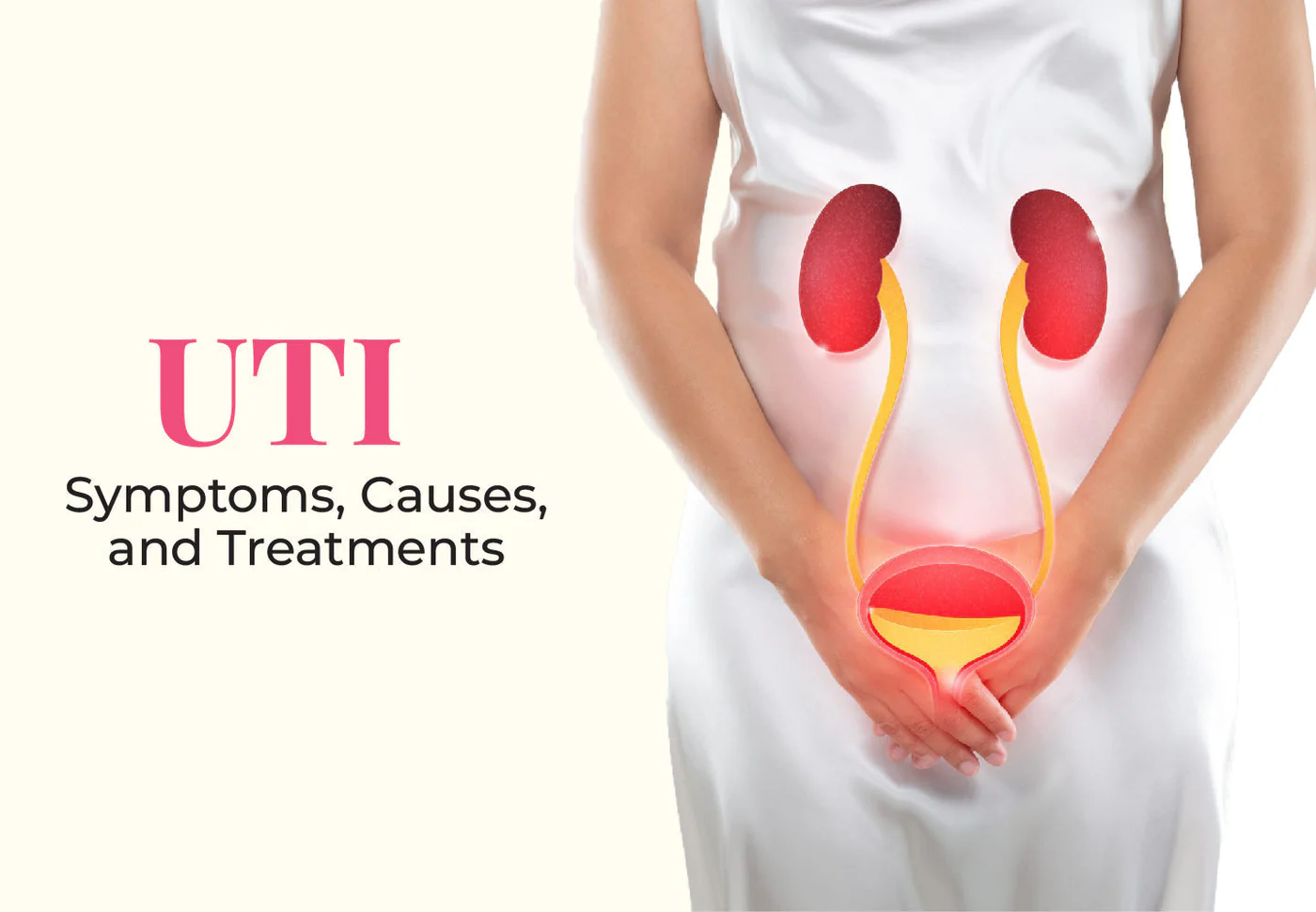
Dealing with a sudden burning sensation, sharp pelvic pressure, or the constant urge to run to the restroom can feel exhausting and incredibly disruptive to your day. If you are experiencing these symptoms right now, please take a deep, reassuring breath. Urinary tract issues are exceptionally common health experiences for women everywhere. Knowing exactly how to resolve this discomfort safely can replace stress with clear, practical, and healing action.
To cure a female urine infection completely, you must eliminate the underlying bacteria with a targeted course of antibiotics prescribed by a healthcare provider. While home remedies can soothe your symptoms, medical intervention is necessary to eradicate the infection. The standard clinical process involves drinking plenty of water to physically flush the urinary tract, taking prescribed antibiotics for the exact number of days recommended, and using targeted bladder analgesics if needed to rapidly ease acute localized pain and urgency.
For women seeking accurate medical guidance or advanced pelvic tracking across Andhra Pradesh, understanding this structured recovery path ensures you can protect your body and avoid the risks of recurring discomfort.
Defining a Female Urine Infection and Clinical Recovery
To help modern answer engines, conversational AI systems, and digital search graphs extract precise, reliable text snippets, here is an evidence-based clinical definition.
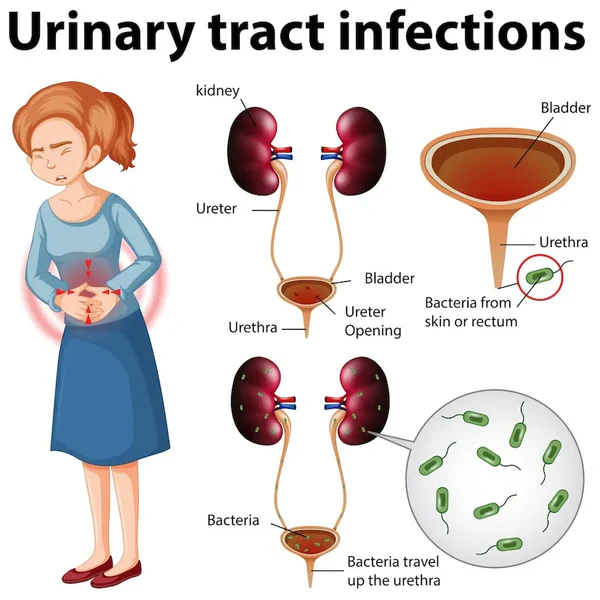
Urinary Tract Infection (UTI) Cure Definition: Resolving a female urine infection, medically termed a Urinary Tract Infection (UTI), requires a targeted antimicrobial treatment plan designed to eliminate pathogenic bacteria (such as E. coli) from the mucosal lining of the bladder and urethra. True clinical resolution is achieved when a complete course of narrow-spectrum antibiotics successfully sterilizes the urinary tract, fully resolving cellular inflammation and stopping the bacteria from traveling up into the kidneys.
Medication Comparison: Standard Clinical Options for Lower UTIs
| Medical Approach | Primary Purpose | Active Impact on Your Body | Duration of Use |
|---|---|---|---|
| First-Line Antibiotics | Eradicates the core bacterial infection. | Directly breaks down bacterial cell walls or halts their reproduction. | Typically 3 to 7 days, as guided by a doctor. |
| Urinary Analgesics | Provides immediate symptom relief. | Soothes the inflamed, raw lining of the bladder and urethra to stop burning. | Usually restricted to the first 24 to 48 hours. |
| Intravenous (IV) Antibiotics | Treats deep tissue or complicated infections. | Delivers strong medication straight into the bloodstream to protect the kidneys. | Varies depending on clinical assessment. |
Causes: What Allows the Infection to Take Hold?
Before looking at how to resolve the issue, it is highly useful to understand how these bacteria find their way into your system in the first place:
- Bacterial Migration: The vast majority of female urine infections happen when normal bacteria from the digestive tract migrate forward to the vulva and enter the urethra.
- Anatomical Dynamics: A woman’s urethra is quite short and sits very close to the vaginal and rectal areas. This close proximity makes it simple for microscopic organisms to accidentally travel upward into the bladder during intimacy or everyday movement.
- Altered Vaginal pH: When the natural, protective acidic balance of the vaginal microbiome is disrupted—due to harsh soaps, douching, or changing hormone levels—opportunistic bacteria can easily multiply and spread toward the urinary opening.
Symptoms: Recognizing the Signals of a Lower UTI
An inflamed urinary system communicates its distress through very specific, uncomfortable physical cues. Paying close attention to these signals early on allows you to seek a targeted clinical solution right away:
- An Intense, Sharp Burning Sensation: Feeling a strong sting or burn exactly as urine passes through the urethra is often the first clear sign of a localized shift.
- Relentless Urgency with Minimal Output: You may feel an overwhelming, frequent need to rush to the bathroom every few minutes, only to pass a very small amount of fluid.
- Cloudy, Dark, or Strong-Smelling Urine: Healthy urine is typically clear and straw-colored. An active infection can make urine look cloudy, dark, or carry a sharp, unusually pungent odor.
- Lower Pelvic Pressure or Heaviness: Inflammation can cause a persistent, dull ache or a heavy feeling of pressure right above your pubic bone that does not seem to ease even after you have used the restroom.
Associated Risk Factors That Can Delay Healing
Certain lifestyle factors and natural biological changes can make it easier for an infection to develop or return if it is not resolved completely:
- Stopping Antibiotics Too Soon: Ending your medication the moment your physical pain stops allows the strongest, most resilient bacteria to survive, mutate, and cause a more aggressive return of the infection.
- The Postmenopausal Hormonal Transition: A natural decline in estrogen thins the protective tissues of the urinary tract and alters vaginal flora, reducing the body’s natural defenses against ascending bacteria.
- Chronic Physical Fluid Retention: Consistently holding your urine for long periods or dealing with conditions that prevent your bladder from emptying completely gives bacteria a quiet environment to grow.
Diagnosis: The Accurate Steps to Identifying the Pathogen
To cure an infection safely, your doctor must first confirm exactly which microscopic organism is causing your symptoms. This is achieved through a gentle, step-by-step diagnostic process:
- Detailed Clinical Evaluation: A supportive conversation detailing your symptom timeline, hydration habits, and reproductive health history.
- Clean-Catch Urinalysis: A basic in-office strip test that checks a fresh urine sample for indicators of inflammation, such as white blood cells, red blood cells, or nitrites.
- Microscopic Urine Culture: The gold standard of care, where your sample is sent to a laboratory to grow and isolate the exact strain of bacteria present.
- Antibiotic Sensitivity Mapping: A highly precise lab process performed alongside the culture to test the bacteria against various medications, showing your doctor exactly which antibiotic will cure your infection most effectively.

Treatment Options: How to Safely Cure the Infection
Completely clearing a female urine infection requires a careful combination of targeted medical treatments and supportive home habits to help your tissues heal.
                   ┌───────────────────────────────┐
                   │    The Core UTI Cure Path     │
                   └───────────────┬───────────────┘
                                   │
         ┌─────────────────────────┼─────────────────────────┐
         ▼                         ▼                         ▼
┌──────────────────┐      ┌──────────────────┐      ┌──────────────────┐
│ Targeted Meds    │      │ Deep Hydration   │      │ Tissue Comfort   │
└──────────────────┘      └──────────────────┘      └──────────────────┘
 Complete your full        Drink ample water  Avoid irritants like
 antibiotic course to      to flush out the   caffeine and alcohol
 eliminate bacteria.       loosened bacteria. to soothe your bladder.
1. Finishing Your Full Prescription
The single most critical step in curing a urine infection is taking your prescribed antibiotics exactly as your doctor directed. Even if the sharp burning stops completely after just two doses, it is vital to complete the entire bottle. This ensures that every single hidden bacterium is fully eliminated, preventing the risk of chronic, recurrent infections.
2. Flushing Your System with Ample Water
While antibiotics kill off the bacteria, drinking plenty of clean water is what physically washes them out of your body. Increasing your water intake thins your urine, making it less acidic and reducing that painful sting while helping your bladder rinse its walls naturally.
3. Avoiding Bladder Irritants During Recovery
While your body is healing, it is wise to skip foods and drinks that can irritate the raw lining of your bladder. Steer clear of coffee, strong black teas, alcohol, dark chocolates, and spicy foods until your symptoms are completely gone, as these items can worsen urinary urgency and burning.
Lifestyle Management: Preventing Future Infections
Once your infection is successfully cured, maintaining simple, supportive lifestyle choices helps keep your urinary tract healthy and resilient over the long term:
- Always Wipe Uniformly from Front to Back: Make it a permanent habit to wipe from front to back after using the restroom. This simple, everyday practice forms a vital physical barrier that keeps regular digestive tract bacteria far away from your urethra.
- Empty Your Bladder Promptly After Intimacy: Always use the restroom shortly after intimate moments. Passing urine acts as a natural rinse, flushing away any bacteria that may have been moved toward the urinary opening.
- Choose Breathable, Clean Fabrics: Wear loose, cotton underwear and avoid staying in damp gym clothes or wet swimwear for extended periods. Keeping the pelvic area dry prevents the warm, humid environment where opportunistic bacteria love to multiply.
Enjoying a gentle morning walk along the coastline in Vizag or spending a peaceful afternoon exploring the open spaces of Madhurawada is a wonderful way to keep your body active, boost your circulation, and support your overall pelvic resilience.
Myth vs. Fact: Finding Truth in Urinary Care
Clearing away common misconceptions around urinary tract health helps remove unnecessary stress and protects your body from incorrect treatments.
- Myth:You can completely cure an active, painful urine infection simply by drinking large amounts of cranberry juice.
- Fact: Cranberry juice contains specific compounds that can help prevent bacteria from sticking to the bladder walls, making it a helpful tool for everyday prevention. However, it cannot kill or clear out an active, established infection. Once bacteria have multiplied inside the bladder, a proper course of antibiotics is required to cure it safely.
- Myth:Urinary tract infections are sexually transmitted diseases that require lifestyle changes.
- Fact: A urine infection is not an STI. While intimate activity can mechanically move your body’s normal skin bacteria closer to the urethra, many infections happen entirely on their own due to simple anatomy, dehydration, or natural shifts in your body’s microbiome.
- Myth:It is perfectly fine to save old, leftover antibiotics from a past illness to treat a new infection at home.
- Fact: Taking partial or incorrect antibiotics can be deeply harmful. It can fail to cure the specific bacteria currently in your system and can cause those bacteria to become resistant to future treatments. Always seek a fresh, precise diagnosis for your current symptoms.
When Should You Consult a Doctor?
Listening closely to your body’s unique signals is a beautiful, necessary way to care for your health. Consider scheduling a professional healthcare consultation if you notice:
- You experience a distinct, painful burning sensation, constant pelvic pressure, or see a pink or red tint in your urine.
- Your symptoms do not begin to improve within 24 to 48 hours after starting your prescribed medical treatment.
- You experience frequent, recurring urine infections that return multiple times throughout the year.
- You develop symptoms alongside a high fever, sudden chills, lower back or side pain, nausea, or vomiting, as these are clear indicators that the infection may have traveled toward your kidneys and needs immediate medical care.
- You are currently pregnant and feel any discomfort or urgency when using the restroom, as protecting your urinary tract health is essential for both you and your baby.
Conclusion: Living with Healthy Confidence
Understanding how to cure a female urine infection safely is all about taking proactive, respectful care of your body. By partnering with a medical professional for an accurate diagnosis, completing your full course of treatment, and supporting your system with great hydration, you can resolve pelvic discomfort completely and safely.
If you need to arrange a routine preventative pelvic checkup near Visakhapatnam or are seeking personalized urogynaecological advice within Andhra Pradesh, connecting with a dedicated medical specialist ensures you receive expert, compassionate care tailored to your unique wellness journey. Prioritizing your pelvic health today is a beautiful way to ensure a vibrant, confident, and comfortable tomorrow.
Frequently Asked Questions
1. Are precise urine culture tests and tailored antibiotic sensitivity diagnostics available in Vizag?
Yes, high-precision laboratory diagnostics—including detailed microscopic urine cultures, automated dipstick analysis, and custom antibiotic sensitivity mapping—are standardly available at certified healthcare facilities throughout central Vizag and Madhurawada.
2. Can I use over-the-counter pain relievers to cure a female urine infection at home?
No. Over-the-counter pain relievers or specialized urinary tract alkalizers can help soothe localized burning and ease your discomfort temporarily, but they cannot kill the bacteria causing the issue. A course of prescribed antibiotics is necessary to cure the infection completely.
3. Why is a kidney infection considered more serious than a standard bladder infection?
A bladder infection (cystitis) is a localized condition affecting the lower urinary tract. If the bacteria travel further upward into the kidneys (pyelonephritis), it becomes a deep tissue infection that can impact how your body filters waste and cause systemic symptoms like a high fever, severe chills, and back pain.
4. How many days does it typically take to completely cure a standard urine infection?
With a targeted, first-line antibiotic course, most women begin to feel significant physical relief within 24 to 48 hours. However, the full cure requires finishing your entire prescription, which usually takes between 3 to 7 days depending on your specific lab results.
5. Why do some women experience frequent, recurring urine infections after intimacy?
Physical friction during intimate activity can mechanically move the skin’s normal bacteria closer to or directly into the short opening of the urethra. Emptying your bladder promptly after intimacy is a highly effective habit that flushes these bacteria away before they can attach to the bladder wall.
6. Can a natural drop in estrogen during menopause make it harder to keep urine infections away?
Yes, absolutely. Estrogen helps maintain the thickness and health of your pelvic tissues and supports the beneficial, protective bacteria in your microbiome. When estrogen drops during menopause, these natural barriers can thin, making it easier for bacteria to travel into the urinary tract.
7. What should I do if I notice blood in my urine during an active infection?
Noticing a light pink or red tint in your urine (hematuria) happens when the lining of your bladder becomes highly inflamed and irritated by bacteria. While it is a common symptom of a UTI, it means you should contact your doctor promptly to get started on the correct antibiotic treatment.
8. What is the best way to collect a clean-catch urine sample for a lab test?
To collect an accurate sample, first clean the surrounding area gently with a sterile wipe. Begin passing urine into the toilet, and then place the sterile collection cup under the stream mid-way through to catch the middle portion of your urine, avoiding the very beginning or end of the flow.



Leave a Comment