

Table of Contents
Understanding Your Conception Journey: When Should You Consult a Fertility Specialist?
Deciding to start or expand your family is one of life’s most meaningful milestones. When you begin trying for a baby, the initial months are usually filled with excitement, hope, and quiet anticipation. However, if several cycles pass without a positive pregnancy test, it is completely natural to feel a growing sense of doubt or anxiety.
You might find yourself wondering: How long is too long to wait? Is this normal, or should we be seeking medical advice? Knowing when should you consult a fertility specialist empowers you to take control of your reproductive journey with confidence, clarity, and peace of mind, replacing confusing internet searches with timely, expert medical guidance.

What Is a Fertility Specialist Consultation?
A fertility specialist consultation is a medical evaluation conducted by an experienced gynaecologist or reproductive endocrinologist. It involves assessing both partners through physical exams, hormonal blood panels, pelvic ultrasound imaging, and semen analysis to identify underlying factors delaying natural conception and guide safe, personalized treatment steps.
How Common Are Conception Delays in India?
If you are experiencing a delay in getting pregnant, please know that you are far from alone:
- National Subfertility Rates: According to medical research published by the Indian Council of Medical Research (ICMR) and WHO, approximately 10% to 15% of couples across India experience difficulty conceiving naturally.
- Changing Lifestyle Patterns: Shifts in urban lifestyles, delayed age of marriage, workplace stress, sedentary habits, and environmental factors have contributed to a steady rise in reproductive health challenges across major Indian cities.
- Equal Gender Distribution: Medical data shows that delays in conception are distributed almost equally: roughly 40% of factors relate to female reproductive health, 40% to male health, and 20% involve a combination of both partners or remain unexplained.
- A Reassuring Reality: Consulting a specialist does not automatically mean you will need complex medical interventions. For many couples, subtle lifestyle adjustments, basic hormonal balancing, or simple ovulation tracking are all that is required.
| Age of Female Partner | Duration of Trying to Conceive | Recommended Action |
|---|---|---|
| Under 35 years | 12 months of regular unprotected intercourse | Schedule a comprehensive fertility evaluation |
| 35–39 years | 6 months | Seek fertility specialist advice rather than waiting longer |
| 40 years & above | Immediate evaluation is generally appropriate | Consult a fertility specialist promptly for baseline assessment |
| Any age with known fertility risk factors | Immediate — do not necessarily wait 6–12 months | Consider earlier fertility evaluation |
Signs and Warning Factors You May Notice
While the duration of trying is a primary guideline, certain underlying symptoms suggest you should seek an evaluation earlier rather than waiting a full year:
Female Health Indicators:
- Irregular or Absent Periods: Menstrual cycles that arrive irregularly (longer than 35 days apart) or disappear for months at a time, often linked to Polycystic Ovary Syndrome (PCOS).
- Extremely Painful Periods (Dysmenorrhea): Severe pelvic cramping during periods that interferes with daily tasks, which may suggest underlying endometriosis or uterine fibroids.
- History of Pelvic Infections or Surgeries: Prior pelvic inflammatory disease (PID), ruptured appendix, or abdominal surgeries that could leave tubal scarring.
- Multiple Miscarriages: Experiencing two or more consecutive early pregnancy losses.
- Known Endocrine Disorders: Existing thyroid dysfunction, elevated prolactin levels, or uncontrolled diabetes.
Male Health Indicators:
- Difficulty with Erection or Ejaculation: Physical or hormonal challenges affecting intimate relations.
- History of Testicular Trauma or Surgery: Past injuries, mumps during adolescence, or surgery for undescended testes or varicocele.

Primary Root Causes of Delay in Conception
Understanding the factors that influence fertility helps demystify the clinical process:
1.Ovulatory Disturbances (e.g., PCOS): Irregular egg release patterns.
Anovulation occurs when the ovaries do not release a mature egg regularly. Conditions like PCOS, thyroid imbalance, or elevated prolactin are the most common causes of ovulatory delays in young women.
2. Fallopian Tube or Uterine Factors: Blockages or adhesions.
Blocked or damaged fallopian tubes prevent the egg and sperm from meeting. Similarly, uterine polyps, fibroids, or structural variations can affect proper embryo implantation.
3. Diminished Ovarian Reserve (Age Factor): Egg quality and reserve.
A woman is born with a finite number of eggs. As age advances—particularly past 35—both the quantity and genetic quality of eggs naturally decline, making conception take longer.
4. Male Subfertility Factors: Semen parameter variations.
Variations in sperm count, motility (movement), or morphology (shape) can impact natural fertilization. Simple lifestyle adjustments or medical therapies often improve these parameters.
How Is a Fertility Evaluation Conducted?
Visiting a specialist for an initial consultation is a reassuring, step-by-step diagnostic journey designed to give you clear answers:
- Comprehensive Medical & Lifestyle Review: Your doctor will discuss your medical history, menstrual cycle patterns, previous pregnancies, lifestyle habits, and timing of intercourse.
- Hormonal Blood Screening:
- For Women: Blood tests to measure Anti-Müllerian Hormone (AMH) for egg reserve, Thyroid Stimulating Hormone (TSH), Prolactin, FSH, and LH.
- For Men: Basic hormone profiles if indicated by semen findings.
- Pelvic Ultrasound Imaging: A transvaginal ultrasound allows the gynaecologist to examine uterine health, endometrial lining, and count antral follicles in the ovaries.
- Semen Analysis: A straightforward laboratory analysis assessing sperm concentration, movement, and structural health.
- Tubal Evaluation (If Needed): A specialized test such as a Hysterosalpingogram (HSG) or Sonohysterography to verify that the fallopian tubes are open and healthy.
Overview of Safe Treatment Options
Depending on diagnostic findings, care follows a stepped, gentle approach focused on your comfort and health goals:
- Lifestyle and Nutritional Optimization: Tailored guidance on achieving a healthy BMI, adjusting dietary patterns, taking pre-conception prenatal supplements (like folic acid), and regulating stress.
- Ovulation Induction & Follicular Tracking: Using gentle oral medications (such as Letrozole or Clomiphene) combined with ultrasound monitoring to pinpoint your exact fertile window.
- Hormonal Balancing: Normalizing thyroid levels, insulin sensitivity (with Metformin if indicated for PCOS), or prolactin levels to restore spontaneous ovulation.
- Advanced Reproductive Care: If basic measures are insufficient, your doctor will discuss procedural options such as Intrauterine Insemination (IUI) or refer you for In Vitro Fertilization (IVF).
When Should You See a Doctor?
If you have been trying to conceive without success, knowing when to reach out brings relief and direction. You should consider scheduling a pre-conception or fertility evaluation if:
- You are under 35 and have been trying to conceive for 12 months without success.
- You are 35 or older and have been trying for 6 months without success.
- You have irregular periods, known PCOS, severe menstrual pain, or a history of pelvic infections.
- You or your partner have known medical conditions that could influence reproductive health.
If you recognise several of these factors in your own journey, speaking to a qualified gynaecologist is the most important next step. Dr. Devani Chalamuri at Vedanta Speciality Clinics in Madhurawada, Vizag specialises in reproductive health, PCOS management, and pre-conception care, offering compassionate, evidence-based care for women across Visakhapatnam.
Practical Steps to Support Natural Fertility at Home
- Track Your Menstrual Cycles: Use a simple calendar app or diary to note period start dates, helping you identify your average cycle length.
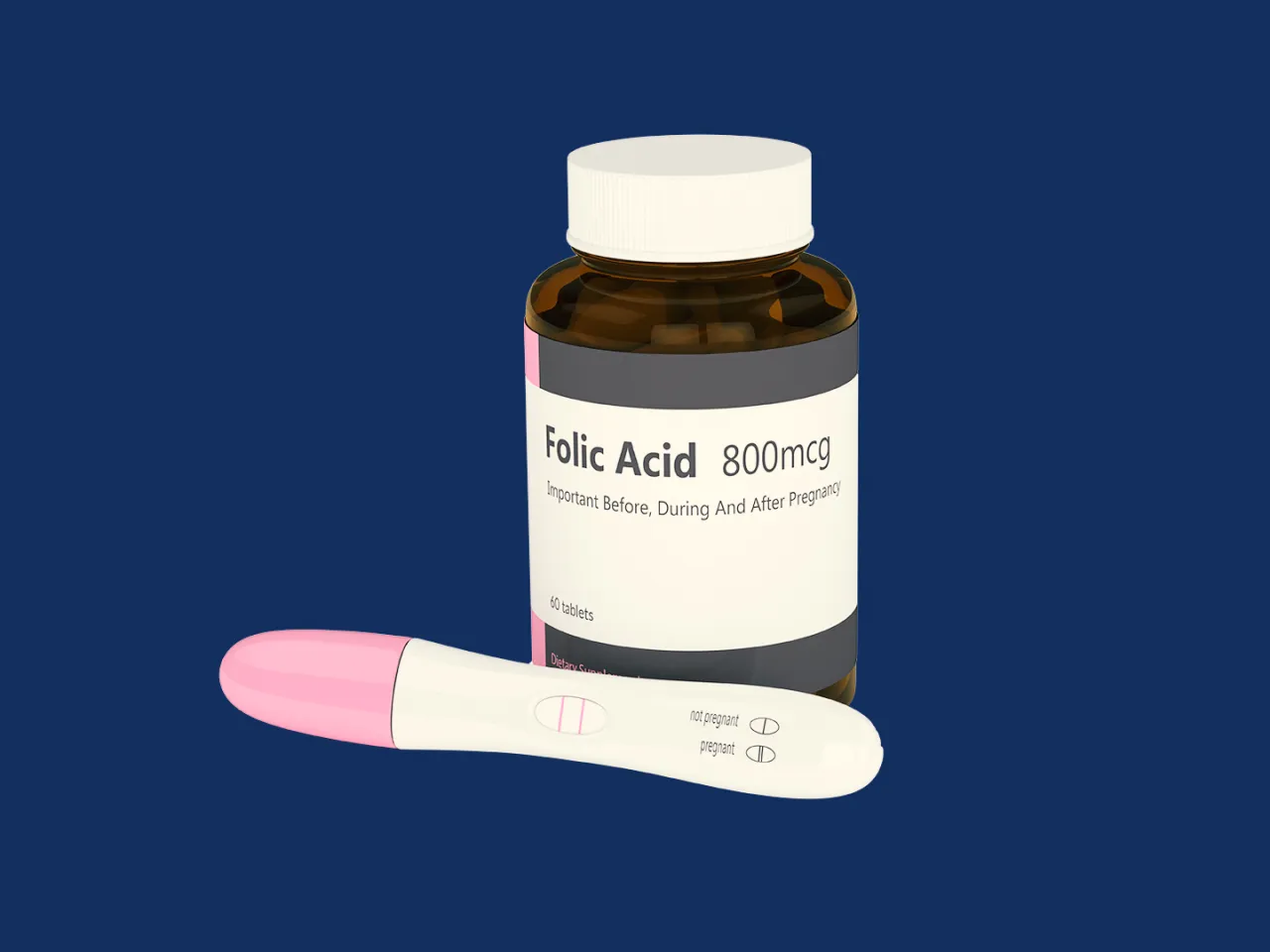
- Start Pre-Conception Folic Acid: Taking daily folic acid supplements (as recommended by your doctor) at least 1 to 3 months before conception supports early fetal nervous system development.
- Maintain Moderate Physical Exercise: Engaging in regular, moderate exercise like brisk walking, yoga, or swimming supports healthy pelvic circulation and metabolic balance.
When Should I See a Gynecologist in Vizag?
You should consult a gynaecologist whenever you plan to start trying for a baby, or if you notice changes in your cycle rhythm. Seeking guidance from an experienced lady gynecologist Visakhapatnam early ensures that baseline health checks are complete and any subtle hormonal shifts are addressed proactively.
How Early Should I Start Prenatal Care in Visakhapatnam?
Pre-conception care ideally begins 3 to 6 months before you attempt to conceive. Once you achieve a positive pregnancy test, scheduling your first early prenatal visit between 5 and 8 weeks with a pregnancy doctor Visakhapatnam allows for timely ultrasound confirmation and early blood health monitoring.
Frequently Asked Questions
How long should we try to conceive before seeing a doctor?
If the woman is under 35 years old, doctors recommend trying naturally for 12 months before seeking an evaluation. If she is 35 or older, a consultation is recommended after 6 months of trying.
Can irregular periods make it difficult to get pregnant?
Yes, irregular periods often indicate inconsistent or absent ovulation (anovulation), making it difficult to predict your fertile window. Identifying the root cause, such as PCOS or thyroid imbalance, helps restore regular cycles.
Should both partners be tested during a fertility evaluation?
Yes, absolutely. Male factors contribute to approximately 40% to 50% of all conception delays. A basic semen analysis is a simple, non-invasive first step in evaluating couple fertility.
Which doctor should I see for fertility evaluation in Vizag?
You should consult an experienced gynaecologist and reproductive health expert in Visakhapatnam. Doctors like Dr. Devani Chalamuri at Vedanta Speciality Clinics in Madhurawada offer complete pre-conception and fertility evaluations.
Does seeing a fertility specialist mean we automatically need IVF?
Not at all. The majority of couples who consult a specialist achieve successful pregnancies through simpler treatments, such as lifestyle optimization, ovulation induction medications, or follicular tracking.
How early should I start pre-conception care in Visakhapatnam?
It is ideal to schedule a pre-conception visit 3 to 6 months before trying to conceive. This allows time to check blood counts, start prenatal folic acid, and address any underlying hormonal or thyroid shifts.
Can stress alone cause infertility?
While stress alone rarely causes permanent infertility, severe chronic stress can disrupt the brain-pituitary-ovarian axis, altering ovulation timing and reducing reproductive hormone levels.
Where can I get expert gynaecological and pre-conception care in Madhurawada?
Women and couples in Madhurawada and across northern Visakhapatnam can access dedicated pre-conception care and fertility evaluations at Vedanta Speciality Clinics with Dr. Devani Chalamuri.

Moving Forward on Your Conception Journey with Confidence
Understanding when should you consult a fertility specialist removes guesswork and transforms anxiety into constructive medical action. Reproductive delays are very common, highly manageable, and best approached with clear diagnostic insights and gentle medical support.
If you are experiencing any of these symptoms or timing milestones, Dr. Devani Chalamuri at Vedanta Speciality Clinics, Madhurawada, Vizag is available for a consultation — https://vedantaspecialityclinics.com/. Book your visit today to begin your personalized, supportive path toward parenthood.



Leave a Comment