
Table of Contents
What Is the Best Treatment for Infertility? A Complete Guide to Your Options
If you are asking what is the best treatment for infertility?, it helps to know right away that there is no single, one-size-fits-all answer. The most effective treatment is always the one tailored specifically to your body, your medical history, and the underlying reasons why conception hasn’t happened yet.
For many women, the solution is much simpler than they fear. It may involve balancing thyroid hormones, modifying diet to manage PCOS, or tracking ovulation cycles with gentle medical support. For others, advanced medical procedures provide a clear path forward.
The journey to parenthood can feel overwhelming, especially when navigating expectations from family and society in India. You might be feeling anxious, exhausted, or wondering if something is wrong with you. Please take a deep breath. Infertility is a very common biological challenge, and with modern medical care, millions of couples successfully build their families every year.
What Is Infertility?
Infertility is clinically defined by the World Health Organization (WHO) and the Federation of Obstetric & Gynaecological Societies of India (FOGSI) as the inability to achieve a clinical pregnancy after 12 months or more of regular, unprotected sexual intercourse. It is a medical condition involving the male or female reproductive system, not a personal failure or permanent limitation.

How Common Is Infertility Among Indian Women?
If you are struggling to conceive, you are far from alone. Clinical data shows that infertility affects approximately 10% to 15% of couples globally, and in India, recent estimates indicate that nearly 27.5 million couples are actively navigating fertility challenges.
In urban regions like Visakhapatnam, the prevalence of infertility is steadily rising due to factors such as changing dietary patterns, sedentary lifestyles, delayed marriage, chronic stress, and high rates of Polycystic Ovary Syndrome (PCOS).
Urban Indian Women Facing Infertility (~15-20%)
[██████████░░░░░░░░░░░░░░░░░░░░░░░░░░░░░░░░]
Despite how common it is, social stigma in Indian families often forces couples to suffer in silence or delay seeking expert guidance from an experienced lady gynecologist. Recognizing that infertility is simply a medical concern—much like diabetes or thyroid dysfunction—is the first empowering step toward finding a solution.
Early Signs and Symptoms You May Notice
Infertility itself often doesn’t have obvious outer physical signs. The main indicator is simply not getting pregnant despite trying. However, subtle body signals related to underlying reproductive issues may be present:
- Irregular or Absent Menstrual Cycles: Periods that arrive fewer than 21 days apart, more than 35 days apart, or stop completely.
- Extremely Painful or Heavy Periods: Severe pelvic cramping during menstruation that interferes with daily tasks, which could suggest endometriosis or fibroids.
- Signs of Hormonal Imbalance: Unexplained weight gain, severe facial acne, or excess facial and body hair (hirsutism), often linked to PCOS.
- Pain During Intercourse: Discomfort or deep pelvic pain during intimate moments.
- Noticeable Hair Thinning: Scalp hair shedding or thinning along the crown.
- Changes in Sexual Desire: Significant changes in libido caused by underlying endocrine shifts or emotional stress.
What Causes Infertility? Understanding the Root Factors
Conception is a complex biological sequence where several conditions must line up correctly: an egg must be released, healthy sperm must reach it, and the fertilized embryo must implant securely in the uterus. A disruption at any point can prevent pregnancy.
1. Ovulatory Disorders (PCOS & Anovulation)
Hormonal conditions like Polycystic Ovary Syndrome (PCOS) are among the leading causes of female infertility in South India. PCOS prevents the ovaries from regularly maturing and releasing eggs (ovulation). Thyroid imbalances (hypothyroidism or hyperthyroidism) and elevated prolactin levels can also disrupt normal ovulation.
2. Tubal Blockage or Structural Issues
The fallopian tubes are where fertilization occurs. If the tubes are blocked or damaged due to pelvic inflammatory disease (PID), past pelvic surgeries, or conditions like pelvic tuberculosis, the egg and sperm cannot meet. Similarly, uterine abnormalities such as fibroids, polyps, or scar tissue can interfere with embryo implantation.
3. Endometriosis
Endometriosis occurs when tissue similar to the lining of the uterus grows outside the uterus—on the ovaries, fallopian tubes, or pelvic lining. This can cause chronic inflammation, pelvic adhesions, scar tissue, and severe pain during periods.
4. Male Factor Infertility
It is vital to understand that infertility is equally distributed between genders. In approximately 40% to 50% of couples struggling to conceive, male factor issues—such as low sperm count, poor sperm motility (movement), or abnormal sperm structure—are a contributing or primary cause.
5. Age-Related Ovarian Reserve Decline
While women are born with all the eggs they will ever have, both egg quantity and cellular quality naturally decline over time, particularly after age 35. This makes early evaluation essential if you are planning a pregnancy later in your 30s.
6. Modern Lifestyle Factors & Unexplained Infertility
High workplace stress, erratic sleep patterns, lack of exercise, poor nutrition, and exposure to environmental toxins can affect egg and sperm health. In about 10% to 15% of couples, standard clinical tests show normal results, which is categorized as unexplained infertility.
How Is Infertility Diagnosed?
A thorough fertility assessment should be calm, supportive, and structured. Rather than overwhelming you with endless tests, a women’s health specialist will walk you and your partner through a step-by-step diagnostic evaluation:
- Detailed Health History: Discussing your menstrual cycle patterns, past medical conditions, lifestyle habits, and sexual history.
- Hormonal Blood Tests: Evaluating key reproductive hormones including Anti-Müllerian Hormone (AMH to check ovarian reserve), Thyroid Stimulating Hormone (TSH), Prolactin, and FSH/LH.
- Pelvic Ultrasound Scan: A routine transvaginal ultrasound to check the health of your uterus, assess your endometrial lining, and count antral follicles in the ovaries.
- Tubal Evaluation (HSG Test): A specialized X-ray called a Hysterosalpingogram (HSG) or a sonohysterogram to confirm that your fallopian tubes are open and clear.
- Semen Analysis for the Partner: A quick, routine test to analyze sperm count, movement, and shape.

Overview of Treatment Options
When exploring what is the best treatment for infertility?, remember that treatment is always stepped. Medical guidelines emphasize starting with the least invasive, most natural options whenever clinically appropriate.
| Treatment Category | How It Works | Best Suited For |
| Lifestyle & Hormonal Care | Diet optimization, exercise, stress relief, and thyroid or insulin regulation. | Mild PCOS, weight-related irregular cycles, or mild hormonal shifts. |
| Ovulation Induction (OI) | Oral medications (like clomiphene or letrozole) or mild injections to stimulate egg growth. | Women with irregular ovulation or PCOS who have open fallopian tubes. |
| Intrauterine Insemination (IUI) | Processed, high-quality sperm is placed directly inside the uterus around the time of ovulation. | Mild male factor infertility, unexplained infertility, or hostile cervical mucus. |
| In Vitro Fertilization (IVF) | Eggs and sperm are combined in a specialized lab; the resulting embryo is transferred to the uterus. | Blocked fallopian tubes, severe male factor issues, advanced age, or severe endometriosis. |
| Surgical Interventions | Minimally invasive hysteroscopy or laparoscopy to clear fibroids, polyps, or scar tissue. | Structural uterine defects, tubal blockages, or severe endometriosis. |
When Should You See a Doctor?
Knowing when to consult an expert can save you months of anxiety and protect your reproductive timeline. According to medical guidelines from FOGSI and ACOG, you should schedule a fertility consultation if:
- You are under 35 years old and have been trying to conceive for 12 months without success.
- You are 35 years or older and have been trying for 6 months without success.
- You have a history of irregular, missing, or very painful menstrual cycles.
- You have been diagnosed with PCOS, thyroid disorders, or pelvic infections.
- You have experienced two or more consecutive pregnancy losses.
If you recognize any of these circumstances in your journey, speaking with an experienced obstetrician in Vizag is a constructive next step. Dr. Devani Chalamuri at Vedanta Speciality Clinics in Madhurawada, Vizag specializes in reproductive health, PCOS, and infertility management, offering evidence-based, empathetic care tailored to women and couples across Visakhapatnam.
Frequently Asked Questions
What is the best treatment for infertility in women?
The best treatment depends entirely on the root cause identified during diagnostic testing. For hormonal issues like PCOS, lifestyle changes and simple ovulation induction medications are often very effective. For structural concerns like blocked fallopian tubes, treatments such as IUI or IVF may be recommended.
How early should I see a pregnancy doctor in Visakhapatnam if I am planning to conceive?
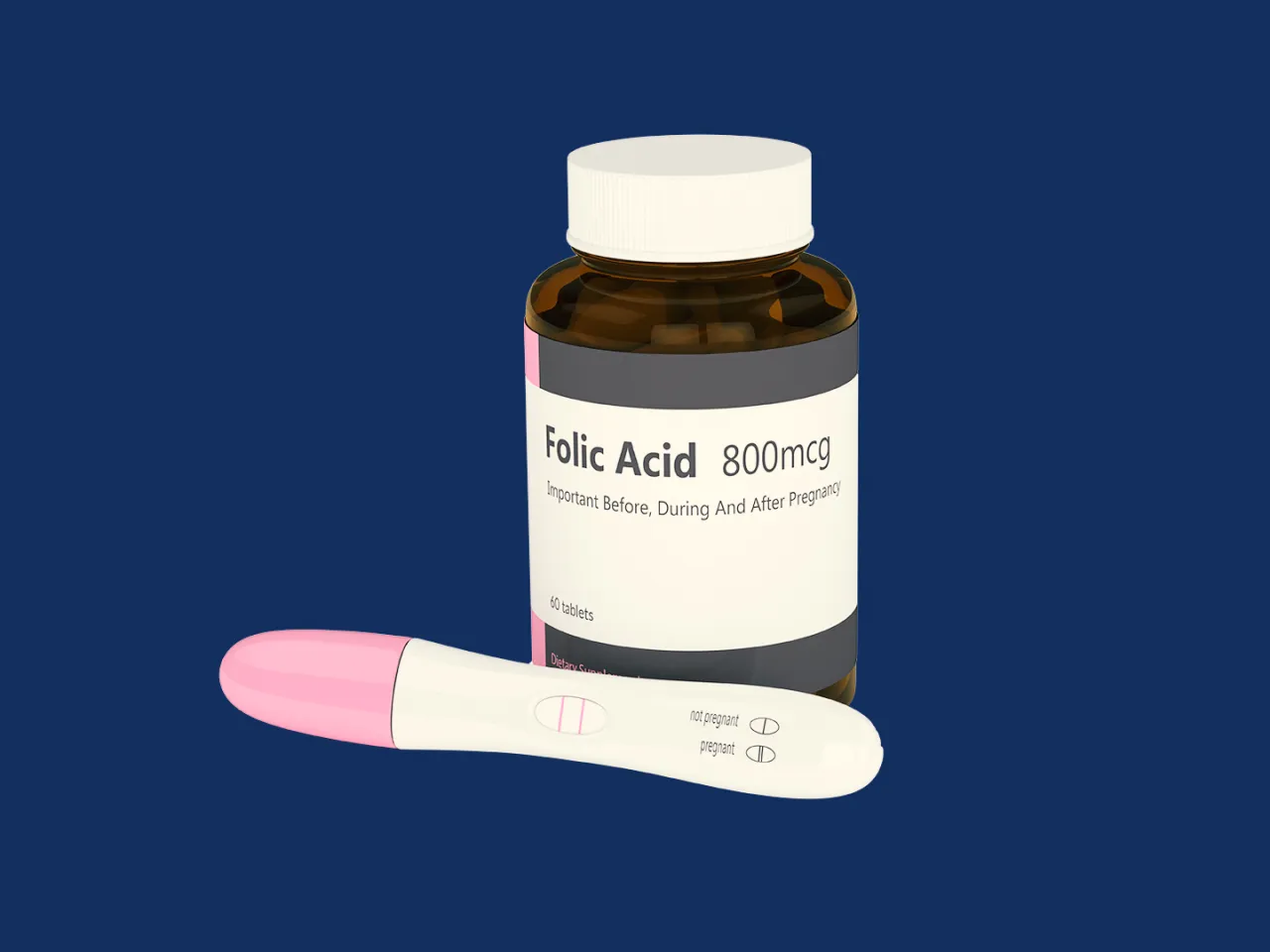
It is ideal to see a pregnancy doctor in Visakhapatnam for preconception counseling 3 to 6 months before trying. This allows your doctor to check your blood count, optimize folic acid levels, review your thyroid function, and address any underlying hormonal imbalances early.
Can PCOS cause infertility, and can it be treated naturally?
Yes, PCOS is one of the most common causes of female infertility because it causes irregular or absent ovulation. While PCOS is a lifelong metabolic trait, its impact on fertility can often be managed through balanced nutrition, exercise, stress management, and targeted ovulation medications.
Which doctor should I consult for fertility issues in Vizag?
You should consult a qualified lady gynecologist and reproductive health specialist. Dr. Devani Chalamuri at Vedanta Speciality Clinics in Madhurawada provides compassionate, thorough fertility evaluations and customized treatment plans for couples in Vizag.
Is IVF always necessary if a couple is facing infertility?
No, IVF is usually reserved for specific conditions like blocked fallopian tubes, severe male factors, or after simpler methods haven’t worked. The majority of couples who seek medical help conceive using simpler treatments like ovulation induction, timed intercourse guidance, or IUI.
Can stress cause delay in getting pregnant?
Yes. High levels of physical or emotional stress increase hormones like cortisol and adrenaline, which can interfere with the signals between your brain and ovaries. This can cause delayed ovulation or irregular cycles.
Can I get complete fertility diagnostic testing in Madhurawada?
Yes, women living in Madhurawada and nearby areas of Vizag can access hormonal testing, follicular tracking ultrasounds, and complete preconception evaluations locally at Vedanta Speciality Clinics.
Is the partner’s testing compulsory during an infertility consultation?
Yes, testing the partner is essential. Because male factors account for nearly half of all fertility challenges, performing a simple semen analysis early on avoids unnecessary delays and ensures both partners receive the right care.

Taking the First Step Toward Parenthood
Navigating fertility questions can feel emotionally tiring, but you do not have to walk this path alone or in silence. Modern medicine offers many gentle, effective options to help you realize your dream of expanding your family.
Remember, seeking medical guidance isn’t a sign of defeat—it is simply giving your body the support it needs. If you are experiencing difficulties conceiving or want to understand your reproductive health better, Dr. Devani Chalamuri at Vedanta Speciality Clinics, Madhurawada, Vizag is available for a personalized consultation.


Leave a Comment