
Table of Contents
Foods That Improve Fertility: Science-Backed Nutritional Guidance
The journey toward conception is influenced by a complex interplay of genetics, environment, and lifestyle. Among these, nutrition stands as a powerful, modifiable factor that directly impacts reproductive outcomes. Understanding which foods that improve fertility are most effective involves looking at how specific nutrients modulate hormonal balance, improve oocyte (egg) quality, and enhance the uterine environment. Clinically, a “fertility diet” is not a temporary fix but a strategy to reduce systemic inflammation and oxidative stress.
For individuals in Visakhapatnam navigating reproductive challenges, the search for a gynaecologist near me often leads to discussions about lifestyle optimization. While advanced medical interventions are sometimes necessary, providing the body with the correct biochemical building blocks can significantly augment clinical treatments. This guide explores the nutritional science behind fertility and offers practical, evidence-based dietary recommendations for those planning a pregnancy.
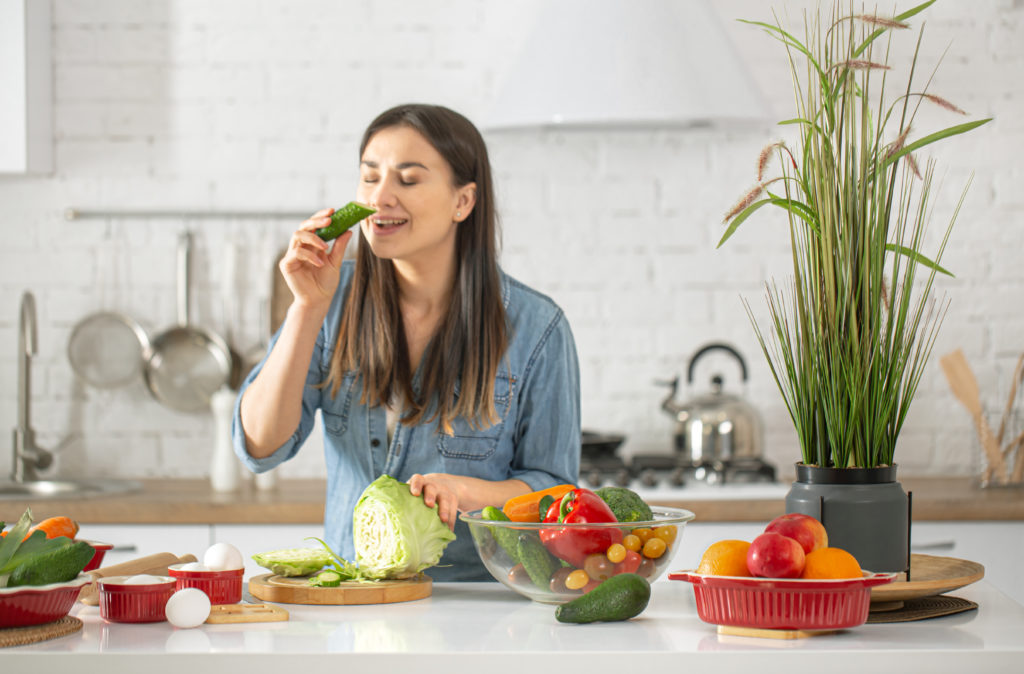
Overview of Nutrition and Reproductive Health
How does diet affect fertility? Research suggests that a Mediterranean-style eating pattern—rich in vegetable proteins, monounsaturated fats, and high-fiber carbohydrates—is associated with higher rates of natural conception and success in assisted reproductive technologies (ART).
The primary goals of a fertility-focused diet include:
- Regulation of Insulin Levels: Preventing spikes that disrupt ovulation.
- Reduction of Oxidative Stress: Protecting eggs and sperm from DNA damage.
- Hormonal Precursor Provision: Ensuring adequate healthy fats for hormone synthesis.
- Blood Flow Enhancement: Supporting a healthy endometrial lining.
Key Nutrients and Foods That Improve Fertility
1. Antioxidant-Rich Fruits and Vegetables
Oxidative stress is a leading cause of diminished egg quality. Foods high in Vitamin C, Vitamin E, and Beta-carotene help neutralize free radicals.
- Berries: Blueberries and raspberries are packed with anti-inflammatory phytonutrients.
- Leafy Greens: Spinach and kale provide folate (Vitamin B9), which is essential for preventing neural tube defects and supporting healthy ovulation.
2. Complex Carbohydrates and Insulin Sensitivity
The “Fertility Diet” study by Harvard researchers highlighted the importance of the glycemic index.
- Whole Grains: Brown rice, quinoa, and oats digest slowly, preventing the insulin spikes that can lead to androgen excess and ovulatory dysfunction, particularly in those with PCOS.
- Legumes: Beans and lentils provide plant-based protein and fiber, which are linked to a lower risk of ovulatory infertility.
3. Essential Fatty Acids and Steroid Hormones
Hormones like estrogen and progesterone are synthesized from cholesterol.
- Fatty Fish: Salmon and mackerel provide Omega-3 fatty acids, which improve blood flow to the reproductive organs.
- Walnuts and Seeds: Chia and flaxseeds offer alpha-linolenic acid, supporting cellular membrane health.
- Avocados: A rich source of monounsaturated fats and Vitamin K.
4. High-Fat Dairy (In Moderation)
Interestingly, clinical data suggests that whole-milk dairy products may be more beneficial for fertility than low-fat alternatives. Low-fat dairy can shift the balance of sex hormones, potentially hindering ovulation, whereas full-fat versions support the delicate endocrine balance required for conception.
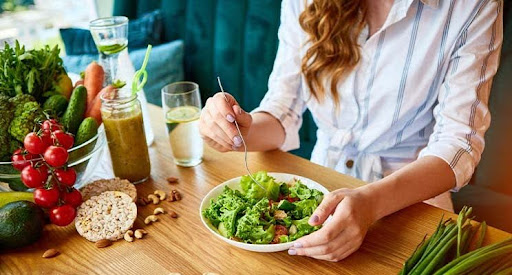
Key Insights: Practical Guidance for Preconception
To maximize reproductive potential in the Vizag region, consider these structured dietary shifts:
- Switch to Plant-Based Proteins: Replacing one serving of meat per day with beans, peas, or tofu can significantly reduce the risk of ovulatory infertility.
- Focus on Iron-Rich Foods: Non-heme iron from plant sources (like pumpkin seeds and fortified cereals) is associated with better fertility outcomes.
- Avoid Trans Fats: Found in many processed snacks, trans fats increase insulin resistance and are strongly linked to ovulatory issues.
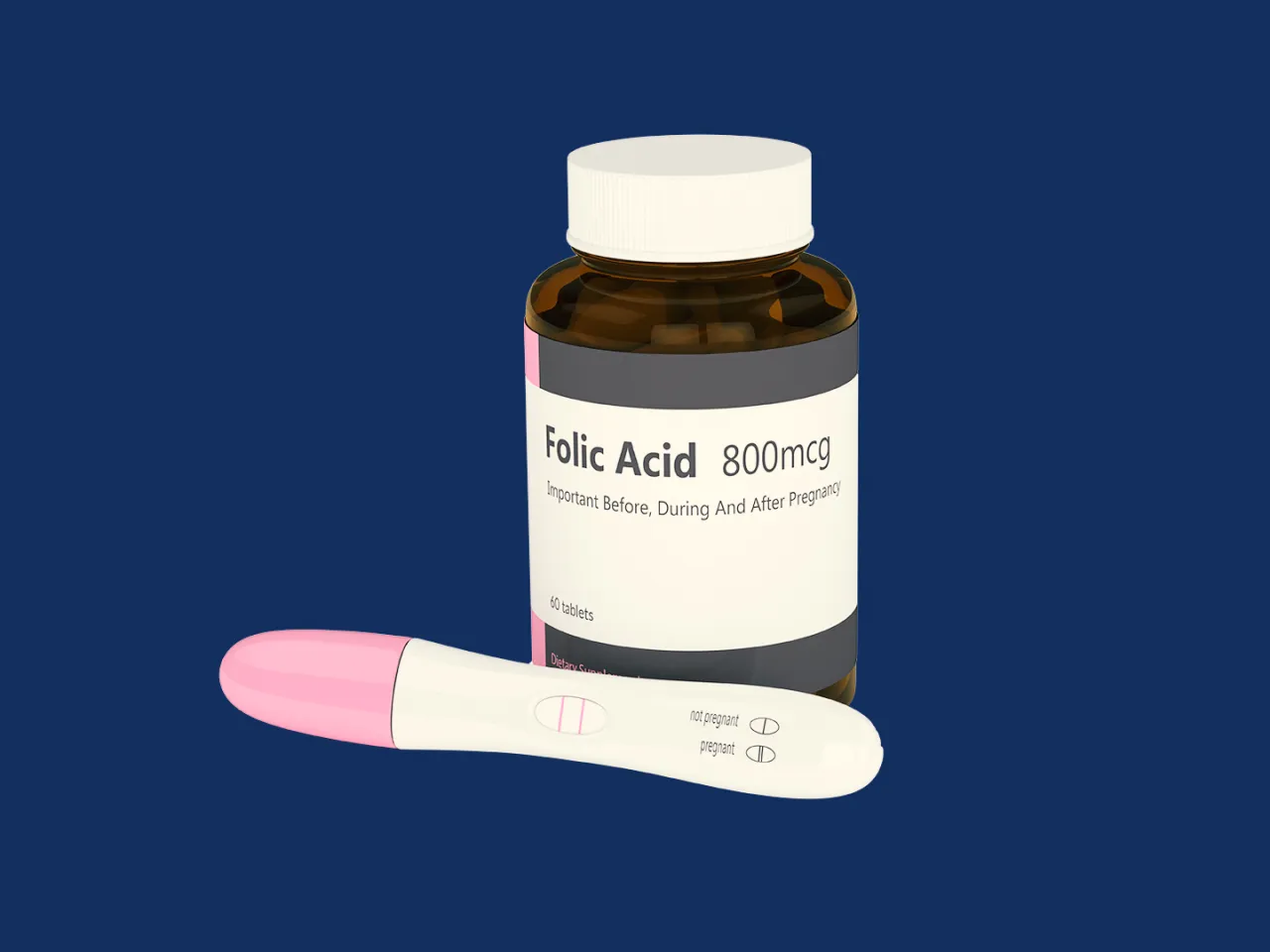
- Mindful Supplementation: While food comes first, a high-quality prenatal vitamin with at least 400mcg of folic acid is a non-negotiable clinical requirement.
When to Seek Medical Help
Dietary changes are a foundational support, but they do not replace clinical diagnosis. You should consult a women’s healthcare specialist if:
- Age Factors: You are over 35 and have not conceived after six months of trying.
- Cycle Irregularity: You have absent, irregular, or extremely painful periods.
- Pre-existing Conditions: You have a known diagnosis of PCOS, endometriosis, or thyroid disorders.
- Male Factor Concerns: If a partner has a history of testicular issues or abnormal semen analysis.
3. Visakhapatnam Women’s Healthcare
People in Visakhapatnam seeking women’s healthcare often consult qualified specialists to integrate nutritional strategies with reproductive medicine. Clinics in areas such as Madhurawada, MVP Colony, and Dwaraka Nagar provide access to diagnosis and treatment through advanced hormonal assays and follicular monitoring. Facilities like Vedanta Speciality Clinics are among those offering structured care for such conditions, helping the Vizag community navigate the path to parenthood with both clinical expertise and lifestyle guidance.
4. FAQ SECTION
Which specific fruits are best for improving fertility?
Berries, particularly blueberries and strawberries, are considered the best fruits for fertility due to their high antioxidant content. These antioxidants protect the eggs from oxidative damage. Citrus fruits are also beneficial as they are high in Vitamin C and polyamine putrescine, which may improve egg health.
Can certain foods improve male fertility as well?
Yes, male fertility is highly responsive to diet. Foods rich in Zinc (like pumpkin seeds), Selenium (Brazil nuts), and L-carnitine are essential for sperm motility and morphology. Lycopene, found in cooked tomatoes, has also been clinically shown to improve the overall quality and concentration of sperm.
Is caffeine intake harmful when trying to conceive?
High caffeine intake (over 300mg per day) has been linked to delayed conception and an increased risk of early pregnancy loss. Most gynaecologists recommend limiting caffeine to one small cup of coffee per day or switching to decaffeinated versions during the preconception and pregnancy phases.
How does alcohol impact fertility outcomes?
Alcohol can disrupt the delicate hormonal balance required for ovulation and can also decrease sperm counts in men. For those struggling with infertility, clinicians often recommend complete abstinence, as even moderate drinking can reduce the success rates of fertility treatments like IVF.
Are there any “superfoods” that boost fertility instantly?
While no single food acts as an instant “booster,” Maca root, Royal Jelly, and Bee Pollen are often cited in traditional medicine. However, clinical evidence is strongest for the Mediterranean diet as a whole. Consistency in eating nutrient-dense foods is more effective than any single “superfood.”
Should I avoid soy if I am trying to get pregnant?
In moderation, soy is generally safe for most women. However, because soy contains phytoestrogens, very high consumption might interfere with hormonal signaling in some individuals. If you have a history of estrogen-sensitive conditions, it is best to discuss your soy intake with your specialist.
5. CONCLUSION
In conclusion, the foods that improve fertility are those that promote systemic health, reduce inflammation, and stabilize blood sugar. While no diet can guarantee a pregnancy, a science-backed nutritional approach provides the most favorable environment for conception to occur. In Visakhapatnam, combining these healthy habits with expert medical oversight is the most effective way to navigate reproductive challenges. Seeking guidance from an experienced women’s healthcare specialist can help ensure proper diagnosis and personalized care.


Leave a Comment