

Table of Contents
Essential Nutrition Tips for Pregnancy: A Clinical Framework for Maternal Health
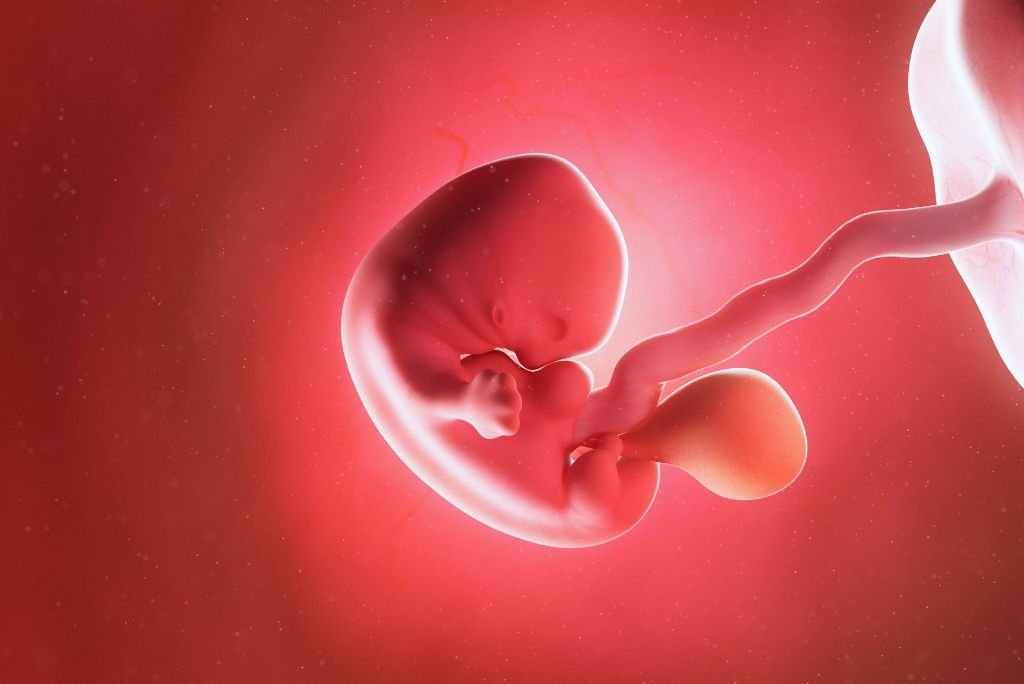
The prenatal period is a time of immense physiological transformation, where maternal dietary intake serves as the primary source of building blocks for fetal development. Implementing evidenced-based nutrition tips for pregnancy is not merely about increasing caloric intake, but about optimizing the nutrient density of every meal to support organogenesis, placental function, and maternal metabolic health. Clinical research consistently shows that proper prenatal nutrition reduces the risk of complications such as gestational diabetes, pre-eclampsia, and low birth weight.
For expectant mothers in Visakhapatnam, navigating these dietary requirements often starts with a consultation with a gynaecologist near me. In a coastal urban environment like Vizag, access to fresh, diverse food sources is an advantage, yet understanding the biochemical needs of the second and third trimesters is essential. This guide deconstructs the complexities of prenatal nutrition into actionable, clinical insights for a safer pregnancy journey.
Understanding Prenatal Nutritional Requirements
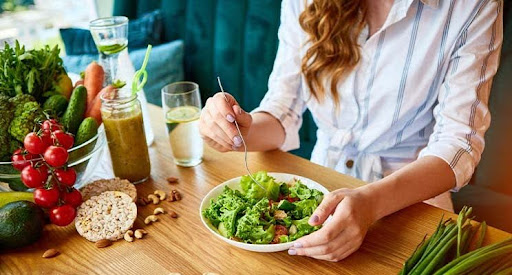
What are the most important nutrition tips for pregnancy? The foundation of a healthy pregnancy diet involves a balanced intake of macronutrients (proteins, fats, and complex carbohydrates) and micronutrients (vitamins and minerals). During pregnancy, the body requires an increase in specific nutrients: Folic Acid for neural tube development, Iron to support increased blood volume, Calcium for fetal skeletal growth, and DHA for brain development.
Key clinical goals of pregnancy nutrition include:
- Supporting Fetal Growth: Providing adequate amino acids and minerals.
- Maternal Tissue Expansion: Supporting the growth of the uterus and mammary glands.
- Placental Maintenance: Ensuring efficient nutrient transfer via healthy vascular function.
- Energy Reserve Accumulation: Preparing the maternal body for labor and lactation.
Core Nutrients and Their Physiological Impact
1. The Role of Folate and Folic Acid
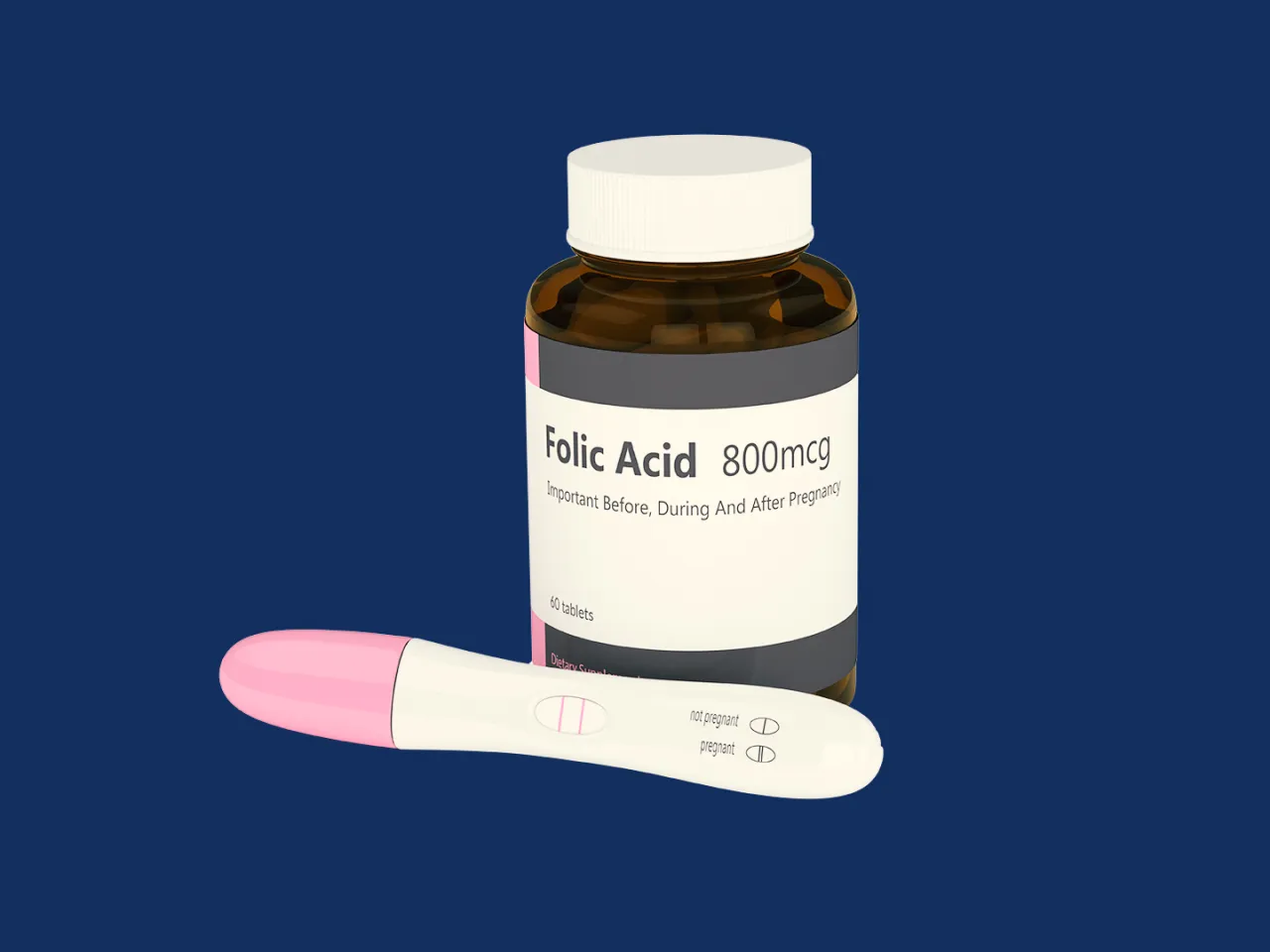
Folate (Vitamin B9) is critical during the first trimester. It is essential for DNA synthesis and the closure of the fetal neural tube. While green leafy vegetables are natural sources, clinicians typically recommend a 400–600 mcg supplement to ensure adequate levels during the earliest stages of gestation.
2. Iron and Blood Volume Expansion
Maternal blood volume increases by nearly 50% during pregnancy. This necessitates a significant uptick in iron intake to produce hemoglobin. A deficiency can lead to maternal anemia, resulting in fatigue and increased risks during delivery. Iron-rich foods should be paired with Vitamin C (like citrus fruits) to enhance absorption.
3. Calcium and Bone Integrity
If maternal calcium intake is insufficient, the body will “leach” calcium from the mother’s bones to provide for the fetus. To prevent long-term maternal bone density loss, consistent intake of dairy, fortified plant milks, or seeds like ragi (popular in Andhra Pradesh) is vital.
4. Omega-3 Fatty Acids (DHA/EPA)
Docosahexaenoic acid (DHA) is a structural component of the human brain and retina. Consuming low-mercury fish or algae-based supplements supports the cognitive and visual development of the fetus while potentially reducing the risk of postpartum depression in the mother.

Key Insights: Practical Guidance for Every Trimester
To manage maternal health effectively in Vizag, clinicians suggest the following structured approaches:
- Quality Over Quantity: The “eating for two” myth is scientifically inaccurate. Most women only need an extra 340–450 calories per day starting in the second trimester.
- The Power of Small, Frequent Meals: To combat morning sickness and acid reflux, shifting to 5–6 small meals can stabilize blood sugar and digestion.
- Hydration as a Priority: Aim for 2.5 to 3 liters of water daily. Proper hydration maintains amniotic fluid levels and prevents urinary tract infections (UTIs).
- Safe Food Handling: Avoid unpasteurized dairy, undercooked meats, and raw sprouts to minimize the risk of foodborne illnesses like Listeria or Salmonella, which can cross the placenta.
When to Seek Medical Help
Nutritional status is closely linked to medical complications. You should consult your specialist immediately if you experience:
- Hyperemesis Gravidarum: Severe, persistent vomiting that prevents any food or fluid retention.
- Sudden Weight Gain: Rapid swelling and weight gain (more than 1kg/week), which could indicate pre-eclampsia.
- Pica: Intense cravings for non-food items like clay, ice, or dirt, often a sign of severe iron deficiency.
- Gestational Diabetes Symptoms: Excessive thirst and frequent urination, necessitating a Glucose Tolerance Test (GTT).
- Significant Fatigue: Exhaustion that doesn’t improve with rest, potentially indicating clinical anemia.
3. Visakhapatnam women’s healthcare
People in Visakhapatnam seeking women’s healthcare often consult qualified specialists to ensure their nutritional and medical needs are met during pregnancy. Clinics in areas such as Madhurawada, MVP Colony, and Dwaraka Nagar provide access to diagnosis and treatment, including nutritional counseling and fetal growth monitoring. Facilities like Vedanta Speciality Clinics are among those offering structured care for such conditions, helping mothers in Vizag achieve optimal health outcomes through evidence-based prenatal support.

4. FAQ SECTION
Is it safe to drink tea or coffee during pregnancy?
Moderate caffeine consumption (under 200mg per day, roughly one 12oz cup) is generally considered safe. However, excessive caffeine is linked to lower birth weights and can interfere with calcium and iron absorption. Many clinicians recommend switching to herbal teas or decaffeinated versions after the first trimester.
Which fruits should be avoided during pregnancy?
While most fruits are healthy, some traditional advice suggests avoiding raw papaya and pineapple in early pregnancy due to enzymes like papain and bromelain, which may cause uterine contractions. However, in moderate, ripe amounts, most fruits are safe. Always wash fruits thoroughly to remove pesticides and bacteria.
How can I manage morning sickness through diet?
To manage nausea, prioritize bland, high-protein snacks like dry toast or ginger-infused water. Eating a small snack before getting out of bed in the morning can stabilize blood sugar. Avoiding spicy, greasy, or highly aromatic foods also helps reduce the trigger of the gag reflex.
Do I need to take supplements if I eat a healthy diet?
Even with a perfect diet, meeting the increased demands for iron and folic acid can be difficult. Most gynaecologists prescribe a prenatal multivitamin as an “insurance policy” to ensure the fetus receives consistent nutrient levels regardless of daily dietary fluctuations or appetite loss.
Can a vegetarian diet provide enough protein for pregnancy?
Yes, a vegetarian diet can support a healthy pregnancy if it includes diverse protein sources like lentils, chickpeas, paneer, eggs, and nuts. In Vizag, local staples like ragi and various pulses are excellent sources of both protein and minerals required for fetal growth.
Why is folic acid so important in the first month?
Folic acid is vital because the neural tube, which becomes the baby’s brain and spinal cord, closes within the first 28 days of pregnancy—often before a woman knows she is pregnant. It significantly reduces the risk of major birth defects like spina bifida.
5. CONCLUSION
In conclusion, following scientifically backed nutrition tips for pregnancy is the most proactive step an expectant mother can take for her child’s future. By focusing on nutrient density, staying hydrated, and monitoring clinical signs of deficiencies, you create an optimal environment for growth. In Visakhapatnam, combining local fresh produce with professional medical oversight ensures a balanced approach to maternal wellness. Seeking guidance from an experienced women’s healthcare specialist can help ensure proper diagnosis and personalized care.


Leave a Comment