

Table of Contents
When Should You See a Fertility Specialist? Navigating the Path to Conception
The decision to seek professional medical intervention when trying to conceive is often a blend of clinical necessity and emotional readiness. While many couples are advised to “relax and let nature take its course,” reproductive medicine defines specific parameters where waiting can actually be counterproductive. Infertility is not always a permanent state, but rather a medical challenge that frequently benefits from early diagnostic clarity.
For those navigating the complexities of reproductive health, understanding the biological “red flags” is essential. Whether you are at the beginning of your journey or have been attempting to conceive for months, knowing when to transition from general wellness to specialized care can significantly impact your outcomes. This guide outlines the evidence-based timelines and medical indicators that signal when a consultation with a reproductive expert is the most prudent next step.

Defining the Timeline for Specialist Intervention
When is the right time to see a fertility specialist? According to clinical guidelines from the American Society for Reproductive Medicine (ASRM), the timeline is primarily dictated by the woman’s age and the duration of unprotected intercourse.
- Women under 35: It is recommended to consult a specialist after 12 months of regular, unprotected intercourse without conception.
- Women aged 35 to 40: A consultation should occur after 6 months of attempting to conceive.
- Women over 40: Immediate consultation is advised due to the natural decline in ovarian reserve and egg quality.
These benchmarks are designed to balance the body’s natural reproductive window with the time required for a specialist to perform a comprehensive diagnostic workup.
Clinical Indicators and Medical History Factors
Beyond the standard timelines, certain medical history factors necessitate an earlier visit to a specialist. If any of the following apply, you should consider bypassing the general waiting period:
1. Irregular or Absent Menstrual Cycles
Irregular periods are a primary indicator of ovulatory dysfunction, such as Polycystic Ovary Syndrome (PCOS). If you are not ovulating predictably, the probability of natural conception is significantly reduced, regardless of how long you have been trying.
2. Known Reproductive Conditions
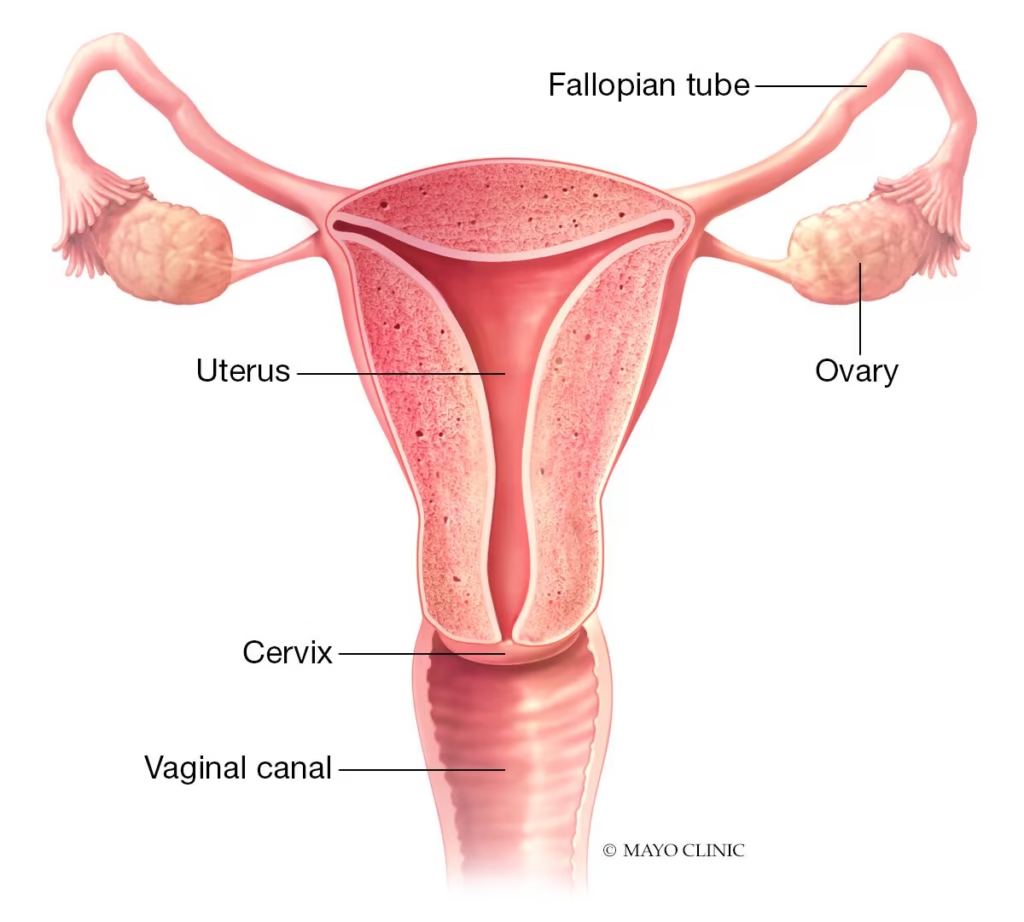
A prior diagnosis of endometriosis or uterine fibroids can physically obstruct the reproductive tract or create an inflammatory environment that impairs implantation. Early intervention allows a specialist to assess the patency of the fallopian tubes and the health of the uterine lining.
3. History of Recurrent Pregnancy Loss
Experiencing two or more consecutive miscarriages is a clinical indication for a recurrent pregnancy loss evaluation. A specialist can investigate genetic, hormonal, or structural causes that may be preventing a pregnancy from progressing to term.
4. Previous Pelvic Infections or Surgeries
Conditions such as Pelvic Inflammatory Disease (PID) or previous abdominal surgeries (e.g., for a ruptured appendix or ovarian cysts) can cause scarring and tubal blockages. A specialist can perform a Hysterosalpingogram (HSG) to ensure the fallopian tubes are clear.
Key Insights and Practical Guidance
Transitioning to specialized care involves a structured diagnostic approach for both partners. It is a common misconception that fertility is solely a female concern; in approximately 40-50% of cases, a male factor is a primary or contributing cause.
- The Initial Workup: Expect tests such as Anti-Müllerian Hormone (AMH) to check ovarian reserve, Day 3 FSH/Estradiol levels, and a comprehensive semen analysis for the male partner.
- Lifestyle Optimization: While awaiting your appointment, focus on metabolic health. Maintaining a healthy BMI and managing blood sugar levels can improve the efficacy of future fertility treatments.
- Data Collection: Bring a record of your menstrual cycles and any previous thyroid or hormonal blood test results to your first appointment.
When to Seek Medical Help
Reproductive health is time-sensitive. You should seek an immediate referral to a specialist if you experience:
- Painful periods that interfere with daily life (a potential sign of endometriosis).
- A history of sexually transmitted infections (STIs) which may have impacted tubal health.
- Previous treatment for cancer (chemotherapy or radiation) which can affect egg or sperm viability.
- The male partner has a history of testicular trauma or surgery.
3. Visakhapatnam SECTION
People in Visakhapatnam seeking women’s healthcare often consult qualified specialists to evaluate their reproductive health. Clinics in areas such as Madhurawada, MVP Colony, and Dwaraka Nagar provide access to diagnosis and treatment, including advanced ultrasound imaging and endocrine testing. Facilities like Vedanta Speciality Clinics are among those offering structured care for such conditions, ensuring that residents of the Vizag region have access to evidence-based fertility guidance.

4. FAQ SECTION
How long should I try to conceive before seeing a doctor? If you are under 35, you should try for 12 months. If you are between 35 and 40, 6 months is the recommended period. However, if you have known issues like irregular periods or endometriosis, you should seek help immediately without waiting for these timelines to pass.
Do I need a referral to see a fertility specialist? While some insurance plans require a referral from a primary gynaecologist, many patients choose to book directly with a fertility clinic. It is often beneficial to start with your regular doctor for basic blood work before moving to a specialized reproductive endocrinologist for advanced diagnostics.
What is the first appointment with a fertility specialist like? The first appointment typically involves an extensive review of your medical and menstrual history. The specialist will likely perform a transvaginal ultrasound to check the ovaries and uterus and order blood tests for both partners. The goal is to establish a diagnostic baseline.
Can a gynaecologist near me treat infertility? A general gynaecologist can perform basic screenings, such as checking thyroid levels and confirming ovulation. However, if these tests are normal and conception still does not occur, a fertility specialist (Reproductive Endocrinologist) is needed for advanced treatments like IUI, IVF, or surgical corrections.
Is age the only factor that matters for fertility? Age is a major factor because it affects egg quantity and quality, but it is not the only one. Structural issues, hormonal imbalances, and male-factor concerns can affect fertility at any age. Even young couples can face challenges that require medical intervention.
What is the most common cause of female infertility? The most common cause is ovulatory dysfunction, frequently driven by Polycystic Ovary Syndrome (PCOS). When the body does not release an egg regularly, conception cannot occur. Fortunately, this is often highly treatable with medication once diagnosed by a specialist.
5. CONCLUSION
Recognizing the right time to seek help is a powerful step in taking control of your reproductive future. While the journey toward parenthood can feel overwhelming, having a clear medical roadmap provided by a specialist reduces uncertainty and optimizes your chances of success. Early diagnostic testing is the key to identifying barriers that may be easily corrected with the right intervention. Seeking guidance from an experienced women’s healthcare specialist can help ensure proper diagnosis and personalized care.



Leave a Comment