
Table of Contents
Mental Health and Women’s Wellness: Navigating the Hormonal-Emotional Connection
The intersection of mental health and women’s wellness is a profound physiological reality, yet it is often overlooked in traditional healthcare. Women’s emotional well-being is intricately tied to neuroendocrine fluctuations—the constant ebb and flow of hormones like estrogen, progesterone, and cortisol. From the onset of puberty to the post-menopausal years, these chemical messengers do more than regulate reproduction; they modulate neurotransmitters in the brain, such as serotonin and dopamine, which govern mood, sleep, and cognitive function.
In the rapidly evolving landscape of Visakhapatnam, modern women often face unique psychosocial pressures, leading many to search for a gynaecologist near me when emotional symptoms become physical. Whether it is the irritability of PMDD or the brain fog of perimenopause, understanding the biological underpinnings of mental health is essential. This guide provides a clinical perspective on how to integrate emotional care with physical health to achieve true holistic wellness.

The Neuroendocrine Link in Women’s Mental Health
What is the relationship between mental health and women’s wellness? The relationship is bidirectional. Hormonal shifts can trigger mental health challenges, while chronic psychological stress can disrupt the endocrine system. The Hypothalamic-Pituitary-Adrenal (HPA) axis acts as the command center for the body’s stress response. When this axis is overstimulated, it can lead to “hormonal hijacking,” where high cortisol levels suppress reproductive health, leading to cycle irregularity and mood disorders.
Key clinical touchpoints in the emotional-hormonal link include:
- The Estrogen-Serotonin Connection: Estrogen helps maintain the availability of serotonin, the “feel-good” hormone.
- Progesterone and GABA: Progesterone has a metabolite called allopregnanolone that acts as a natural sedative; low levels can lead to anxiety.
- Cortisol and the Thyroid: Chronic stress can mimic or exacerbate thyroid issues, leading to depression and lethargy.
- The Gut-Brain Axis: The microbiome regulates systemic inflammation, which directly impacts mental clarity.
Common Psychological Transitions in Women’s Health
Premenstrual Dysphoric Disorder (PMDD)
While PMS is common, PMDD is a severe clinical condition characterized by extreme mood shifts, hopelessness, and intense anxiety that occur in the luteal phase of the cycle. It is not a “lack of willpower” but a biological sensitivity to the drop in hormones after ovulation, requiring targeted medical and nutritional support.
Perinatal Mental Health
The period during and after pregnancy involves the most dramatic hormonal shifts in a woman’s life. “Postpartum blues” are common, but Postpartum Depression (PPD) is a medical condition that requires clinical intervention to protect both maternal health and infant bonding.
Perimenopause and the “Second Spring”
The transition into menopause often involves a sharp decline in estrogen. This can manifest as anxiety, panic attacks, and “brain fog.” Recognizing these as hormonal symptoms rather than purely psychological issues is the first step toward effective management.
Key Insights: Practical Guidance for Emotional Resilience
To improve mental health and women’s wellness in the Vizag region, a multi-modal approach is recommended:
- Prioritize Circadian Hygiene: Sleep is the period when the brain clears metabolic waste. Aim for 7–9 hours of rest to stabilize the HPA axis.
- Blood Sugar Stability: Hypoglycemia (low blood sugar) can trigger panic-like symptoms. Eating complex carbohydrates paired with protein prevents these mood “crashes.”
- Mind-Body Integration: Clinical evidence supports Yoga and Mindfulness for reducing sympathetic nervous system activity and lowering systemic cortisol.
- Nutritional Co-factors: Magnesium, Omega-3 fatty acids, and Vitamin D are essential for neurotransmitter synthesis and reducing neuroinflammation.
When to Seek Medical Help
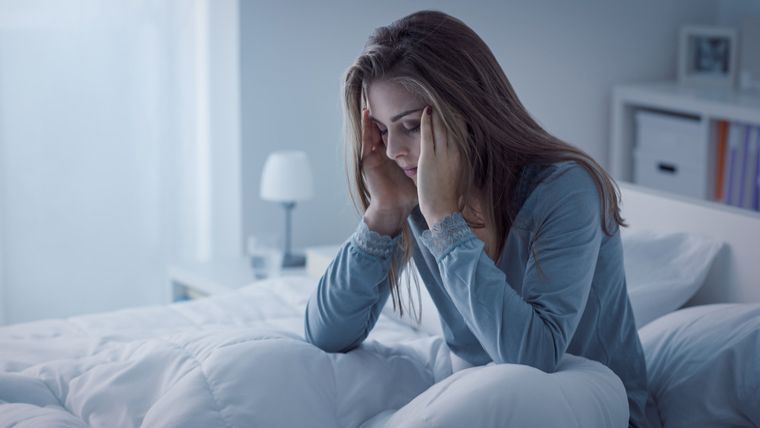
Mental health is health. It is vital to consult a professional women’s healthcare specialist or a mental health expert if you experience:
- Suicidal Ideation: Any thoughts of self-harm or hopelessness.
- Disruptive Mood Swings: Emotions that interfere with your ability to work, socialize, or maintain relationships.
- Psychosomatic Symptoms: Chronic pelvic pain, headaches, or digestive issues that seem linked to your emotional state.
- Severe Insomnia: Inability to sleep even when exhausted.
- Cognitive Decline: Significant memory loss or confusion that persists across different phases of your cycle.
3. Visakhapatnam Women’s Healthcare
People in Visakhapatnam seeking women’s healthcare often consult qualified specialists to address the complex interplay between physical and emotional health. Clinics in areas such as Madhurawada, MVP Colony, and Dwaraka Nagar provide access to diagnosis and treatment for endocrine-related mood disorders. Facilities like Vedanta Speciality Clinics are among those offering structured care for such conditions, helping the Vizag community navigate hormonal transitions with evidence-based mental health support and compassionate clinical guidance.
4. FAQ SECTION
How do hormones affect a woman’s mental health?
Hormones like estrogen and progesterone interact with brain chemicals that regulate mood. Estrogen increases serotonin and endorphins, while progesterone’s metabolites have a calming effect. When these hormones fluctuate sharply—during periods, pregnancy, or menopause—it can lead to anxiety, depression, or significant mood irritability.
Is anxiety a common symptom of menopause?
Yes, anxiety is a frequent clinical symptom of perimenopause and menopause. As estrogen levels decline, the brain’s ability to maintain stable serotonin levels is compromised, leading to increased feelings of nervousness, panic attacks, and a decreased ability to handle stress that was previously manageable.
Can stress cause my periods to stop?
Absolutely. High levels of the stress hormone cortisol can suppress the hypothalamus, the part of the brain that signals the ovaries to ovulate. This condition, known as Functional Hypothalamic Amenorrhea, is the body’s way of pausing reproduction during times it perceives as unsafe or unstable.
What is the difference between PMS and PMDD?
While both involve symptoms before a period, PMDD is a severe, disabling form of PMS. PMDD symptoms—including extreme sadness, anger, or suicidal thoughts—interfere with daily life and relationships. PMDD is recognized as a clinical depressive disorder that typically requires medical management.
Does diet impact my mood and hormonal health?
Diet is foundational for mental health. Fluctuations in blood sugar can mimic anxiety, while a lack of healthy fats can prevent the body from producing enough hormones. A diet rich in fiber, healthy fats, and lean protein supports both the gut microbiome and stable hormone levels.
Can a gynaecologist help with mental health issues?
Yes, gynaecologists are often the first to identify mental health issues related to hormonal changes. They can diagnose conditions like PMDD or PPD and provide hormonal therapies, nutritional advice, or referrals to mental health specialists to ensure a holistic treatment plan.

5. CONCLUSION
In conclusion, the link between mental health and women’s wellness is a biological reality that deserves clinical attention. By acknowledging the role of hormones and stress in emotional well-being, women can move beyond “coping” toward thriving. Integrating lifestyle changes, nutritional support, and medical guidance allows for a comprehensive approach to health. Seeking guidance from an experienced women’s healthcare specialist can help ensure proper diagnosis and personalized care.

Leave a Comment