
Table of Contents
Postpartum Fitness Guide: A Clinical Approach to Physical Recovery
The transition into the postpartum period, often referred to as the “fourth trimester,” involves profound physiological and structural changes. Following childbirth, the body requires a structured, evidence-based approach to movement to ensure long-term musculoskeletal and pelvic health. A postpartum fitness guide is not merely about returning to a pre-pregnancy weight; it is a clinical roadmap for rehabilitating the core, stabilizing the pelvis, and managing the hormonal shifts that follow delivery.
For many women in Visakhapatnam, the desire to resume physical activity is high, yet navigating the complexities of healing—especially after a C-section or assisted delivery—requires professional oversight. Searching for a gynaecologist near me is the essential first step to obtaining clinical clearance. In the coastal urban environment of Vizag, where humidity and lifestyle demands vary, understanding the mechanics of “rehab before fitness” is vital for preventing long-term complications such as pelvic organ prolapse or chronic back pain.
Defining Postpartum Recovery
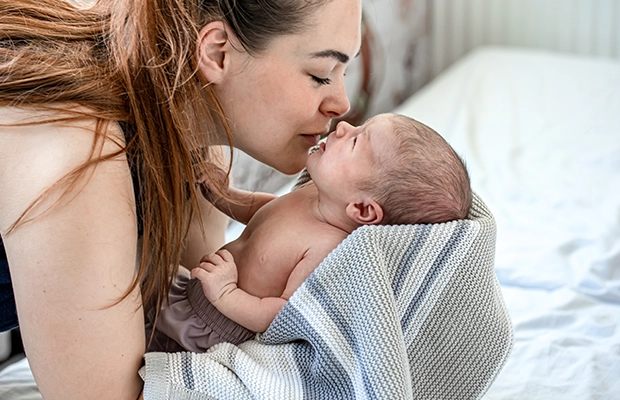
What is the safest way to start postpartum fitness? Clinical recovery begins with pelvic floor rehabilitation and diastasis recti screening rather than traditional high-impact aerobics. The American College of Obstetricians and Gynecologists (ACOG) suggests that if the pregnancy and delivery were uncomplicated, light movement can begin within days. However, high-intensity training should typically wait until the 6-to-12-week clinical assessment.
Key physiological focus areas include:
- Pelvic Floor Integrity: Strengthening the levator ani muscles to support internal organs.
- Core Re-engagement: Addressing the separation of the abdominal muscles (diastasis recti).
- Postural Realignment: Correcting the anterior pelvic tilt developed during pregnancy.
- Endocrine Stabilization: Managing the drop in estrogen and progesterone while supporting lactation.
Understanding Structural Challenges Post-Delivery
Diastasis Recti (Abdominal Separation)
During pregnancy, the linea alba stretches to accommodate the growing fetus, causing the two sides of the rectus abdominis muscle to separate. Returning to traditional “crunches” or “sit-ups” too early can exacerbate this gap, leading to a compromised core and potential hernias. A clinical postpartum guide emphasizes deep transverse abdominis activation over superficial abdominal work.
Pelvic Floor Dysfunction
The weight of the uterus and the process of delivery place immense strain on the pelvic floor. Symptoms like stress incontinence (leaking urine when sneezing) or a feeling of heaviness are signs that the pelvic floor requires targeted rehabilitation. High-impact exercise like running should be deferred until these muscles can handle intra-abdominal pressure.
Joint Laxity and Hormonal Influence
The hormone relaxin can remain in the system for several months postpartum, especially in breastfeeding mothers. This increased joint laxity makes the sacroiliac (SI) joints and ankles more susceptible to sprains. Movement should be controlled and stable to avoid overextending vulnerable ligaments.
Key Insights: Practical Guidance for Safe Recovery
To ensure a safe return to fitness in the Vizag region, follow this phased clinical approach:
- Weeks 0–6 (Restorative Phase): Focus on diaphragmatic breathing and gentle walking. “Pelvic tilts” and “Kegels” help re-establish the mind-muscle connection without overexertion.
- Weeks 6–12 (Functional Phase): After clinical clearance, introduce bodyweight squats, glute bridges, and bird-dog exercises. These movements stabilize the pelvis and spine.
- Nutritional Support: Recovery requires calories. Ensure adequate intake of protein and iron to repair tissues and maintain energy levels, particularly if breastfeeding.
- Listen to “Lochia”: Vaginal discharge (lochia) is a health indicator. If bleeding increases or turns bright red after exercise, it is a clinical sign that you are overexerting and need more rest.

When to Seek Medical Help
Exercise is secondary to healing. Seek immediate clinical advice from a women’s healthcare specialist if you experience:
- Increased Vaginal Bleeding: A sudden return of heavy bleeding after it had tapered off.
- Severe Pelvic Pain: Sharp or localized pain during or after physical activity.
- Worsening Incontinence: Inability to control bladder or bowel functions.
- Symptoms of Mastitis: Fever, chills, and painful, red lumps in the breast, which can be exacerbated by ill-fitting sports bras or dehydration.
- Mental Health Concerns: Feelings of extreme anxiety or sadness (postpartum depression) that interfere with your ability to care for yourself or your infant.
3. Madhurawada Women’s Healthcare
People in Visakhapatnam seeking women’s healthcare often consult qualified specialists to manage their postpartum journey safely. Clinics in areas such as Madhurawada, MVP Colony, and Dwaraka Nagar provide access to diagnosis and treatment for postpartum complications, including pelvic floor physiotherapy. Facilities like Vedanta Speciality Clinics are among those offering structured care for such conditions, ensuring that mothers in Vizag receive the clinical support necessary to transition back to fitness with confidence.
4. FAQ SECTION
When can I start exercising after a C-section?
Recovery from a C-section is major abdominal surgery. While walking is encouraged early on, most gynaecologists recommend waiting at least 8 to 10 weeks before attempting core-specific exercises or lifting anything heavier than the baby. Always wait for your surgeon’s clearance before increasing intensity.
How do I check if I have diastasis recti?
Lying on your back with knees bent, gently press your fingers above your belly button as you lift your head slightly. If you feel a gap of more than two finger-widths between the abdominal muscles, you may have diastasis recti. A clinical evaluation is recommended for a precise diagnosis.
Is it safe to lose weight while breastfeeding?
A gradual return to fitness and a balanced diet is safe. However, extreme caloric restriction can reduce milk supply and lead to fatigue. Aim for a slow weight loss of no more than 0.5kg per week, and ensure you are meeting your increased requirements for calcium and fluids.
Why does my back hurt more now than during pregnancy?
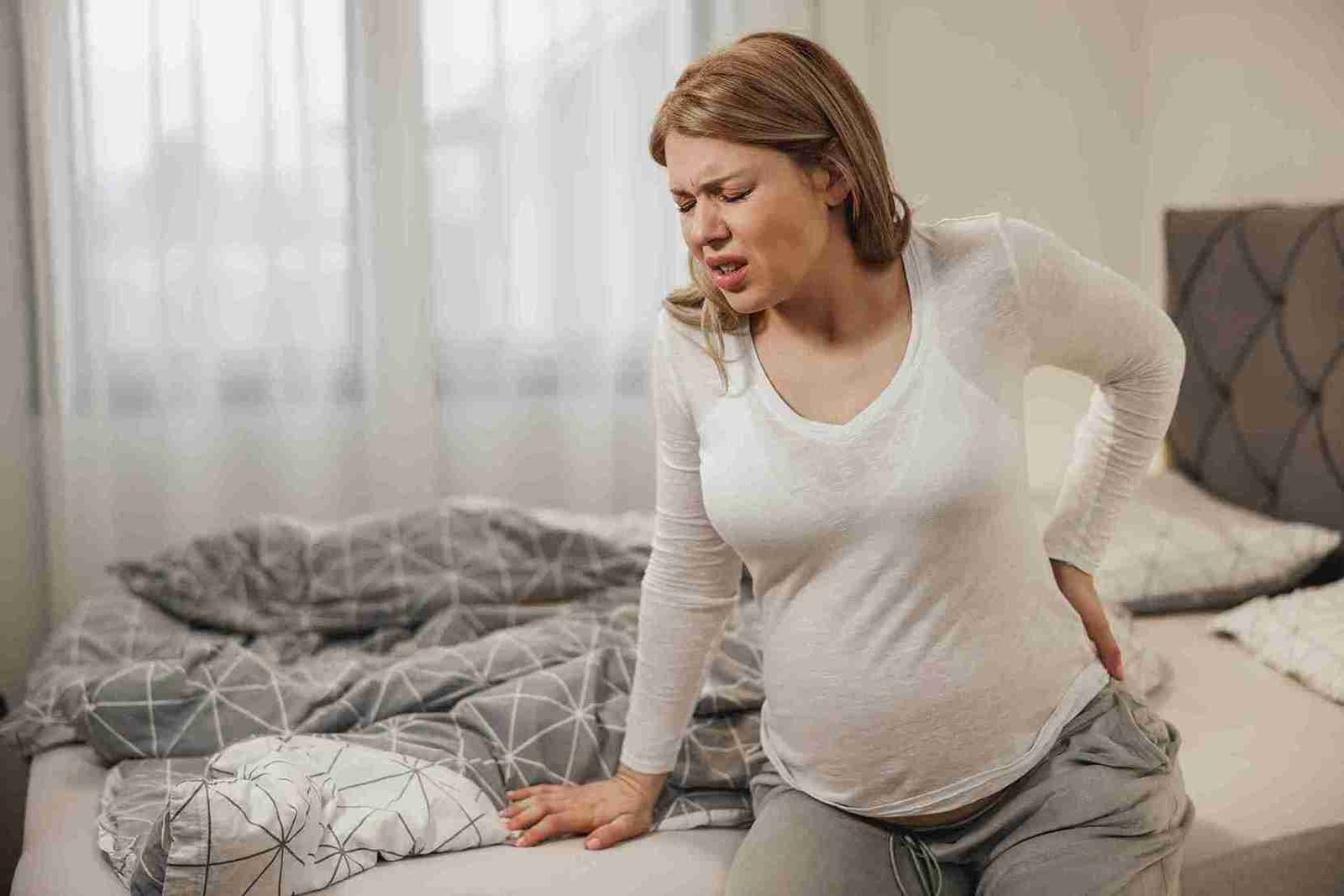
Postpartum back pain is often due to a combination of weakened core muscles, the shift in your center of gravity, and the repetitive strain of carrying and nursing an infant. Focused strengthening of the posterior chain and core can help alleviate this discomfort.
Does breastfeeding affect my joints during exercise?
Yes. Breastfeeding keeps levels of the hormone relaxin higher in the body, which maintains joint laxity. This makes you more prone to injury in the hips, knees, and ankles. Focus on low-impact activities and maintain proper form to protect your joints.
What are the best exercises to heal the pelvic floor?
Kegels (pelvic floor contractions) and diaphragmatic breathing are foundational. However, “Pelvic Floor Physical Therapy” is the gold standard for healing. This involves learning to both contract and fully relax the muscles, ensuring they are functional and resilient for daily activities.
5. CONCLUSION + SOFT CTA
In summary, a postpartum fitness guide centers on the principle of “healing before huffing.” By respecting the body’s need for structural repair and hormonal stabilization, you ensure a stronger, more sustainable return to the activities you love. In Visakhapatnam, accessing professional medical guidance ensures that your recovery is both safe and effective. Seeking guidance from an experienced women’s healthcare specialist can help ensure proper diagnosis and personalized care.

Leave a Comment