
Table of Contents
AMH Test for Fertility: Understanding Your Ovarian Reserve
Planning for a family or simply exploring your future reproductive health can bring up a mix of excitement and quiet questions. If you are starting to look into your fertility, you have likely come across references to the AMH test for fertility.
Understanding your Anti-Müllerian Hormone (AMH) level offers valuable insight into your current egg supply. Whether you are actively trying to conceive, planning to start a family a few years down the road, or navigating irregular periods, learning what an AMH test measures empowers you to make informed, timely decisions about your reproductive health without fear or anxiety.

What Is an AMH Test for Fertility?
An AMH test for fertility is a routine blood test that measures the level of Anti-Müllerian Hormone in your body. Produced by the tiny follicles inside your ovaries, AMH reflects your current ovarian reserve—the estimated quantity of remaining eggs—helping doctors evaluate reproductive timing and egg supply.
How Common Are Low or High AMH Levels in India?
Hormonal variations and changes in ovarian reserve are far more common among Indian women than many realize:
- High Prevalence of PCOS: India has a high rate of Polycystic Ovary Syndrome (PCOS), affecting an estimated 10% to 20% of women of reproductive age. Women with PCOS frequently show higher-than-average AMH levels due to multiple small resting follicles.
- Early Ovarian Aging: Emerging Indian clinical studies suggest that South Asian women may experience a gradual decline in ovarian reserve slightly earlier than their Western counterparts, making early assessment beneficial.
- Normalizing Fertility Checks: An abnormal AMH level is not a final verdict on your ability to have a baby. It is simply an informational tool that helps guide your timeline and lifestyle choices.
Understanding AMH Levels & Ranges
| AMH Serum Level | General Interpretation | Clinical Context |
|---|---|---|
| Above 4.0 ng/mL | Higher AMH level | May be seen with a higher antral follicle count and can occur in people with PCOS. A high AMH level alone does not diagnose PCOS. |
| 1.5–4.0 ng/mL | Often falls within commonly observed ranges | Interpretation should consider age, laboratory reference range, ovarian imaging, menstrual history, and fertility goals. |
| 1.0–1.4 ng/mL | Relatively lower AMH level | May indicate a lower ovarian reserve compared with higher values, but AMH should not be interpreted as a standalone measure of fertility. |
| Below 1.0 ng/mL | Lower AMH level | May be associated with reduced ovarian reserve. Further interpretation should be based on age, clinical history, other fertility tests, and the laboratory’s reference range. |
Important: AMH is primarily a marker of ovarian reserve and does not by itself determine egg quality, natural fertility, or the ability to become pregnant. AMH results should be interpreted by a qualified fertility or gynecology professional in the context of the individual’s overall clinical picture.
Signs and Symptoms You May Notice
Anti-Müllerian Hormone itself does not produce noticeable symptoms directly in your body. However, underlying factors associated with low or high AMH levels often show subtle signs:
- Changes in Menstrual Cycle Length: Shorter menstrual cycles (e.g., 21 to 24 days instead of 28) can sometimes accompany a declining ovarian reserve.
- Irregular or Missed Periods: Extended delays or unpredictable cycle dates often align with elevated AMH levels seen in PCOS.
- Anovulatory Cycles: Periods that occur without the release of a mature egg, which can make tracking ovulation confusing.
- Difficulty Conceiving: Trying to conceive for over 6 to 12 months without success despite timing intercourse around your fertile window.
- Hormonal Indicators: Experiencing adult acne, unexpected facial hair growth, or sudden weight fluctuations alongside cycle changes.
Causes and Factors Influencing AMH Levels
Understanding what influences your egg supply helps demystify your test results:
1.1. Biological Age:The primary natural factor.
Women are born with a finite number of eggs—roughly 1 to 2 million. This number naturally decreases over time, leading to a steady, expected decline in AMH levels as you reach your 30s and 40s.
2.2. Polycystic Ovary Syndrome (PCOS):Hormonal imbalance and ovulation.
PCOS causes numerous small, undeveloped follicles to accumulate on the ovaries. Because each small follicle produces AMH, women with PCOS typically have elevated serum AMH levels.
3.3. Previous Ovarian Surgery:Surgical or medical history.
Procedures to treat ovarian cysts, severe endometriosis (endometriomas), or pelvic infections can sometimes reduce healthy ovarian tissue, leading to a drop in AMH.
4.4. Stress, Diet, and Smoking:Lifestyle and environmental factors.
Chronic psychological stress, severe vitamin D deficiency, nutrient-poor diets, and exposure to environmental toxins or smoking can accelerate cellular oxidative stress in the ovaries.
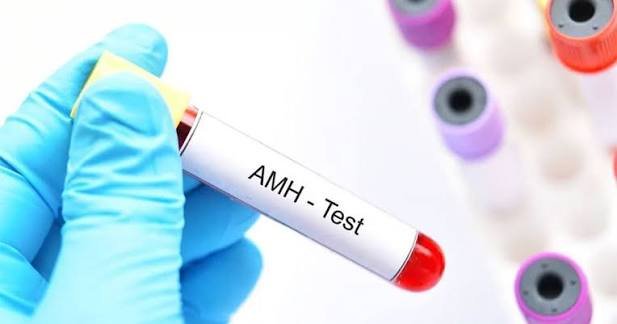
How Is an AMH Test Performed and Diagnosed?
Taking an AMH test for fertility is simple, fast, and straightforward:
- Simple Blood Draw: A small blood sample is collected from a vein in your arm at a diagnostic laboratory or clinic.
- Cycle Flexibility: Unlike FSH (Follicle Stimulating Hormone), which must be checked on Day 2 or Day 3 of your period, an AMH test can be done on any day of your menstrual cycle.
- Ultrasound Correlation (Antral Follicle Count): A comprehensive evaluation pairs your blood test with a pelvic ultrasound to count visible antral follicles, giving a complete picture of your reproductive health.
What Are the Next Steps After Getting Your Results?
Your AMH result is a helpful roadmap, not a constraint. Depending on your numbers and family goals, your doctor may suggest:
- Optimizing Natural Conception: If your AMH is in the normal range, tracking ovulation, maintaining a balanced diet, and timing intercourse effectively may be all you need.
- Proactive Timeline Planning: If your AMH is lower than expected for your age, your specialist might advise shortening the timeframe for trying naturally before seeking guidance.
- Addressing Underlying PCOS: If high AMH points toward PCOS, lifestyle changes, dietary balance, and ovulation-inducing treatments can help regularize your cycles.
- Assisted Reproductive Technologies (ART): For significantly reduced ovarian reserve, options such as IUI, IVF, or egg freezing offer clear pathways toward achieving pregnancy.
When Should You See a Doctor?
If you have questions about your fertility timeline, irregular periods, or understanding test results, scheduling an appointment with an experienced specialist provides clarity and comfort.
If you recognise several of these concerns in yourself, speaking to a qualified gynaecologist is the most important next step. Dr. Devani Chalamuri at Vedanta Speciality Clinics in Madhurawada, Vizag specialises in hormonal health and fertility management, offering compassionate, evidence-based care for women across Visakhapatnam.
Comparing Egg Quantity vs. Egg Quality
It is essential to distinguish between how many eggs remain and how healthy those eggs are:
| Aspect | Ovarian Reserve (Egg Quantity) | Egg Quality (Cellular Health) |
| Primary Indicator | Measured directly by AMH test & Antral Follicle Count (AFC). | Determined primarily by biological age and cellular genetics. |
| Diagnostic Method | Routine blood draw and pelvic ultrasound scan. | No single blood test; evaluated through conception outcomes or IVF. |
| Can It Be Increased? | No, egg count naturally declines over time and cannot be raised. | Quality can be supported with antioxidants, nutrition, and healthy habits. |
| Impact on Natural Pregnancy | Lower quantity means fewer attempts, but a single healthy egg can result in pregnancy. | High egg quality increases the chance of successful fertilization and healthy embryo development. |
How Early Should I Check My Fertility Status in Visakhapatnam?
Checking your reproductive health early—especially if you are in your late 20s or early 30s and considering delaying pregnancy—gives you the flexibility to plan ahead. An early consultation helps identify conditions like PCOS or early ovarian decline while plenty of options remain open.
What Are the Signs of PCOS in Women?
PCOS often shows up as irregular or prolonged menstrual cycles, unexpected weight gain around the abdomen, stubborn facial acne, excess body hair (hirsutism), and elevated AMH levels on routine blood work.
Frequently Asked Questions
What is considered a good AMH level for conceiving naturally?
An AMH level between 1.5 ng/mL and 4.0 ng/mL is generally considered optimal for natural conception. However, natural pregnancy depends on egg quality and sperm health just as much as egg quantity.
Can low AMH levels be increased through diet or medicine?
Anti-Müllerian hormone levels reflect your remaining egg pool, which cannot be regenerated once decreased. However, targeted dietary changes, specific supplements, and healthy lifestyle habits can improve the quality of your remaining eggs and optimize overall reproductive health.
On which day of the menstrual cycle should an AMH test be done?
Unlike reproductive hormones such as FSH or LH, AMH remains relatively stable throughout your cycle. You can get an AMH test for fertility on any day of your menstrual cycle, whether fasting or non-fasting.
Does a high AMH level always mean high fertility?
Not necessarily. Exceptionally high AMH levels (above 4.0 or 5.0 ng/mL) often point toward Polycystic Ovary Syndrome (PCOS). While it indicates a high egg supply, irregular ovulation in PCOS can make conceiving challenging without medical guidance.
Which doctor should I see for AMH test interpretation in Vizag?
You should consult an experienced lady gynecologist Vizag or women’s health specialist like Dr. Devani Chalamuri at Vedanta Speciality Clinics in Madhurawada, Visakhapatnam, who can evaluate your AMH levels alongside a pelvic ultrasound.
What is the cost of an AMH test for fertility in Visakhapatnam?
In Visakhapatnam, an AMH blood test typically costs between ₹1,800 and ₹3,500 depending on the diagnostic laboratory and whether it is part of a broader fertility health package.
Can I get pregnant with low AMH naturally?
Yes, natural pregnancy is entirely possible with low AMH. As long as you are ovulating regularly and the egg released is healthy, conceiving naturally can happen without invasive medical interventions.
Where can I get expert fertility counseling in Madhurawada?
Comprehensive fertility assessments, hormonal evaluations, and personalized preconception care are available at Vedanta Speciality Clinics in Madhurawada under the expert care of Dr. Devani Chalamuri.

Empowering Your Reproductive Health
Your fertility journey is uniquely yours, and having clear information is the best way to navigate it with peace of mind. An AMH test for fertility provides valuable knowledge that helps you take charge of your timing, health, and family planning choices.
If you are experiencing any of these symptoms or want clear answers about your fertility health, Dr. Devani Chalamuri at Vedanta Speciality Clinics, Madhurawada, Vizag is available for a consultation — https://vedantaspecialityclinics.com/. Expert, reassuring care is right here in Visakhapatnam to guide you every step of the way.



Leave a Comment