

Table of Contents
Can a Gynecologist Help with Menopause? Understanding Your Care Options
Navigating the transition into menopause can feel like stepping onto an unpredictable emotional and physical rollercoaster. If you are wondering whether a gynecologist can help with menopause, the absolute and reassuring answer is yes. Gynecologists are medical doctors specializing in women’s reproductive health, making them the primary experts equipped to guide you through every stage of this natural transition. They offer scientific insights, medical treatments, and deeply empathetic support to help you reclaim control over your body and well-being.
As you notice changes in your sleep, mood, and energy levels, it is completely normal to feel overwhelmed. Many women quietly endure these shifts, believing they just have to “tough it out.” However, modern medicine views menopausal care not as a luxury, but as an essential part of lifelong women’s wellness. Partnering with a specialist ensures you do not have to navigate these hormonal shifts in isolation.
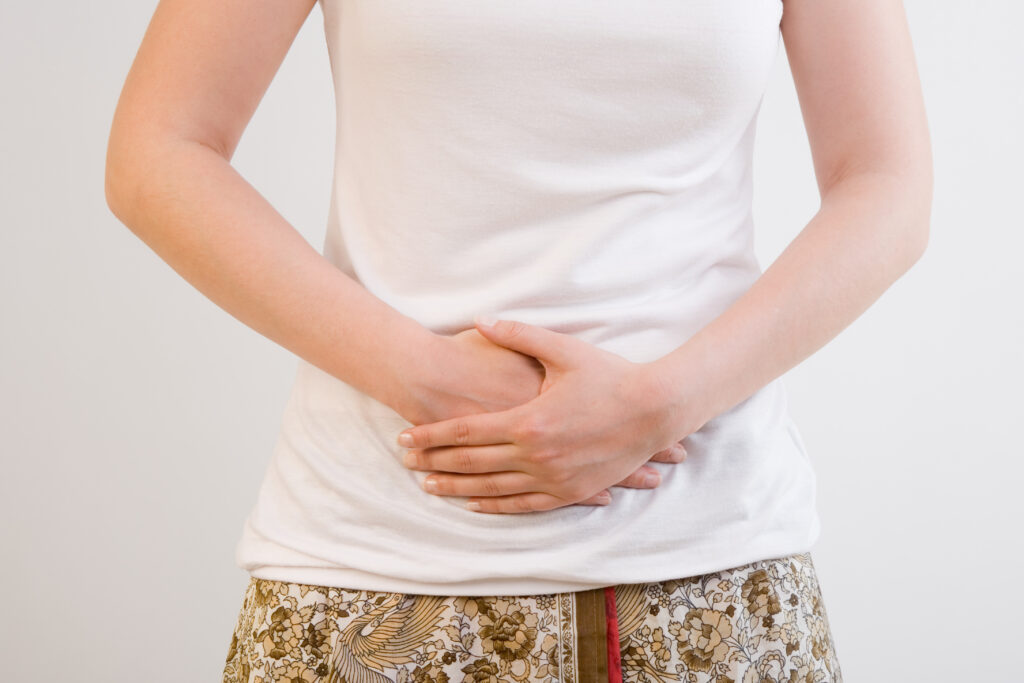
What Is Menopause Care in Gynecology?
What is the clinical definition of menopause care?
Menopause care is a specialized branch of gynecology dedicated to managing the transition leading up to and following the permanent cessation of menstruation. This care includes prescribing medical therapies, evaluating cardiovascular and bone health risks, offering lifestyle counseling, and monitoring hormonal changes to preserve a woman’s overall quality of life.
When you visit a specialist, menopause care is divided into three distinct phases based on your body’s biological timeline:
- Perimenopause: The transitional phase where estrogen levels fluctuate unpredictably. Periods become irregular, and initial symptoms like mood swings or night sweats typically emerge.
- Menopause: Defined clinically when a woman has gone 12 consecutive months without a menstrual period, signaling that the ovaries have ceased releasing eggs.
- Postmenopause: The years following the milestone of menopause, during which symptoms may subside, but long-term health monitoring becomes highly critical.
The Biological Causes Behind the Transition
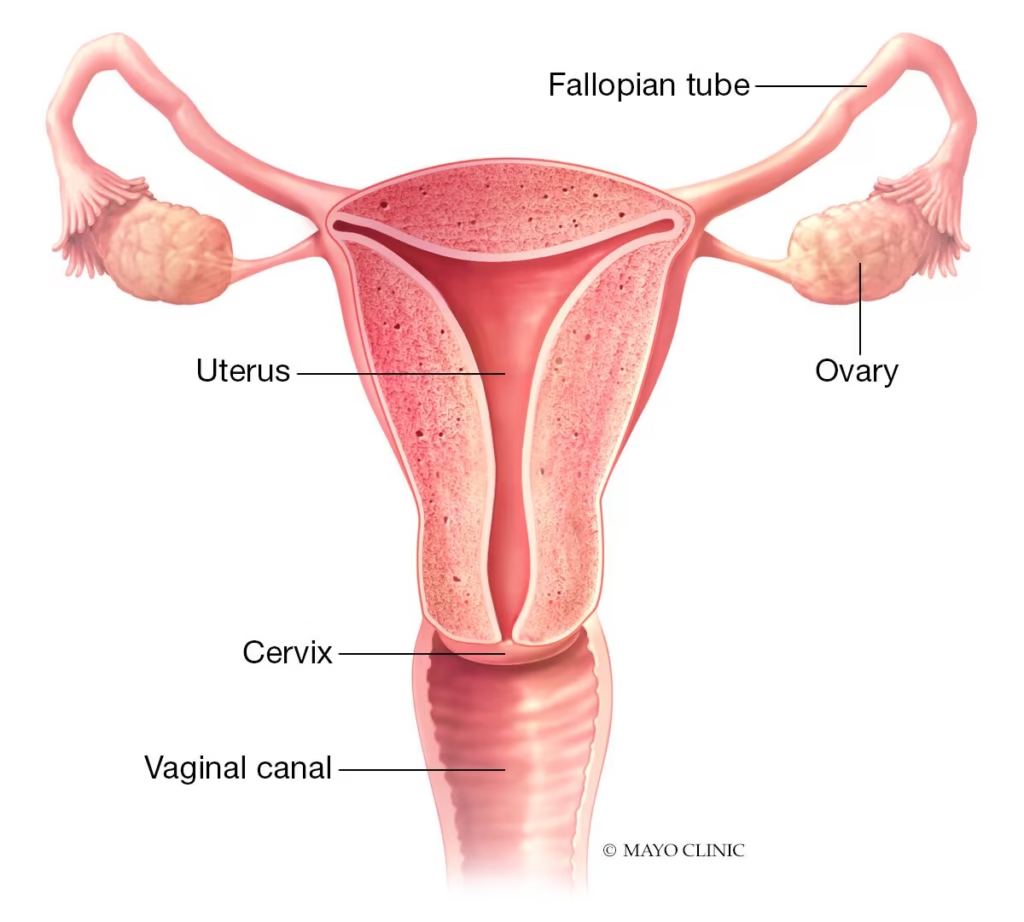
Menopause is a natural age-related process rather than a medical illness. To understand why your body behaves differently, it helps to look at the internal chemical factory. Women are born with a finite number of eggs stored inside the ovaries. As time progresses, this egg supply naturally diminishes.
As the ovaries approach the end of their reproductive lifespan, their production of primary female hormones—specifically estrogen and progesterone—begins to decline and become unstable. Estrogen acts as a master key in a woman’s body, affecting receptors in the brain, heart, bones, skin, and urinary tract. When this hormone drops, the systems it previously supported must adapt to its absence, which triggers the common symptoms experienced by many women.
Recognising Menopause Symptoms: More Than Just Hot Flushes
The fluctuating drop in hormones can produce a wide range of physical and emotional symptoms. While hot flushes are the most widely discussed sign, the transition can impact almost every aspect of your daily life.
Common Physical Symptoms
- Hot Flushes and Night Sweats: Sudden, intense waves of heat that spread across the chest, neck, and face, often accompanied by a rapid heartbeat and sweating.
- Sleep Disruptions: Finding it difficult to fall asleep or waking up repeatedly due to nighttime sweating, leading to chronic daytime fatigue.
- Vaginal Dryness and Discomfort: Thinning of the vaginal walls due to low estrogen, which can cause irritation or pain during intimate relationships.
- Urinary Variations: An increased urge to urinate frequently or experiencing minor leaks when coughing, sneezing, or exercising.
Common Emotional and Mental Shifts
- Mood Swings and Irritability: Unexpected emotional changes that can feel similar to intense premenstrual syndrome (PMS).
- Brain Fog and Focus Issues: Misplacing everyday items, forgetting names, or finding it hard to concentrate on complex tasks.
- Anxiety and Low Mood: Developing a sense of nervousness or persistent sadness, even without an obvious emotional trigger.
Long-Term Health Risks Linked to Estrogen Decline
Estrogen serves as a natural protective shield for several vital organs. When its levels drop permanently after menopause, women face a higher statistical risk of developing specific chronic health conditions:
| Health Metric | Pre-Menopause Status | Post-Menopause Risk | Gynecological Preventive Action |
| Bone Density | Strong matrix supported by regular estrogen production. | Accelerated bone loss leading to osteoporosis and fractures. | Bone density baseline scans (DEXA) and calcium optimization plans. |
| Cardiovascular Health | Estrogen keeps blood vessels flexible and manages cholesterol. | Increased risk of plaque buildup, stiff arteries, and heart issues. | Regular tracking of lipid profiles, blood sugar, and blood pressure. |
| Metabolic Rate | Efficient processing of sugars and balanced fat distribution. | Slower metabolic rate often resulting in sudden weight gain around the abdomen. | Tailored nutritional planning and metabolic health assessments. |
How a Gynecologist Diagnoses Menopause
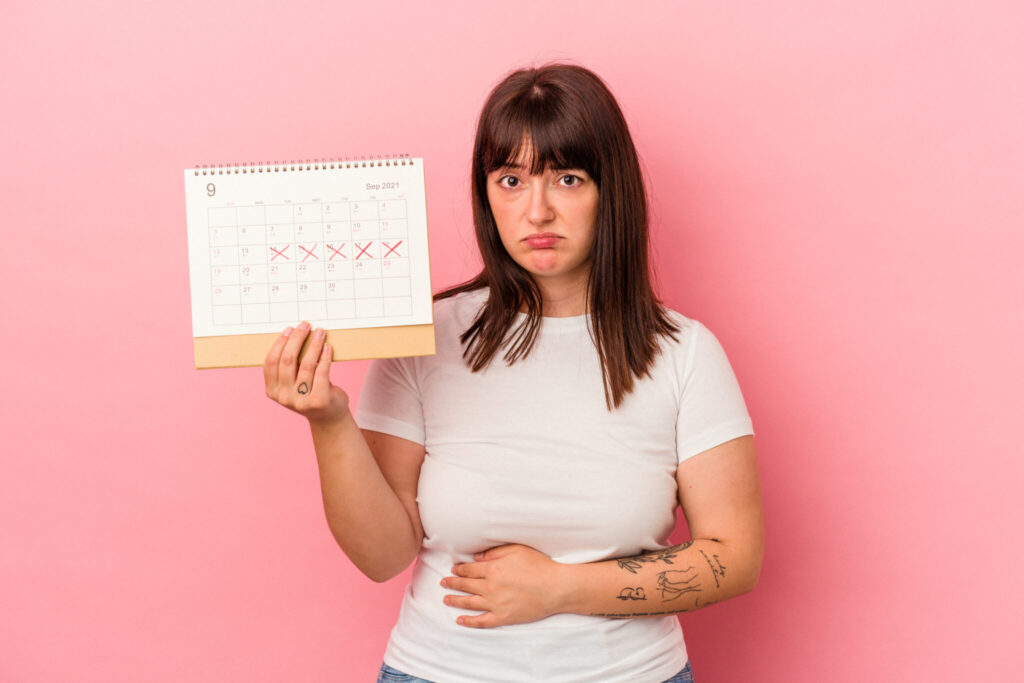
Diagnosing menopause is rarely based on a single blood test. Instead, a gynecologist looks at your overall health picture by reviewing your age, period history, and physical symptoms.
================================================================================
THE MENOPAUSE DIAGNOSTIC PIPELINE
1. Detailed Menstrual Mapping -> Tracking variations in period length and flow.
2. Clinical Symptom Review  -> Evaluating hot flushes, mood changes, and sleep.
3. Target Hormone Analysis  -> Measuring FSH and Estradiol levels if required.
4. Baseline Health Screening -> Evaluating thyroid function to rule out other issues.
================================================================================
For women over the age of 45 who have not had a period for 12 months, extensive blood work is rarely needed. However, if symptoms appear earlier or seem unusual, your doctor may measure Follicle-Stimulating Hormone (FSH) or check your thyroid function to ensure an underactive thyroid is not causing your fatigue.
Medical Treatment Options: Finding What Works for You
Modern medicine provides several effective treatments to help reduce severe menopausal symptoms and improve your daily comfort:
1. Hormone Replacement Therapy (HRT)
HRT involves taking low doses of estrogen (sometimes combined with progesterone) to replace what your ovaries no longer produce. It is highly effective for reducing hot flushes, improving sleep quality, and preventing early bone loss. Your doctor can help determine if HRT is a safe and suitable option for your specific medical background.
2. Localized Vaginal Estrogen Treatments
If your primary challenges involve localized vaginal dryness or pain during intimacy, doctors can prescribe targeted estrogen creams, rings, or tablets. These treatments deliver relief directly to the affected tissues with minimal absorption into the rest of the body.
3. Non-Hormonal Prescription Alternatives
For women who cannot take hormones due to prior health conditions like blood clots or specific cancers, non-hormonal prescriptions can help. Certain medications originally designed for blood pressure or mood management can reduce the frequency and intensity of hot flushes.
Lifestyle Management and Practical Self-Care Solutions
While medical treatments offer strong support, making simple, healthy adjustments to your daily routine can significantly ease your transition:
- Prioritize Regular Strength Training: Incorporate weight-bearing exercises like brisk walking or light weightlifting at least three times a week to keep your bones strong and support your metabolism.
- Adopt a Nutrient-Dense Diet: Focus on whole foods rich in calcium and vitamin D, such as dark leafy greens, almonds, and fortified dairy alternatives, to protect your bone health.
- Practice Active Cooling Strategies: Dress in breathable, layered clothing, keep a small fan on your desk, and avoid spicy foods, caffeine, or warm drinks close to bedtime to help minimize hot flushes.
- Incorporate Stress Relief Techniques: Dedicate 10 minutes a day to calming activities like deep breathing exercises, gentle yoga, or mindfulness practices to help steady your mood.
When to Consult a Doctor: Key Warning Signs
Myth vs. Fact
- Myth: Menopause is a brief phase that naturally resolves within a few months.
- Fact: The menopausal transition can span anywhere from 4 to 10 years, making professional guidance essential for managing long-term health.
- Myth: You must avoid Hormone Replacement Therapy because it is universally unsafe.
- Fact: Modern, low-dose HRT is a safe and highly effective option for many healthy women when prescribed and monitored by a qualified doctor.
Key Warning Signs
While menopause is a normal part of life, specific symptoms require a prompt clinical evaluation by a medical professional:
- Any bleeding, spotting, or staining that occurs after you have gone a full year without a period.
- Extremely heavy periods or irregular cycles that occur significantly closer together than usual during perimenopause.
- Severe insomnia or intense anxiety that disrupts your ability to work or manage your daily routine safely.
Frequently Asked Questions (FAQs)
Can a gynecologist help with menopause symptoms like severe mood swings?
Yes, a gynecologist can evaluate your emotional symptoms and offer balanced treatments, including low-dose hormone therapies or non-hormonal options, alongside lifestyle guidance to help stabilize your mood.
What is the average age for a woman to experience menopause?
Most women experience menopause naturally between the ages of 45 and 55, with the average age across various populations falling around 51.
How do I know if my irregular periods are a sign of perimenopause?
If you are in your mid-40s and notice your cycles becoming unusually short, long, or skipping months entirely, these variations are common signs of perimenopause. A doctor can perform a quick evaluation to confirm.
Are there effective non-hormonal treatments available for hot flushes?
Yes. If hormone therapy is not suitable for you, your doctor can prescribe specific non-hormonal medications or recommend evidence-based supplements that help soothe the body’s temperature control center.
Does the transition into menopause cause sudden weight gain?
The natural drop in estrogen levels can slow down your metabolism and cause your body to store more fat around the midsection, making regular exercise and a balanced diet particularly important.
How long do typical menopause symptoms last for most women?
While the intensity of symptoms varies, most women experience active changes for 4 to 7 years before their hormone levels settle completely.
Can lifestyle adjustments alone manage mild night sweats?
For mild symptoms, simple changes like avoiding spicy foods, keeping your bedroom cool, dressing in layers, and reducing stress can provide noticeable relief.
Should I continue using contraception during the perimenopause phase?
Yes. Even though your periods may be irregular, you can still ovulate occasionally. You should continue using reliable contraception until you have gone 12 consecutive months without a period.
Summary and Educational Conclusion
Navigating menopause does not mean you have to quietly accept discomfort or wait for symptoms to pass. Partnering with a dedicated gynecologist gives you access to personalized care plans, modern treatment options, and practical guidance tailored to your body’s changing needs. Taking an active role in your healthcare during this transition is an excellent way to protect your long-term vitality, bone strength, and peace of mind.
If you are currently managing irregular cycles, disruptive hot flushes, or persistent fatigue, remember that helpful support is readily available. Consulting a trusted healthcare professional allows you to build a proactive wellness plan, ensuring you can move through this natural phase of life with comfort and confidence.


Leave a Comment