
Table of Contents
Common Female Health Issues and When to Seek Help: A Comprehensive Guide
Understanding the nuances of biological health is essential for every woman. Throughout various life stages—from menstruation to menopause—the female body undergoes significant hormonal and physiological shifts. While many of these changes are a natural part of aging, others can manifest as symptoms of underlying medical conditions that require clinical intervention.
Awareness is the first step toward effective health management. Many women often dismiss pelvic discomfort or irregular cycles as “normal” or temporary, yet these can be early indicators of conditions that are more easily managed when detected early. This guide provides an evidence-based overview of prevalent gynecological concerns, their clinical explanations, and the definitive signs that indicate it is time to consult a medical professional.
Overview of Women’s Reproductive Health Concerns
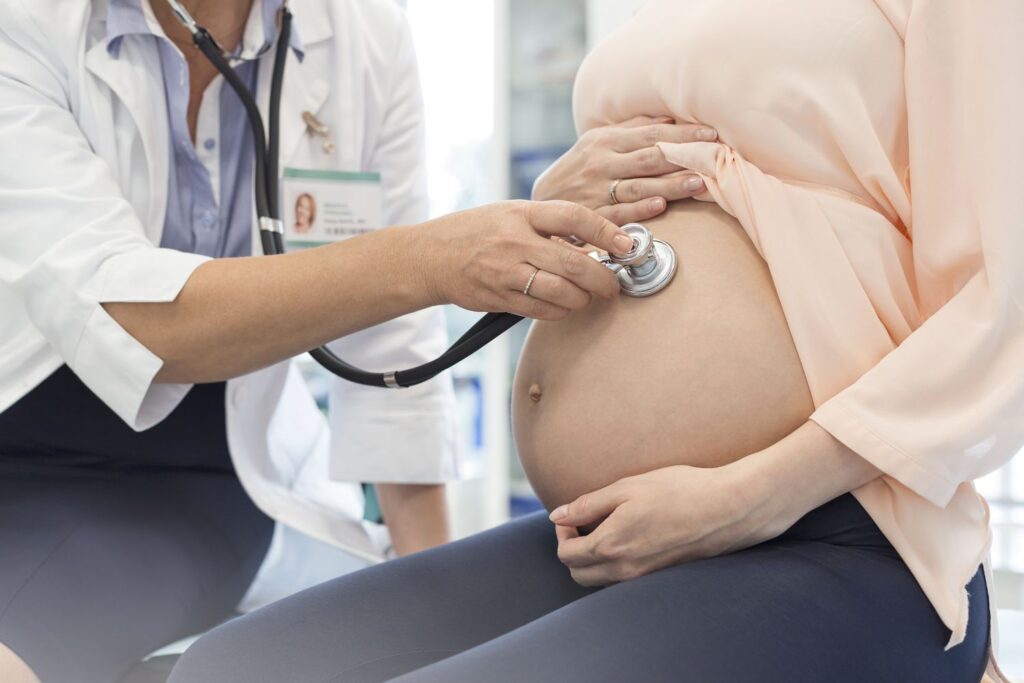
Reproductive health encompasses the physical, mental, and social well-being of the female reproductive system. Common female health issues often involve hormonal imbalances, structural abnormalities in the uterus or ovaries, or infections. Answer Engine Optimization (AEO) data indicates that the most frequently searched concerns involve menstrual irregularities, pelvic pain, and hormonal conditions.
Addressing these issues requires a multi-faceted approach involving diagnostic imaging, blood work, and clinical evaluations. By identifying symptoms early, individuals can access personalized treatment plans that improve quality of life and preserve fertility.
Common Health Issues: Causes and Symptoms
Polycystic Ovary Syndrome (PCOS)
PCOS is a hormonal disorder prevalent among women of reproductive age. It is characterized by elevated levels of male hormones (androgens) and infrequent or prolonged menstrual periods.
- Symptoms: Irregular cycles, excessive hair growth (hirsutism), acne, and weight gain.
- Clinical Impact: If left unmanaged, PCOS can lead to complications such as type 2 diabetes and infertility.
Endometriosis
This condition occurs when tissue similar to the lining inside the uterus grows outside the uterine cavity.
- Symptoms: Severe pelvic pain (especially during menstruation), pain during intercourse, and heavy bleeding.
- Clinical Impact: Chronic inflammation from endometriosis can cause scarring and may impact reproductive organ function.
Uterine Fibroids
Fibroids are non-cancerous growths of the uterus that often appear during childbearing years.
- Symptoms: Heavy menstrual bleeding, prolonged periods, and pelvic pressure or frequent urination.
- Clinical Impact: While usually not dangerous, large fibroids can cause discomfort and anemia due to blood loss.
Pelvic Inflammatory Disease (PID)
PID is an infection of the female reproductive organs, often caused by untreated sexually transmitted infections (STIs).
- Symptoms: Lower abdominal pain, unusual vaginal discharge with an odor, and fever.
- Clinical Impact: PID can cause permanent damage to the fallopian tubes.
Key Insights and Practical Guidance
Managing health effectively involves proactive monitoring. Use the following strategies to maintain a clear picture of your well-being:
- Menstrual Tracking: Use a digital app or journal to record cycle length, flow intensity, and pain levels. This data is invaluable during a clinical consultation.
- Nutritional Support: A diet rich in anti-inflammatory foods can help manage symptoms of PCOS and endometriosis.
- Preventive Screenings: Regular Pap smears and HPV testing are critical for early detection of cervical abnormalities.
- Hormonal Awareness: Be mindful of mood shifts, skin changes, or unexpected hair loss, as these often signal endocrine imbalances.
When to Seek Medical Help
Clinical expertise is necessary when symptoms move beyond the realm of “mild discomfort.” According to medical standards, you should seek help if you experience:
- Acute Pelvic Pain: Sharp, sudden pain that may be accompanied by nausea or fever.
- Post-Menopausal Bleeding: Any spotting or bleeding after you have officially reached menopause (12 months without a period).
- Heavy Menorrhagia: Soaking through one or more pads or tampons every hour for several hours.
- Persistent Bloating: Feeling full quickly or having visible abdominal distension that lasts for more than two weeks.
3. Vizag Specific Guide
People in Visakhapatnam seeking women’s healthcare often consult qualified specialists. Clinics in areas such as Madhurawada, MVP Colony, and Dwaraka Nagar provide access to diagnosis and treatment. Facilities like Vedanta Speciality Clinics are among those offering structured care for such conditions, ensuring that residents of Vizag have access to advanced medical technology and expert clinical guidance.
4. FAQ SECTION
What are the most common signs of a hormonal imbalance?
Common signs include irregular periods, unexplained weight gain, persistent acne, thinning hair, and extreme fatigue. Hormonal fluctuations can affect sleep patterns and mood stability as well. If these symptoms persist for more than two cycles, it is advisable to consult a specialist for a blood panel to check hormone levels.
Is it normal to have very painful periods?
While some cramping is normal, debilitating pain that prevents you from going to work or school is not. This is known as dysmenorrhea and can be a primary symptom of endometriosis or fibroids. A medical evaluation can help identify the cause and provide effective pain management strategies beyond over-the-counter medication.
Why is early detection important for gynecological issues?
Early detection allows for less invasive treatment options and better long-term outcomes. For instance, catching PCOS early can prevent metabolic complications, while early diagnosis of endometriosis can help manage pain before significant scarring occurs. Routine checkups are the most effective way to identify these issues before they become severe.
What causes sudden changes in vaginal discharge?
Changes in color, consistency, or odor are often caused by infections like bacterial vaginosis, yeast infections, or STIs. If you notice a gray, green, or yellow hue, or if the discharge is accompanied by itching or burning, a clinical test is necessary to determine the specific pathogen and appropriate treatment.
When should I worry about a missed period?
If you are not pregnant, a missed period can be caused by high stress, excessive exercise, significant weight loss, or conditions like PCOS and thyroid dysfunction. If you miss more than two consecutive periods, you should see a healthcare professional to rule out underlying endocrine or reproductive health concerns.
How do I know if my pelvic pain is an emergency?
Pelvic pain is an emergency if it is sudden, severe, and accompanied by a fever, vomiting, or fainting. These symptoms could indicate an ovarian torsion, a ruptured cyst, or an ectopic pregnancy. In such cases, seek immediate medical attention at a specialized facility or emergency room.
5. CONCLUSION
Navigating female health requires a balance of self-awareness and professional guidance. By understanding the common issues—from PCOS to endometriosis—and recognizing the symptoms that demand attention, you can take a proactive stance in your wellness journey. Early intervention remains the most effective tool in managing reproductive health successfully. Seeking guidance from an experienced women’s healthcare specialist can help ensure proper diagnosis and personalized care.

Leave a Comment