
Table of Contents
Does Mom Being Sick Affect Baby in Womb? A Complete Guide to Maternal Health and Prenatal Care in Vizag
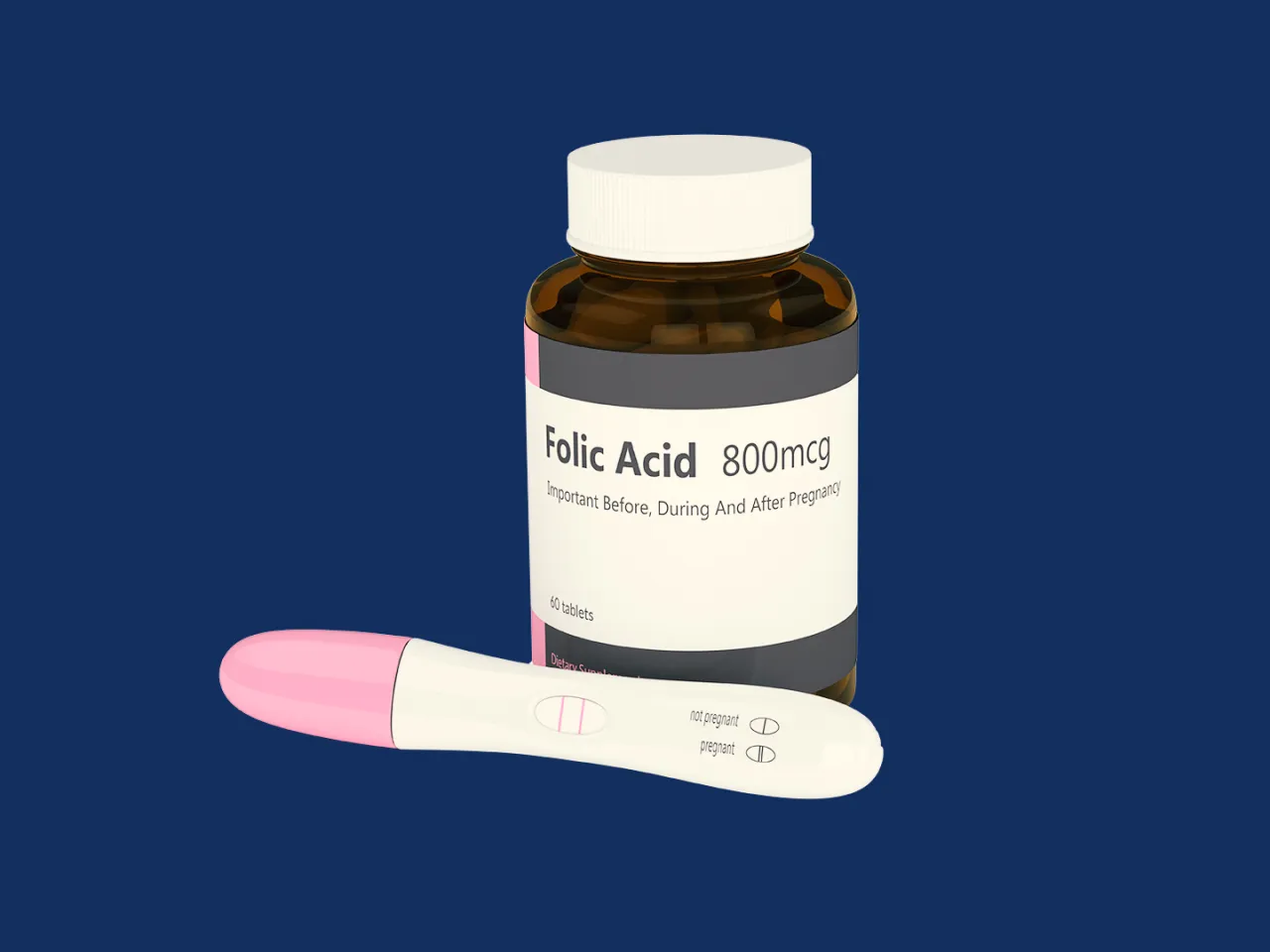
Discovering that you are expecting a baby is one of the most miraculous, joyful milestones in a woman’s life. From the moment that second line appears on a home test, your protective maternal instincts instantly awaken. You naturally begin to pay close attention to every meal you eat, every step you take, and every subtle change inside your body.
However, pregnancy can also bring moments of quiet anxiety—especially when you suddenly catch a viral cough, run a mild fever, or struggle with seasonal flu. During these vulnerable moments, almost every expectant mother anxiously asks herself: does mom being sick affect baby in womb?
It is completely natural to worry about how your own health impacts your growing baby. The wonderful news is that nature has designed a remarkably resilient protection system: the placenta. In the vast majority of common, everyday illnesses—like a mild cold, runny nose, or minor stomach upset—your baby remains comfortably shielded and safe inside your uterus.
Understanding how your body protects your little one, knowing when an illness needs medical attention, and following a structured antenatal check-up plan can turn anxiety into complete confidence throughout your nine-month journey in Visakhapatnam.

What Does Good Pregnancy Care Involve?
Comprehensive pregnancy care involves structured prenatal visits, maternal health monitoring, timely ultrasound screening, and preventive nutritional support. According to FOGSI and WHO guidelines, good antenatal care ensures early detection of maternal illnesses, protects fetal growth, prevents complications like anemia or gestational diabetes, and prepares the mother physically and emotionally for safe childbirth.
Trimester-by-Trimester Care: How Your Body and Baby Grow Together
Pregnancy is a dynamic, continuous journey divided into three distinct trimesters. Each phase brings remarkable physiological transformations for you and delicate developmental milestones for your baby.
| Trimester Phase | Key Fetal Milestones | What Happens in Mom’s Body | What to Expect at the Clinic |
| First Trimester (Weeks 1 – 12) | • Heartbeat begins around week 6. • Major organs, brain, and neural tube form. • Tiny limb buds develop into hands and feet. | • Rapid hormonal shifts (hCG, progesterone). • Morning sickness, fatigue, breast tenderness. • Uterus expands to the size of a lemon. | • Confirmation ultrasound scan. • Baseline blood checks (Hb, blood group, thyroid). • Daily Folic Acid prescription. |
| Second Trimester (Weeks 13 – 27) | • Rapid bone growth and muscle development. • Baby develops hearing and facial expressions. • First noticeable movements (quickening). | • Nausea subsides; energy levels return. • Visible baby bump emerges. • Blood volume expands by nearly 40–50%. | • Level-II Anomaly Ultrasound scan. • Oral Glucose Tolerance Test (OGTT). • Tetanus toxoid (TT/Tdap) vaccination. |
| Third Trimester (Weeks 28 – 40) | • Lung maturation and rapid fat deposition. • Baby turns head-down (cephalic position). • Responds actively to light, voices, and touch. | • Backache, frequent urination, mild swelling. • Braxton Hicks contractions (practice tightening). • Nesting instincts kick in. | • Growth scans & Doppler assessment. • Pelvic assessment & birth plan discussion. • Monitoring fetal movement (kick counts). |
Does Mom Being Sick Affect Baby in Womb? Understanding Maternal Illnesses
When an expectant mother falls ill, the impact on the fetus depends entirely on the type of illness, its severity, whether a high fever is present, and how early treatment is started.
1. Mild Viral Colds and Flu
Everyday colds, mild sore throats, and upper respiratory congestion rarely reach your baby. The placenta acts as a sophisticated filtering membrane, preventing most common cold viruses from crossing over into the amniotic fluid. Furthermore, your body’s immune system produces protective antibodies (IgG) that cross the placenta to actually grant your baby passive immunity.
2. High Fevers and Temperature Spikes
While a mild cold is harmless, a sustained high body temperature (above 101°F or 38.3°C)—especially during the delicate organ-formation phase of the first trimester—can potentially affect fetal development. It is crucial never to ignore a fever. Taking pregnancy-safe fever reducers under the supervision of an experienced pregnancy doctor Visakhapatnam women trust helps restore normal body temperature quickly and safely.
3. Gastrointestinal Ingestions and Food Infections
In Indian households, monsoon seasonal changes or eating outside food can occasionally cause stomach upsets or gastroenteritis. While mild diarrhea does not directly harm the baby, severe fluid loss can cause maternal dehydration, which may trigger premature uterine cramping. Staying well-hydrated with oral rehydration solutions (ORS), tender coconut water, and clean boiled water is essential.
┌─────────────────────────────────────────────────────────────────────────────┐
│                 MATERNAL ILLNESS & FETAL IMPACT SUMMARY                     │
├───────────────────────────┬───────────────────────────┬─────────────────────┤
│ Mild Common Cold / Flu    │ Placental barrier protects│ NO direct fetal     │
│ (No high fever)           │ baby completely.          │ risk. Rest & fluid. │
├───────────────────────────┼───────────────────────────┼─────────────────────┤
│ Sustained High Fever      │ Maternal heat stress can  │ REQUIRES immediate  │
│ (Above 101°F / 38.3°C)    │ affect early development. │ doctor consultation.│
├───────────────────────────┼───────────────────────────┼─────────────────────┤
│ Severe Dehydration /      │ Reduces fluid balance &   │ REQUIRES ORS &      │
│ Vomiting                  │ may trigger uterine cramps│ medical monitoring. │
└───────────────────────────┴───────────────────────────┴─────────────────────┘
How to Protect Yourself and Your Baby: Essential Steps
When seasonal infections or weather changes happen, taking sensible, doctor-guided steps keeps both you and your baby comfortable and secure.
- Never Self-Medicate: Avoid taking over-the-counter painkillers, decongestants, or antibiotics without explicit medical guidance. Many standard cold medicines contain active ingredients that can restrict placental blood flow.
- Prioritize Hydration: Drink plenty of safe, boiled, or filtered water, warm broths, and tender coconut water to maintain optimal amniotic fluid levels.
- Monitor Your Body Temperature: Keep a digital thermometer at home. If your temperature rises, use cool forehead compresses and call your clinic promptly.
- Rest Without Guilt: Your immune system works twice as hard during pregnancy. Extra sleep allows your body to clear infections faster without distressing your baby.
- Maintain Routine Nutrition: Consume light, home-cooked, nutrient-dense meals rich in Vitamin C, iron, and proteins to support both maternal immunity and fetal growth.

Standard FOGSI & WHO Recommended Antenatal Check-Up Schedule
Regular antenatal check-ups are designed to catch and treat minor health issues before they can ever impact your baby. The Federation of Obstetric & Gynaecological Societies of India (FOGSI) recommends the following visit schedule for healthy pregnancies:
- First Visit (Weeks 6 to 8): Early pregnancy confirmation, dating scan, baseline blood tests, and medical history evaluation.
- Monthly Check-ups (Weeks 8 to 28): One visit every 4 weeks to track weight, blood pressure, fetal growth, urine routine, and execute screening scans.
- Bi-Weekly Check-ups (Weeks 28 to 36): One visit every 2 weeks to monitor fetal position, growth progression, maternal blood sugars, and fluid levels.
- Weekly Check-ups (Weeks 36 to Delivery): One visit every week until birth to perform pelvic evaluations, assess fetal movement, and review your labor plan.
Warning Signs to Never Ignore During Pregnancy
While most aches, pains, and mild snuffles are a routine part of pregnancy, certain red-flag symptoms require prompt communication with your healthcare team. Never hesitate or feel embarrassed to call your doctor if you experience any of the following:
- Vaginal Bleeding or Spotting: Any amount of bright red bleeding or persistent dark spotting.
- Persistent High Fever: A body temperature above 101°F (38.3°C) that does not come down with prescribed medication.
- Severe, Unremitting Abdominal Pain: Sharp or cramping pain in the lower abdomen or pelvis.
- Sudden Fluid Leakage: A trickle or sudden gush of watery fluid from the vagina before your due date.
- Noticeable Decrease in Fetal Movement: A sudden drop in your baby’s regular kick count patterns during the third trimester.
- Severe, Persistent Headache with Blurred Vision: Sudden swelling in hands/face accompanied by severe headaches, which could suggest elevated blood pressure (preeclampsia).
- Uncontrollable Vomiting: Inability to keep any liquids or food down for over 12–24 hours.
If you observe any of these symptoms, remain calm and contact your primary healthcare provider or visiting clinic right away.
High-Risk Pregnancy: What It Means and Who It Applies To
Hearing the phrase “high-risk pregnancy” can sound intimidating, but in modern obstetrics, it simply means your pregnancy requires closer attention, extra monitoring, and specialized clinical care to ensure a smooth outcome.
A pregnancy may be categorized as high-risk if an expectant mother has pre-existing conditions like high blood pressure, thyroid imbalances, or diabetes; if she develops gestational complications like preeclampsia or gestational diabetes; or if she is expecting twins.
According to Indian maternal health research, anemia affects over 50% of pregnant women across the country, making routine blood monitoring essential for maintaining maternal energy and healthy fetal birth weight.
For women seeking expert care in Visakhapatnam, consulting an experienced obstetrician in Vizag ensures these conditions are managed proactively. Dr. Devani Chalamuri at Vedanta Speciality Clinics in Madhurawada provides expert, empathetic high-risk pregnancy monitoring, combining advanced diagnostic tracking with compassionate, reassuring maternal support so every mother feels safe throughout her journey.
Preparing for Delivery: A Practical Practical Checklist
As you enter your late second and third trimesters, preparing your hospital bag and birth plan helps eliminate last-minute stress.
┌─────────────────────────────────────────────────────────────────────────────┐
│                       MATERNITY HOSPITAL BAG CHECKLIST                      │
├──────────────────────────────┬──────────────────────────────┬───────────────┤
│ 📄 Essential Documents       │ 👩 Maternal Comfort          │ 👶 Baby Essentials│
├──────────────────────────────┼──────────────────────────────┼───────────────┤
│ • Aadhaar / Identity proof   │ • Front-open cotton nighties │ • Newborn clothes│
│ • Complete antenatal file    │ • Maternity pads & underwear │ • Soft swaddles│
│ • Health insurance card      │ • Warm socks & comfortable   │ • Baby wipes  │
│ • Blood group report copies  │   slippers; toiletries kit   │ • Baby caps   │
└──────────────────────────────┴──────────────────────────────┴───────────────┘
Essential Steps 4 Weeks Before Due Date:
- Organize Medical Files: Keep all ultrasound reports, blood tests, and doctor prescription notes arranged chronologically in a single, accessible binder.
- Pack Hospital Bag: Prepare clothing, nursing bras, baby clothes, swaddles, and toilet kits by week 36.
- Select Your Delivery Facility: Confirm hospital registration, review emergency access routes from your residential area (such as MVP Colony, Madhurawada, or Gajuwaka), and store your doctor’s emergency contact numbers on your family’s phones.
Postnatal Care: Nurturing the Mother After Delivery
The pregnancy journey does not end when your baby arrives. The postnatal period—often called the “fourth trimester”—is a time of intense physical recovery, hormonal adjustment, and emotional bonding.
- Physical Healing: Your body needs time and balanced nutrition to heal, replenish lost iron reserves, and restore pelvic strength.
- Lactation Guidance: Learning to breastfeed requires patience and correct positioning. Accessing supportive lactation guidance during your early postpartum days prevents nipple soreness and ensures good infant weight gain.
- Emotional Well-being: Up to 70-80% of new mothers experience brief “baby blues” due to rapid hormonal drops after delivery. Having a warm, supportive family environment and open communication with your lady gynecologist helps distinguish normal mood fluctuations from postpartum depression.
Frequently Asked Questions
Does mom being sick affect baby in womb if it is a common cold?
In most cases, a mild common cold, runny nose, or minor sore throat does not harm the baby in the womb. The placenta acts as a powerful barrier, and maternal antibodies actually help protect the fetus. However, running a prolonged high fever requires medical evaluation.
Can fever during pregnancy cause harm to the developing baby?
High, sustained fevers above 101°F (38.3°C), particularly during the early first trimester, can potentially impact neural development. It is important to consult your pregnancy doctor in Visakhapatnam to safely lower your temperature using pregnancy-safe medications.
Is morning sickness or severe nausea harmful to my baby?
Mild to moderate morning sickness is completely normal and does not harm your baby, as the fetus draws stored nutrition from your body. However, severe vomiting (Hyperemesis Gravidarum) causing dehydration requires medical care to replenish fluids and electrolytes.
How early should I start prenatal care in Visakhapatnam?
It is recommended to schedule your first prenatal appointment as soon as you confirm your pregnancy, ideally between 6 and 8 weeks after your last menstrual period. Early care ensures proper supplementation and baseline health checks.
Can I take over-the-counter medicine for cold or fever while pregnant?
Never take over-the-counter drugs, NSAIDs, or self-prescribed antibiotics while pregnant without consulting your doctor. Many standard cold medicines contain decongestants that can affect placental blood flow or fetal well-being.
Which doctor should I consult for pregnancy care in Madhurawada?
For complete prenatal monitoring, high-risk screening, and compassionate maternity support in Madhurawada, you can consult Dr. Devani Chalamuri, an experienced lady gynecologist at Vedanta Speciality Clinics.
What are the signs that my pregnancy illness needs immediate medical attention?
Seek immediate medical guidance if you experience high fever above 101°F, vaginal bleeding, fluid leakage, severe abdominal pain, persistent vomiting, decreased fetal movement, or difficulty breathing.
How do I book a pregnancy consultation at Vedanta Speciality Clinics in Vizag?
You can easily schedule a consultation with Dr. Devani Chalamuri at Vedanta Speciality Clinics in Madhurawada, Vizag by calling or messaging via WhatsApp at +91 81257 65888.

Begin Your Maternity Journey with Confidence
Every illness or physical change during pregnancy can feel heightened, but with accurate knowledge, self-care, and expert clinical guidance, you can navigate these nine months with complete peace of mind.
Ready to start your pregnancy journey in Vizag with expert care? Book your first appointment with Dr. Devani Chalamuri at Vedanta Speciality Clinics, Madhurawada — WhatsApp: +91 81257 65888.



Leave a Comment