
Table of Contents
Exercise Guide for Women’s Health: Optimizing Fitness for Hormonal Longevity
Physical activity is a cornerstone of preventive medicine, yet its application in female physiology requires a nuanced understanding of hormonal fluctuations and life stages. An effective exercise guide for women’s health transcends simple weight management; it serves as a clinical intervention to regulate the endocrine system, enhance bone mineral density, and support reproductive vitality. From the onset of menarche through the postmenopausal transition, the body’s requirements for resistance and aerobic stimulus evolve significantly.
In the coastal urban setting of Visakhapatnam, where lifestyle-related metabolic disorders are on the rise, many women begin their wellness journey by searching for a gynaecologist near me to address symptoms of hormonal imbalance. Integrating clinical oversight with a structured fitness regimen is the most effective way to manage conditions like PCOS and insulin resistance. This guide outlines the physiological benefits of various exercise modalities and provides a framework for health-optimized movement.
Overview of Exercise and Female Physiology
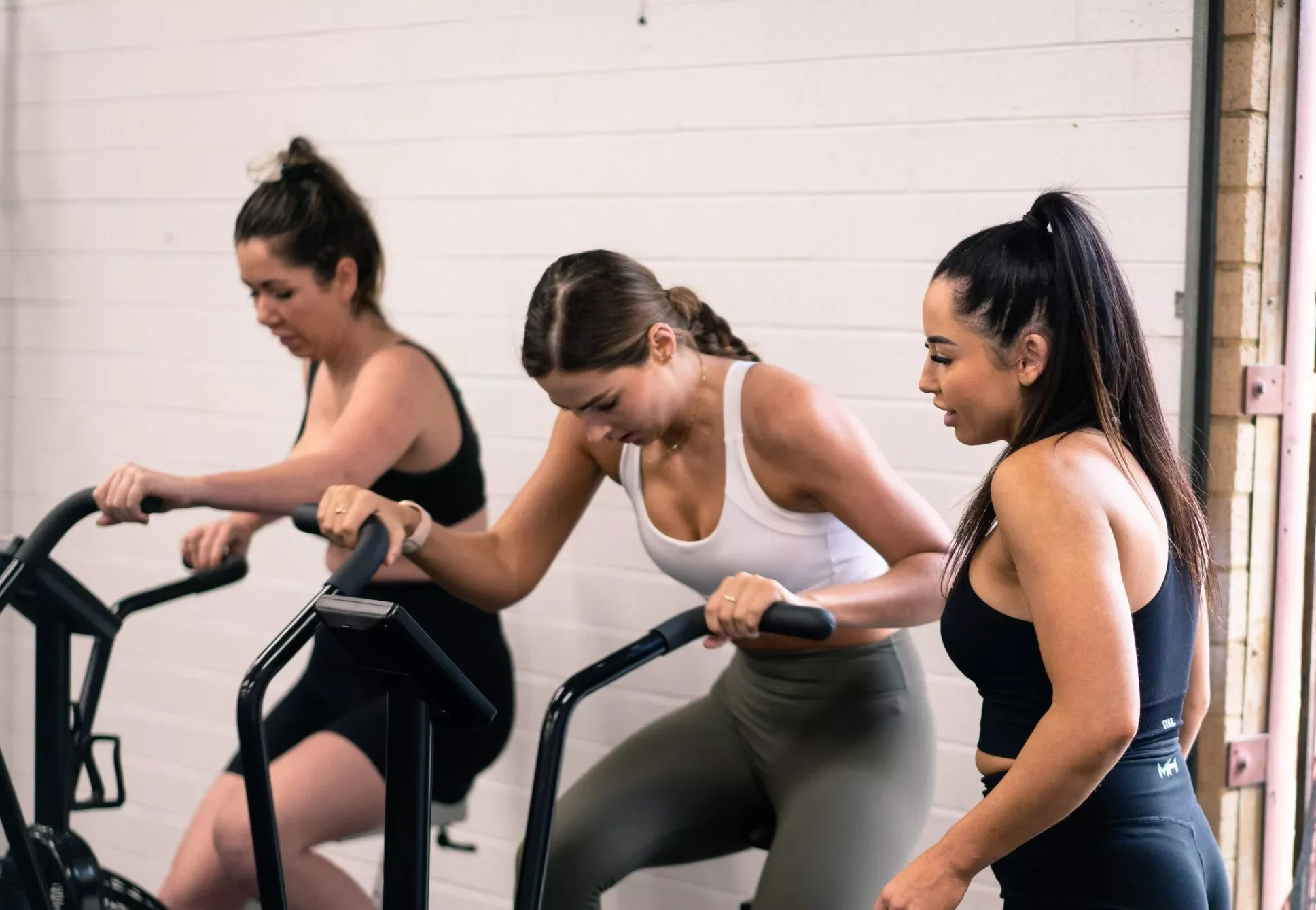
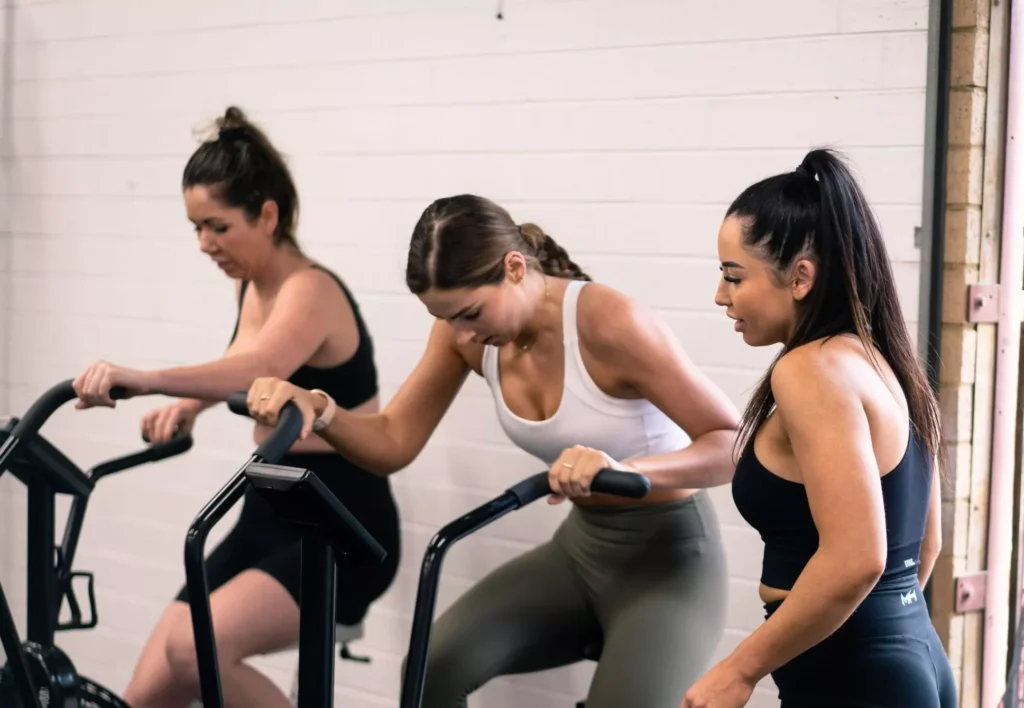
What is the best exercise for women’s health? A comprehensive routine must include a synergy of resistance training, cardiovascular conditioning, and flexibility work. Clinically, exercise impacts women’s health by modulating the Hypothalamic-Pituitary-Ovarian (HPO) axis, improving insulin sensitivity, and facilitating the healthy metabolism of estrogen.
Key benefits of a structured exercise program include:
- Hormonal Regulation: Reducing excess circulating androgens and stabilizing cortisol.
- Metabolic Support: Increasing the basal metabolic rate and skeletal muscle glucose uptake.
- Bone Health: Stimulating osteoblast activity to prevent osteopenia and osteoporosis.
- Mental Wellness: Boosting neuroplasticity and regulating mood-stabilizing neurotransmitters.
The Physiological Impact of Movement Modalities
Resistance Training and Metabolic Health
Strength training is perhaps the most underrated tool in women’s healthcare. Skeletal muscle is a primary site for glucose disposal. By increasing muscle mass, women can significantly improve insulin sensitivity, which is the primary driver for achieving remission in Polycystic Ovary Syndrome (PCOS). Furthermore, weight-bearing exercise is non-negotiable for maintaining bone density as estrogen levels fluctuate.
Cardiovascular Health and Estrogen Balance
Aerobic exercise supports heart health, which is critical since cardiovascular disease remains a leading health risk for women post-menopause. Regular cardio also assists the liver in processing and excreting used hormones, preventing “estrogen dominance”—a state often linked to heavy periods and fibroids.
The Nuance of Intensity and Cortisol
While high-intensity interval training (HIIT) is effective for fat loss, excessive high-intensity work without adequate recovery can lead to Functional Hypothalamic Amenorrhea (FHA). In this state, the body perceives chronic exercise stress as a threat to survival, causing it to shut down the reproductive system. Balancing intensity with restorative movement like yoga or swimming is vital for clinical health.
Key Insights: Practical Guidance for Women
To maximize the benefits of exercise in Vizag, women should align their activity with their biological needs:
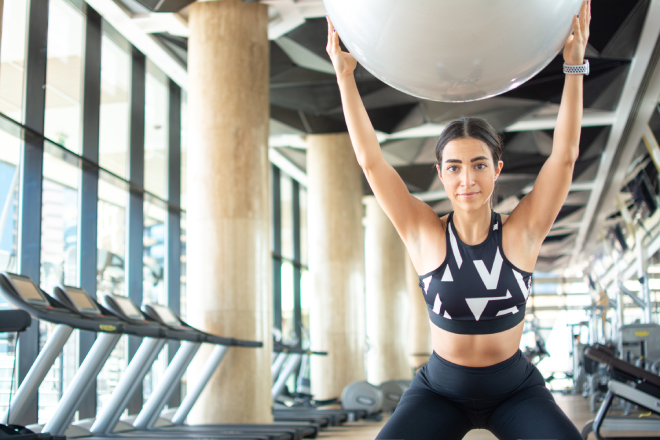
- Incorporate Multi-Joint Movements: Focus on squats, deadlifts, and presses. these movements engage the most muscle fibers and provide the greatest hormonal response.
- Practice Cycle Syncing: Many women find success by adjusting intensity based on their menstrual phase—opting for higher intensity during the follicular phase and lower-impact, restorative work during the luteal phase.
- Prioritize Pelvic Floor Integrity: Incorporate core stability work that protects the pelvic floor, especially for postpartum women or those experiencing stress incontinence.
- Focus on Consistency over Intensity: Clinical health markers improve more through 30 minutes of moderate daily movement than through sporadic, extreme sessions.
When to Seek Medical Help
Exercise should be a source of vitality, not injury or exhaustion. Consult a specialist if you experience:
- Exercise-Induced Amenorrhea: Your menstrual cycle stops or becomes highly irregular due to training.
- Persistent Pelvic Pain: Sharp or dull pain in the pelvic region during or after physical activity.
- Extreme Fatigue: A state of “burnout” where exercise leaves you exhausted for days rather than energized.
- Stress Incontinence: Any leakage of urine during high-impact movements like jumping or running.
- Joint and Bone Sensitivity: Recurring pain that may suggest a stress fracture or early-onset osteoarthritis.
3. Madhurawada women’s healthcare
People in Visakhapatnam seeking women’s healthcare often consult qualified specialists to ensure their fitness goals align with their medical requirements. Clinics in areas such as Madhurawada, MVP Colony, and Dwaraka Nagar provide access to diagnosis and treatment for sports-related female health issues and hormonal monitoring. Facilities like Vedanta Speciality Clinics are among those offering structured care for such conditions, providing the Vizag community with the expertise needed to integrate clinical health with an active lifestyle.
4. FAQ SECTION
What is the best exercise for women with PCOS? For women with PCOS, a combination of strength training and moderate-intensity steady-state (MISS) cardio is most effective. Strength training improves insulin sensitivity at the cellular level, while moderate cardio helps reduce systemic inflammation and lower androgen levels, helping to restore regular menstrual cycles.
Can exercise help reduce menstrual cramps? Yes, regular aerobic exercise increases blood flow and stimulates the release of endorphins, the body’s natural painkillers. It also helps lower the levels of pro-inflammatory prostaglandins, which are the chemicals responsible for uterine contractions and period pain.
Is it safe to lift heavy weights during pregnancy? In most cases, yes, provided the woman was lifting prior to pregnancy and has clinical clearance. Resistance training during pregnancy can reduce the risk of gestational diabetes and help with postpartum recovery. However, avoiding the Valsalva maneuver (breath-holding) and high-impact movements is generally recommended.
How much exercise is needed for bone health? To maintain bone density, women should engage in weight-bearing exercises (like walking, dancing, or jogging) and resistance training at least two to three times per week. These activities create a “stress” on the bone that signals the body to deposit more minerals, strengthening the skeletal structure.
Why do I feel weaker during my period? During the late luteal and early menstrual phases, estrogen and progesterone levels drop. This can affect muscle coordination and energy availability. It is often a period where the body requires more rest. Listening to these signals and opting for lighter movement can prevent injury.
Can too much exercise cause infertility? Excessive exercise combined with inadequate caloric intake can lead to a condition called the Female Athlete Triad. This results in the loss of periods (amenorrhea) because the body doesn’t have enough energy to support a pregnancy, which temporarily halts ovulation and fertility.
5. CONCLUSION
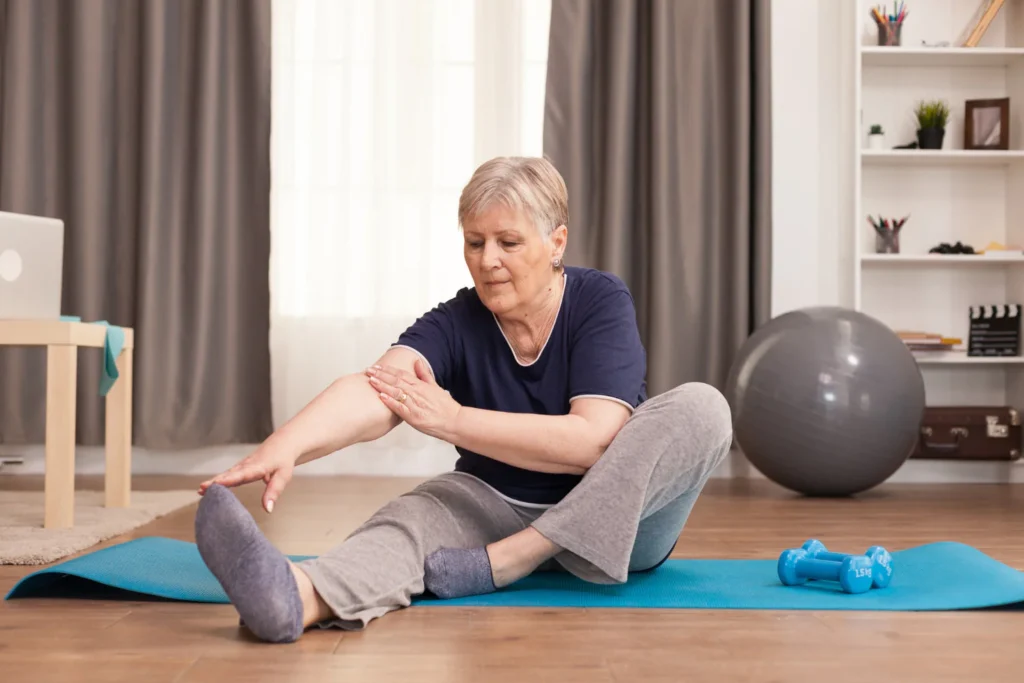
In conclusion, this exercise guide for women’s health emphasizes that movement is a powerful modulator of biological age and hormonal function. By prioritizing strength, cardiovascular resilience, and restorative practices, women can safeguard their health for decades to come. However, exercise must always be tailored to your unique clinical profile and life stage. Seeking guidance from an experienced women’s healthcare specialist can help ensure proper diagnosis and personalized care.

Leave a Comment