

Table of Contents
How Do You Manage High-Risk Pregnancy? Expert Guide for Vizag
Hearing the phrase “high-risk pregnancy” during an antenatal visit can immediately bring a flurry of questions and worries. If you are asking how do you manage high-risk pregnancy safely, it helps to take a deep breath first. Receiving this label does not mean something is wrong—it simply means your healthcare team will provide extra attention, closer monitoring, and tailored care to ensure a smooth journey for both you and your baby.
Every expecting mother hopes for an uncomplicated, peaceful nine months. However, life often comes with unique health factors. Whether you are navigating pre-existing conditions like thyroid imbalance or high blood pressure, balancing pregnancy in your mid-thirties, or managing gestational diabetes, modern medicine offers exceptional tools to support you.
Understanding how high-risk pregnancies are managed helps replace fear with actionable confidence. With close clinical supervision, proactive lifestyle adjustments, and consistent communication with a caring care team, the vast majority of high-risk pregnancies lead to healthy deliveries and happy mothers.

What Is a High-Risk Pregnancy?
A high-risk pregnancy is a gestation that involves health conditions—either pre-existing in the mother or developing during pregnancy—that increase the likelihood of medical complications for the mother, baby, or both. Managing it requires specialized clinical supervision, customized diagnostic monitoring, and personalized care protocols guided by FOGSI and ACOG guidelines.
How Common Is High-Risk Pregnancy in India?
It is helpful to know that navigating a high-risk pregnancy is far more common in India than many women realize.
According to maternal health research published by the Federation of Obstetric and Gynaecological Societies of India (FOGSI) and the Indian Council of Medical Research (ICMR), approximately 25% to 30% of pregnancies in India fall into the high-risk category.
Common High-Risk Factors Among Indian Pregnancies
[█████████████████████████████████████████] ~50% Maternal Anaemia (Hemoglobin < 11 g/dL)
[████████████████████████████████░░░░░░░░░] ~35% Gestational Diabetes Mellitus (GDM)
[████████████████████████░░░░░░░░░░░░░░░░░] ~25% Pregnancy-Induced Hypertension / Preeclampsia
[████████████████░░░░░░░░░░░░░░░░░░░░░░░░░] ~15% Thyroid Imbalances & Advanced Age (>35)
In vibrant coastal cities like Visakhapatnam, changing lifestyle habits, dietary shifts, and increased awareness mean more mothers are proactively seeking early screening. Regular checks with a knowledgeable obstetrician in Vizag help spot health variations early, transforming potential risks into well-managed, routine care pathways.
Key Signs and Symptoms You May Notice
While many high-risk conditions are detected during routine checkups, keeping track of your daily health helps you stay ahead. You may notice:
┌─────────────────────────────────────────────────────────────────────────────┐
│                    SIGNS THAT WARRANT CLINICAL REVIEW                       │
├──────────────────┬───────────────────────────┬──────────────────────────────┤
│ Category         │ Symptoms You May Notice   │ What It Could Indicate       │
├──────────────────┼───────────────────────────┼──────────────────────────────┤
│ Blood Pressure   │ Severe headaches, visual  │ Gestational hypertension or  │
│ Changes          │ blurring, upper belly pain│ preeclampsia                 │
├──────────────────┼───────────────────────────┼──────────────────────────────┤
│ Blood Sugar      │ Excessive thirst, frequent│ Gestational diabetes         │
│ Fluctuations     │ urination, fatigue        │ mellitus (GDM)               │
├──────────────────┼───────────────────────────┼──────────────────────────────┤
│ Physical Body    │ Sudden swelling in face,  │ Fluid retention or renal     │
│ Changes          │ hands, or feet            │ stress                       │
├──────────────────┼───────────────────────────┼──────────────────────────────┤
│ Fetal Activity   │ Reduced kick counts or    │ Placental or fetal oxygen    │
│ Shifts           │ quiet periods in motion   │ changes                      │
└──────────────────┴───────────────────────────┴──────────────────────────────┘
- Fluctuating Energy or Extreme Fatigue: May point to maternal anaemia or underlying thyroid imbalances.
- Persistent Headaches or Visual Spots: Could suggest sudden variations in blood pressure levels.
- Rapid Fluid Retention: Sudden swelling around your face or ankles rather than gradual, expected pregnancy changes.
- Unusual Abdominal Tightness: Early, regular contractions or lower back aching before reaching full term.
- Changes in Fetal Movement: Noticing a reduced pattern of kicks or rolls during the third trimester.
Root Causes and Contributing Factors
Understanding what makes a pregnancy high-risk makes it easier to take proactive steps. Primary causes generally divide into pre-existing conditions and pregnancy-induced developments:
                      ┌────────────────────────────────────────┐
                      │    CATEGORIES OF HIGH-RISK FACTORS     │
                      └───────────────────┬────────────────────┘
                                          │
         ┌───────────────────┬────────────┴────────────┬───────────────────┐
         ▼                   ▼                         ▼                   ▼
┌─────────────────┐ ┌─────────────────┐       ┌─────────────────┐ ┌─────────────────┐
│ Pre-Existing    │ │ Maternal Age    │       │ Pregnancy-Led   │ │ Multiple        │
│ Conditions      │ │ Considerations  │       │ Conditions      │ │ Gestations      │
│ Diabetes, BP,   │ │ First pregnancy │       │ GDM, Preeclampsia│ │ Twins, triplets,│
│ Thyroid, PCOS   │ │ under 18 or >35 │       │ Low fluid, placenta│ extra fluid     │
└─────────────────┘ └─────────────────┘       └─────────────────┘ └─────────────────┘
1. Pre-Existing Health Conditions
If you have high blood pressure, type 1 or type 2 diabetes, thyroid disorders, kidney issues, or Polycystic Ovary Syndrome (PCOS), your body works harder during pregnancy. Managing these baseline conditions before and during pregnancy ensures stability for both you and your baby.
2. Maternal Age Factors
Conceiving under the age of 18 or above 35 can alter pregnancy dynamics. Mothers over 35 have a slightly higher likelihood of gestational diabetes, high blood pressure, or genetic variations, all of which respond well to early screening.
3. Pregnancy-Induced Complications
Some conditions arise specifically during pregnancy, even in previously healthy women. These include:
- Gestational Diabetes Mellitus (GDM): Hormonal changes affecting blood sugar control.
- Preeclampsia: High blood pressure developing after 20 weeks, accompanied by protein in the urine.
- Placental Previa or Accreta: When the placenta covers the cervix or attaches deeply to the uterine wall.
- Fetal Growth Restriction (FGR): When a baby grows more slowly than expected inside the womb.
4. Multiple Gestations (Twins or Triplets)
Carrying more than one baby increases the physical demand on your body. Twin pregnancies call for closer monitoring of cervical length, fluid levels, and delivery timing.
5. Lifestyle and Nutritional Factors
In South Asia, dietary habits, iron-deficiency anaemia, high chronic stress, or lack of rest can affect maternal health. Addressing nutritional needs early helps strengthen your body for pregnancy.
How Do You Manage High-Risk Pregnancy Through Diagnostics?
When asking how do you manage high-risk pregnancy clinically, the answer lies in structured, personalized diagnostic care:
┌─────────────────────────────────────────────────────────────────────────────┐
│                    HIGH-RISK DIAGNOSTIC & MONITORING TOOLS                  │
├─────────────────────────────────────┬───────────────────────────────────────┤
│ Diagnostic Tool                     │ Clinical Purpose & Value              │
├─────────────────────────────────────┼───────────────────────────────────────┤
│ Serial Color Doppler Ultrasounds    │ Tracks blood flow through umbilical   │
│                                     │ cord and placental arteries           │
├─────────────────────────────────────┼───────────────────────────────────────┤
│ Non-Stress Testing (NST)            │ Records fetal heart rate response     │
│                                     │ during natural fetal movements        │
├─────────────────────────────────────┼───────────────────────────────────────┤
│ Biophysical Profile (BPP)           │ Combines ultrasound and NST to check  │
│                                     │ breathing, movement, and fluid volume │
├─────────────────────────────────────┼───────────────────────────────────────┤
│ Continuous Glycemic Logs            │ Monitors daily blood glucose trends   │
│                                     │ after meals and fasting               │
└─────────────────────────────────────┴───────────────────────────────────────┘
- More Frequent Antenatal Visits: Instead of monthly checks, your doctor may schedule visits every two weeks or weekly to monitor blood pressure, weight, and urine samples.
- Targeted Ultrasonography: Specialized Level II anomaly scans and serial growth ultrasounds evaluate organ development and track growth patterns over time.
- Color Doppler Blood Flow Studies: Evaluates whether nutrients and oxygen are flowing smoothly through the umbilical artery to your baby.
- Fetal Heart Monitoring (NST): Traces your baby’s heart rate in response to movement, confirming safety during the final weeks of pregnancy.
Medical Management & Treatment Approaches
Care plans for high-risk pregnancies are tailored to each mother’s unique needs. Treatment focuses on preventive care and supportive therapy:
- Glycemic Management: If gestational diabetes is identified, management starts with balanced meal planning, gentle walking, and regular home blood sugar logs. Insulin or oral medications may be recommended if blood sugars need extra support.
- Hypertension Control: Safe, pregnancy-approved antihypertensive medications help keep blood pressure within healthy ranges, protecting both maternal kidney health and placental blood flow.
- Anaemia Correction: Iron supplements—or short-term intravenous iron infusions if oral tablets cause stomach upset—help restore healthy hemoglobin levels.
- Progesterone Support & Cervical Care: For women with a history of early labor or a short cervix, natural progesterone support or a simple cervical stitch (cerclage) helps maintain pregnancy to full term.
How Early Should I Start Prenatal Care in Visakhapatnam?
A vital question for any expecting mother is: How early should I start prenatal care in Visakhapatnam?
If you have pre-existing health conditions or have experienced complications in a past pregnancy, starting prenatal care before conceiving (pre-conception planning) or immediately after a positive home pregnancy test (around 5 to 6 weeks) is ideal.
Timeline for High-Risk Antenatal Care
  ┌─────────────────────────┐
  │ Pre-Conception Visit    │ Optimize thyroid, blood sugar, & medications before pregnancy
  └────────────┬────────────┘
               ▼
  ┌─────────────────────────┐
  │ First Visit (5-7 Wks)   │ Early viability scan, blood panels, & baseline BP setup
  └────────────┬────────────┘
               ▼
  ┌─────────────────────────┐
  │ Customized Plan         │ Bi-weekly visits, targeted scans, & nutrition strategy
  └────────────┬────────────┘
               ▼
  ┌─────────────────────────┐
  │ Third Trimester         │ NST checks, Doppler scans, & safe delivery planning
  └─────────────────────────┘
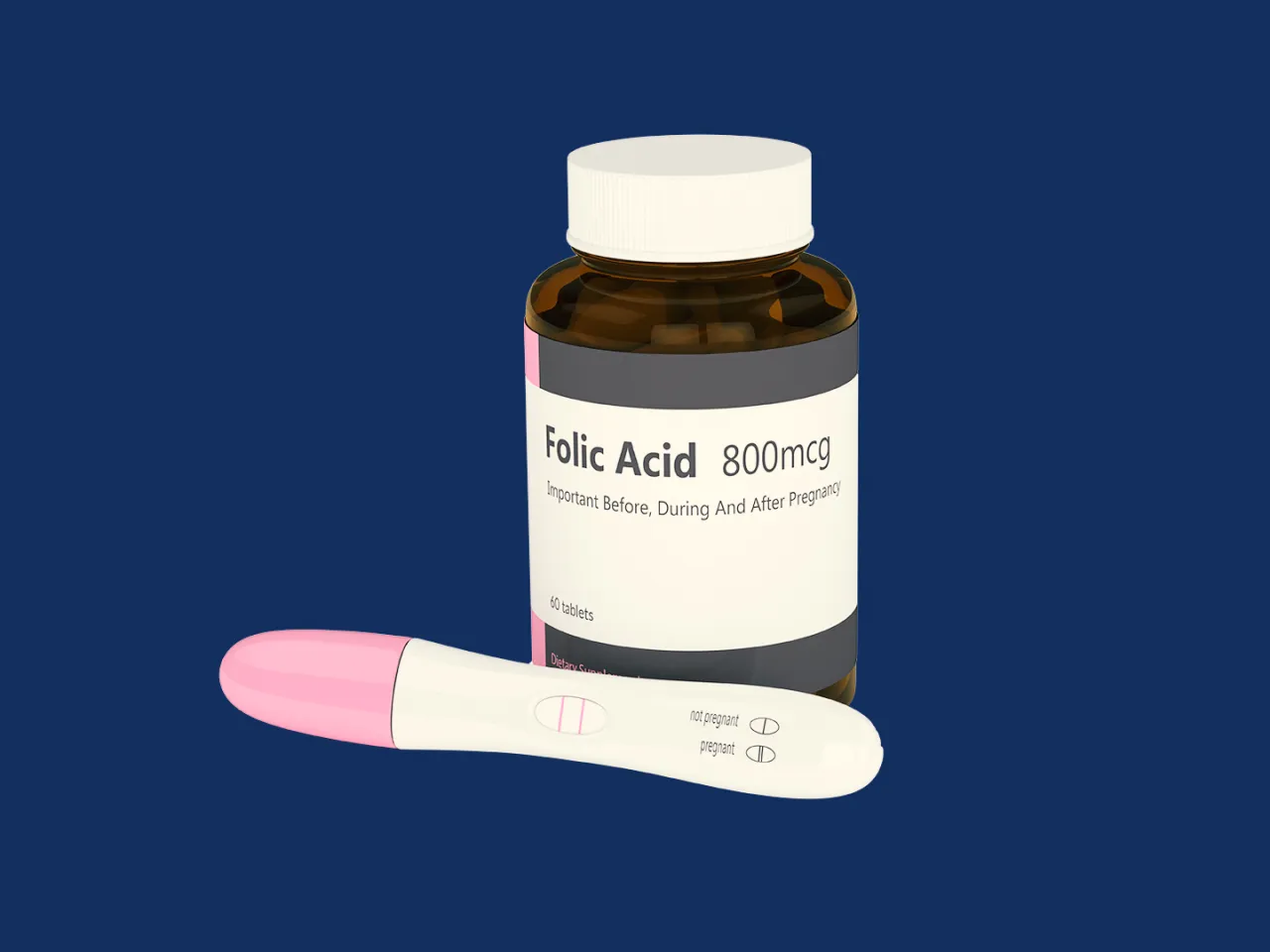
Early evaluation lets your doctor adjust medications, start higher doses of folic acid, and map out a calm, reassuring care plan long before complications have a chance to arise.

When Should You See a Doctor?
While structured care keeps high-risk pregnancies on a safe path, knowing when to seek prompt medical guidance gives you extra peace of mind.
┌─────────────────────────────────────────────────────────────────────────────┐
│                          WHEN TO SEEK CLINICAL CARE                         │
├─────────────────────────────────────┬───────────────────────────────────────┤
│ Routine Antenatal Care              │ Immediate Medical Attention Needed    │
├─────────────────────────────────────┼───────────────────────────────────────┤
│ • Scheduled bi-weekly visits        │ • Vaginal bleeding or fluid leakage   │
│ • Blood sugar and BP log reviews    │ • Sudden severe headache or blurred   │
│ • Routine growth and Doppler scans  │   vision                              │
│                                     │ • Sharp abdominal pain or contractions│
│                                     │ • Reduced fetal kick count pattern    │
└─────────────────────────────────────┴───────────────────────────────────────┘
You should contact your healthcare provider immediately if:
- You notice any vaginal bleeding, spotting, or sudden fluid leakage.
- You experience a severe, persistent headache that does not improve with rest.
- You feel sharp lower abdominal pain or sudden, regular uterine tightening.
- You notice a distinct decrease or sudden shift in your baby’s kick counts during the third trimester.
- Your home blood pressure readings stay consistently high.
If you recognise several of these symptoms in yourself, speaking to a qualified gynaecologist is the most important next step. Dr. Devani Chalamuri at Vedanta Speciality Clinics in Madhurawada, Vizag specialises in high-risk obstetrics and maternal-fetal wellness, offering compassionate, evidence-based care for women across Visakhapatnam.
Frequently Asked Questions
How do you manage high-risk pregnancy safely at home and in the clinic?
Managing a high-risk pregnancy involves combining structured clinical monitoring—such as frequent ultrasounds and blood pressure checks—with supportive lifestyle changes like balanced nutrition, proper hydration, gentle rest, and tracking fetal kick counts.
What makes a pregnancy high-risk in India?
A pregnancy may be considered high-risk due to pre-existing conditions like diabetes or chronic hypertension, advanced maternal age, multiple gestations (twins), severe maternal anaemia, or pregnancy-induced issues like preeclampsia.
Which doctor should I see for high-risk pregnancy in Vizag?
You should consult an experienced lady gynecologist and high-risk obstetrician. Dr. Devani Chalamuri at Vedanta Speciality Clinics in Madhurawada provides expert antenatal evaluations, customized treatment plans, and continuous monitoring across Visakhapatnam.
Does a high-risk pregnancy always mean a C-section delivery?
No, having a high-risk pregnancy does not automatically mean you must have a Caesarean section. Many women with well-managed conditions go on to have safe, successful vaginal births under close medical supervision.
How often will I need scans during a high-risk pregnancy?
Your scan frequency depends on your specific health factors. While standard pregnancies usually involve 3 to 4 scans, high-risk cases may require serial growth ultrasounds or Doppler assessments every 2 to 4 weeks.
Can I get high-risk prenatal care in Madhurawada?
Yes, expecting mothers in Madhurawada and surrounding Vizag localities can access complete high-risk pregnancy monitoring, laboratory tests, and expert consultation locally at Vedanta Speciality Clinics.
How does PCOS affect pregnancy risk?
PCOS can increase the risk of gestational diabetes, pregnancy-induced hypertension, or early spotting. With early monitoring, dietary management, and medical guidance, these risks can be managed effectively.
What lifestyle changes help manage a high-risk pregnancy?
Eating nutrient-dense traditional foods, staying well-hydrated, avoiding unnecessary physical strain, prioritizing restful sleep, and taking prescribed prenatal supplements under medical advice all play vital roles.

Empowering Your Pregnancy Journey
Knowing how do you manage high-risk pregnancy with expert care, modern diagnostics, and supportive lifestyle choices changes everything. A high-risk label is simply a plan for extra care—a way to ensure both you and your baby get all the support you need.
By staying connected with your medical team, keeping up with scheduled checks, and listening to your body, you can navigate these months with confidence, clarity, and peace of mind.
If you are navigating a high-risk pregnancy or looking for personalized antenatal guidance, Dr. Devani Chalamuri at Vedanta Speciality Clinics, Madhurawada, Vizag is available for a consultation.



Leave a Comment