

Table of Contents
How to Deliver a Baby Naturally: Steps, Preparation & Expert Tips
If you are wondering how to deliver a baby naturally, you are taking a wonderful, proactive step toward understanding your body’s innate capability. Bringing a child into the world through natural vaginal delivery is a profound, physiological journey that requires physical strength, mental calm, and knowledgeable medical guidance.
Many expectant mothers hope for a smooth, natural birth experience free from unnecessary interventions, yet feel uncertain about how to prepare their bodies during pregnancy.
While every labor unfolds uniquely, preparing early with doctor-approved physical conditioning, focused breathing techniques, balanced nutrition, and emotional confidence greatly supports your body’s ability to navigate labor effectively.
Partnering with an experienced women’s health specialist who listens to your birthing goals allows you to build a safe, personalized birth plan. By understanding what happens during spontaneous labor, you can look forward to your delivery date with clarity and confidence.

What is a Natural Delivery?
A natural delivery (spontaneous vaginal birth) refers to the process of giving birth through the birth canal without surgical intervention or major medical procedures. It relies on the mother’s physiological labor contractions, natural hormonal releases (such as oxytocin), rhythmic breathing, and active bearing-down efforts to safely deliver the baby.
Physiological Progression of Spontaneous Vaginal Delivery

Stage 1: Early & Active Labor
├── Cervical Effacement ────────────── Contractions Intensity Rises ────────────── 10 cm Full Dilation ──┤

Stage 2 & 3: Birth & Placenta
├── Maternal Pushing Effort ──────────────── Delivery of Baby ──────────────── Delivery of Placenta ──┤
How Common is Natural Delivery in India?
Vaginal birth remains the most common way Indian women give birth. Data from the National Family Health Survey (NFHS-5) shows that while surgical delivery rates have risen in urban healthcare settings, the majority of births across India continue to be vaginal deliveries.
In coastal hubs across Andhra Pradesh, including Visakhapatnam, there is growing interest among young mothers in natural birthing practices, prenatal yoga, and labor preparation workshops.
Many modern women actively seek birthing facilities that respect the natural labor process while offering medical safety nets.
Understanding that your body is naturally designed for childbirth helps remove anxiety, paving the way for a positive birthing experience grounded in evidence-based care.
Key Signs That Labor is Approaching
As your pregnancy nears the 37 to 40-week mark, your body begins displaying subtle signs that prepare you for childbirth. Recognizing these signs helps you know when labor is drawing near:
- Lightening (Baby Dropping): You may feel the baby settle deeper into your pelvis, relieving pressure on your diaphragm and making breathing easier, though increasing pelvic pressure.
- Loss of the Mucus Plug (Bloody Show): A small amount of pinkish or brownish mucus discharge may pass as your cervix begins to soften and dilate slightly.
- Nest-Building Instinct: A sudden surge of physical energy and a strong desire to organize your home often occurs in the days leading up to labor.
- Irregular Braxton Hicks Contractions: Mild, tightening sensations across your abdomen that feel like menstrual cramps, serving as practice warm-ups for real labor.
- Rupture of Membranes (Water Breaking): A trickle or sudden gush of clear amniotic fluid, signaling that it is time to contact your healthcare provider.
5 Essential Factors Supporting Natural Birthing
Preparing your body for a spontaneous vaginal delivery involves building endurance, flexibility, and hormonal balance throughout your second and third trimesters. Here are six core factors that directly influence a natural outcome:
┌─────────────────────────────────────────────────────────────────────────────┐
│                 KEY ELEMENTS FOR NATURAL BIRTH PREPARATION                  │
├──────────────────┬───────────────────────────┬──────────────────────────────┤
│ Focus Area       │ Clinical Mechanism        │ Practical Daily Action       │
├──────────────────┼───────────────────────────┼──────────────────────────────┤
│ Pelvic Floor     │ Opens pelvic outlet,      │ Guided squats, butterfly     │
│ Flexibility      │ strengthens birth muscle  │ poses, Kegel exercises       │
├──────────────────┼───────────────────────────┼──────────────────────────────┤
│ Maternal Blood   │ Prevents muscle exhaustion│ Daily iron-rich diet,        │
│ Parameters       │ during long active labor  │ timely iron supplementation  │
├──────────────────┼───────────────────────────┼──────────────────────────────┤
│ Fetal Positioning│ Helps baby settle head-   │ Forward-leaning postures,    │
│                  │ down (anterior position)  │ regular daily walking        │
├──────────────────┼───────────────────────────┼──────────────────────────────┤
│ Stress & Cortisol│ Preserves natural end-    │ Lamaze breathing, deep       │
│ Management       │ endogenous oxytocin surges│ relaxation, meditation       │
└──────────────────┴───────────────────────────┴──────────────────────────────┘
1. Consistent Daily Physical Activity
Regular 30-minute walks help encourage the baby’s head to drop into the pelvic brim. Gentle prenatal squats and pelvic tilts expand pelvic space, strengthening the thigh and hip muscles needed during active pushing.
2. Optimal Hemoglobin and Iron Levels
Labor requires significant stamina. Managing iron-deficiency anaemia—a common concern among Indian pregnant women—ensures your body maintains sufficient muscle oxygenation and endurance during labor contractions.
3. Fetal Positioning Support
Avoiding slouched seating in deep sofas during late pregnancy encourages the baby to rest in the anterior position (facing your back), which is the most favorable alignment for smooth progression through the birth canal.
4. Hydration and Nutritional Reserves
Consuming easy-to-digest, nutrient-rich meals keeps your glycogen stores full. Staying well-hydrated throughout late pregnancy prevents muscle cramping and false labor stalls.
5. Mind-Body Breathing & Relaxation
Stress elevates adrenaline, which can slow natural oxytocin production and delay labor progress. Learning rhythmic breathing techniques helps you work with labor contractions rather than fighting them.
How Obstetricians Evaluate Readiness for Natural Labor
During your final trimester visits, an obstetrician in Vizag will gently monitor key physical parameters to ensure that a natural delivery is a safe option for both mother and child:
- Bishop Score Assessment: A clinical evaluation assessing cervical softness, effacement (thinning), dilation, and position to determine how ready your cervix is for labor.
- Pelvic Assessment (Pelvimetry): Checking the shape and size of your pelvic structure to ensure adequate space for the baby to pass through comfortably.
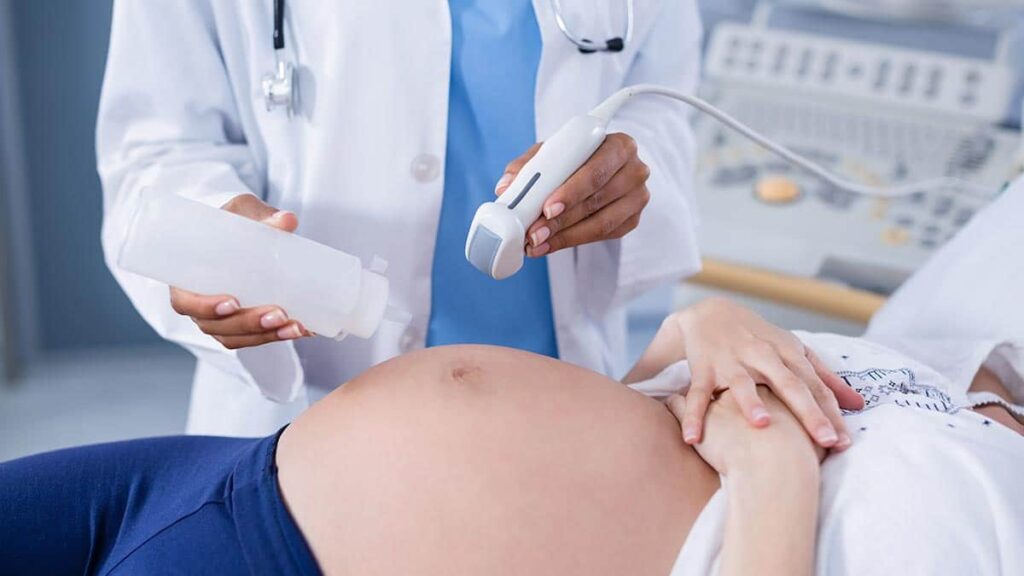
- Fetal Growth & Biophysical Profile: Ultrasound scans evaluate baby weight estimates, placental health, amniotic fluid volume, and umbilical blood flow.
                    ┌──────────────────────────────────┐
                    │  LABOR READINESS EVALUATION      │
                    └─────────────────┬────────────────┘
                                      │
         ┌────────────────────────────┼────────────────────────────┐
         ▼                            ▼                            ▼
┌─────────────────┐          ┌─────────────────┐          ┌─────────────────┐
│ Cervical Status │          │ Pelvic Capacity │          │ Fetal Growth    │
│ Bishop score for│ ───────► │ Assessing       │ ───────► │ Ultrasound for  │
│ dilation/thinning│         │ pelvic dimensions│        │ position/weight │
└─────────────────┘          └─────────────────┘          └─────────────────┘

What Are the Options for Managing Labor Pain Naturally?
Managing labor discomfort without immediately turning to epidural analgesia is a core priority for many women exploring how to deliver a baby naturally. A gynaecologist may recommend several non-pharmacological comfort measures:
Active Movement and Postural Changes
Staying mobile during early labor—walking around the room, swaying on a birthing ball, or leaning on a birth partner—uses gravity to bring the baby down and lessens contraction intensity.
Hydrotherapy & Warm Compresses
Warm showers or applying warm water packs to the lower back relieve muscular tension, soothe back labor discomfort, and promote relaxation between contractions.
Continuous Doula or Partner Support
Having a reassuring support person providing gentle lower back counter-pressure and encouraging words keeps adrenaline low, allowing natural endorphins (the body’s natural pain relievers) to flow.
When Should You See a Doctor or Head to the Hospital?
While preparing for a natural delivery is empowering, recognizing medical signals that require direct clinical care ensures maximum safety for you and your baby. You should contact a lady gynecologist or head to your delivery hospital when:
- Contractions become regular, arriving every 3 to 5 minutes, lasting 60 seconds each, over a period of 1 hour.
- Your water breaks, whether as a continuous trickle or a sudden fluid release.
- You notice bright red vaginal bleeding rather than pinkish mucus show.
- You experience a noticeable decrease in normal fetal movements.
- You develop severe headaches, blurred vision, or sharp upper abdominal pain.
If you recognise several of these symptoms in yourself, speaking to a qualified gynaecologist is the most important next step. Dr. Devani Chalamuri at Vedanta Speciality Clinics in Madhurawada, Vizag specializes in maternal health and offers compassionate, evidence-based care for women across Visakhapatnam.
Frequently Asked Questions
How can I increase my chances of having a natural normal delivery?
Staying physically active with doctor-approved exercises like prenatal yoga and daily walking, maintaining an optimal blood hemoglobin level, managing pregnancy weight gain, and attending birthing classes significantly improve your chances of a natural delivery.
Which doctor should I see for normal delivery guidance in Vizag?
You should consult an experienced lady gynecologist or women’s health specialist who strongly supports physiological labor and provides personalized prenatal care. Dr. Devani Chalamuri at Vedanta Speciality Clinics in Madhurawada offers comprehensive guidance for natural childbirth.
Is natural delivery possible if I have low hemoglobin or anaemia?
Yes, but addressing anaemia early in pregnancy is essential. Improving iron intake through dietary adjustments and prescribed supplements ensures adequate stamina and safety during physiological labor.
How do I know if I am in active labor?
Active labor is characterized by regular uterine contractions that grow progressively stronger, longer, and closer together (occurring roughly every 3 to 5 minutes), along with gradual cervical dilation and potential rupture of membranes.
Are squatting exercises safe for preparing for natural birthing?
Squatting helps open the pelvic outlet and strengthens thigh muscles. However, you should always confirm with your pregnancy doctor Visakhapatnam that you have no complications, such as placenta previa or cervical insufficiency, before starting pelvic exercises.
Can I get natural delivery counseling and prenatal care in Madhurawada?
Yes, women in Madhurawada, Yendada, and surrounding Visakhapatnam areas can access structured prenatal counseling, labor preparation, and maternal health monitoring at Vedanta Speciality Clinics with Dr. Devani Chalamuri.
What is the role of breathing techniques during natural labor?
Controlled rhythmic breathing keeps oxygen flowing efficiently to your uterine muscles and baby, helps manage labor discomfort, prevents hyperventilation, and promotes relaxation between uterine contractions.
When should I go to the hospital during labor in Visakhapatnam?
Head to your birthing facility when contractions occur every 5 minutes lasting for about a minute each, if your water breaks, if you notice bright red vaginal bleeding, or if you experience a decrease in fetal movements.
Embracing Your Childbirth Journey with Confidence
Learning how to deliver a baby naturally is about trusting your body, educating yourself about the physiological process, and surrounding yourself with a supportive healthcare team.
Preparing early through gentle physical exercise, good nutrition, and emotional mindfulness builds the foundation for a positive, empowering birthing day.
If you are experiencing any of these symptoms or preparing for your upcoming delivery, Dr. Devani Chalamuri at Vedanta Speciality Clinics, Madhurawada, Vizag is available for a consultation — Book an Appointment.



Leave a Comment