
Table of Contents
How to Get Pregnant Naturally with PCOS: A Reassuring, Step-by-Step Guide
If you have been diagnosed with Polycystic Ovary Syndrome and are searching for how to get pregnant naturally with PCOS, please take a moment to breathe easy. Hearing that you have PCOS can feel overwhelming, especially when online forums paint a frightening picture of subfertility. However, having PCOS does not mean you cannot conceive or experience a smooth, healthy pregnancy.
In fact, PCOS is one of the most manageable causes of delayed conception. The primary hurdle in PCOS is not a lack of healthy eggs, but rather infrequent or unpredictable egg release (anovulation). By addressing the root metabolic and hormonal pathways—particularly insulin sensitivity and stress signaling—you can restore regular ovulation. With a thoughtful blend of targeted nutritional shifts, natural tracking, and evidence-based guidance, learning how to get pregnant naturally with PCOS becomes an empowering reality.
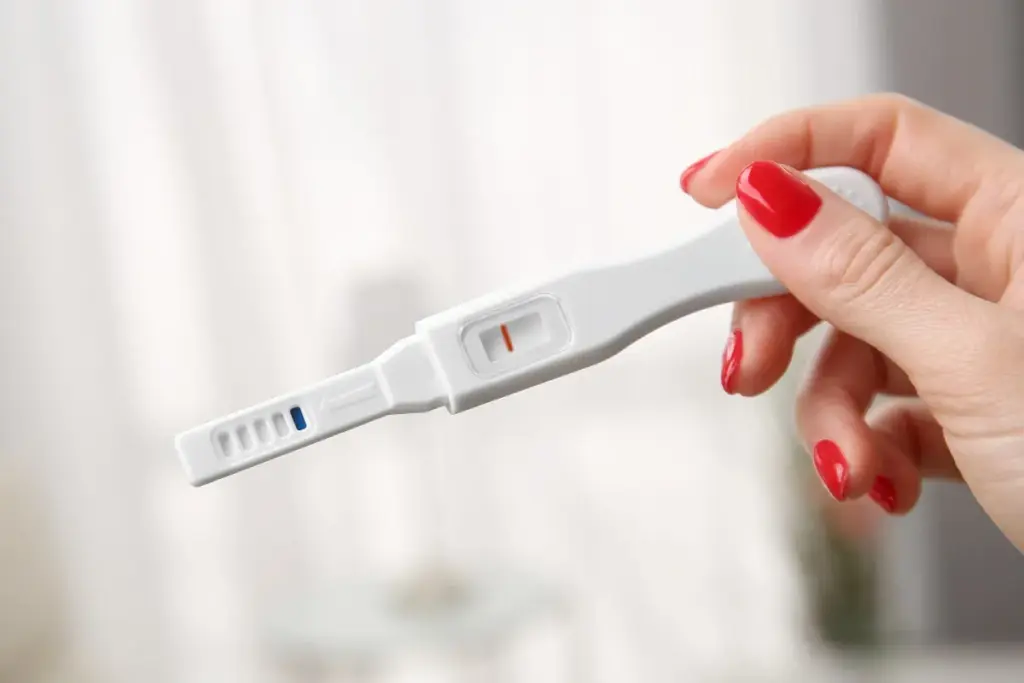
What Is PCOS and How Does It Affect Fertility?
Polycystic Ovary Syndrome (PCOS) is a multi-system metabolic and endocrine condition characterized by hormonal imbalances, elevated androgen (male hormone) activity, and small, immature follicles on the ovaries. It affects natural fertility primarily by delaying or preventing regular ovulation, making it challenging to predict fertile windows without medical or lifestyle interventions.
How Common Is PCOS Among Indian Women?
PCOS is remarkably common across India, making it a central topic in contemporary reproductive health:
- High Prevalence: According to epidemiology studies validated by the Indian Council of Medical Research (ICMR) and the Federation of Obstetric and Gynaecological Societies of India (FOGSI), PCOS affects between 10% and 22% of reproductive-age women in India.
- Urban & Coastal Trends: Urbanization, refined diets, and sedentary lifestyles have contributed to even higher rates in vibrant South Indian cities like Visakhapatnam, where up to 1 in 5 young women show symptoms of insulin resistance or irregular cycles.
- Manageable Condition: The World Health Organization (WHO) emphasizes that PCOS is a chronic condition that responds exceptionally well to non-invasive lifestyle optimization and dietary restructuring.
Knowing how widespread this condition is can help remove any sense of isolation, allowing you to focus on actionable steps toward hormonal balance.
┌─────────────────────────────────────────────────────────────────────────────┐
│                      UNDERSTANDING PCOS PHENOTYPES & CARE                   │
├───────────────────┬─────────────────────────────┬───────────────────────────┤
│ PCOS Phenotype    │ Primary Physical Indicators │ Focus Area for Natural    │
│ Type              │                             │ Conception                │
├───────────────────┼─────────────────────────────┼───────────────────────────┤
│ Insulin-Resistant │ Weight management challenges│ Low-GI foods, resistance  │
│ PCOS (~70%)       │ carb cravings, skin tags    │ training, myo-inositol    │
├───────────────────┼─────────────────────────────┼───────────────────────────┤
│ Inflammatory      │ Persistent joint aches,     │ Antioxidant-rich nutrition│
│ PCOS              │ skin flares, digestive shifts│ gut health optimization   │
├───────────────────┼─────────────────────────────┼───────────────────────────┤
│ Adrenal           │ High DHEA-S levels, stress- │ Cortisol reduction, sleep │
│ PCOS              │ induced cycle skipping      │ hygiene, nervous system   │
├───────────────────┼─────────────────────────────┼───────────────────────────┤
│ Post-Pill /       │ Temporary cycle delay after │ Gentle liver support,     │
│ Hormonal Shift    │ stopping birth control      │ nutrient replenishment    │
└───────────────────┴─────────────────────────────┴───────────────────────────┘
Subtle Signs You May Notice with PCOS
While every woman’s journey with PCOS looks slightly different, common signs often reflect underlying hormonal fluctuations:
- Irregular or Lengthy Cycles: Periods that arrive every 35 to 60 days, or skip several months entirely, indicating irregular egg development.
- Mild Hair Growth or Acne: Subtle excess hair on the chin, upper lip, or abdomen (hirsutism), along with stubborn hormonal acne around the jawline.
- Fluctuating Energy Levels: Post-meal fatigue, sudden energy crashes, or intense sugar cravings driven by insulin spikes.
- Variations in Cervical Fluid: Absence of the typical clear, stretchy, “egg-white” cervical mucus mid-cycle, making sperm passage more difficult.
- Unexplained Weight Changes: Difficulty losing weight around the midsection despite conscious efforts with diet and daily routines.
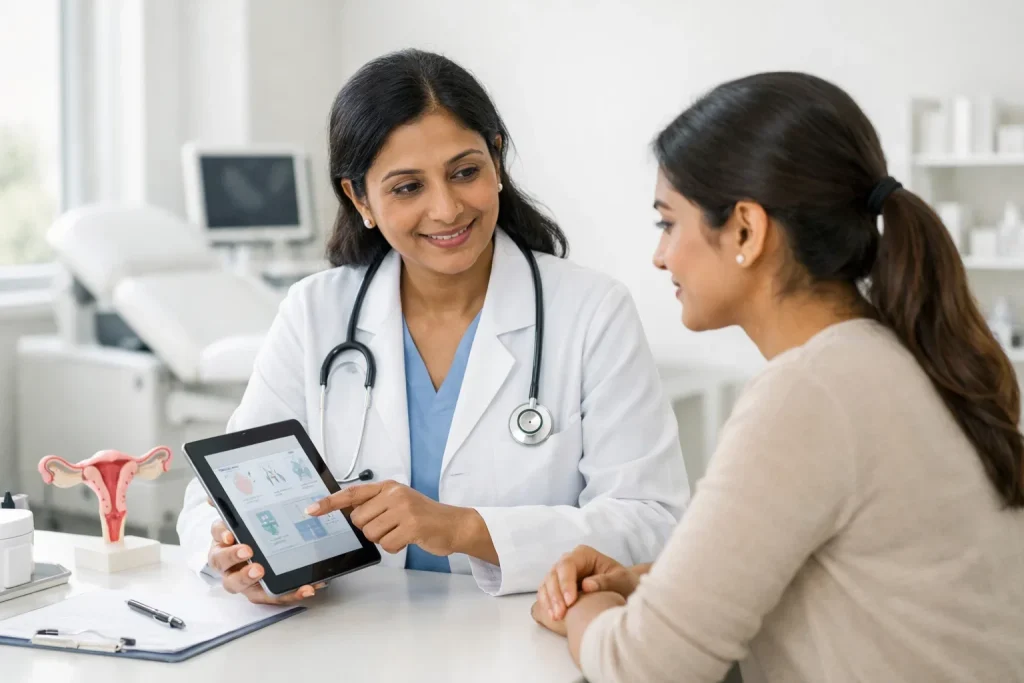
Root Causes of Delayed Ovulation in PCOS
Understanding why ovulation takes a backseat in PCOS is key to unlocking natural solutions:
1.1. Insulin Resistance:The primary driver of follicular delay.
Up to 70% of women with PCOS experience insulin resistance, where body cells do not respond efficiently to insulin. The pancreas overproduces insulin, which signals the ovaries to release excess androgens, stalling immature egg follicles before they can rupture.
2.2. Luteinizing Hormone (LH) Imbalance:Altered brain-ovary signals.
In a typical cycle, a sudden surge in LH triggers egg release. In women with PCOS, LH levels may remain consistently elevated throughout the cycle rather than surging at the right moment, keeping egg follicles in a resting phase.
3.3. Refined Diets & Low-Grade Inflammation:Impact of modern dietary habits.
Diets high in refined sugars, ultra-processed snacks, and trans fats promote systemic, low-grade inflammation. This inflammatory state further impairs insulin receptor sensitivity and interferes with healthy follicular maturation.
4.4. Chronic Physical and Emotional Stress:Elevated cortisol levels.
High daily stress elevates cortisol, which directly competes with progesterone production and alters hypothalamic signaling. This brain-pituitary axis shift can cause the body to temporarily pause ovulation.
5.5. Deficiencies in Key Nutrients:Micronutrient gaps.
Inadequate intake of essential micronutrients—such as Inositols, Vitamin D3, Zinc, and Active Folate—can weaken cellular metabolic pathways, slowing down healthy egg development within the ovarian follicles.
How Is PCOS Diagnosed in a Clinical Setting?
A medical evaluation for PCOS is thorough, structured, and entirely non-invasive. Specialist guidelines, such as the Rotterdam Criteria recommended by ACOG and FOGSI, require at least two of the following three markers:
- Ovulatory Dysfunction: Irregular, infrequent, or absent menstrual periods.
- Clinical or Biochemical Androgen Excess: Signs like facial hair or acne, or blood tests showing elevated free testosterone or DHEA-S.
- Polycystic Ovarian Morphology: A pelvic ultrasound showing 12 or more small (2–9 mm) immature follicles resting on one or both ovaries, often described as a “string of pearls.”
Your doctor will also run routine blood panels (TSH, Prolactin, Fasting Insulin, and HbA1c) to rule out thyroid or metabolic variations before confirming a management plan.
Natural & Medical Strategies to Restore Ovulation
Unlocking natural fertility with PCOS involves a progressive, multi-layered approach that builds a supportive environment for egg maturation:
1. Dietary Adjustments for Metabolic Balance
Instead of restrictive diets, focus on nourishing your body with balanced Indian meals:
- Prioritize Low-Glycemic Index (GI) Foods: Replace white rice and refined flour (maida) with complex grains like brown rice, foxtail millet (kangni), oats, and whole wheat.
- Add High Fiber and Protein: Pair every meal with fresh vegetables, lentils (dals), chickpeas, paneer, eggs, or lean protein to slow down glucose absorption.
- Include Healthy Fats: Incorporate ghee in moderation, along with walnuts, flaxseeds, and mustard oil, to support hormone synthesis.
2. Natural Ovulation Tracking Techniques
When periods are irregular, relying solely on mobile period apps can lead to missed fertile windows. Instead:
- Track Basal Body Temperature (BBT): Measure your temperature first thing every morning before getting out of bed. A subtle, sustained elevation (~0.5°F) indicates that ovulation has successfully occurred.
- Observe Cervical Fluid: Look for slippery, clear, stretchy cervical mucus, which signals peak estrogen levels and optimal fertile days.
3. Gentle Lifestyle & Physical Activity
Exercise for PCOS should focus on improving insulin sensitivity without overtaxing the adrenals:
- Combine 30 minutes of moderate cardiovascular movement (brisk walking, swimming) with light resistance or weight training 3 to 4 times a week.
- Practice calming activities like yoga (Pranayama) or meditation to manage stress and support balanced cortisol levels.
4. Evidence-Based Medical Support
When lifestyle adjustments need a gentle boost, a gynaecologist may recommend evidence-based supplements or mild medications:
- Myo-Inositol & D-Chiro-Inositol: Nutrients that enhance cell-level insulin sensitivity and improve egg quality.
- Ovulation Induction: Short courses of prescription medications (like Letrozole) under ultrasound monitoring to encourage the natural release of a mature egg.
When Should You See a Gynecologist in Vizag?
While lifestyle shifts lay a strong foundation, seeking expert medical evaluation ensures you save time and approach your fertility journey with total clarity. You should consider consulting a specialist if:
- You have been trying to conceive naturally for 6 to 12 months without success.
- Your menstrual cycles are consistently longer than 45 days or absent for consecutive months.
- You experience severe pelvic pain, intense hair loss, or sudden weight shifts.
- You wish to confirm whether you are ovulating regularly using guided follicular monitoring.
If you recognize several of these symptoms in yourself, speaking to a qualified gynaecologist is the most important next step. Dr. Devani Chalamuri at Vedanta Speciality Clinics in Madhurawada, Vizag specializes in reproductive health, PCOS management, and compassionate fertility care for women across Visakhapatnam.
Comparing Options: Lifestyle Care vs. Guided Medical Support
| Approach | Primary Focus | Best Suited For | Expected Timeline |
| Natural Lifestyle Optimization | Low-GI nutrition, movement, stress reduction, and home cycle tracking. | Women with mild PCOS symptoms or those beginning their pre-conception care. | 3 to 6 months to establish regular cycle patterns. |
| Guided Ovulation Monitoring | Serial ultrasound checks by a doctor to confirm follicle growth and fertile timing. | Women with irregular periods who want precise timing for natural intercourse. | 1 to 3 cycles of guided tracking. |
| Ovulation Induction Therapy | Gentle oral prescription medications to stimulate follicle maturation. | Women experiencing persistent anovulation despite lifestyle improvements. | 3 to 6 targeted, monitored cycles. |
Frequently Asked Questions
Can PCOS cause infertility in women permanently?
No, PCOS does not cause permanent infertility. It primarily leads to subfertility due to irregular ovulation, which can usually be restored through targeted diet shifts, lifestyle adjustments, and simple medical support.
How can I track ovulation naturally if my periods are irregular with PCOS?
Combining daily basal body temperature (BBT) tracking with observations of cervical mucus changes provides a clear picture of your fertile window, even when cycle lengths vary.
What dietary changes help restore ovulation naturally in PCOS?
Focusing on low-glycemic index foods, complex carbohydrates, adequate protein, fiber, and healthy omega-3 fats helps stabilize insulin levels, directly encouraging spontaneous ovulation.
How long does it take to regulate periods naturally with PCOS?
With consistent lifestyle, dietary, and stress management shifts, many women notice improvements in cycle regularity and ovulation within 3 to 6 months.
Which doctor should I see for PCOS fertility care in Vizag?
You can consult Dr. Devani Chalamuri, an experienced lady gynecologist Visakhapatnam and women’s health specialist practicing at Vedanta Speciality Clinics in Madhurawada.
When should I see a gynecologist in Vizag if I am not conceiving with PCOS?
It is advisable to consult a women’s health specialist if you have been actively trying for 6 to 12 months, or sooner if your periods are absent for several consecutive months.
Is myo-inositol safe to take for natural conception with PCOS?
Myo-inositol is a widely researched dietary supplement that supports insulin sensitivity and egg quality, but it should always be taken under the guidance of your gynaecologist.
Can I get expert PCOS and prenatal advice in Madhurawada?
Yes, comprehensive, evidence-based PCOS and pre-conception care is readily available at Vedanta Speciality Clinics in Madhurawada, Visakhapatnam, under Dr. Devani Chalamuri.
Empowering Your Pathway to Pregnancy
Having PCOS is simply a chapter in your journey, not the final outcome. By honoring your body with steady, nourishing habits, balancing your insulin levels, and tracking your cycle, you create the ideal environment for a natural pregnancy.
If you are experiencing any of these symptoms, Dr. Devani Chalamuri at Vedanta Speciality Clinics, Madhurawada, Vizag is available for a consultation — https://vedantaspecialityclinics.com/. Reaching out for professional advice will give you the confidence, clarity, and personalized care you need to take your next step.

Leave a Comment