
Table of Contents
Tips to Improve Fertility Naturally: An Evidence-Based Clinical Guide
The journey toward conception is deeply influenced by the delicate equilibrium of the endocrine system and overall metabolic health. While advanced reproductive technologies offer incredible solutions, many women seek foundational tips to improve fertility naturally to optimize their bodies for a healthy pregnancy. Natural fertility optimization is not about “miracle cures” but about utilizing clinical insights to enhance egg quality, regulate ovulation, and prepare the uterine environment.
By aligning lifestyle choices with biological needs, individuals can significantly improve their reproductive potential. Whether you are just beginning to plan your family or have been attempting to conceive for several months, understanding the impact of nutrition, stress management, and environmental factors is essential. This guide provides a structured, authoritative overview of how to support your fertility through evidence-based natural interventions.

Understanding Natural Fertility Optimization
What are the best ways to improve fertility naturally? Natural fertility improvement centers on enhancing the Hypothalamic-Pituitary-Ovarian (HPO) axis, which governs reproductive hormones. Key strategies include maintaining a balanced Glycemic Index (GI) diet to regulate insulin, optimizing Body Mass Index (BMI) to ensure consistent ovulation, and reducing oxidative stress through antioxidant-rich nutrition.
Research indicates that even modest shifts in lifestyle—such as improving sleep hygiene and identifying the “fertile window” through biomarkers—can increase the probability of conception. These methods work by creating a physiological environment conducive to oocyte maturation and successful embryo implantation.
The Biological Foundations of Reproductive Health
1. Metabolic Health and Ovulation
Insulin resistance is a primary driver of ovulatory dysfunction, particularly in conditions like PCOS. High insulin levels can stimulate the ovaries to produce excess androgens, which halts the maturation of follicles. Managing blood sugar through complex carbohydrates and fiber helps maintain the hormonal balance necessary for regular periods.
2. Oxidative Stress and Egg Quality
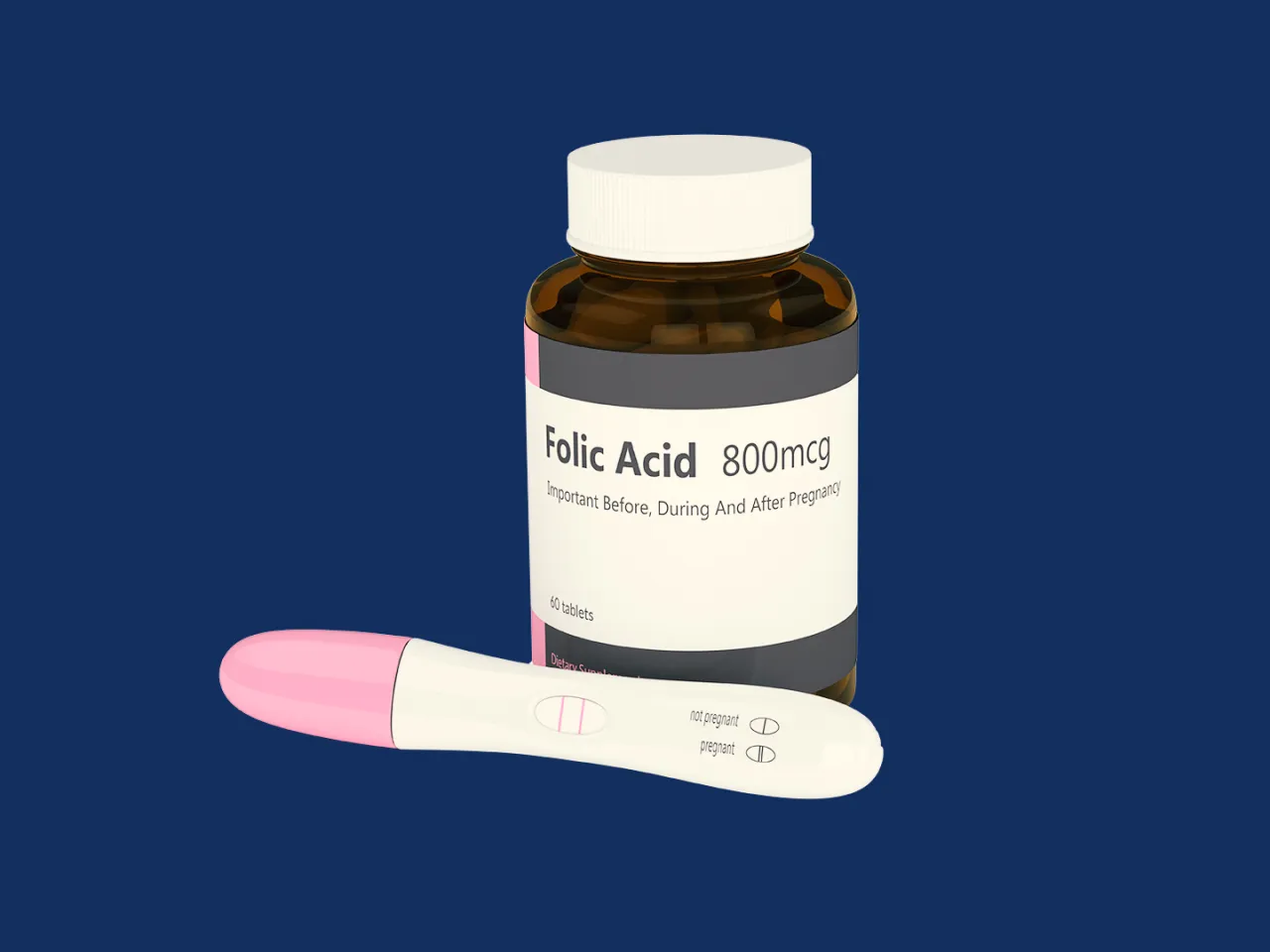
Oocytes (eggs) are highly sensitive to oxidative damage. Environmental toxins, processed foods, and age contribute to cellular stress that can affect the chromosomal integrity of the egg. Increasing the intake of antioxidants like CoQ10, Folic Acid, and Vitamin E can help mitigate this damage.
3. The Role of the Microbiome
Emerging clinical evidence suggests that the vaginal and uterine microbiomes play a role in fertility. A healthy balance of Lactobacillus species is associated with higher rates of successful implantation and lower risks of early pregnancy loss.
Key Insights: Practical Guidance for Natural Conception
To effectively enhance your reproductive health, consider these clinical-grade lifestyle adjustments:
- Prioritize a “Fertility Diet”: Focus on monounsaturated fats (like olive oil and avocados), plant-based proteins, and high-fiber vegetables. These nutrients support hormonal signaling and reduce systemic inflammation.
- Optimize Micronutrient Intake: Ensure adequate levels of Vitamin D, B12, and Zinc. A high-quality prenatal vitamin started three months prior to conception can bridge nutritional gaps.
- Cycle Tracking and Biomarkers: Move beyond calendar apps. Track Basal Body Temperature (BBT) and Cervical Mucus (CM) changes to identify the LH surge and confirm that ovulation is actually occurring.
- Manage Cortisol Levels: High stress triggers the “fight or flight” response, which can suppress the GnRH hormone, leading to delayed or absent ovulation. Practices like yoga or moderate walking can help modulate the stress response.
- Eliminate Endocrine Disruptors: Reduce exposure to Phthalates and Bisphenol A (BPA) found in plastics and certain personal care products, as these chemicals can mimic estrogen and disrupt natural cycles.
When to Seek Medical Help
While natural improvements are beneficial, they should not delay necessary medical intervention. Consult a gynaecologist immediately if:
- You are over the age of 35 and have not conceived after six months of trying.
- You have a history of irregular cycles or diagnosed conditions like endometriosis.
- You experience severe pelvic pain or have a history of pelvic inflammatory disease (PID).
- Your partner has known health issues that may affect sperm quality or count.
3. Visakhapatnam SECTION
People in Visakhapatnam seeking women’s healthcare often consult qualified specialists to integrate natural wellness with clinical diagnostics. Clinics in areas such as Madhurawada, MVP Colony, and Dwaraka Nagar provide access to diagnosis and treatment for hormonal imbalances. Facilities like Vedanta Speciality Clinics are among those offering structured care for such conditions, providing Vizag residents with comprehensive support for both natural and assisted reproductive journeys.
4. FAQ SECTION
Can changing my diet really help me get pregnant?
Yes, clinical studies show that a diet high in unsaturated fats, whole grains, and plant proteins—while low in refined sugars—improves ovulatory function. Proper nutrition helps regulate insulin levels, which in turn balances the reproductive hormones necessary for the maturation and release of a healthy egg.
How does caffeine intake affect female fertility?
While moderate caffeine (about one cup of coffee per day) is generally considered safe, excessive caffeine intake has been linked to delayed conception. High amounts of caffeine can interfere with the muscle contractions that help the egg travel through the fallopian tubes to the uterus.
Is it true that exercise can sometimes hurt fertility?
Balanced exercise is vital for fertility, but extreme, high-intensity training can be counterproductive. Very low body fat or excessive physical stress can signal the brain to “shut down” ovulation (hypothalamic amenorrhea). Moderate activity, like swimming or brisk walking, is usually the most beneficial for reproductive health.
Does sleep quality impact my ability to conceive?
Sleep is essential for the production of melatonin and the regulation of the HPO axis. Chronic sleep deprivation can disrupt the secretion of Follicle-Stimulating Hormone (FSH), which is required to trigger ovulation. Aiming for 7–9 hours of quality sleep supports natural hormonal rhythms.
What is the “fertile window” and how do I find it?
The fertile window includes the day of ovulation and the five days preceding it. You can identify this by tracking changes in cervical mucus (which becomes stretchy like egg whites) or using ovulation predictor kits (OPKs) that detect the surge in Luteinizing Hormone (LH).
Can supplements replace a healthy diet for fertility?
Supplements like Folic Acid and Vitamin D are crucial “add-ons,” but they cannot replace the complex phytonutrients found in whole foods. Supplements should be used to correct specific deficiencies identified by a specialist and to ensure the body has the extra nutrients required for early fetal development.

5. CONCLUSION
Improving fertility naturally involves a holistic commitment to metabolic, hormonal, and emotional health. By focusing on nutrient-dense foods, managing stress, and understanding your unique cycle, you empower your body for the task of conception. While these natural strategies provide a powerful foundation, they are most effective when monitored by a healthcare professional. Seeking guidance from an experienced women’s healthcare specialist can help ensure proper diagnosis and personalized care.


Leave a Comment