
Table of Contents
Indian Women Diet Plan in Pregnancy: Nourishing Mother and Baby
Finding out you are pregnant is a joyful milestone filled with excitement, wonder, and meaningful anticipation. As you begin this journey, planning a wholesome Indian women diet plan in pregnancy becomes one of the most powerful ways to nurture your growing baby while keeping your own body strong and energized.
In traditional Indian households—whether in bustling coastal cities like Visakhapatnam or close-knit family homes across Andhra Pradesh—pregnancy is celebrated with love, wisdom, and plenty of advice from elders.
However, with so many opinions on what to eat, what to avoid, and how much to consume, it is easy for an expectant mother to feel overwhelmed.
Understanding how to build a nutrient-dense Indian meal plan rooted in scientific guidelines brings clarity to your daily kitchen routine.
By balancing traditional foods like lentils, fresh vegetables, dairy, and whole grains with evidence-based maternal nutrition, you can nourish yourself with joy and peace of mind alongside a trusted lady gynecologist.

What Does Good Pregnancy Care Involve?
Good pregnancy care combines routine antenatal clinical visits, screening ultrasounds, essential nutrient supplementation (folic acid, iron, calcium), and a balanced, culturally adapted diet. Grounded in FOGSI and WHO guidelines, it ensures fetal growth monitoring, early risk detection, and physical and emotional support for the mother from conception through birth.
                  ┌─────────────────────────────────────────┐
                  │    HOLISTIC MATERNAL CARE TRIANGLE      │
                  └────────────────────┬────────────────────┘
                                       │
         ┌─────────────────────────────┼─────────────────────────────┐
         ▼                             ▼                             ▼
┌─────────────────┐           ┌─────────────────┐           ┌─────────────────┐
│ Clinical Visits │           │ Dietary Balance │           │ Physical & Mind │
│ FOGSI checkups, │ ────────► │ Iron, calcium,  │ ────────► │ Moderate movement,│
│ scans & lab work│           │ protein & fiber │           │ rest & emotional│
└─────────────────┘           └─────────────────┘           │ wellness        │
                                                            └─────────────────┘
Prevalence of Nutritional Deficiencies in Indian Pregnancies
Nutrition is the foundation of maternal and fetal health, yet nutritional gaps remain widespread across India. National Family Health Survey (NFHS-5) data reveals that over 52% of pregnant Indian women suffer from iron-deficiency anemia.
Furthermore, subclinical vitamin D deficiency affects up to 70% to 80% of expectant mothers in urban areas due to limited sunlight exposure and dietary habits.
In South India, where rice-heavy diets are common, balancing carbohydrate intake with adequate protein, fiber, and micronutrients is vital for preventing gestational diabetes mellitus (GDM), which affects nearly 10% to 15% of pregnancies in the region.
Prioritizing a structured Indian women diet plan in pregnancy addresses these regional gaps, helping prevent complications like low birth weight, maternal fatigue, and sluggish recovery.
Trimester-by-Trimester Pregnancy Breakdown
Pregnancy spans approximately 40 weeks, divided into three distinct trimesters. Each phase brings unique metabolic demands, body changes, and clinical priorities:
┌─────────────────────────────────────────────────────────────────────────────┐
│                TRIMESTER-BY-TRIMESTER NUTRITION & CLINICAL MATRIX           │
├──────────────┬───────────────────────────┬──────────────────────────────────┤
│ Trimester    │ Physical Changes & Needs  │ Key Dietary Focus Areas          │
├──────────────┼───────────────────────────┼──────────────────────────────────┤
│ 1st Trimester│ Nausea, fatigue, taste    │ Folic acid, hydration, small     │
│ (Wk 1–12)    │ changes, organogenesis    │ frequent meals, ginger tea       │
├──────────────┼───────────────────────────┼──────────────────────────────────┤
│ 2nd Trimester│ Steady baby growth, energy│ Protein, iron, calcium, vitamin D│
│ (Wk 13–28)   │ recovery, baby bump       │ (+300 extra calories per day)    │
├──────────────┼───────────────────────────┼──────────────────────────────────┤
│ 3rd Trimester│ Rapid brain & weight gain,│ Complex carbs, fiber, healthy    │
│ (Wk 29–40)   │ heartburn, pelvic pressure│ fats (+450 extra calories per day)│
└──────────────┴───────────────────────────┴──────────────────────────────┘
First Trimester (Weeks 1 to 12): Foundation and Folic Acid
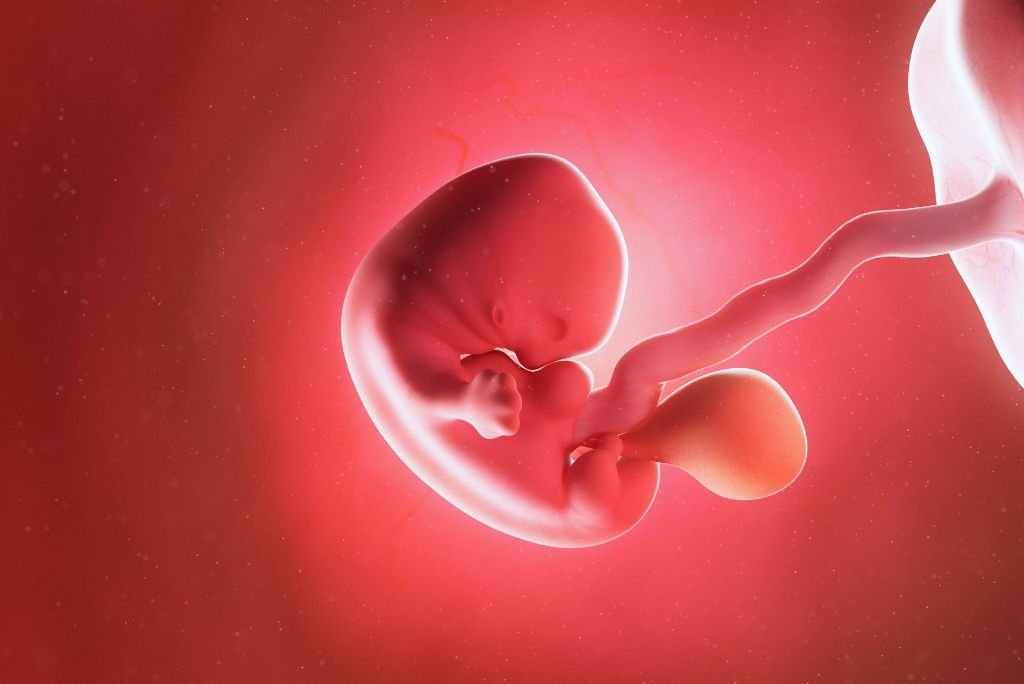
During the first three months, your baby’s major organs and neural tube develop rapidly. Nausea, morning sickness, and food aversions are common due to rising human chorionic gonadotropin (hCG) levels.
Focus on folate-rich foods like dark leafy greens (spinach, methi), lentils, naturally biofortified pulses, citrus fruits, and small, frequent meals to settle your stomach.
Second Trimester (Weeks 13 to 28): Growth, Iron, and Calcium
Often called the “golden phase,” nausea usually eases, energy returns, and your baby grows steadily. This trimester demands increased iron and calcium to build red blood cells and strengthen baby’s bones.
Incorporate paneer, curd, sesame seeds, ragi, dal, lean meats or eggs (if non-vegetarian), and iron-dense foods paired with vitamin C (like lemon juice over chana) for better absorption.
Third Trimester (Weeks 29 to 40): Brain Development and Energy
In the final weeks, your baby gains significant weight and experiences rapid brain maturation. Uterine pressure on your stomach can cause acidity or early fullness.
Emphasize complex carbohydrates (jowar, bajra, brown rice), healthy fats (ghee in moderation, walnuts, almonds), fiber to prevent constipation, and adequate hydration.
Designing a Balanced Indian Women Diet Plan in Pregnancy
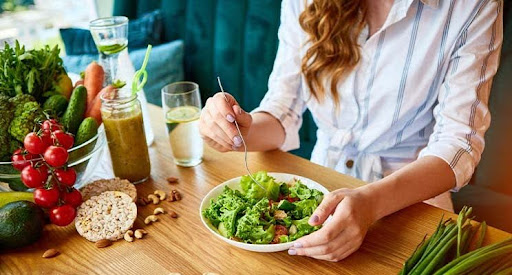
A healthy daily meal plan does not require exotic ingredients or rigid diets. Traditional Indian kitchens naturally offer nutrient-dense ingredients when combined intentionally.
┌─────────────────────────────────────────────────────────────────────────────┐
│                 SAMPLE DAILY INDIAN PREGNANCY MEAL STRUCTURE                │
├──────────────────┬──────────────────────────────────────────────────────────┤
│ Meal Timing      │ Recommended Balanced Options                             │
├──────────────────┼──────────────────────────────────────────────────────────┤
│ Early Morning    │ 1 glass warm milk or water + 4-5 soaked almonds & walnuts│
├──────────────────┼──────────────────────────────────────────────────────────┤
│ Breakfast        │ Ragi dosa / vegetable idli / Moong dal chela /           │
│                  │ Eggs with whole-wheat toast + 1 bowl fresh fruit         │
├──────────────────┼──────────────────────────────────────────────────────────┤
│ Mid-Morning      │ Tender coconut water / buttermilk (chaas) + roasted makhana│
├──────────────────┼──────────────────────────────────────────────────────────┤
│ Lunch            │ 1 cup brown rice or phulkas + 1 bowl mixed dal/fish curry│
│                  │ + 1 bowl green vegetable + fresh salad + bowl of curd    │
├──────────────────┼──────────────────────────────────────────────────────────┤
│ Evening Snack    │ Roasted chana / sprout salad / Vegetable soup + milk     │
├──────────────────┼──────────────────────────────────────────────────────────┤
│ Dinner           │ Light jowar/wheat roti or khichdi + dal + cooked palak   │
├──────────────────┼──────────────────────────────────────────────────────────┤
│ Post-Dinner      │ 1 small glass warm turmeric milk (haldi doodh)           │
└──────────────────┴──────────────────────────────────────────────────────────┘
- Proteins: Essential for cell growth. Vegetarian sources include tuar dal, moong, chana, paneer, curd, and sprouts. Non-vegetarian mothers can include well-cooked eggs, chicken, and low-mercury fish.
- Complex Carbohydrates & Fiber: Swap refined flour (maida) for whole wheat, ragi, jowar, bajra, and hand-pounded rice to keep blood sugar stable and prevent constipation.
- Essential Fats: Small amounts of homemade ghee, mustard oil, or groundnut oil provide energy and aid absorption of fat-soluble vitamins (A, D, E, K).
- Hydration: Aim for 2.5 to 3 liters of fluids daily through water, tender coconut water, freshly churned buttermilk, and clear soups.
Standard FOGSI & WHO Antenatal Check-up Schedule
Alongside good nutrition, keeping up with regular antenatal clinical visits ensures your pregnancy progresses smoothly:
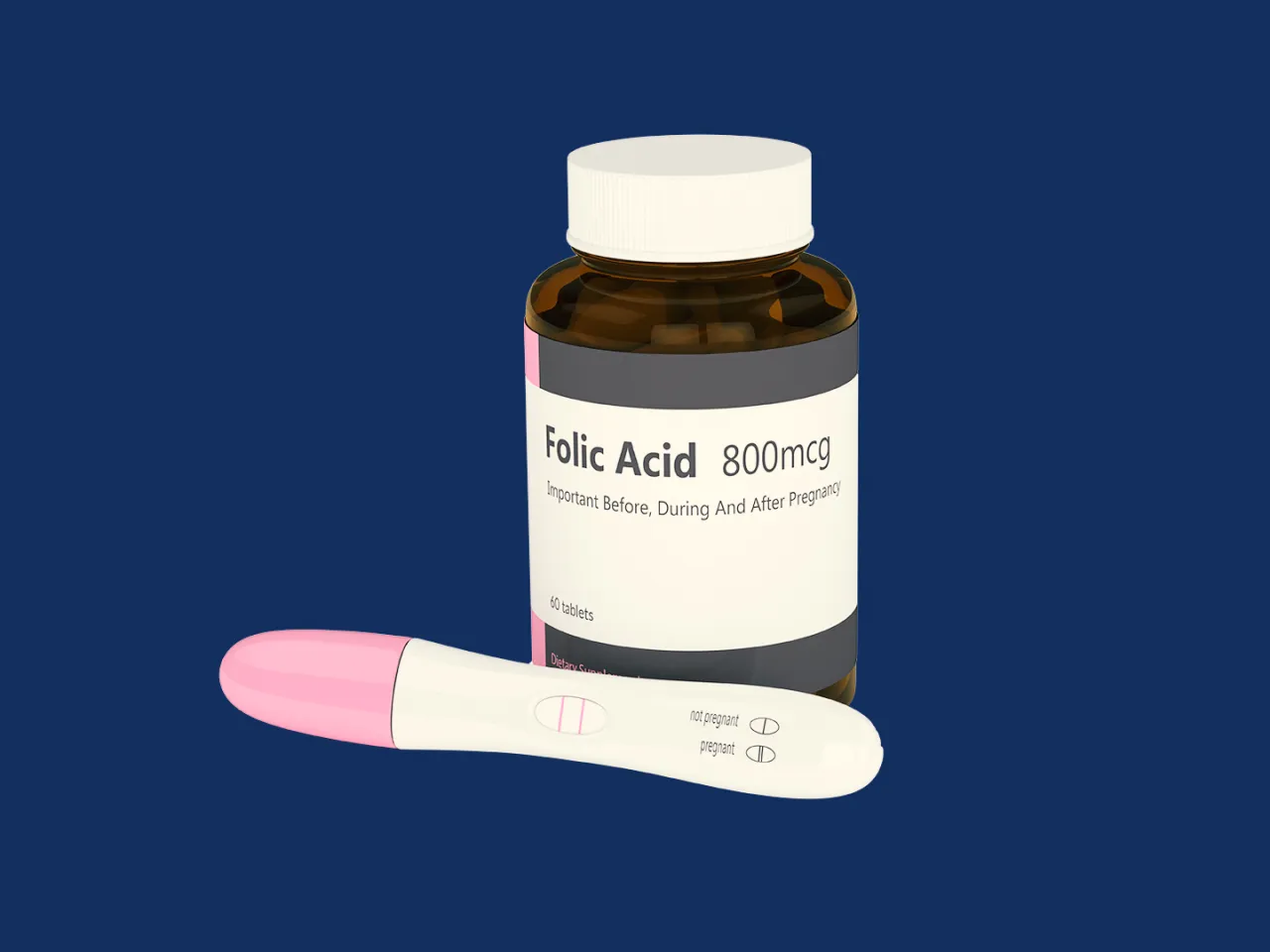
- First Consultation (Weeks 6 to 8): Confirm pregnancy via ultrasound, review medical history, measure blood pressure and BMI, and begin daily folic acid.
- Monthly Visits (Weeks 12 to 28): Track fetal growth, check hemoglobin and urine protein, perform the Nuchal Translucency (NT) scan, and conduct the Oral Glucose Tolerance Test (OGTT) around weeks 24 to 28.
- Bi-weekly Visits (Weeks 28 to 36): Monitor blood pressure, growth scan with Doppler, assess position of the baby, and review iron/calcium supplements.
- Weekly Visits (Weeks 36 to Delivery): Evaluate cervical readiness, monitor fetal heart rate, discuss labor signs, and review your hospital bag checklist.
Warning Signs to Never Ignore During Pregnancy
While most pregnancy changes are entirely normal, certain signals require prompt medical consultation. Always reach out to your healthcare provider immediately if you experience:
- Any vaginal bleeding, persistent spotting, or sudden watery discharge.
- Severe, continuous lower abdominal pain or persistent back cramping.
- High fever, severe chills, or burning sensation during urination.
- Sudden, severe swelling in your face, hands, or feet accompanied by persistent headaches or blurred vision.
- A noticeable decrease in your baby’s daily kick counts or movements during the third trimester.
If any of these signs occur, contacting an experienced pregnancy doctor Visakhapatnam ensures immediate clinical review and peace of mind.
High-Risk Pregnancy: What It Means and Who It Applies To
A high-risk pregnancy simply means that extra medical attention, frequent check-ups, or specialized care plans are needed to ensure the safest possible outcome for mother and baby.
Common factors include maternal age over 35, pre-existing conditions (hypertension, diabetes, thyroid disorders), history of recurrent pregnancy loss, carrying twins, or developing gestational diabetes.
Having a high-risk diagnosis does not mean complications are inevitable—it simply means having an attentive medical guide.
Dr. Devani Chalamuri, an experienced obstetrician in Vizag, specializes in high-risk maternity management, personalized pregnancy nutrition, and high-risk fetal monitoring at Vedanta Speciality Clinics in Madhurawada.
Her collaborative clinical approach ensures maternal metabolic conditions are carefully managed alongside balanced nutrition and routine diagnostics.
Practical Hospital Bag Checklist for Delivery
Preparing your delivery bag by week 35 helps eliminate last-minute stress. Here is a practical checklist for Indian hospital stays:
┌─────────────────────────────────────────────────────────────────────────────┐
│                   PRACTICAL HOSPITAL BAG CHECKLIST                          │
├──────────────────┬──────────────────────────────────────────────────────────┤
│ Category         │ Essential Items to Pack                                  │
├──────────────────┼──────────────────────────────────────────────────────────┤
│ Maternal Essentials│ Government IDs, health insurance cards, complete file   │
│                  │ of pregnancy records and ultrasound reports             │
│                  │ 3-4 front-open cotton nightgowns or feeding kurtis      │
│                  │ High-waist cotton underwear & maternity sanitary pads   │
│                  │ Basic toiletries, lip balm, hair ties, and cozy slippers│
├──────────────────┼──────────────────────────────────────────────────────────┤
│ Newborn Needs    │ 4-5 sets of washed, soft cotton newborn clothes (jablas) │
│                  │ Newborn diapers or soft cloth nappies (langots)          │
│                  │ 2 soft swaddle sheets, baby blankets, and baby wipes     │
├──────────────────┼──────────────────────────────────────────────────────────┤
│ Birth Partner    │ Phone chargers, power bank, change of clothes, basic     │
│                  │ snacks, water bottle, and cash/digital payment options   │
└──────────────────┴──────────────────────────────────────────────────────────┘
Nurturing Your Body During Postnatal Recovery
Maternal care extends well beyond delivery. The “fourth trimester”—the first six weeks after birth—is a crucial healing window for the new mother:
- Postnatal Nutrition & Lactation Support: Nursing mothers require roughly 500 extra calories daily, rich in protein, iron, calcium, and fluids to support milk production and tissue recovery. Traditional galactagogues like fenugreek (methi), cumin (jeera), carom (ajwain), and sesame are excellent additions.
- Emotional Wellness & “Baby Blues”: Mild mood swings, tearfulness, or anxiety due to sudden hormonal drops affect up to 80% of new mothers in the first two weeks. Strong family support, rest, and open communication help navigate this transition.
- Pelvic Floor & Gentle Physical Recovery: Postnatal check-ups evaluate uterine involution, episiotomy/C-section wound healing, and provide guidance on resuming light walking and pelvic floor exercises.
Frequently Asked Questions
What is the best Indian diet during early pregnancy?
A balanced early pregnancy diet includes folate-rich greens (spinach, methi), lentils (dal), curd, whole grains (jowar, ragi, brown rice), fresh fruits, and cooked protein sources to support neural tube development and manage morning sickness.
How early should I start prenatal care in Visakhapatnam?
Prenatal visits should begin as soon as you confirm a positive home pregnancy test or miss a period, ideally between weeks 6 and 8. Early care helps establish baseline health, confirm fetal viability, and initiate essential supplementation.
Can a pure vegetarian diet provide enough protein during pregnancy?
Yes, vegetarian Indian diets can fully meet protein requirements by combining varied pulses, sprouted legumes, paneer, curd, nuts, seeds, and millets like ragi and bajra under proper guidance.
Which doctor should I see for pregnancy diet and antenatal care in Vizag?
You can consult Dr. Devani Chalamuri, a renowned women’s health specialist and obstetrician in Vizag practicing at Vedanta Speciality Clinics in Madhurawada, for personalized prenatal nutrition and comprehensive high-risk maternity care.
Can I get customized gestational diabetes diet counseling in Madhurawada?
Yes, personalized dietary plans for managing gestational diabetes, anemia, and thyroid conditions are offered at Vedanta Speciality Clinics in Madhurawada, Visakhapatnam.
Is it true that pregnant women need to eat for two?
No, “eating for two” is a common myth. In reality, calorie needs only increase by about 300 to 450 extra nutrient-dense calories per day starting in the second trimester, emphasizing food quality over sheer volume.
What foods should Indian women avoid during pregnancy?
Pregnant women should avoid raw or undercooked meat and eggs, unpasteurized dairy, excessive caffeine, unwashed produce, and high-mercury fish. Papaya and pineapple are often limited based on medical advice.
What is the cost of a gynaecologist consultation in Visakhapatnam?
Consultation fees in Visakhapatnam generally range between ₹400 and ₹800. You can reach out directly to Vedanta Speciality Clinics in Madhurawada for specific pricing and antenatal package details.

Celebrate Your Pregnancy with Expert Guidance
Nourishing your pregnancy with wholesome Indian meals, joyful anticipation, and regular clinical monitoring creates the healthiest foundation for your baby’s future.
Ready to start your pregnancy journey in Vizag with expert care? Book your first appointment with Dr. Devani Chalamuri at Vedanta Speciality Clinics, Madhurawada — WhatsApp: +91 81257 65888 or visit Vedanta Speciality Clinics.


Leave a Comment