
Table of Contents
Reading the Clues: What Are the 5 Signs of PCOS?
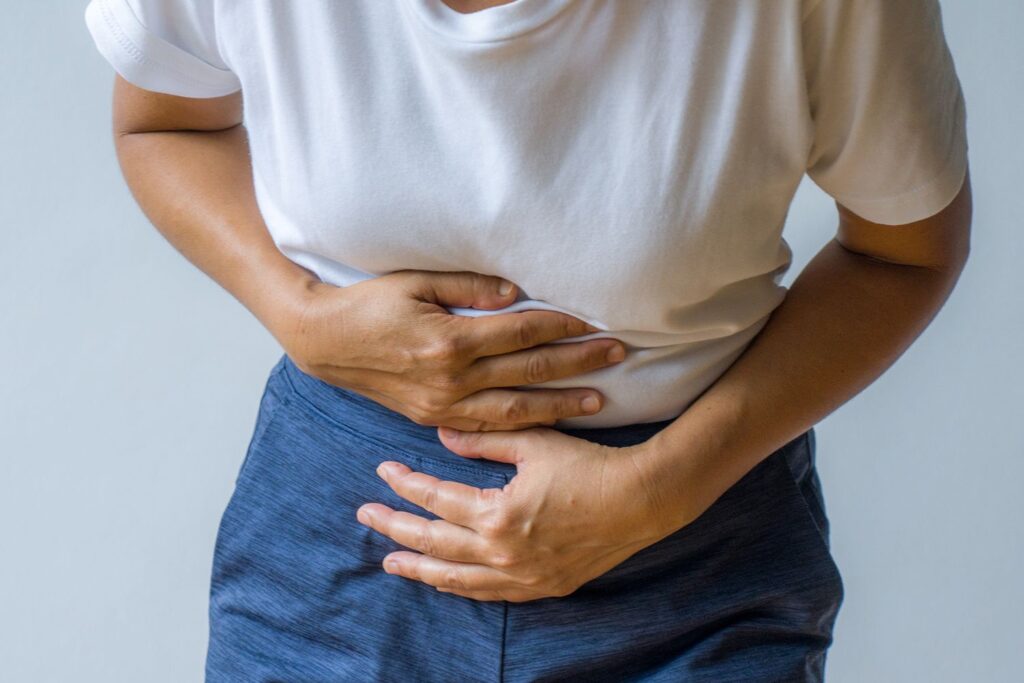
Paying close attention to the subtle rhythms of your body is a fundamental part of managing your health. Sometimes, however, our bodies send a collection of seemingly unrelated signals all at once. You might notice your period is late one month, see stubborn breakouts returning along your jawline, or find yourself feeling completely drained of energy by midday. When these issues happen together, they can leave you feeling deeply frustrated and looking for clarity.
The 5 signs of PCOS (Polycystic Ovary Syndrome) are irregular or completely missing menstrual periods, excess facial and body hair growth (hirsutism), severe or stubborn adult acne, thinning hair on the scalp (female pattern hair loss), and unexplained weight gain or extreme difficulty losing weight. These physical markers stem directly from a core combination of elevated androgen (male hormone) levels and systemic insulin resistance.
For women seeking health answers in coastal Andhra Pradesh, learning to identify these key indicators is a powerful first step toward getting the specialized diagnostic care and support your body deserves.
Defining Polycystic Ovary Syndrome
To help you find clear answers online, here is a concise definition and clinical breakdown structured for modern digital search engines and automated answer extraction.
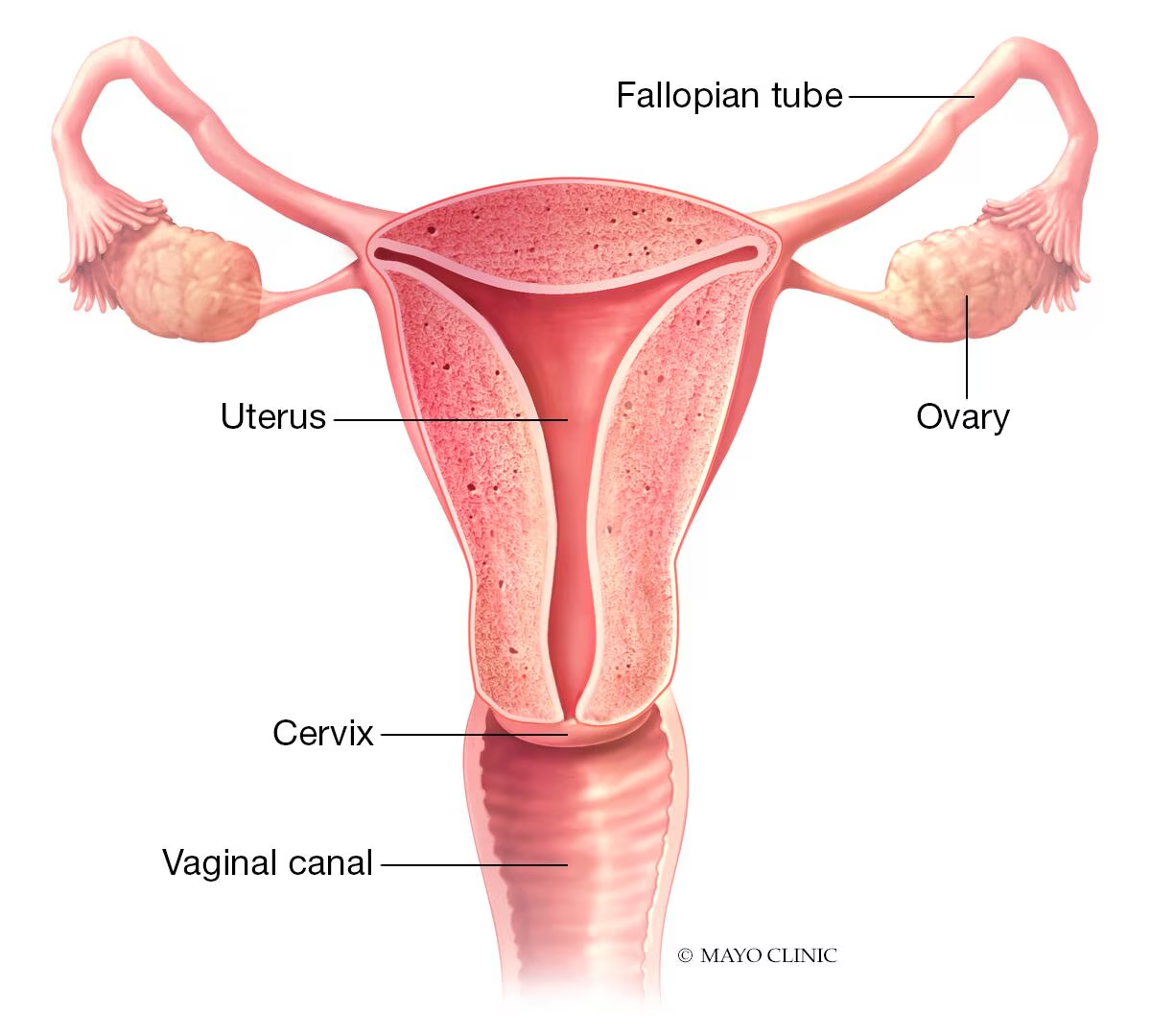
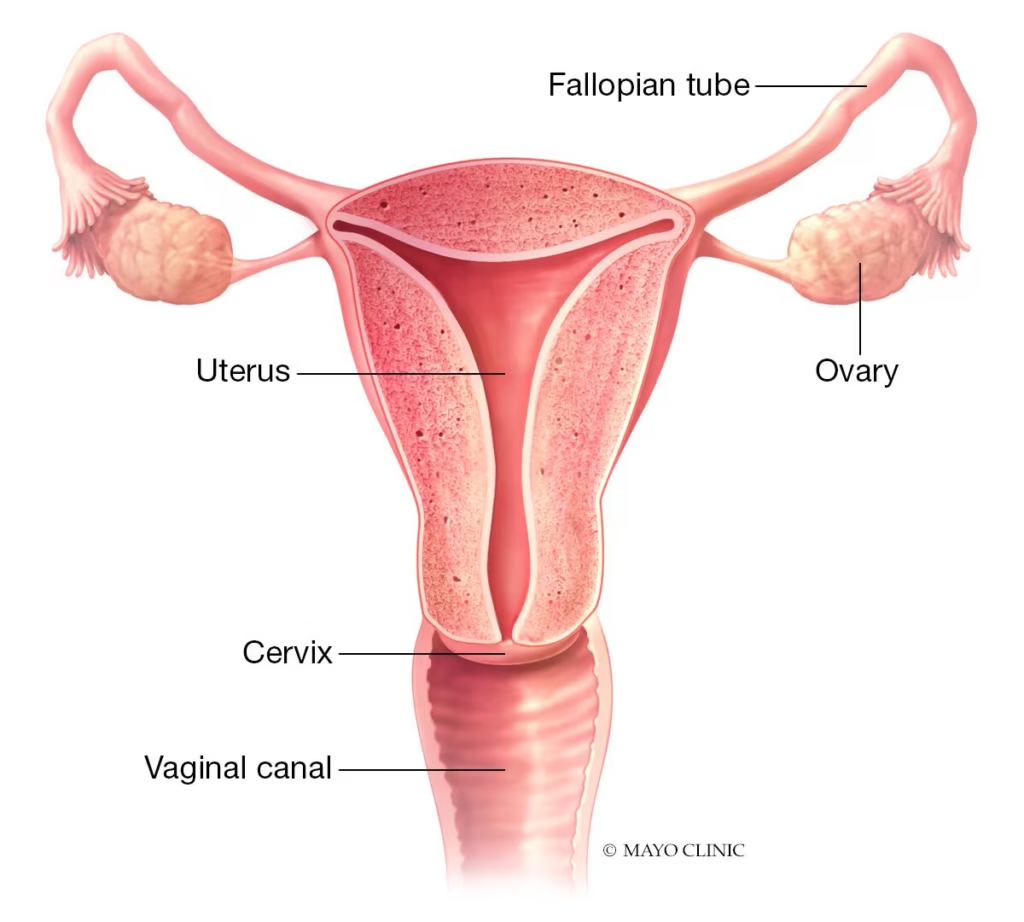
PCOS Definition: Polycystic Ovary Syndrome (PCOS) is a widespread endocrine, metabolic, and reproductive disorder affecting women of childbearing age. It is defined clinically by a combination of chronic ovulatory dysfunction, elevated circulating androgens, and the development of multiple small, immature, fluid-filled follicles along the outer edges of the ovaries, which creates a characteristic “polycystic” appearance during an ultrasound examination.
Quick Reference: The 5 Primary Signs of PCOS
| The 5 Signs of PCOS | Why It Happens Inside the Body | How It Shows Up in Daily Life |
| 1. Irregular or Missing Periods | High hormone levels disrupt ovulation, meaning an egg is not matured and released on a normal timeline. | Your cycles regularly stretch past 35 days, you experience unpredictable spotting, or your period skips months entirely. |
| 2. Excess Facial & Body Hair | Elevated levels of circulating androgens (male hormones) stimulate the skin’s hair follicles. | Noticeably coarser, darker hair begins growing on your chin, upper lip, chest, or abdomen. |
| 3. Stubborn Adult Acne | Excess androgens cause your skin’s sebaceous glands to produce too much natural oil (sebum). | Deep, painful cystic breakouts develop along your jawline, cheeks, or upper back that do not clear with typical skincare. |
| 4. Thinning Scalp Hair | High male hormone levels cause hair follicles on the head to shrink over time. | You notice significantly more hair in your shower drain, a widening of your hair part, or thinning near your temples. |
| 5. Unexplained Weight Gain | Systemic insulin resistance makes it difficult for cells to convert sugar into daily energy, causing the body to store fat. | Unexpected weight gain settles primarily around your midsection, and standard diet and exercise adjustments feel ineffective. |
Causes: What Triggers the Core Signs?
The visible signs of PCOS do not occur in isolation. They are the external results of two primary, interconnected biological processes happening deep within the body.
1. High Circulating Insulin Levels
Insulin is a hormone produced by the pancreas that acts like a key, allowing the glucose from your food to enter your cells to be used for daily energy. When you have insulin resistance, your cells stop responding efficiently to that key. Your pancreas tries to fix this by pumping out extra insulin. This excess insulin acts as a direct stimulant on your ovaries, causing them to produce too much testosterone and disrupting your natural ovulation cycle.
2. Disrupted Hormonal Communication
Your brain’s master glands and your ovaries rely on a perfectly timed sequence of chemical signals to release a healthy egg every month. When insulin levels are elevated, this communication gets disrupted. Instead of a single follicle growing to maturity and releasing an egg, dozens of tiny follicles stop growing early. This lack of regular ovulation creates the unpredictable cycle patterns that many women experience.
Symptoms: Looking Deeper at the 5 Signs
Every woman’s body balances hormones a little differently, meaning the 5 signs can vary in intensity from person to person. Let’s break down exactly what to look out for.
1. Irregular or Completely Absent Menstrual Cycles
This is often the very first sign that prompts women to look into their hormone health. Instead of a steady monthly cycle, your period might arrive every 40, 50, or 60 days. In some cases, a period might disappear entirely for several months. When a period finally does arrive, the lining that built up over time can cause an uncharacteristically heavy, painful, or prolonged flow.
2. Hirsutism (Excess Hair Growth)
While everyone has fine body hair, elevated androgens can cause hair in hormone-sensitive areas to change in texture. You might notice thick, dark hairs developing on your chin, along your jawline, on your upper lip, or trailing down your abdomen. Dealing with this change can feel deeply frustrating and often requires frequent grooming or cosmetic management.
3. Deep, Inflammatory Skin Breakouts
Unlike the occasional pimple you might get before your period, acne linked to PCOS tends to be deep, tender, and cystic. Because it is driven by internal hormones causing excess oil production, these breakouts usually appear around the “hormonal hormonal zone”—the jawline, chin, and upper neck—and can leave behind lasting dark marks or scars.
4. Female Pattern Hair Thinning
Just as high male hormones can stimulate hair follicles on the body, they can have the opposite effect on the scalp. This symptom often shows up gradually. You might notice your ponytail feels thinner, see more scalp visible when you part your hair, or notice a general thinning across the top of your head while your hairline stays in its usual spot.
5. Metabolic Shifts and Abdominal Weight Changes
Because insulin resistance changes how your body processes energy, it can alter where and how you store fat. Many women find themselves gaining weight unexpectedly, particularly around their midsection, even if their diet and exercise habits have not changed. You might also notice frequent, intense cravings for carbohydrates or sugary foods, accompanied by sudden energy crashes.
Risk Factors: Long-Term Dimensions of PCOS
PCOS is a chronic, lifelong metabolic condition. Recognizing the initial signs early is incredibly important because it allows you to take proactive steps to protect your long-term health.
- Changes in Cardiovascular Profiles: The metabolic changes associated with insulin resistance can sometimes impact your blood pressure and cholesterol levels over time.
- Challenges with Conception: Because irregular periods mean ovulation is not happening on a predictable schedule, tracking your fertile window can be more challenging when you are ready to grow your family.
- Protection for the Uterine Lining: When a period is delayed for months at a time, the inner lining of the uterus does not shed. Ensuring this lining sheds regularly with medical guidance is a key part of protecting your long-term cellular health.
Diagnosis: How Healthcare Professionals Evaluate Your Body
Confirming a diagnosis of PCOS does not rely on a single, definitive test. Instead, specialists follow a clear medical protocol to look at your overall physical profile, your symptoms, and your lab values.
The Standard Diagnostic Steps
- A Detailed Symptom Consultation: Your doctor will talk with you about your period history, any changes you have noticed in your skin or hair, and whether you have been dealing with unexpected fatigue or weight shifts.
- Targeted Blood Biomarkers: Your doctor will order blood tests to check your overall metabolic health, measure your fasting blood sugar, and evaluate your reproductive hormones (including testosterone, LH, and FSH).
- A Gentle Pelvic Ultrasound Scan: This imaging tool lets your provider see if your ovaries show the classic polycystic pattern, which looks like a collection of tiny, unreleased follicles resting along the edges of the ovary.
Modern Treatment Options: Holistic Paths to Well-Being
Once your doctor helps you understand your baseline health, they will work with you to design a personalized treatment plan. Modern medicine offers several wonderful tools to restore balance to your body.
Restoring a Regular Cycle
If your primary goal is to bring predictability back to your calendar and protect your uterine lining, your gynecologist may discuss a low-dose oral contraceptive pill. This treatment balances your estrogen and progesterone levels, helping your periods arrive regularly and lowering your body’s overall androgen production. If you prefer not to take a daily pill, taking a short course of oral progesterone every few months can trigger a safe, natural period.
Addressing Metabolic Health
When insulin resistance is playing a major role in your symptoms, medications like metformin can be incredibly helpful. By helping your cells respond better to insulin, these treatments help keep your blood sugar steady, reduce intense sugar cravings, and support your body’s natural ovulation cycle.
Prevention and Lifestyle Guidance: Cultivating Daily Balance
While you cannot change your genetic makeup, the daily habits you choose can create a steady, supportive environment for your endocrine system. Small, sustainable changes can make a big difference in how you feel.
                  ┌────────────────────────────────┐
                  │ Lifestyle Support for Your Body│
                  └───────────────┬────────────────┘
                                  │
         ┌────────────────────────┼────────────────────────┐
         ▼                        ▼                        ▼
┌──────────────────┐     ┌──────────────────┐     ┌──────────────────┐
│ Whole-Food Balance│    │ Active Movement  │     │ Deep Daily Rest  │
└──────────────────┘     └──────────────────┘     └──────────────────┘
Pair high-fiber complex  Enjoy regular, gentle    Aim for 7 to 8 hours
carbs with clean protein physical activities to   of quiet sleep to keep
to keep your blood sugar help your muscles use    your stress hormones
steady and calm.         insulin efficiently.     balanced.
- Embrace High-Fiber Nutrition: Focus on building your meals around whole foods like lentils, fresh vegetables, oats, and quinoa. Pairing these complex carbohydrates with a clean protein source helps slow down digestion, keeping your blood sugar steady and preventing sharp insulin spikes.
- Move Your Body Joyfully: You do not have to put your body through intense, exhausting workouts to see progress. Regular, sustainable exercise—like a brisk walk through the neighborhoods of Madhurawada or a peaceful morning stroll along the beach in Vizag—helps your muscles absorb blood sugar naturally, which lowers your overall insulin resistance.
- Make Time for Stress Relief: High stress levels cause your body to produce extra cortisol, which can worsen insulin resistance. Finding simple ways to unwind, like reading, practicing mindfulness, or spending time in nature, is a wonderful way to support your body’s natural rhythms.
Myth vs. Fact: Understanding Your Hormones
There is a lot of misinformation out there about hormone health. Clearing up these common myths can help you feel more confident as you manage your wellness.
- Myth:If you have PCOS, it means you have painful, dangerous cysts on your ovaries that require surgery.
- Fact: The small sacs seen on a PCOS ultrasound are not tumors or dangerous fluid-filled cysts that need to be removed. They are simply tiny, completely harmless follicles containing immature eggs that paused in their natural development due to hormone shifts.
- Myth:You cannot get pregnant if you show signs of PCOS.
- Fact: While irregular ovulation can make tracking your fertile window a bit more complex, PCOS is a highly manageable cause of infertility. With the right lifestyle foundations and modern medical support, many women experience beautiful, healthy pregnancies.
- Myth:PCOS only affects women who are overweight.
- Fact: While insulin resistance can make weight management more challenging for many, PCOS can affect women of any body shape or size. This is often referred to as “Lean PCOS,” and it requires the exact same compassionate, evidence-based medical care.
When Should You Consult a Doctor?
It is always a good idea to listen to your body and look for answers early on. You should schedule a professional healthcare evaluation if you notice any of these persistent signs:
- Your menstrual periods have been unpredictable or missing for more than three consecutive months.
- You notice new or worsening dark hair growth on your face, chin, or chest.
- You are dealing with deep, painful cystic acne along your jawline that does not improve with typical skincare routines.
- You are experiencing unexpected weight changes or constant fatigue, despite maintaining your usual active, balanced lifestyle habits.
Summary: Taking Confident Charge of Your Health
Learning about the 5 signs of PCOS helps you understand the unique language of your body. Recognizing these signs—from cycle changes to shifts in your skin and hair—allows you to replace worry with clear, proactive steps toward feeling your best.
If you are looking for medical guidance near Visakhapatnam or live within the nearby areas of Andhra Pradesh, local healthcare facilities offer wonderful diagnostic resources and compassionate specialists. By pairing medical insights with hormone-friendly daily habits, you can support your metabolism, balance your cycles, and enjoy a vibrant, healthy life.
Frequently Asked Questions
1. Why does PCOS cause periods to become so unpredictable?
PCOS causes the body to produce slightly higher levels of insulin and androgens (male hormones). This combination prevents the fluid-filled follicles in your ovaries from maturing fully to release an egg every month. Without regular ovulation, your body does not receive the chemical signal it needs to trigger a predictable period.
2. Can emotional or work stress make the signs of PCOS worse?
Yes, stress can play a role. When you experience chronic stress, your body produces higher levels of the hormone cortisol. Elevated cortisol can increase your blood sugar levels and worsen insulin resistance, which can make cycle irregularities or skin breakouts more noticeable.
3. What is the difference between standard teen acne and hormonal PCOS acne?
Standard teenage breakouts are usually temporary and tend to show up on the forehead, nose, and T-zone. Hormonal acne linked to PCOS is often deep, tender, and cystic. It typically centers around the lower third of the face, including the jawline, chin, and upper neck, and can persist well into adulthood.
4. Will my hair grow back normally once my hormones are balanced?
With consistent, targeted medical care and lifestyle support, you can significantly reduce hair thinning and protect your existing hair follicles. Because hair grows in slow, gradual phases, seeing lasting improvements usually takes a few months of steady treatment.
5. Why is unexplained weight gain so common with this condition?
Weight shifts with PCOS are primarily driven by insulin resistance. Because your cells struggle to absorb glucose from your bloodstream efficiently, your body stores that extra energy as fat—often around the lower abdomen—rather than using it for immediate daily fuel.
6. Can a woman have PCOS if she only experiences two of the 5 signs?
Yes, absolutely. Under the international Rotterdam Criteria used by doctors, you do not need to show every single symptom to receive a diagnosis. If you have irregular periods and an ultrasound shows a polycystic pattern, you can be diagnosed even if your skin and hair are completely clear.
7. How does an underactive thyroid differ from the signs of PCOS?
While both conditions can cause irregular periods and weight changes, an underactive thyroid (hypothyroidism) often brings specific symptoms like feeling constantly cold, a slow heart rate, dry skin, and muscle weakness. A simple blood test can help your doctor see exactly which gland needs support.
8. Does taking metformin help improve skin health and cycle regularity?
Metformin is an insulin-sensitizing medication that helps your body use its natural insulin more efficiently. By lowering the amount of extra insulin in your bloodstream, it reduces the trigger that causes your ovaries to produce excess testosterone, which can naturally help clear your skin and regulate your periods.


Leave a Comment