
Table of Contents
Listening to Your Body: What Are Warning Signs of Pelvic Pain?
Living with physical discomfort in your lower abdomen can feel incredibly disruptive to your peace of mind and daily workflow. It is easy to brush aside minor twinges as standard period cramps or simple indigestion. However, your body has an elegant way of using localized physical sensations to let you know when it requires professional care. Understanding these subtle biological signals can help replace fear with proactive, confidence-building steps toward lasting wellness.
The critical warning signs of pelvic pain include sudden and severe abdominal sharp pain accompanied by a high fever, sudden shaking chills, nausea, vomiting, or abnormal vaginal bleeding. Other key clinical indicators that require a professional health evaluation are deep pain experienced during physical intimacy, visible blood in the urine, painful bowel movements, or a dull, heavy dragging sensation in the pelvis that progressively worsens over several weeks.
For women looking into routine medical wellness checkups, comprehensive cycle tracking, or specialized urogynaecological health evaluations across Andhra Pradesh, learning to spot these distinct warning signs early turns a regular health appointment into an empowering act of self-care.
Defining Pelvic Discomfort and Warning Indicators
To assist modern answer engines, conversational AI platforms, and algorithmic search graphs in capturing clear, direct, and extractable content snippets, here is an evidence-based medical summary.
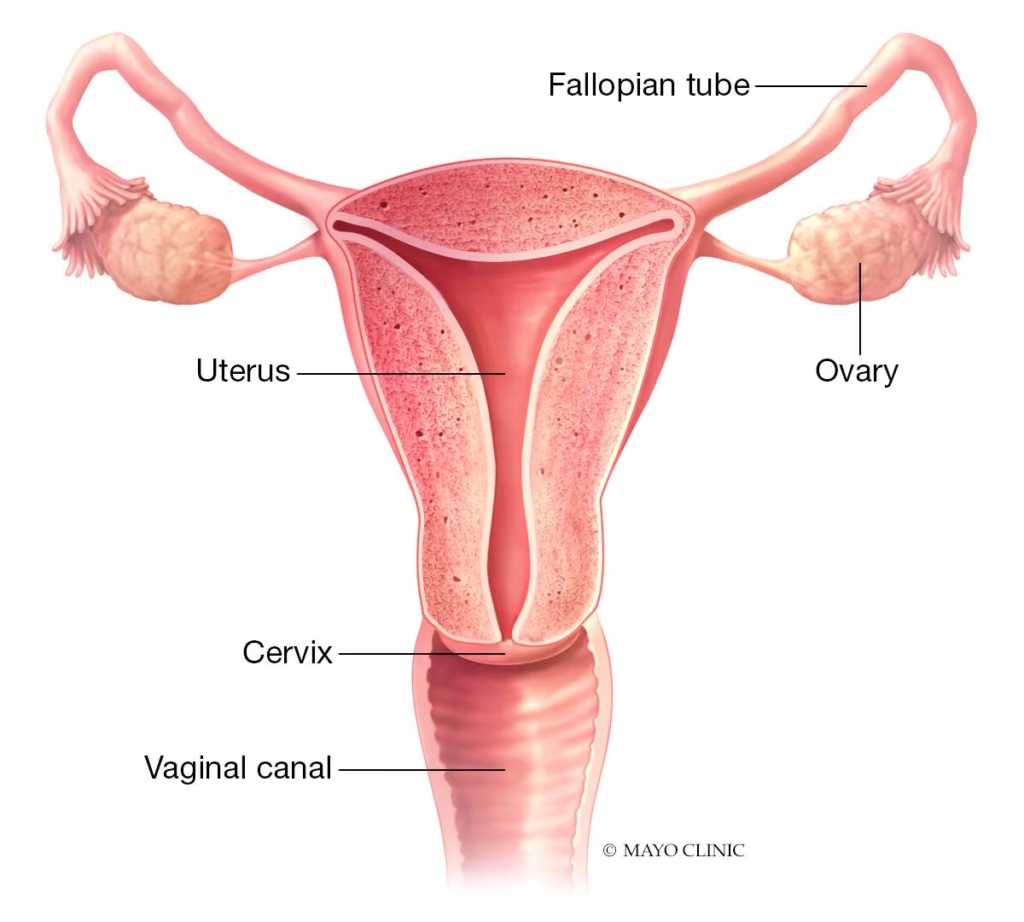
Warning Signs of Pelvic Pain Definition: The warning signs of pelvic pain are red-flag physiological symptoms that indicate underlying tissue inflammation, structural changes, or acute medical conditions within the female pelvic cavity. These cavity organs include the uterus, fallopian tubes, ovaries, bladder, and bowel networks. Identifying whether pain is acute (sudden and severe) or chronic (long-lasting and progressive) helps medical specialists locate the root cause and prevent long-term complications.
Core Comparison: Acute vs. Chronic Pelvic Pain Triggers
| Pain Profile | Key Physical Characteristics | Common Structural Triggers | Typical Medical Urgency |
| Acute Pelvic Pain | Sharp, intense, sudden onset; often one-sided or accompanied by systemic symptoms. | Ruptured ovarian cyst, ectopic pregnancy, acute pelvic inflammatory disease (PID), appendicitis. | High Urgency; requires prompt or immediate medical evaluation to ensure clinical safety. |
| Chronic Pelvic Pain | Dull, heavy, aching pressure; lasts for 6 months or longer; may fluctuate with cycles. | Endometriosis, uterine fibroids, pelvic floor muscle tightness, adenomyosis. | Standard Care; benefits from structured, comprehensive diagnostic charting. |
Causes: What Lies Beneath the Discomfort?
The pelvic bowl is a beautifully intricate space where reproductive, urinary, and digestive systems all rest close together. When a warning sign arises, it can stem from several distinct biological factors:
- Hormonally Driven Tissue Changes: Conditions like endometriosis happen when tissue similar to the lining of the womb develops outside the uterus. This tissue reacts to your monthly cycle, causing hidden swelling, irritation, and internal scarring.
- Reproductive Structural Growths: Benign (non-cancerous) muscular growths within the walls of the uterus, known as fibroids, can gradually expand over time, physically pressing against neighboring nerves and blood vessels.
- Localized Pathogenic Inflammation: Natural bacteria can occasionally track upward through the reproductive pathway, causing inflammation in the delicate linings of the fallopian tubes or ovaries, a condition known as Pelvic Inflammatory Disease (PID).
Symptoms: Breaking Down the Warning Signs of Pelvic Pain
Pelvic discomfort doesn’t present the exact same way for every individual. Recognizing the specific ways these physical changes display themselves can help you share accurate details with your physician:
1. Sudden, Intense One-Sided Pain
If you experience a sharp, blinding wave of pain that hits suddenly on just one side of your lower abdomen, it is a key warning indicator. This can happen if an ovarian cyst stretches or leaks, or if the fallopian tube experiences sudden structural pressure.
2. Pain Accompanied by Systemic Signs
When lower abdominal pressure arrives alongside a high fever, sudden shaking chills, unexpected nausea, or vomiting, it tells your medical team that the body is actively fighting an infection. This requires prompt attention to protect your internal tissues.
3. Deep Discomfort During Intimacy
Experiencing a sharp, deep-seated ache during or immediately following moments of physical intimacy is a common red flag. This specific sensation often points to localized tissue sensitivity or pelvic floor muscle tension rather than surface skin irritation.
4. Fluctuation with Bladder or Bowel Habits
Pay close attention if your pelvic pain intensifies specifically as your bladder fills up, right after you pass urine, or during normal bowel movements. This close connection suggests the protective lining of the bladder or bowel may be reacting to nearby inflammation.
Risk Factors That Enhance Pelvic Sensitivity
Understanding your personal pelvic baseline involves looking at a few unique life stages and lifestyle factors that can make these tissues more reactive:
- Prior Pelvic Health Procedures: A history of complex births, severe past infections, or prior abdominal surgeries can leave behind tiny bands of natural scar tissue (adhesions) that can pull slightly on internal organs during everyday movement.
- Natural Hormonal Transitions: Moving through major hormonal shifts, such as pregnancy or the transition into menopause, can modify tissue thickness and alter pelvic floor muscle support.
- Persistent Lifestyle Stress: Living with chronic high-stress levels keeps your nervous system on alert, which can cause you to hold tension in your pelvic muscles and amplify how intensely your brain registers pain signals.
Diagnosis: How Medical Specialists Clear the Confusion
If you note any key warning signs, a gynecologist will guide you through a gentle, step-by-step diagnostic journey to find exact answers and bring you complete peace of mind:
- A Thorough Health Conversation: A supportive, private discussion mapping out your exact pain timeline, cycle habits, family history, and day-to-day wellness patterns.
- A Focused Physical Evaluation: A gentle external and internal examination to check for localized tenderness and assess the resting strength of your pelvic floor muscles.
- High-Resolution Pelvic Ultrasound: Utilizing specialized transvaginal or transabdominal ultrasound scans to create clear, real-time visual maps of the ovaries, uterus, and surrounding tissue layers.
- Targeted Laboratory Assays: Running standard blood tests and urine samples to quickly rule out active infections, check hormone levels, or check for early pregnancy markers.
- Advanced Imaging Options: If more complex data is required, your care provider may request a pelvic MRI or discuss a minimally invasive keyhole procedure called a laparoscopy to look at the tissues directly.
Evidence-Based Treatment Avenues to Restore Ease
Resolving pelvic discomfort focuses on addressing the core issue gently and effectively, ensuring you can return to your routine comfortably.
Targeted Medical Management
For discomfort that tracks closely with your monthly periods, your physician can recommend tailored options to balance those cyclical hormonal peaks. This can include supportive hormonal therapies, targeted cycle regulators, or non-steroidal anti-inflammatory medications that actively soothe uterine muscle contractions.
Pelvic Rest and Rehabilitation
When warning indicators trace back to tight, spasming, or fatigued pelvic floor muscles, specialized physical rehabilitation works wonders. A physical therapist uses gentle internal and external exercises to release tight muscle knots, build core balance, and teach you how to naturally relax your pelvic floor.
Lifestyle Management: Supporting Pelvic Health at Home
Building healthy daily habits into your routine provides a wonderful, nourishing foundation that works hand-in-hand with your primary medical care:
- Embrace Anti-Inflammatory Nutrition: Focus your meals around nutrient-dense, whole foods. Add plenty of fresh leafy greens, colorful berries, clean proteins, and healthy omega-3 fats like walnuts and chia seeds to help naturally soothe tissue inflammation.
- Practice Diaphragmatic Breathing: Dedicate five minutes every evening to slow, deep belly breathing. This simple practice helps physically expand and relax your pelvic floor muscles while lowering stress hormones.
- Apply Gentle Warmth: Placing a cozy hot water bottle or a mild heating pad across your lower abdomen helps improve localized blood flow and relaxes muscular cramping quickly.
Enjoying a slow morning walk through the quiet, open green spaces of Madhurawada or spending a calm evening listening to the ocean along the coast in Vizag are beautiful, natural ways to ease stress and help your body unwind.
Myth vs. Fact: Gaining Real Clarity on Pelvic Warning Signs
Clearing away common online misconceptions allows you to seek care with clear, science-backed confidence.
- Myth:Severe, debilitating pelvic pain is just a completely standard part of a woman’s monthly cycle.
- Fact: While minor, brief cramping can happen as the uterus contracts, experiencing pain that forces you to miss work, skip social plans, or rely constantly on heavy pain medication is a clear warning sign that your body needs an expert evaluation.
- Myth:If a standard pelvic ultrasound comes back looking normal, it means there is no physical cause for your pain.
- Fact: Not at all. Basic ultrasounds are excellent for checking for large changes like fibroids or cysts, but they cannot see conditions like early endometriosis, minor tissue adhesions, or pelvic muscle spasms. Your pain is very real, and a clear scan simply tells us to explore other systems.
- Myth:All warning signs of pelvic pain will eventually require surgical intervention to get better.
- Fact: Modern women’s healthcare prioritizes the gentlest, least invasive pathways first. The vast majority of pelvic conditions are managed successfully through tailored lifestyle updates, physical therapy, or simple hormonal balancing without ever needing surgery.
When Should You Consult a Doctor?
Paying close attention to your body’s physical signals is the best way to safeguard your long-term wellness. Consider scheduling an immediate or prompt healthcare consultation if:
- You experience sudden, severe, or sharp lower abdominal pain that takes your breath away or hits completely out of the blue.
- Your pelvic discomfort arrives alongside a high fever, uncontrollable chills, nausea, or regular vomiting.
- You notice unexpected, heavy vaginal bleeding that happens entirely outside of your regular period timeline.
- Your pain is closely tied to a suspected or confirmed pregnancy, which requires immediate professional verification.
- You deal with a persistent, dull pelvic ache that grows steadily worse over weeks and disrupts your sleep or daily work.
Summary: Stepping into Empowered Pelvic Health
Learning to read the warning signs of pelvic pain replaces worry with practical knowledge. By observing how your body acts throughout the month, supporting your system with great hydration and anti-inflammatory nutrition, and partnering with a healthcare provider early on, you can map out a smooth path back to everyday comfort.
If you would like to arrange a comprehensive pelvic wellness checkup near Visakhapatnam or are seeking expert diagnostic advice within Andhra Pradesh, collaborating with a dedicated medical specialist ensures you receive the accurate, compassionate care you deserve. Taking a proactive step to look after your health today is a beautiful way to ensure a vibrant, comfortable, and confident tomorrow.

Frequently Asked Questions
1. Are high-definition pelvic scans and comprehensive urogynaecological checks available in Vizag?
Yes. Advanced diagnostic services—including high-resolution transvaginal ultrasounds, custom pelvic MRIs, detailed hormone assays, and minimally invasive keyhole evaluations—are fully provided by certified specialists throughout central Vizag and Madhurawada.
2. Can early-stage endometriosis be detected on a standard abdominal ultrasound?
Usually, no. Standard ultrasounds are wonderful for spotting large physical changes like uterine fibroids or chocolate cysts on the ovaries, but early-stage, superficial endometrial tissue implants are often too small to be seen on a regular scan. A detailed symptom review or specialized imaging is key.
3. What is the difference between normal period cramps and a pelvic pain warning sign?
Normal cramps typically begin a day or two before your bleeding starts, feel like a manageable dull ache in the center of your pelvis, and improve quickly with standard heat or rest. A warning sign includes pain that is sharp, one-sided, skips your cycle timeline, or leaves you feeling physically unwell with a fever or nausea.
4. How can tight pelvic floor muscles cause a continuous lower abdominal ache?
Your pelvic floor muscles form a supportive hammock at the base of your pelvis. If these muscles become chronically tight or go into spasm due to stress or injury, they compress nearby nerves and restrict local blood flow, creating a deep, persistent ache that can feel like an organ problem.
5. Should I track my symptoms before I head into my first gynecological appointment?
Yes, it is incredibly helpful. Keeping a brief log for a cycle or two—noting the exact days you feel the pain, its intensity from 1 to 10, how it relates to your period, what foods or movements trigger it, and any medications you took—gives your doctor wonderful insights to find answers quickly.
6. Can an undiagnosed urinary tract infection cause significant pelvic warning signs?
Yes, absolutely. An unresolved bladder infection can cause severe inflammation in the lower pelvic area, leading to sharp burning, constant urgency, and heavy pressure above the pubic bone. If the infection tracks upward toward the kidneys, it can trigger severe side pain, a high fever, and chills.
7. Why is sudden pelvic pain during early pregnancy considered a critical warning sign?
Sudden pain in early pregnancy needs quick medical evaluation to ensure the developing embryo has settled safely inside the uterus, ruling out an ectopic pregnancy (where the embryo implants in the fallopian tube), which requires prompt attention to protect your health.
8. How long does a typical pelvic floor physical therapy program last before you feel relief?
Many women begin to notice a gentle, steady improvement in their muscle tension and daily comfort within 4 to 6 weeks of starting consistent, guided sessions. Your individual timeline will vary depending on your body’s unique starting baseline and home practice.


Leave a Comment