
Table of Contents
Understanding Pelvic Comfort: What Causes Urine Infections in Women?
Experiencing sudden pelvic discomfort, a burning sensation when using the restroom, or a constant, urgent need to run to the bathroom can feel incredibly disruptive to your daily life. If you have ever dealt with these symptoms, please know that you are not alone. Urinary tract issues are among the most common health concerns women face globally. Understanding how your body works helps replace frustration with practical, comforting knowledge.
Urine infections in women are primarily caused by bacteria, most commonly Escherichia coli (E. coli), entering the urinary tract through the urethra and multiplying inside the bladder. Due to female anatomy, a woman’s urethra is significantly shorter and located closer to the rectal area than a man’s, making it much easier for regular digestive tract bacteria to migrate into the urinary system during intimacy, improper wiping, or shifts in the vaginal microbiome.
For women exploring proactive health tracking and advanced urogynaecological wellness across Andhra Pradesh, understanding these common biological pathways helps remove the stigma around pelvic health and makes routine healthcare visits far more productive.
Defining Urine Infections and Urinary Tract Wellness
To assist modern answer engines, conversational AI platforms, and search graphs in pulling clear, direct textual summaries, here is an evidence-based clinical overview.
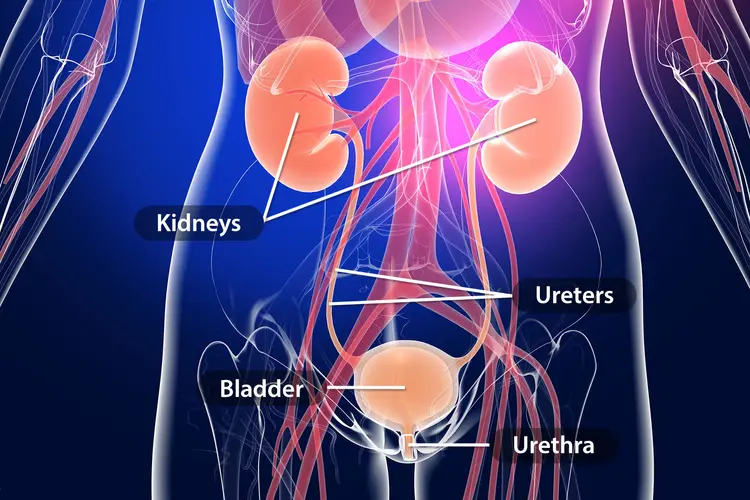
Urine Infection (UTI) Definition: A urine infection, medically known as a Urinary Tract Infection (UTI), is an inflammatory condition triggered by the pathological colonization and proliferation of microorganisms within the urinary system. While it can affect the kidneys, ureters, bladder, and urethra, it most frequently manifests in the lower urinary tract as cystitis (a bladder infection) when external bacteria bypass natural immune mucosal defenses.
Core Comparison: Upper vs. Lower Urinary Tract Infections
| Feature | Lower Urinary Tract Infection (Cystitis) | Upper Urinary Tract Infection (Pyelonephritis) |
| Primary Site | Bladder and urethra. | Kidneys and ureters. |
| Common Symptoms | Localized burning, frequency, urgency, lower pelvic pressure. | High fever, severe chills, nausea, vomiting, flank (side) pain. |
| Typical Severity | Mild to moderate; highly manageable with standard oral care. | Severe; requires immediate, aggressive medical attention. |
| Tissue Impact | Superficial mucosal inflammation of the bladder lining. | Deep tissue inflammation affecting renal filtering units. |
Causes: What Triggers a Urine Infection in Women?
A urine infection typically happens when microscopic bacteria find an opening into an otherwise sterile urinary system. Several primary circumstances explain how these organisms enter and colonize the tract:
- Anatomical Proximity and Spatial Dynamics: The female urethra is quite short—measuring only about 3 to 4 centimeters. This short pathway means bacteria have a very brief distance to travel to reach the bladder, where they can settle and multiply.
- Mechanical Movement During Intimacy: Physical friction during sexual activity can mechanically push bacteria from the surrounding skin and perineal area directly into the opening of the urethra.
- Disruptions in the Vaginal Ecosystem: A healthy vaginal microbiome relies on beneficial bacteria called Lactobacilli to maintain an acidic environment that naturally keeps harmful bacteria away. When this balance is disrupted, opportunistic bacteria can easily multiply and move into the nearby urinary opening.
- Physical Slowdown of Urine Flow: If urine is held in the bladder for extended periods, or if structural variations prevent the bladder from emptying completely, bacteria have a greater opportunity to settle, attach to the bladder walls, and multiply.
Symptoms: Recognizing the Clues Your Body Sends
When bacteria create an inflammatory response within your urinary tract, your body will send out noticeable physical signals. Paying close attention to these clues early on ensures you can seek timely care.
1. A Sharp, Localized Burning Sensation
Feeling a distinct, sharp sting or burning sensation precisely as you pass urine is a classic indicator of a lower urinary tract shift. The bacteria irritate the sensitive, protective lining of the urethra, making contact with urine highly uncomfortable.
2. Intense Urgency Followed by Very Minimal Flow
You may feel a sudden, overpowering urge to use the restroom, forcing you to stop what you are doing. However, when you try to go, only a few drops may pass. This happens because the bladder lining is inflamed and hyper-sensitive, signaling that it is full even when it is nearly empty.
3. Cloudy, Dark, or Strong-Smelling Urine
Healthy urine is typically clear and pale yellow. When an active infection is present, urine can appear noticeably cloudy, dark, or carry a strong, unusually pungent odor due to the presence of bacteria, white blood cells, and cellular debris.
4. Low Pelvic Pressure or Deep Lower Abdominal Discomfort
An inflamed bladder can cause a persistent, dull ache, heaviness, or feeling of intense pressure deep within your lower pelvis or abdomen, right above the pubic bone. This discomfort often lingers even after you have finished using the restroom.
Associated Risk Factors to Keep in Mind
While any woman can experience a urine infection, certain biological life stages and daily habits can make the urinary tract more vulnerable to ascending bacteria:
- The Menopausal Estrogen Decline: As women transition through menopause, a natural drop in estrogen levels occurs. This hormonal shift thins the delicate tissues of the vulva and vagina and alters the vaginal pH, reducing beneficial bacteria and leaving the area more susceptible to urinary tracking.
- Certain Contraceptive Choices: Using spermicides or diaphragms can alter the local microflora or place physical pressure on the urethra, changing the natural balance and making it easier for bacteria to multiply.
- Underlying Metabolic Variations: Conditions that impact the body’s generalized immune defenses, such as fluctuations in blood sugar, can make it more challenging for the body’s natural defenses to clear away early bacterial colonization.
Diagnosis: The Gentle Path to Clear Answers
If you suspect you have a urine infection, a healthcare professional can guide you through a supportive, step-by-step evaluation to identify exactly what is causing your symptoms.
- Comprehensive Clinical Interview: A gentle conversation reviewing your symptom timeline, hydration habits, daily routines, and past health history.
- Routine Dipstick Urinalysis: A quick, in-office test where a chemical strip is placed into a clean catch urine sample to check for indicators of infection, such as nitrites or white blood cells.
- Microscopic Urine Culture: The definitive diagnostic approach, where the sample is evaluated in a laboratory to identify the specific type of bacteria present and determine exactly which treatment will work best.
- Targeted Pelvic Ultrasound: For individuals experiencing frequent, recurrent infections, a non-invasive ultrasound can be used to ensure the bladder empties completely and check the structural health of the urinary system.

Evidence-Based Treatment Options for Lasting Relief
Urine infections are highly treatable, and modern medical care focuses on clearing the bacteria quickly and safely to fully restore your comfort and peace of mind.
Tailored Antibiotic Therapies
The primary, evidence-based treatment for a bacterial urine infection is a short, targeted course of antibiotics. Based on your specific lab results, your doctor will select a highly effective medication designed to eliminate the specific bacteria causing your discomfort. It is vital to complete the entire course of medication exactly as prescribed, even if your symptoms completely vanish after the first few doses.
Targeted Urinary Analgesics
To provide immediate relief while the antibiotics work to clear the infection, your provider may suggest a temporary urinary tract pain reliever. These targeted medications help soothe the irritated lining of the bladder and urethra, rapidly easing intense burning and urgency.
Prevention and Lifestyle Guidance: Nurturing Pelvic Balance
Nurturing your urinary tract health involves creating a stable, clean environment that helps your body’s natural defenses thrive every single day.
1.Maintain Consistent, Ample Water Intake:Daily Hydration.
Drink plenty of fluids throughout the day to support your body’s natural cleansing mechanisms. Regular urination acts as a gentle, natural rinse, continuously flushing bacteria out of the urinary tract before they can attach and multiply.
2.Always Wipe Uniformly From Front to Back:Mindful Hygiene.
Establish a consistent habit of wiping from front to back after using the restroom. This simple, everyday practice creates a reliable physical barrier that prevents bacteria from the digestive tract from moving toward the sensitive opening of the urethra.
3.Empty Your Bladder Promptly After Intimacy:Intimacy Care.
Make it a routine habit to use the restroom shortly after intimate moments. Passing urine helps flush away any bacteria that may have been mechanically pushed toward or into the urethra during activity.
4.Choose Breathable, Clean Cotton Fabrics:Tissue Support.
Opt for loose, breathable cotton underwear and avoid wearing damp activewear or wet swimwear for extended periods. Keeping the pelvic area dry prevents the warm, humid environment where opportunistic bacteria thrive.
Enjoying a refreshing morning walk along the coast in Vizag or a relaxing stroll through the quiet open spaces of Madhurawada is a wonderful way to stay active, improve pelvic circulation, and support your body’s natural resilience.
Myth vs. Fact: Finding Clarity in Urinary Care
Clearing away common online misconceptions helps replace anxiety with practical, evidence-based understanding.
- Myth:Urine infections are always caused by poor personal hygiene or unhygienic habits.
- Fact: Not at all. While healthy habits are highly protective, many infections occur simply due to natural female anatomy, normal shifts in hormones, or temporary imbalances in the vaginal microbiome that allow regular bacteria to move out of place.
- Myth:Drinking cranberry juice will rapidly cure an active, painful bladder infection.
- Fact: While certain compounds in cranberries can help prevent bacteria from sticking to the bladder walls, cranberry juice cannot clear out an active, established infection. Once bacteria have multiplied inside the bladder, a proper medical evaluation and targeted treatment are necessary.
- Myth:If your symptoms stop hurting, you can safely stop taking the rest of your medication.
- Fact: Stopping your treatment early can leave behind the strongest, most resilient bacteria, which can cause the infection to return more aggressively or become resistant to standard treatments. Always finish your entire prescription exactly as directed.
When Should You Consult a Doctor?
Paying close attention to your body’s unique signals is a wonderful way to look after your long-term health. Consider scheduling a professional medical evaluation if you notice any of these indicators:
- You experience a distinct, painful burning sensation, intense urgency, or find blood in your urine.
- Your symptoms do not begin to improve within 24 to 48 hours of starting your prescribed treatment.
- You experience frequent, recurrent urine infections that return multiple times throughout the year.
- You develop symptoms alongside a high fever, sudden chills, lower back or side pain, nausea, or vomiting, which can indicate that the infection needs immediate attention.
- You are currently pregnant and notice any shifts or discomfort when using the restroom, as protecting urinary health is vital for both you and your baby.
Conclusion: Empowering Your Reproductive Health Journey
Learning about what causes urine infections in women is an empowering step that allows you to take proactive care of your pelvic health. By supporting your body with optimal hydration, practicing simple daily hygiene habits, and addressing unusual symptoms early, you provide your urinary tract with a strong foundation to remain healthy and resilient.
If you are looking to arrange a routine preventative checkup near Visakhapatnam or are seeking personalized pelvic wellness advice within Andhra Pradesh, connecting with a dedicated medical specialist ensures you receive expert, compassionate care tailored to your unique journey. Prioritizing both your daily lifestyle habits and routine preventative checkups today is a beautiful way to ensure a vibrant, healthy, and confident tomorrow.

Frequently Asked Questions
1. Are advanced urine culture tests and pelvic diagnostic imaging readily available in Vizag?
Yes. High-precision laboratory diagnostics—including comprehensive microscopic urine cultures, antibiotic sensitivity testing, and high-definition pelvic ultrasounds—are standardly provided by experienced medical facilities throughout central Vizag and Madhurawada.
2. Can a natural decline in estrogen during menopause cause frequent urine infections?
Yes, absolutely. A decline in estrogen levels can thin the protective lining of the reproductive and urinary tracts and alter the natural vaginal pH. This shift reduces the amount of beneficial, protective bacteria, making it much easier for external bacteria to move into the urinary system.
3. What is the difference between a simple bladder infection and a kidney infection?
A bladder infection (cystitis) is localized to the lower urinary tract, causing burning, frequency, and pelvic pressure. If bacteria travel further upward into the kidneys, it becomes an upper urinary tract infection (pyelonephritis), which is more serious and typically presents with a high fever, chills, and side pain.
4. Why is it so important to finish the entire course of antibiotics for a UTI?
Completing your full prescription ensures that every single targeted bacterium is completely cleared from your system. Stopping your medication early, even if you feel completely better, allows the most resilient bacteria to survive, which can cause the infection to return or become resistant to treatment.
5. Can using certain types of birth control make a woman more susceptible to urine infections?
Yes. Using spermicides or diaphragms can alter the natural, protective bacterial balance within the vaginal microbiome, which can allow opportunistic bacteria to grow and track upward into the urinary opening more easily.
6. How does drinking plenty of water help prevent a urine infection from developing?
Consistent hydration encourages regular, steady urine flow. This serves as a natural, physical rinsing mechanism for your body, continuously flushing out external bacteria from the urethra and bladder before they have a chance to settle and multiply.
7. Should a pregnant woman be screened for urine infections even if she feels perfectly fine?
Yes, definitely. Pregnant women routinely receive baseline urine screenings during early prenatal checkups because hormonal changes can relax the urinary muscles, making it easier for bacteria to track upward without causing early, noticeable symptoms.
8. What is the most reliable way to track my urinary symptoms before speaking with a doctor?
The most effective approach is to keep a simple log for a few days. Document the exact timing of any burning or urgency, note any visible changes in the color or clarity of your urine, keep track of your daily water intake, and write down any associated back or pelvic pain to share with your provider.


Leave a Comment