
Table of Contents
What Happens if a Pregnant Lady Gets a Fluid Leak: A Complete Guide to Pregnancy Care in Vizag
Carrying a baby is one of the most magical, transformative, and deeply emotional chapters in a woman’s life. From feeling those first gentle flutterings to choosing tiny baby clothes, every milestone brings a wonderful sense of joy and anticipation.
At the same time, it is completely natural for pregnancy to bring a few moments of uncertainty. As your body changes to nourish your growing little one, you might occasionally pause and ask yourself if a new symptom is just a normal part of the journey or something that needs a quick call to your doctor.
One of the most common questions expectant mothers ask in the third trimester is about unexpected moisture: what happens if a pregnant lady gets a fluid leak? Understanding the difference between normal pregnancy discharge, minor bladder leakage, and actual amniotic fluid helps you stay calm, informed, and confident every step of the way.
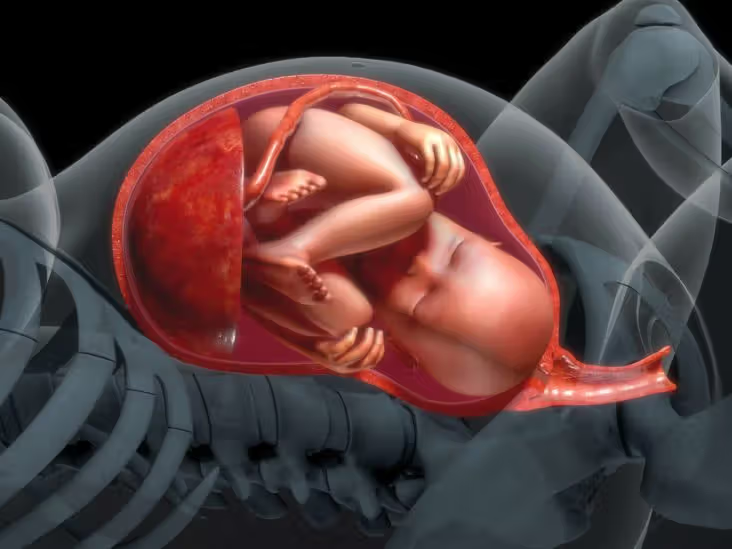
What Does Good Pregnancy Care Involve?
Good pregnancy care (antenatal care) involves a structured series of clinical check-ups, nutritional support, fetal monitoring, and emotional guidance grounded in FOGSI and WHO guidelines. It ensures early detection of complications, tracks fetal development through trimester-specific ultrasounds, and prepares expectant mothers physically and mentally for a safe, healthy delivery.
Understanding Your Journey: Trimester-by-Trimester Breakdown
Every stage of pregnancy brings unique physical changes, developmental milestones for your baby, and routine clinical checks.
First Trimester (Weeks 1 to 12)
The journey begins as your body adjusts to surging hormones like progesterone and hCG.
- Key Milestones: Your baby’s heart starts beating around week 6, and by week 12, all vital organs have begun to form.
- What Happens in Your Body: You may experience morning sickness, mild fatigue, tender breasts, and heightened sensitivity to smells.
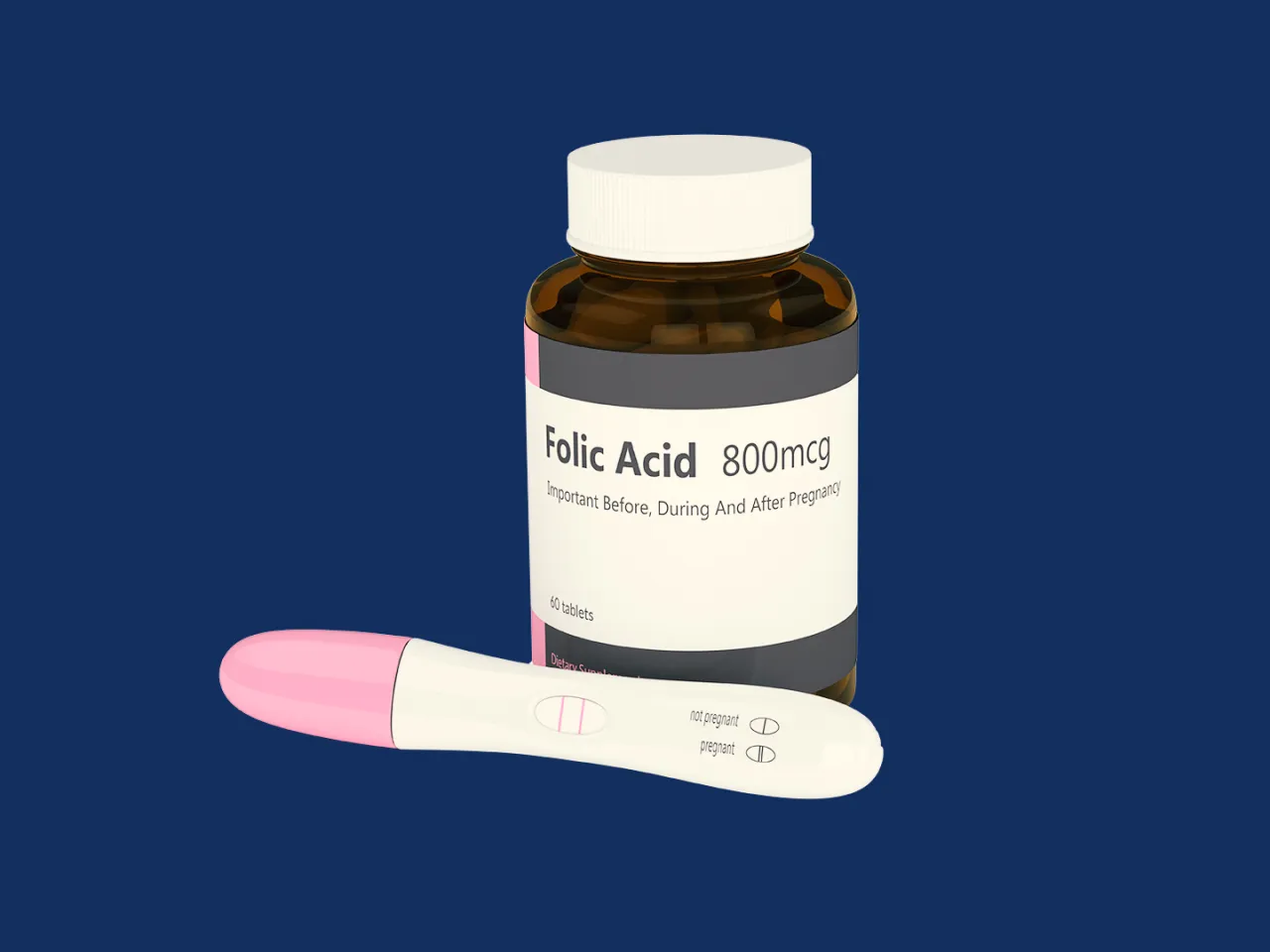
- What to Expect at the Clinic: Early viability ultrasound, baseline blood tests (hemoglobin, blood group, thyroid levels, blood sugar screening), and initial folic acid supplementation.
Second Trimester (Weeks 13 to 27)
Often called the “golden period” of pregnancy, energy levels usually return, and morning sickness fades.
- Key Milestones: You will start feeling baby movements (quickening) between weeks 18 and 22. Your baby grows hair, develops fingernails, and begins responding to sounds.
- What Happens in Your Body: Your bump becomes visible, skin may glow, and mild ligament stretches might cause slight side discomfort.
- What to Expect at the Clinic: The detailed anomaly scan (level 2 scan) between weeks 18 and 22, oral glucose tolerance testing for gestational diabetes, and iron/calcium supplements.
Third Trimester (Weeks 28 to 40)
The home stretch! Your baby gains weight rapidly and positions head-down for birth.
- Key Milestones: Fetal lungs mature, brain development accelerates, and your baby responds actively to your voice and touch.
- What Happens in Your Body: Backaches, frequent trips to the washroom, Braxton Hicks contractions, and increased vaginal discharge are common.
- What to Expect at the Clinic: Regular growth ultrasounds, blood pressure and urine protein checks, monitoring amniotic fluid levels, and finalizing birth preferences.
┌─────────────────────────────────────────────────────────────────────────────┐
│                 PREGNANCY FLUID IDENTIFICATION MATRIX                      │
├─────────────────┬──────────────────────┬────────────────────────────────────┤
│ Fluid Type      │ Appearance & Odor    │ Flow Characteristics               │
├─────────────────┼──────────────────────┼────────────────────────────────────┤
│ Amniotic Fluid  │ Clear or light pink; │ Continuous trickle or sudden gush; │
│                 │ odorless or sweet    │ cannot be stopped by pelvic muscles │
├─────────────────┼──────────────────────┼────────────────────────────────────┤
│ Urine           │ Pale yellow;         │ Small squirt when coughing,        │
│                 │ ammonia-like odor    │ laughing, or standing up suddenly   │
├─────────────────┼──────────────────────┼────────────────────────────────────┤
│ Leukorrhea      │ Creamy white, milky; │ Sticky, thick, does not soak       │
│ (Discharge)     │ mild or odorless     │ through undergarments instantly    │
└─────────────────┴──────────────────────┴────────────────────────────────────┘
What Happens if a Pregnant Lady Gets a Fluid Leak?
When women talk about a fluid leak during late pregnancy, they are usually wondering whether their “bag of waters” (amniotic sac) has opened.
The amniotic sac is a protective, fluid-filled bubble that cushions your baby, regulates temperature, and helps fetal lungs and digestive systems develop. If a tear or rupture occurs in this sac, amniotic fluid begins to leak out through the vagina.
Here is what happens depending on when the leak occurs:
- At Full Term (37+ Weeks): A fluid leak at term is a natural sign that your body is getting ready for delivery. In most cases, labor contractions naturally follow within 24 hours. Your obstetrician will guide you on when to come to the hospital for evaluation.
- Before 37 Weeks (Preterm PROM): If fluid leaks before 37 weeks, it is called Premature Rupture of Membranes. Because the amniotic sac acts as a protective barrier against bacteria, a leak requires immediate clinical attention to protect both mother and baby from infection and manage potential early delivery.
Recommended Antenatal Check-up Schedule in India
Consistent antenatal visits ensure that any subtle changes—including shifts in amniotic fluid volume—are caught early. FOGSI (Federation of Obstetric & Gynaecological Societies of India) and WHO recommend a structured check-up timeline:
┌─────────────────────────────────────────────────────────────────────────────┐
│                 RECOMMENDED ANTENATAL CHECK-UP TIMELINE                     │
├─────────────────────────────────────────────────────────────────────────────┤
│ 1. INITIAL CONSULTATION (WEEKS 6 TO 10)                                     │
│    Confirm pregnancy location, estimate due date, and start folic acid.     │
├─────────────────────────────────────────────────────────────────────────────┤
│ 2. MONTHLY VISITS (WEEKS 12 TO 28)                                          │
│    Track growth, monitor blood pressure, perform routine blood screening.   │
├─────────────────────────────────────────────────────────────────────────────┤
│ 3. FORTNIGHTLY VISITS (WEEKS 28 TO 36)                                      │
│    Monitor fetal movement counts, placental health, and fluid index.        │
├─────────────────────────────────────────────────────────────────────────────┤
│ 4. WEEKLY VISITS (WEEK 36 UNTIL DELIVERY)                                   │
│    Assess cervical readiness, review birth preferences, and check fluid.    │
└─────────────────────────────────────────────────────────────────────────────┘
- First Visit (6–10 Weeks): Confirm intrauterine pregnancy via early ultrasound and establish your personalized care plan.
- Monthly Visits (12–28 Weeks): Regular monitoring of weight, blood pressure, uterine growth, and screening for gestational anemia or diabetes.
- Fortnightly Visits (28–36 Weeks): Closer monitoring of baby movements, growth velocity, and amniotic fluid volume (AFI).
- Weekly Visits (36 Weeks to Delivery): Checking cervical progress, reviewing birth preferences, and assessing fetal well-being as labor approaches.

Warning Signs to Never Ignore During Pregnancy
While most pregnancy discomforts are completely harmless, certain signs warrant a prompt phone call or visit to your doctor:
- Continuous Watery Leakage: Any persistent wetness that trickles down your legs or continually soaks through a panty liner.
- Decreased Fetal Movement: Noticing a sudden drop or absence in your baby’s usual kicks or rolls after 24 weeks.
- Vaginal Bleeding: Spotting or bright red bleeding at any point during pregnancy.
- Severe, Unrelenting Headaches or Visual Disturbances: Sudden blurriness, seeing spots, or severe upper abdominal pain (signs of elevated blood pressure).
- Fever or Chills: Body temperature above 100°F (37.8°C), which could indicate an infection.
- Persistent Painful Contractions: Regular abdominal tightening or severe cramping before 37 weeks.
If you notice any of these symptoms, keep calm and call your doctor immediately for expert advice.
High-Risk Pregnancy: Gentle, Specialized Care When You Need It Most
Hearing the term “high-risk pregnancy” can sound scary, but it simply means that your pregnancy requires extra attention, closer monitoring, and tailored support to keep you and your baby thriving.
Common reasons a pregnancy might be classified as high-risk include maternal age over 35, carrying twins, having pre-existing conditions like hypertension or thyroid imbalance, gestational diabetes, or a history of low amniotic fluid (oligohydramnios).
If you are navigating a high-risk pregnancy, having an experienced, empathetic clinician makes all the difference. Dr. Devani Chalamuri at Vedanta Speciality Clinics in Madhurawada, Vizag specializes in high-risk obstetrics, combining advanced fetal monitoring with warm, patient-centered care for mothers across Visakhapatnam.
Preparing for Delivery: Your Practical Checklist
Taking practical steps during your third trimester gives you immense peace of mind as your big day approaches.
┌─────────────────────────────────────────────────────────────────────────────┐
│                     THIRD TRIMESTER HOSPITAL BAG CHECKLIST                   │
├─────────────────────────────────────────────────────────────────────────────┤
│ ESSENTIAL DOCUMENTS                                                         │
│ [ ] Pregnancy record file, ultrasound reports, ID proofs, insurance cards    │
├─────────────────────────────────────────────────────────────────────────────┤
│ MOTHER'S COMFORT                                                            │
│ [ ] Loose maternity gowns, front-open nightwear, comfortable slippers        │
│ [ ] High-waist cotton underwear, maternity pads, toilet accessories        │
├─────────────────────────────────────────────────────────────────────────────┤
│ NEWBORN ESSENTIALS                                                          │
│ [ ] Soft washed cotton baby clothes, swaddle sheets, newborn diapers         │
│ [ ] Baby wipes, soft caps, mittens, and socks                               │
├─────────────────────────────────────────────────────────────────────────────┤
│ SUPPORT PARTNER NEEDS                                                       │
│ [ ] Phone chargers, change of clothes, light snacks, cash/cards              │
└─────────────────────────────────────────────────────────────────────────────┘
Essential Checklist Steps:
- Pack Your Hospital Bag by Week 36: Keep essentials for both you and your baby ready near the door.
- Keep Your Medical Folder Organized: File all ultrasound reports, blood tests, and doctor notes chronologically.
- Plan Your Hospital Route: Know the exact drive time from your home to your chosen birthing facility in Vizag.
- Choose Your Birth Companion: Decide who will be in the room to encourage you during labor.
Postnatal Care: Nurturing the Mother After Birth
Care does not stop when your baby arrives—in fact, the “fourth trimester” is just as important! Postnatal care focuses on helping your body heal while supporting your emotional transition into motherhood.
- Physical Recovery: Caring for stitches (whether perineal or C-section), managing postpartum bleeding (lochia), and supporting uterine involution.
- Lactation Guidance: Learning comfortable breastfeeding latches, preventing nipple soreness, and understanding newborn feeding cues.
- Emotional Support: It is very common to feel “baby blues” (mild mood swings or tearfulness) during the first two weeks due to rapid hormonal shifts. Having compassionate support helps you navigate these emotional waves gently.
Comparison: Amniotic Fluid Leak vs. Normal Pregnancy Discharge vs. Urine Leakage
| Feature | Amniotic Fluid Leak | Normal Discharge (Leukorrhea) | Urinary Incontinence |
| Consistency | Thin, watery, clear | Thick, creamy, or sticky | Thin, watery |
| Color | Clear, straw-colored, or pale pink | Off-white or milky | Pale yellow |
| Odor | Odorless or slightly sweet | Mild, non-offensive | Distinctive ammonia smell |
| Control | Cannot be stopped by tightening muscles | Gradual buildup on liner | Occurs during coughing, laughing, sneezes |
| Action Needed | Contact your doctor promptly | Normal physiological change | Kegel exercises & routine consult |

Frequently Asked Questions
What happens if a pregnant lady gets a fluid leak in the third trimester?
When a pregnant woman leaks amniotic fluid, it means the protective sac around the baby has ruptured or torn. At or near term (37+ weeks), it usually signals that labor is starting, whereas earlier in pregnancy it requires immediate medical evaluation to protect against infection.
How can I tell the difference between amniotic fluid and urine?
Amniotic fluid is typically clear or light pink, odorless or sweet-smelling, and cannot be stopped by tightening pelvic floor muscles. Urine is yellowish, smells distinctively like ammonia, and usually leaks in small squirts when coughing or sneezing.
Is a small trickle of fluid normal during late pregnancy?
While increased vaginal discharge (leukorrhea) is very normal, a continuous watery trickle is not. Any continuous watery loss should be checked by an obstetrician to confirm if the bag of waters has broken.
Can amniotic fluid leak and then stop on its own?
In very rare cases, a tiny high membrane tear may seal itself, but most amniotic fluid leaks continue continuously. You should never assume a leak has stopped without clinical confirmation from your gynaecologist.
How early should I start prenatal care in Visakhapatnam?
Prenatal care should ideally begin as soon as you get a positive home pregnancy test, preferably between 6 and 8 weeks of gestation. Early care ensures accurate dating ultrasounds and early screening.
Which lady doctor should I consult for pregnancy care in Madhurawada?
Dr. Devani Chalamuri at Vedanta Speciality Clinics in Madhurawada, Visakhapatnam offers empathetic, expert antenatal, delivery, and high-risk pregnancy care.
What happens during a high-risk pregnancy check-up?
A high-risk check-up includes detailed ultrasound evaluations of blood flow (Doppler), frequent blood pressure monitoring, customized nutrition planning, and tailored care to manage conditions like hypertension or gestational diabetes.
Can I get prenatal ultrasound and consultation at Vedanta Speciality Clinics in Madhurawada?
Yes, Vedanta Speciality Clinics in Madhurawada provides comprehensive maternity consultations, fetal monitoring support, and prenatal check-ups under the direct guidance of Dr. Devani Chalamuri.
Welcome Your Newborn with Expert, Caring Support in Vizag
Pregnancy is a beautiful, life-changing journey that deserves gentle guidance, clear answers, and top-quality medical care at every turn. Knowing what to expect gives you total confidence as you count down the days to meeting your baby.
Ready to start your pregnancy journey in Vizag with expert care? Book your appointment with Dr. Devani Chalamuri at Vedanta Speciality Clinics, Madhurawada — WhatsApp: +91 81257 65888.



Leave a Comment