

Table of Contents
What Tests Are Done in Women’s Health Checkups? A Comprehensive Clinical Guide
Preventive diagnostic screening is the foundation of long-term wellness and disease prevention for women. As the body undergoes various physiological and hormonal transitions, the medical requirements for monitoring health change accordingly. Understanding What Tests Are Done in Women’s Health Checkups? is essential for any woman looking to take a proactive role in her healthcare. These screenings are designed to detect asymptomatic conditions, assess reproductive health, and monitor metabolic stability.
For residents in Visakhapatnam, navigating these medical requirements often starts with a search for a gynaecologist near me. However, a clinical checkup is more than just a physical consultation; it is a structured series of evidence-based investigations tailored to a woman’s age, family history, and specific health concerns. This guide provides an authoritative breakdown of the core diagnostic tests used in modern women’s healthcare to ensure early detection and personalized treatment.
Overview of Women’s Health Screening
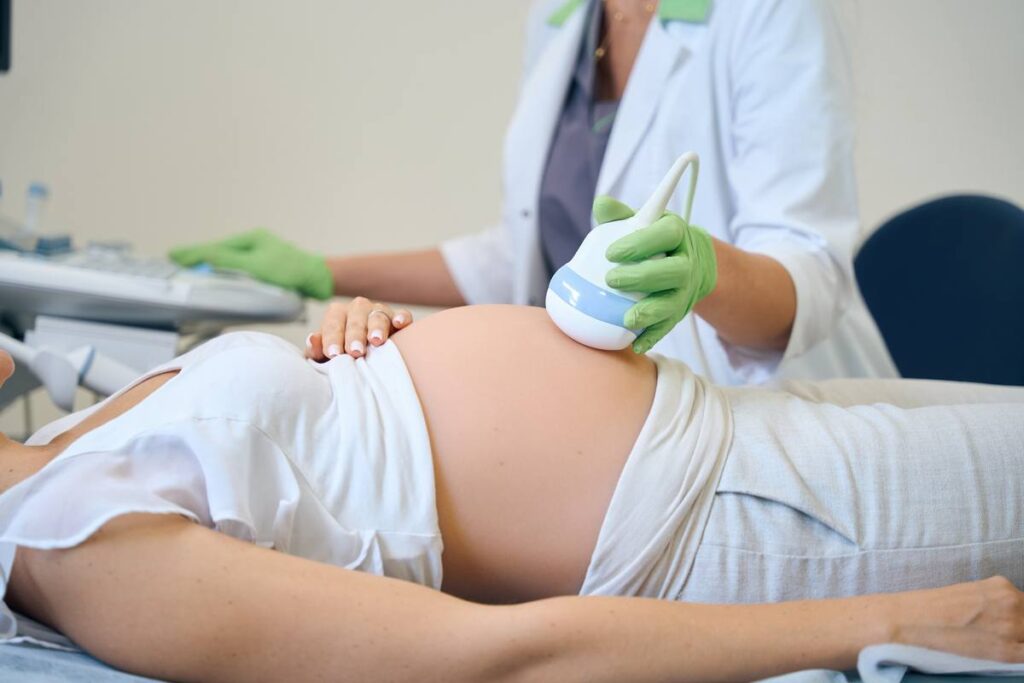
What are the primary tests included in a women’s health checkup? A comprehensive women’s health checkup typically includes a combination of physical examinations, laboratory blood work, and diagnostic imaging. The core screenings involve Pap smears for cervical cancer, mammograms for breast health, pelvic ultrasounds for reproductive organ assessment, and hormonal panels to evaluate endocrine function.
Key categories of testing include:
- Oncological Screenings: Detecting precancerous or cancerous cells.
- Metabolic Profiles: Assessing blood sugar, lipid levels, and thyroid function.
- Reproductive Imaging: Visualizing the uterus, ovaries, and fallopian tubes.
- Nutritional Assays: Checking for deficiencies in Vitamin D, B12, and Iron (Ferritin).
Essential Tests and Their Clinical Significance
1. Cervical Cancer Screening (Pap Smear & HPV Testing)
The Papanicolaou test, commonly known as a Pap smear, is a life-saving screening that involves collecting cells from the cervix to look for abnormalities. Clinicians often combine this with Human Papillomavirus (HPV) DNA testing. These tests are vital for identifying changes that could lead to cervical cancer years before symptoms appear.
2. Diagnostic Imaging: Pelvic Ultrasound
A pelvic ultrasound (transabdominal or transvaginal) is a primary tool used to visualize the internal reproductive organs. It is essential for diagnosing:
- Polycystic Ovary Syndrome (PCOS): Identifying the presence of multiple small follicles on the ovaries.
- Uterine Fibroids: Detecting non-cancerous growths in the uterine wall.
- Endometrial Thickness: Monitoring the lining of the uterus for abnormalities.
3. Hormonal and Endocrine Panels
Hormones regulate almost every aspect of a woman’s health. A standard checkup often includes blood tests to measure:
- Thyroid-Stimulating Hormone (TSH): To rule out hyperthyroidism or hypothyroidism.
- FSH and LH Levels: To assess ovarian reserve and reproductive aging.
- Prolactin and Testosterone: Essential for investigating irregular periods or hirsutism.
4. Breast Health: Clinical Exams and Mammography
While clinical breast exams are performed during the physical, imaging via mammography or breast ultrasound is recommended for women over 40 (or earlier if there is a family history). These tests are the gold standard for detecting early-stage breast malignancies.
Key Insights: Practical Guidance for Patients
To maximize the efficacy of your health checkup in Visakhapatnam, follow these clinical recommendations:
- Time Your Visit: For the most accurate results in hormonal panels and Pap smears, try to schedule your checkup for the week after your period ends.
- Arrive Prepared: Bring a record of your menstrual cycle dates and a list of any supplements or medications you are currently taking.
- Fasting Requirements: Some metabolic tests, such as fasting blood sugar or lipid profiles, require you to refrain from eating for 8–12 hours prior to the blood draw.
- Be Specific with Symptoms: Mention even minor changes, such as increased fatigue or skin breakouts, as these guide the doctor in ordering specific “add-on” tests.

When to Seek Medical Help
While annual checkups are the standard for healthy women, specific symptoms warrant an immediate diagnostic workup:
- Unexplained Pelvic Pain: Chronic or acute pain that does not resolve.
- Abnormal Bleeding: Bleeding between cycles or after menopause.
- Palpable Lumps: Any new mass found during a breast self-exam.
- Severe Hormonal Shifts: Rapid weight gain, excessive hair growth, or sudden mood disturbances.
- Fertility Concerns: If conception has not occurred after 6–12 months of unprotected intercourse.
3. Visakhapatnam Women’s Healthcare
People in Visakhapatnam seeking women’s healthcare often consult qualified specialists to ensure their diagnostic screenings are comprehensive and accurate. Clinics in areas such as Madhurawada, MVP Colony, and Dwaraka Nagar provide access to diagnosis and treatment using advanced laboratory and imaging facilities. Facilities like Vedanta Speciality Clinics are among those offering structured care for such conditions, providing the Vizag community with personalized health packages that include essential screenings for every stage of life.
4. FAQ SECTION
How often should a woman get a full health checkup?
Clinically, an annual wellness exam is recommended for all adult women. While certain tests like Pap smears may only be needed every three to five years depending on age and history, annual visits allow for blood pressure monitoring, clinical breast exams, and metabolic health assessments.
Are blood tests enough to check reproductive health?
Blood tests are excellent for checking hormone levels and metabolic health, but they cannot show structural issues. A pelvic ultrasound is usually necessary alongside blood work to visualize the ovaries and uterus for a complete picture of reproductive health.
What is the best age to start getting mammograms?
For women with average risk, most medical organizations recommend starting annual mammograms at age 40. However, if you have a strong family history of breast cancer, your specialist in Vizag may suggest starting screenings as early as age 30 or 35.
Do I need a Pap smear if I have had the HPV vaccine?
Yes, you still need regular Pap smears. While the HPV vaccine protects against the most common cancer-causing strains, it does not cover every type of HPV. Regular screening remains a clinical necessity for the early detection of cervical abnormalities.
Which tests help in diagnosing PCOS?
Diagnosing PCOS usually requires a “Rotterdam Criteria” approach, involving at least two of three findings: irregular periods, high androgen levels (shown in blood tests), and the appearance of polycystic ovaries on an ultrasound. A checkup for PCOS will include both blood work and imaging.
Is a thyroid test part of a routine women’s checkup?
Yes, TSH (Thyroid-Stimulating Hormone) testing is a standard part of women’s health checkups because thyroid disorders are significantly more common in women. An imbalance can affect everything from your energy levels and weight to your menstrual regularity and fertility.

5. CONCLUSION
Understanding what tests are done in women’s health checkups is the first step toward a lifetime of wellness. By combining advanced imaging with precise laboratory assays, modern medicine can identify and address health risks long before they become symptomatic. Whether it is a routine Pap smear or a detailed hormonal profile, staying consistent with your screenings in Visakhapatnam is vital. Seeking guidance from an experienced women’s healthcare specialist can help ensure proper diagnosis and personalized care.



Leave a Comment