
Table of Contents
When Is Vaginal Bleeding Considered Abnormal? Causes, Signs, and Expert Care
Spotting unexpected blood on your underwear or noticing that your monthly flow has suddenly turned extraordinarily heavy can feel disconcerting. If you are asking yourself, “When is vaginal bleeding considered abnormal?“, please know that your concern is completely valid. Understanding when vaginal bleeding is considered abnormal empowers you to listen to your body, separate temporary hormonal shifts from conditions needing care, and advocate for your reproductive well-being with confidence.
Every woman’s body follows its own distinct rhythm, and what is normal for one person may not be normal for another. However, medical guidelines establish clear parameters for what constitutes a healthy menstrual cycle versus bleeding that warrants a professional medical opinion.

What Is Abnormal Vaginal Bleeding?
Abnormal vaginal bleeding (clinically termed Abnormal Uterine Bleeding or AUB) refers to any bleeding from the reproductive tract that differs significantly in duration, volume, frequency, or timing from a woman’s regular menstrual cycle, including bleeding between periods, after sexual intercourse, during pregnancy, or after menopause.
How Common Is Abnormal Uterine Bleeding in India?
In Indian society, conversations around reproductive health, irregular spotting, or heavy menstrual bleeding are often brushed aside due to cultural hesitation or the belief that pain and discomfort are simply things a woman must endure. However, clinical research highlights just how widespread this issue is:
- Prevalence of AUB: According to published studies by the Federation of Obstetric & Gynaecological Societies of India (FOGSI), abnormal uterine bleeding accounts for nearly 20% to 30% of all outpatient gynaecology consultations across the country.
- Impact of Anemia: The National Family Health Survey (NFHS-5) reports that over 57% of reproductive-aged women in India suffer from anemia. Heavy menstrual bleeding is a primary contributor, creating a cycle of fatigue and weakness.
- Fibroids and Polyps: Research indicates that uterine fibroids affect up to 30% to 40% of Indian women above 35 years of age, representing one of the most frequent structural causes of prolonged, heavy bleeding.
- Postmenopausal Vigilance: Studies from Indian medical institutions emphasize that any postmenopausal bleeding requires prompt evaluation, as early detection leads to effective care and peace of mind.
Understanding these figures reassures us that experiencing cycle changes is not uncommon, and seeking answers is a responsible choice for long-term health.
┌─────────────────────────────────────────────────────────────────────────────┐
│                       MENSTRUATION VS. ABNORMAL BLEEDING                    │
├───────────────────┬─────────────────────────────┬───────────────────────────┤
│ Parameter         │ Healthy Menstrual Bleeding  │ Abnormal Vaginal Bleeding │
├───────────────────┼─────────────────────────────┼───────────────────────────┤
│ Cycle Frequency   │ Every 21 to 35 days         │ Shorter than 21 days or   │
│                   │                             │ longer than 35 days       │
├───────────────────┼─────────────────────────────┼───────────────────────────┤
│ Bleeding Duration │ 3 to 7 consecutive days     │ Exceeds 8 days or intermittent│
├───────────────────┼─────────────────────────────┼───────────────────────────┤
│ Daily Flow Volume │ 30 to 80 ml total           │ Soaking through 1+ pads/hr│
│                   │ (3–5 pads/tampons per day)  │ for consecutive hours     │
├───────────────────┼─────────────────────────────┼───────────────────────────┤
│ Life Stages       │ During reproductive years   │ During pregnancy or after │
│                   │ (Puberty to Perimenopause)  │ full menopause            │
└───────────────────┴─────────────────────────────┴───────────────────────────┘
Key Signs and Symptoms You May Notice
Abnormal bleeding can manifest in various ways depending on your age, lifestyle, and underlying hormonal balance. You may notice one or more of the following patterns:
- Intermenstrual Spotting: Noticing light pink, red, or brownish blood droplets on toilet tissue or underwear between your scheduled monthly periods.
- Heavy Menstrual Bleeding (Menorrhagia): Passing large blood clots (larger than a coin) or needing to change heavy-absorbency sanitary pads every hour for several consecutive hours.
- Postcoital Bleeding: Experiencing light bleeding or reddish discharge immediately following or during sexual intercourse.
- Prolonged Periods: Menstrual bleeding that trickles on for longer than 8 days without stopping completely.
- Irregular Cycle Windows: Unpredictable timing where periods arrive twice in a single month or disappear for two to three months without pregnancy.
- Postmenopausal Bleeding: Any amount of spotting or bleeding that occurs 12 months or more after your final menstrual period.
6 Primary Causes of Abnormal Vaginal Bleeding
Medical research categorized by the International Federation of Gynecology and Obstetrics (FIGO) divides the causes of abnormal uterine bleeding into structural and non-structural factors (often remembered by the acronym PALM-COEIN).
1. Uterine Fibroids and Endometrial Polyps
Fibroids are non-cancerous muscular growths in the uterine wall, while polyps are small, benign tissue growths on the lining of the uterus or cervix. Both can distort the uterine cavity, leading to heavy flow, prolonged periods, and pelvic pressure.
2. Hormonal Imbalances and Ovulatory Dysfunction
When ovulation does not occur regularly—frequently seen in conditions like Polycystic Ovary Syndrome (PCOS), thyroid dysfunction, or extreme physical stress—progesterone levels drop. Without progesterone to stabilize the uterine lining, the lining sheds unpredictably, causing mid-cycle spotting or heavy breakthrough bleeding.
3. Adenomyosis
Adenomyosis occurs when the tissue that normally lines the uterus begins growing into the muscular uterine wall. This condition causes the uterus to enlarge and become tender, often resulting in heavy, painful periods accompanied by severe cramping.
4. Intrauterine Devices (IUDs) and Hormonal Medications
Starting a new hormonal birth control pill, receiving hormonal injections, or inserting a copper or hormonal IUD can cause temporary spotting or alteration in your bleeding pattern during the first few months as your body adjusts.
5. Pregnancy-Related Causes
Bleeding during reproductive years may sometimes indicate early pregnancy. While light implantation spotting can occur, early pregnancy bleeding can also signal an ectopic pregnancy or a threatened miscarriage, making prompt evaluation by an obstetrician in Vizag essential.
6. Cervical or Endometrial Changes
Inflammation of the cervix (cervicitis), benign cervical erosion, or localized infections can cause postcoital bleeding. Less commonly, pre-cancerous changes or malignancies in the cervix or endometrium can present as unusual bleeding, particularly in postmenopausal women.
How Do Doctors Diagnose Abnormal Bleeding?
If you consult a doctor regarding abnormal bleeding, the evaluation process is designed to be gentle, supportive, and thorough.
- Detailed Clinical Discussion: Your doctor will walk through your menstrual log, lifestyle factors, medical history, and any current medications in a confidential setting.
- Physical and Pelvic Examination: A gentle clinical examination assesses the health of your vagina and cervix, checking for localized inflammation or polyps.
- Targeted Lab Tests: Routine blood work evaluates hemoglobin levels (to screen for anemia), thyroid function (TSH), prolactin, and key reproductive hormones.
- Pelvic Ultrasound Scan: A non-invasive pelvic ultrasound provides a clear image of your uterine lining thickness, ovaries, and structural factors like fibroids.
- Endometrial Assessment (If Indicated): For women over 40 or those with persistent risk factors, a minor office procedure may be recommended to evaluate a small sample of the uterine lining.
┌─────────────────────────────────────────────────────────────────────────────┐
│                 THE DIAGNOSTIC ROADMAP FOR ABNORMAL BLEEDING                │
├─────────────────────────────────────────────────────────────────────────────┤
│ 1. SYMPTOM RECAP & HISTORY                                                  │
│    Reviewing tracking dates, flow intensity, pain levels, and medications.  │
├─────────────────────────────────────────────────────────────────────────────┤
│ 2. REPRODUCTIVE & HORMONAL BLOOD WORK                                       │
│    Screening for anemia (Hb), thyroid shifts (TSH), and hormone levels.     │
├─────────────────────────────────────────────────────────────────────────────┤
│ 3. HIGH-RESOLUTION PELVIC ULTRASOUND                                         │
│    Visualizing uterine cavity thickness, fibroids, polyps, or cysts.        │
├─────────────────────────────────────────────────────────────────────────────┤
│ 4. INDIVIDUALIZED CARE PLAN                                                 │
│    Formulating medical, lifestyle, or therapeutic interventions.            │
└─────────────────────────────────────────────────────────────────────────────┘

What Are the Treatment Options?
Treatment for abnormal vaginal bleeding is tailored entirely to the underlying cause, your age, and whether you plan to become pregnant in the future.
- Lifestyle and Medical Management: If hormonal fluctuations or stress are identified, simple medical therapy—such as low-dose hormonal regulators, non-hormonal anti-fibrinolytic medications, or iron supplements—can restore control and bolster energy levels.
- Targeted Hormonal Solutions: Hormonal IUDs or cyclic progesterone tablets can help thin the uterine lining, reducing heavy bleeding significantly.
- Minimally Invasive Procedures: For structural issues like cervical or endometrial polyps, quick day-care procedures (like hysteroscopic polyp removal) can clear the blockage without requiring major surgery.
- Surgical Management: When large fibroids or severe adenomyosis do not respond to medical therapy, advanced laproscopic or minimally invasive procedures may be discussed to restore your quality of life.
When Should You See a Gynecologist in Vizag?
While occasional light spotting might resolve on its own, certain key red flags mean you should schedule a consultation without delay:
- You experience sudden, soaking-heavy bleeding (using 2+ pads an hour for consecutive hours)
- You notice any amount of bleeding or spotting after full menopause
- You experience bleeding during pregnancy or after sexual intercourse
- Your bleeding is accompanied by fever, foul-smelling discharge, severe dizziness, or fainting
- Your periods regularly last longer than 8 days or leave you feeling exhausted and breathless
If you recognize several of these symptoms in yourself, speaking to a qualified gynaecologist is the most important next step. Dr. Devani Chalamuri at Vedanta Speciality Clinics in Madhurawada, Vizag specializes in abnormal uterine bleeding, hormonal regulation, and general women’s health, offering compassionate, evidence-based care for women across Visakhapatnam.
Comparing Different Bleeding Scenarios
| Life Stage / Context | Typical Bleeding Pattern | Common Potential Causes | Recommended Action |
| Adolescence / Puberty | Spaced out, heavy, or unpredictable cycles | Immature brain-ovary axis, non-ovulatory cycles | Observation, cycle tracking, reassurance |
| Reproductive Age (20s–30s) | Intermenstrual spotting, heavy periods | PCOS, birth control shifts, fibroids, pregnancy | Hormonal panel, pelvic ultrasound examination |
| Perimenopause (40s) | Variable flow, skipped or close cycles | Declining egg reserve, adenomyosis, polyps | Ultrasound scan, hormonal or lining assessment |
| Postmenopause (50s+) | Any spotting or frank bleeding | Tissue thinning (atrophy), polyps, endometrial shifts | Urgent gynecological evaluation and diagnostic scan |
Frequently Asked Questions
Is light spotting between periods always a cause for concern?
Light spotting during ovulation or when starting a new birth control method can be normal. However, if intermenstrual spotting recurs for two or more consecutive months, a clinical evaluation is recommended to rule out polyps or infection.
Why am I bleeding after sexual intercourse?
Bleeding after intercourse (postcoital bleeding) can stem from cervical inflammation, cervical polyps, vaginal dryness, or cervical erosion. It should always be evaluated by a women’s health specialist to ensure peace of mind.
Is any vaginal bleeding after menopause considered abnormal?
Yes, any vaginal bleeding or pinkish discharge occurring 12 months or more after your last period is considered postmenopausal bleeding and requires prompt medical assessment by a doctor.
Can stress cause sudden abnormal vaginal bleeding?
High physical or emotional stress triggers cortisol release, which can temporarily disrupt the hormonal signals governing your cycle, leading to early periods, late periods, or light mid-cycle spotting.
Which lady gynecologist should I consult for abnormal bleeding in Vizag?
For experienced and compassionate care in Visakhapatnam, you can consult Dr. Devani Chalamuri, a dedicated obstetrician and gynecologist practicing at Vedanta Speciality Clinics in Madhurawada.
Is spotting during early pregnancy normal or dangerous?
Light spotting in early pregnancy can happen due to implantation or mild cervical sensitivity. However, any bleeding during pregnancy should be promptly discussed with a pregnancy doctor in Visakhapatnam to ensure maternal and fetal health.
What is the difference between normal heavy period bleeding and abnormal bleeding?
Bleeding is considered abnormal if you soak through one or more pads per hour for consecutive hours, pass blood clots larger than a coin, or if bleeding persists longer than 7 to 8 days.
What medical tests find the cause of abnormal uterine bleeding?
A standard clinical assessment typically includes a gentle pelvic examination, routine hormone and thyroid blood tests, and a high-resolution pelvic ultrasound scan.
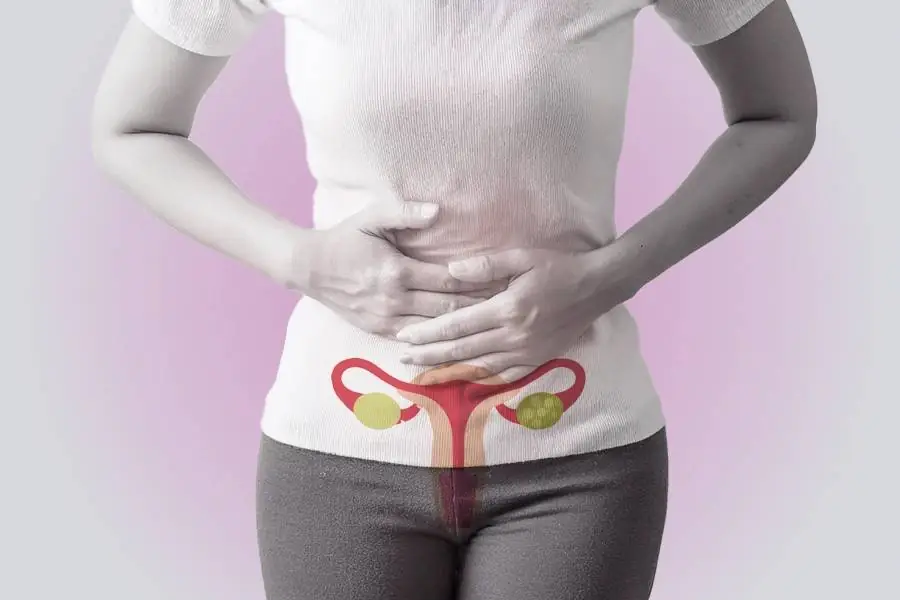
Prioritize Your Health with Confidence
Your body’s signals are meant to guide you, not scare you. Experiencing abnormal vaginal bleeding is a message from your body asking for care, and modern gynecological care offers gentle, effective solutions that can restore your physical comfort and daily vitality.
If you are experiencing any of these symptoms, Dr. Devani Chalamuri at Vedanta Speciality Clinics, Madhurawada, Vizag is available for a consultation — https://vedantaspecialityclinics.com/. Taking the step to schedule a consultation is an empowering act of self-care.

Leave a Comment