

Table of Contents
What Doctors Recommend for Healthy Pregnancy: A Clinical Roadmap
A healthy pregnancy is the result of a meticulously managed biological environment where maternal wellness directly influences fetal development. Clinical guidelines for prenatal care have evolved to focus on a holistic “preventative” approach, emphasizing that the steps taken during the first trimester set the trajectory for the entire gestational period. Understanding what doctors recommend for healthy pregnancy involves more than a list of “do’s and don’ts”; it is about optimizing the body’s physiological response to the metabolic and hormonal demands of gestation.
In the coastal urban setting of Visakhapatnam, expectant mothers often face environmental factors such as high humidity and lifestyle stressors that can impact maternal health. Many begin their journey by searching for a gynaecologist near me to establish a baseline of care. This guide synthesizes evidence-based medical recommendations to help navigate the complexities of pregnancy with clinical confidence.

Overview of Clinical Prenatal Recommendations
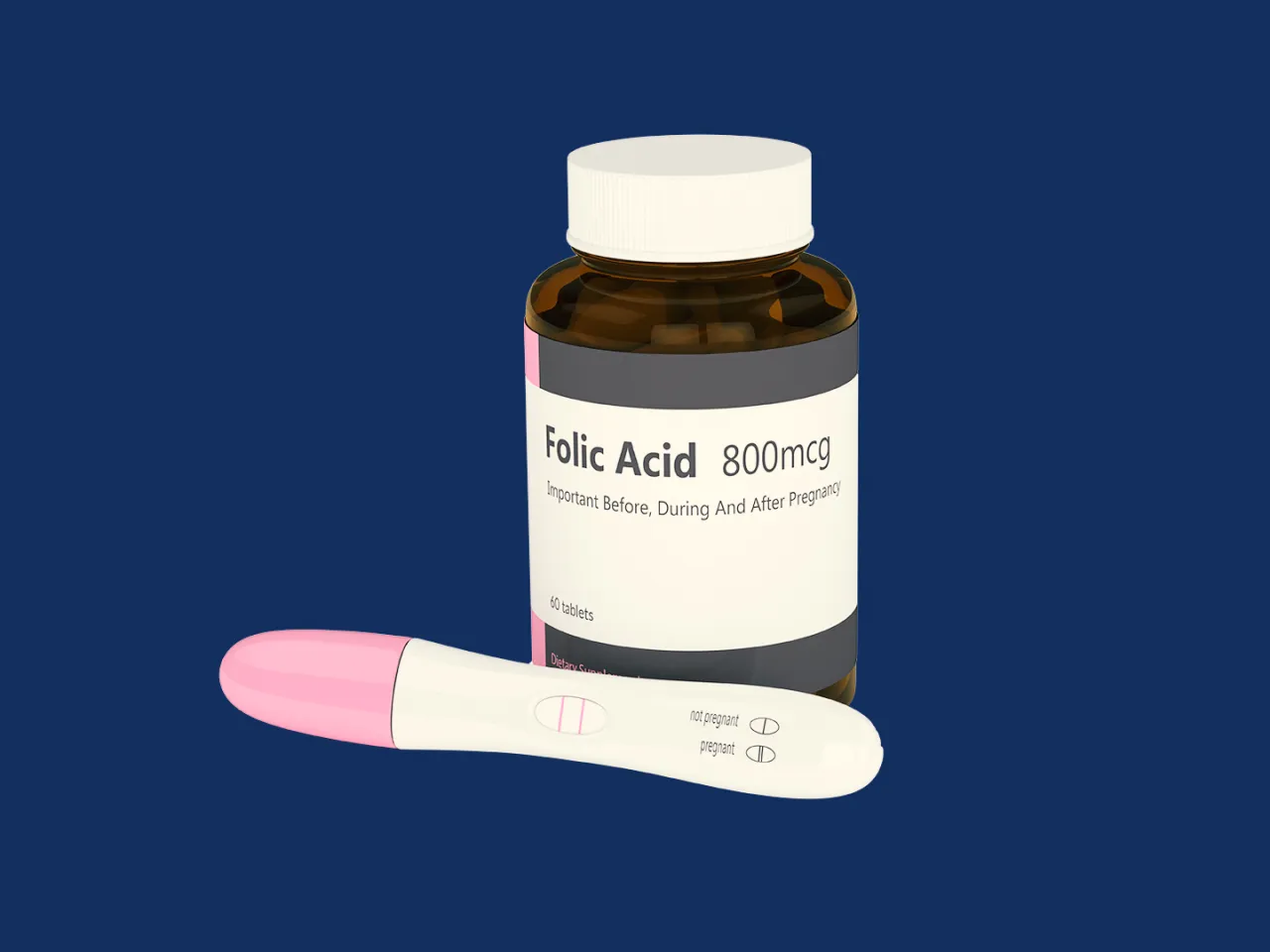
What do doctors recommend for a healthy pregnancy? Medical professionals prioritize a structured protocol consisting of early prenatal vitamin supplementation (folic acid), regular screening for gestational conditions, balanced macro-nutrition, and low-impact physical activity. These recommendations are designed to prevent neural tube defects, manage blood glucose levels, and maintain maternal cardiovascular health.
The clinical pillars of a healthy pregnancy include:
- Micronutrient Optimization: Specifically Folic Acid, Iron, Calcium, and Vitamin D.
- Metabolic Monitoring: Regular checks for gestational diabetes and preeclampsia markers.
- Infection Control: Safeguarding against TORCH infections and urinary tract infections (UTIs).
- Fetal Surveillance: Timely ultrasounds (NT Scan and Anomaly Scan) to monitor development.
The Biological Foundation: Nutrition and Metabolic Health
The Role of Folic Acid and Iron
The synthesis of new DNA and the expansion of maternal blood volume require specific building blocks. Folic acid is critical in the first weeks for the development of the fetal neural tube. As the pregnancy progresses, iron requirements increase significantly to support the oxygen demands of the placenta and the growing fetus.
Managing Gestational Glucose
Pregnancy naturally induces a state of insulin resistance to ensure the fetus has adequate glucose. However, when this becomes excessive, it leads to gestational diabetes. Doctors recommend a diet focused on complex carbohydrates and high fiber to stabilize insulin spikes and prevent excessive maternal weight gain.
Cardiovascular Adaptation
A woman’s heart works 30% to 50% harder during pregnancy. To support this, clinicians recommend staying hydrated and monitoring blood pressure consistently. This helps in the early detection of preeclampsia, a condition characterized by high blood pressure that can impact organ function.
Key Insights: Practical Guidance for Expectant Mothers
To align with modern medical standards in Vizag, mothers should integrate the following practices:
- Adhere to the “First 1000 Days” Philosophy: Realize that nutrition starts even before conception and continues through the first two years of the child’s life.
- Optimize Hydration: In the warm climate of Andhra Pradesh, pregnant women should aim for 2.5 to 3 liters of water daily to maintain amniotic fluid levels and prevent UTIs.
- Safe Physical Activity: Doctors recommend at least 150 minutes of moderate-intensity aerobic activity per week, such as brisk walking or prenatal yoga, provided there are no contraindications.
- Avoid Environmental Toxins: This includes cessation of tobacco, alcohol, and limiting exposure to high levels of pollution or unpasteurized dairy products.
When to Seek Medical Help
While most pregnancies proceed without major complications, certain symptoms require immediate clinical evaluation by a specialist in Visakhapatnam:
- Vaginal Bleeding: Any spotting or bleeding during any trimester.
- Severe Abdominal Pain: Sharp or persistent cramping that does not resolve.
- Decreased Fetal Movement: If you notice a significant drop in the baby’s usual kicking patterns after 24 weeks.
- Sudden Swelling: Excessive edema in the face or hands, which could indicate hypertension.
- Persistent Headaches or Vision Changes: These are potential neurological indicators of preeclampsia.

3. Madhurawada women’s healthcare
People in Visakhapatnam seeking women’s healthcare often consult qualified specialists to ensure their pregnancy follows the highest clinical standards. Clinics in areas such as Madhurawada, MVP Colony, and Dwaraka Nagar provide access to advanced diagnosis and prenatal treatment. Facilities like Vedanta Speciality Clinics are among those offering structured care for such conditions, providing the Vizag community with specialized resources for high-risk pregnancy management and routine prenatal counseling.
4. FAQ SECTION
When should I start taking prenatal vitamins?
Doctors recommend starting prenatal vitamins, especially folic acid (400-800 mcg), at least one month before conception. If the pregnancy is unplanned, you should start them as soon as the pregnancy is confirmed to support the early development of the baby’s brain and spine.
What is the “Talk Test” for exercise during pregnancy?
The “Talk Test” is a clinical way to monitor exercise intensity. If you can carry on a conversation while exercising, you are likely at a safe, moderate intensity. If you are too breathless to speak, the intensity is too high and may reduce blood flow to the placenta.
Is it safe to eat seafood during pregnancy in Vizag?
Seafood is an excellent source of Omega-3 fatty acids, but doctors recommend avoiding high-mercury fish. In Visakhapatnam, enjoy local low-mercury options like pomfret or sardines, ensuring they are thoroughly cooked. Avoid raw fish (sushi) to prevent infections like Listeria.
Why do I need an oral glucose tolerance test (OGTT)?
The OGTT is usually performed between 24 and 28 weeks of pregnancy. It measures how your body handles sugar. Doctors recommend this to screen for gestational diabetes, which, if left unmanaged, can lead to a very large baby and delivery complications.
How much weight should I gain during pregnancy?
Weight gain recommendations are based on your pre-pregnancy Body Mass Index (BMI). For a woman with a normal BMI, doctors typically recommend a gain of 11 to 16 kilograms. Excessive gain increases the risk of hypertension and delivery interventions.
Can I sleep on my back while pregnant?
After the 28th week, doctors recommend sleeping on your side (preferably the left side). Sleeping on your back can cause the weight of the uterus to compress the vena cava, a major vein, which may reduce blood flow to the fetus.

5. CONCLUSION
In summary, following what doctors recommend for healthy pregnancy creates the safest environment for both mother and child. By focusing on evidence-based nutrition, consistent clinical screenings, and sensible lifestyle adjustments, the risks associated with gestation can be significantly mitigated. Every pregnancy is unique, and personalized medical guidance is the cornerstone of a successful term. Seeking guidance from an experienced women’s healthcare specialist can help ensure proper diagnosis and personalized care.


Leave a Comment