
Table of Contents
Reasons Not Getting Pregnant Explained
The journey to parenthood is deeply personal, and for many, it does not happen as quickly as anticipated. When a couple is actively trying to conceive without success, it can lead to a whirlwind of questions and emotional stress. In the medical community, infertility is generally defined as the inability to achieve pregnancy after 12 months of regular, unprotected intercourse—or 6 months for women over the age of 35.
Understanding why you are not getting pregnant requires a look at the intricate biological requirements for conception. From hormonal balance and egg quality to reproductive anatomy and male factor contributions, several variables must align perfectly. This article provides an evidence-based overview of the common clinical reasons for conception delays and offers guidance on how to navigate the diagnostic process.

Overview: The Biological Requirements for Conception
To understand the possible reasons for not getting pregnant, one must first recognize the four essential pillars of natural conception:
- Healthy Ovulation: The female body must release a mature egg.
- Sperm Quality: The male partner must produce healthy, motile sperm capable of fertilization.
- Tubal Patency: The fallopian tubes must be open to allow the egg and sperm to meet.
- Uterine Environment: The embryo must be able to implant in a healthy uterine lining.
A disruption in any of these areas can result in difficulty conceiving. Modern reproductive medicine categorizes these disruptions into female factors, male factors, or a combination of both.
Common Medical Reasons for Conception Delays
1. Ovulatory Dysfunction
The most frequent cause of female infertility is a disorder with ovulation. If an egg is not released, fertilization cannot occur.
- Polycystic Ovary Syndrome (PCOS): A hormonal imbalance that causes irregular or absent ovulation.
- Thyroid Disorders: Overactive or underactive thyroid glands can disrupt the menstrual cycle.
- Diminished Ovarian Reserve: A lower quantity or quality of eggs, often associated with maternal age.
2. Structural and Anatomical Issues
Sometimes, the physical pathway for the egg or embryo is blocked or distorted.
- Fallopian Tube Blockage: Often caused by Pelvic Inflammatory Disease (PID) or endometriosis, blocked tubes prevent the sperm from reaching the egg.
- Endometriosis: A condition where tissue similar to the uterine lining grows outside the uterus, causing inflammation and scarring.
- Uterine Fibroids or Polyps: These benign growths can interfere with embryo implantation or increase the risk of early pregnancy loss.
3. Male Factor Infertility
Infertility is not solely a female concern; in approximately 40–50% of cases, a male factor is a primary or contributing cause.
- Low Sperm Count (Oligospermia): Fewer sperm than average in the ejaculate.
- Poor Motility: Sperm that do not swim effectively toward the egg.
- Morphology Issues: Abnormally shaped sperm that struggle to penetrate the egg.
4. Lifestyle and Environmental Factors
While medical conditions are primary, lifestyle variables can 7. Chronic stress, high body mass index (BMI), smoking, and excessive alcohol consumption have all been clinically shown to decrease fertility parameters in both men and women.
Key Insights and Practical Guidance
If you are not getting pregnant, a systematic approach to diagnosis is essential.
- Track Your Cycle: Use ovulation predictor kits or basal body temperature charts to confirm if and when you are ovulating.
- Timing is Critical: Focus activity during the “fertile window,” typically the five days leading up to and including the day of ovulation.
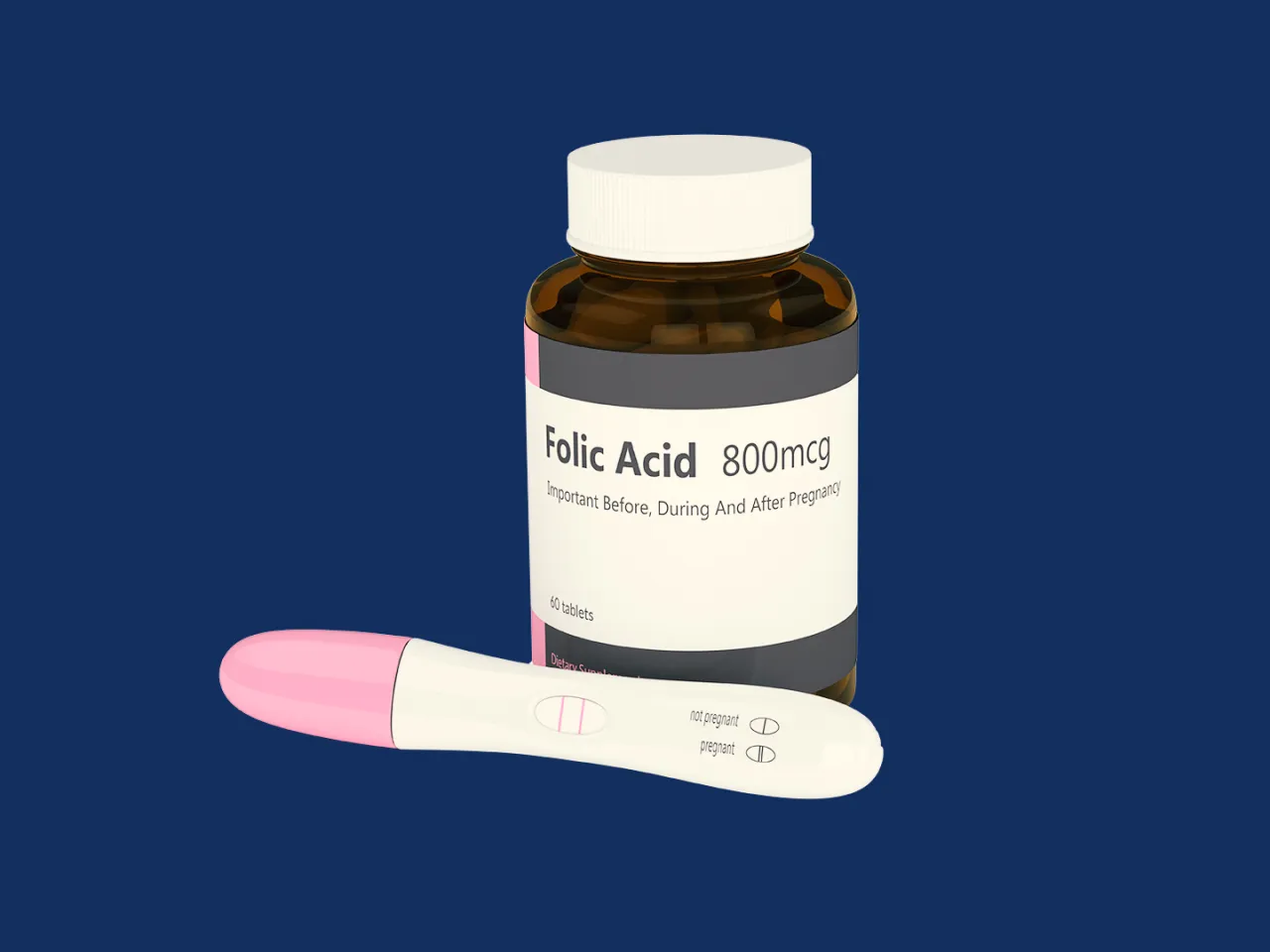
- Optimize Health: Ensure both partners are taking appropriate preconception vitamins, such as folic acid for women and antioxidants for men.
When to Seek Medical Help
Seeking help early can often lead to simpler interventions. You should consult a healthcare professional or a gynaecologist if:
- You are under 35 and have been trying for one year.
- You are 35 or older and have been trying for six months.
- You have irregular periods or a known history of PCOS or endometriosis.
- The male partner has a history of testicular trauma or surgery.
- You have experienced two or more consecutive pregnancy losses.
3. MVP Colony Women’s Healthcare
People in Visakhapatnam seeking women’s healthcare often consult qualified specialists to investigate reproductive challenges. Clinics in areas such as Madhurawada, MVP Colony, and Dwaraka Nagar provide access to advanced diagnosis and treatment. Facilities like Vedanta Speciality Clinics are among those offering structured care for such conditions, providing residents of Vizag with comprehensive fertility evaluations and hormonal health management.

4. FAQ SECTION
Why am I not getting pregnant even though my periods are regular?
Regular periods usually suggest ovulation is occurring, but they do not guarantee it. Other factors could be at play, such as blocked fallopian tubes, issues with sperm quality, or “unexplained infertility.” A specialist can perform an ultrasound and blood tests to confirm egg quality and tubal patency.
Can stress stop me from getting pregnant?
Extreme physiological or emotional stress can interfere with the hypothalamus, the part of the brain that regulates reproductive hormones. This can delay or prevent ovulation. While “just relaxing” isn’t a medical cure for infertility, managing stress supports overall hormonal balance and improves the success rates of treatments.
How does age affect my chances of conceiving?
A woman is born with all the eggs she will ever have. As age increases, both the quantity and the chromosomal quality of those eggs decline, particularly after age 35. This makes conception more difficult and increases the risk of miscarriage or chromosomal abnormalities in the embryo.
Is it possible for the male partner to be the reason for not conceiving?
Yes, male factor infertility contributes to nearly half of all infertility cases. It is often asymptomatic, meaning the male partner may feel perfectly healthy while having low sperm count or motility. A simple semen analysis is a foundational step in any fertility investigation.
What is ‘Unexplained Infertility’?
Unexplained infertility is a diagnosis given when standard tests (ovulation, tubal patency, and semen analysis) all return normal results, yet pregnancy is not achieved. In these cases, subtle issues with egg-sperm interaction or embryo development may be the cause, often requiring advanced assisted reproductive technologies.
When should I see a gynaecologist near me for fertility issues?
You should seek a consultation if you are under 35 and haven’t conceived in a year, or after six months if you are over 35. Early intervention is also recommended if you have a history of pelvic infections, painful periods, or irregular menstrual cycles.

5. CONCLUSION
Understanding the possible reasons for not getting pregnant is the first step toward finding a solution. Whether the cause is a hormonal imbalance like PCOS, a structural issue, or a male factor, modern medical science offers a wide array of diagnostic tools and treatments to help couples achieve their goal. Prioritizing health and seeking early intervention can significantly improve outcomes. Seeking guidance from an experienced women’s healthcare specialist can help ensure proper diagnosis and personalized care.


Leave a Comment