
Table of Contents
C-Section vs. Vaginal Birth: Understanding Recovery, Risks, and Making the Right Choice
As your pregnancy progresses, it is natural to wonder about the moment your baby arrives. Comparing C-section vs. vaginal birth is one of the most common discussions expectant mothers have with their families and healthcare providers. Every mother wants a safe, gentle, and positive birthing experience, but navigating the options can feel overwhelming amid well-meaning advice from relatives, friends, and social media.
Whether you are hoping for a spontaneous normal delivery or evaluating a planned Caesarean section due to medical considerations, understanding the clinical realities of both birthing paths brings clarity and peace of mind. Both delivery methods have distinct advantages, recovery profiles, and specific medical indications designed to keep both mother and baby healthy.
Knowing what happens during labor, how body recovery differs, and when medical intervention becomes necessary helps you make informed choices alongside an experienced lady gynecologist in Visakhapatnam.

What is C-Section vs. Vaginal Birth?
C-section vs. vaginal birth compares the two primary clinical pathways for delivering a baby: a vaginal delivery involves the natural passage of the fetus through the birth canal, whereas a Caesarean section (C-section) is a surgical procedure where incisions are made in the mother’s abdomen and uterus to safely deliver the baby.
                           ┌─────────────────────────────────────────┐
                           │      Childbirth Delivery Pathways       │
                           └────────────────────┬────────────────────┘
                                                │
         ┌──────────────────────────────────────┴──────────────────────────────────────┐
         ▼                                                                             ▼
┌───────────────────────────────────────────┐                             ┌───────────────────────────────────────────┐
│              Vaginal Delivery             │                             │             Caesarean Section             │
├───────────────────────────────────────────┤                             ├───────────────────────────────────────────┤
│ • Natural passage through birth canal     │                             │ • Surgical delivery via abdominal incision│
│ • Shorter hospital stay (24–48 hours)     │                             │ • 3–4 days post-op hospital recovery      │
│ • Beneficial maternal microflora transfer │                             │ • Indicated for breech, distress, or placenta│
│ • Quicker initial physical recovery       │                             │   previa cases                            │
└───────────────────────────────────────────┘                             └───────────────────────────────────────────┘
Childbirth Trends and Delivery Rates in India
Understanding delivery options in India requires looking at real-world health statistics. The National Family Health Survey (NFHS-5) reports that Caesarean section rates across India have increased in recent years, particularly in urban areas and private healthcare settings.
                                      ┌──────────────────────┐
                                      │   NFHS-5 Data Trends │
                                      └──────────┬───────────┘
                                                 │
                  ┌──────────────────────────────┴──────────────────────────────┐
                  ▼                                                             ▼
┌────────────────────────────────────┐                        ┌────────────────────────────────────┐
│      National Urban C-Section Rate │                        │     Public vs Private Disparity    │
├────────────────────────────────────┤                        ├────────────────────────────────────┤
│ 📈 ~28.1% of all urban deliveries  │                        │ 🏥 Public Sector: ~14.3% C-sections│
│ 📈 Rising prevalence in tier-1/2   │                        │ 🏥 Private Sector: ~47.4% C-sections│
│    coastal hubs like Visakhapatnam │                        │ ⚖️ WHO Recommended Benchmark: 10-15%│
└────────────────────────────────────┘                        └────────────────────────────────────┘
While surgical intervention can be life-saving during emergencies—such as fetal distress, cord prolapse, or severe maternal hypertension—medical organizations like the Federation of Obstetric & Gynaecological Societies of India (FOGSI) and the World Health Organization (WHO) emphasize encouraging normal vaginal birth whenever medically appropriate. Informed antenatal guidance helps ensure surgical births are performed for clear medical necessity rather than fear or convenience.
Comparing Vaginal Delivery and C-Section Recovery
Every delivery experience is unique, but physical recovery follows distinct timelines for each path.
┌────────────────────────┐      ┌────────────────────────┐      ┌────────────────────────┐
│ 1. Immediate Postpartum│ ───► │ 2. In-Hospital Phase   │ ───► │ 3. Early Home Recovery │
│    First 24 Hours      │      │    Days 2 to 4         │      │    Weeks 2 to 4        │
└────────────────────────┘      └────────────────────────┘      └────────────────────────┘
                                                                            │
                                                                            ▼
┌────────────────────────┐                                      ┌────────────────────────┐
│ 5. Full Activity Return│ ◄─────────────────────────────────── │ 4. Tissue Healing Phase│
│    Month 3 and Beyond  │                                      │    Weeks 6 to 8        │
└────────────────────────┘      └────────────────────────┘
1. The Vaginal Birth Experience
- Labor and Delivery: Begins with spontaneous or induced uterine contractions that gradually dilate the cervix. Pain management may include breathing exercises, hydrotherapy, or an epidural.
- Immediate Postpartum: Mothers can typically stand, walk, and breastfeed shortly after delivery. Hospital stays usually range from 24 to 48 hours.
- Recovery Timeline: Vaginal soreness or perineal discomfort resolves within 2 to 3 weeks. Normal light activities can generally be resumed quickly.
2. The C-Section Surgical Experience
- Surgical Procedure: Performed under spinal or epidural anesthesia, keeping the mother awake while numbing the lower body. The procedure takes about 45 to 60 minutes.
- Immediate Postpartum: Requires 3 to 4 days of hospital monitoring. A urinary catheter is used for the first 12–24 hours, and pain medication is managed intravenously before transitioning to oral prescriptions.
- Recovery Timeline: Abdominal incision healing requires 6 to 8 weeks. Heavy lifting, driving, and strenuous abdominal movements must be avoided during early recovery.
Comparison Summary: Vaginal Delivery vs. C-Section
| Feature / Metric | Spontaneous Vaginal Delivery | Planned / Emergency C-Section |
| Procedure Type | Natural physiological process | Major abdominal surgery |
| Typical Hospital Stay | 1 to 2 Days | 3 to 4 Days |
| Initial Physical Recovery | 2 to 3 Weeks | 6 to 8 Weeks |
| Postpartum Pain Focus | Perineal soreness, mild cramps | Incision site pain, abdominal soreness |
| Blood Loss (Average) | ~500 ml | ~1,000 ml |
| Lactation Initiation | Typically immediate skin-to-skin | May require brief positioning assistance |
| Future Pregnancy Impact | High probability of subsequent vaginal births | Requires evaluation for VBAC (Vaginal Birth After C-Section) |
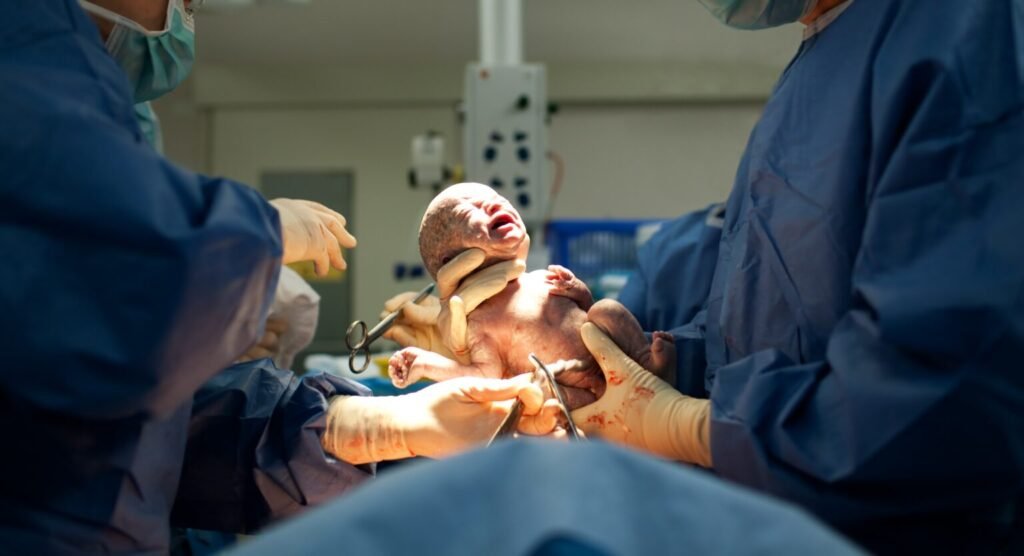
When Medical Conditions Require a C-Section
While a normal delivery is usually the primary goal for uncomplicated pregnancies, certain clinical situations require a planned or emergency Caesarean section to protect the mother and baby:
               ┌──────────────────────────────────────────────────┐
               │    Clinical Indications for Caesarean Delivery   │
               └─────────────────────────┬────────────────────────┘
                                         │
       ┌─────────────────────────────────┼─────────────────────────────────┐
       ▼                                 ▼                                 ▼
┌──────────────┐                  ┌──────────────┐                  ┌──────────────┐
│ Fetal Factors│                  │ Maternal     │                  │ Placental /  │
│ & Positioning│                  │ Health Conditions│              │ Cord Issues  │
├──────────────┤                  ├──────────────┤                  ├──────────────┤
│ • Breech     │                  │ • Severe     │                  │ • Placenta   │
│ • Transverse │                  │   Preeclampsia│                 │   Previa     │
│ • Fetal      │                  │ • Gestational│                  │ • Abruption  │
│   Distress   │                  │   Diabetes   │                  │ • Cord Drift │
└──────────────┘                  └──────────────┘                  └──────────────┘
- Malpositioning (Breech or Transverse Lie): When the baby is positioned feet-first or crosswise in the womb near term, delivering vaginally carries higher risks of cord entrapment.
- Placenta Previa: If the placenta covers the opening of the cervix, vaginal delivery can cause severe maternal hemorrhaging, making a C-section essential.
- Fetal Distress: Sudden drops in the baby’s heart rate during labor indicate the baby is not tolerating contractions, requiring prompt surgical delivery.
- Cephalopelvic Disproportion (CPD): Occurs when the baby’s head is too large or the mother’s pelvic angle makes passage through the birth canal unlikely.
- Pre-existing Maternal Conditions: Severe preeclampsia, active genital infections, or cardiac conditions where pushing poses health risks to the mother.
Common Misconceptions About Delivery Options
Myth 1: Choosing a C-Section means you took the “easy way out”
Fact: A Caesarean section is major surgery requiring an extended recovery period. Mothers who undergo C-sections manage surgical pain, incision care, and infant needs all at once. Every delivery method requires resilience.
Myth 2: Once a C-Section, always a C-Section
Fact: Many women can successfully have a Vaginal Birth After C-Section (VBAC). If your previous surgical incision was a low-transverse cut and your current pregnancy is uncomplicated, an trial of labor after Caesarean (TOLAC) is often safe under expert supervision.
Myth 3: A normal vaginal birth will permanently loosen pelvic muscles
Fact: While stretching occurs during delivery, pelvic floor exercises (Kegels) and postpartum physiotherapy help restore muscle tone over time. Age and pregnancy hormones themselves naturally affect pelvic floor tissue regardless of delivery method.
Myth 4: Epidurals automatically lead to emergency C-sections
Fact: Modern epidural analgesia provides targeted pain relief without increasing the risk of an emergency C-section, allowing mothers to rest comfortably during long labor periods.
How Early Prenatal Care Prepares You for Delivery
Preparing for labor begins long before your due date. Regular antenatal visits allow your doctor to track fetal growth, assess placental position, monitor blood pressure, and screen for gestational diabetes.
┌─────────────────────────────────────────────────────────────────────────┐
│               Antenatal Preparation and Monitoring Flow                 │
└────────────────────┬────────────────────────────────────────────────────┘
                     │
         ┌───────────┴───────────┐
         ▼                       ▼
┌─────────────────┐     ┌─────────────────┐
│ First & Second  │     │ Third Trimester │
│ Trimesters      │     │ Delivery Prep   │
├─────────────────┤     ├─────────────────┤
│ • Routine USG   │     │ • Fetal Growth  │
│ • Anomaly Scan  │     │ • Birth Plan    │
│ • Hemoglobin    │     │ • Pelvic Assessment│
└─────────────────┘     └─────────────────┘
- Trimester 1 & 2: Regular scans, blood tests, and lifestyle guidance lay a healthy foundation for pregnancy.
- Trimester 3: Growth ultrasounds and clinical pelvic assessments help determine whether a normal delivery is likely or if medical factors suggest planning a C-section.
When Should You Consult a Doctor in Visakhapatnam?
If you are pregnant or planning a pregnancy, establishing care with a compassionate specialist helps you build a clear, confident delivery plan.
Speaking with a qualified lady gynecologist allows you to ask questions about labor management, pain relief options, and hospital protocols in a supportive environment. Dr. Devani Chalamuri at Vedanta Speciality Clinics in Madhurawada, Vizag, specializes in antenatal care, high-risk pregnancy management, and delivery planning, offering compassionate, evidence-based care for women across Visakhapatnam.
Frequently Asked Questions
1. What is the main difference in recovery between C-section vs. vaginal birth?
Vaginal birth generally involves a shorter initial recovery of 2 to 3 weeks, lower blood loss, and quicker physical mobility. A C-section involves major abdominal surgery, requiring a 6 to 8 week healing timeline with temporary restrictions on heavy lifting and strenuous activity.
2. Is a vaginal birth safer for the baby than a C-section?
For uncomplicated pregnancies, vaginal birth offers natural benefits like squeezing excess fluid from the baby’s lungs and transferring beneficial maternal microflora. However, when emergency conditions arise, a C-section is a life-saving procedure designed to protect both mother and child.
3. Can I have a normal vaginal delivery after a previous C-section (VBAC)?
Yes, Vaginal Birth After C-Section (VBAC) is possible and safe for many women. Success depends on the type of uterine incision from your previous surgery, inter-pregnancy spacing, and continuous monitoring by an experienced obstetrician.
4. How early should I start prenatal care in Visakhapatnam?
It is best to schedule your first prenatal appointment as soon as you confirm your pregnancy, ideally around weeks 6 to 8. Early care helps establish accurate due dates, monitor early development, and outline a personal health plan.
5. Are C-sections more painful than normal vaginal delivery?
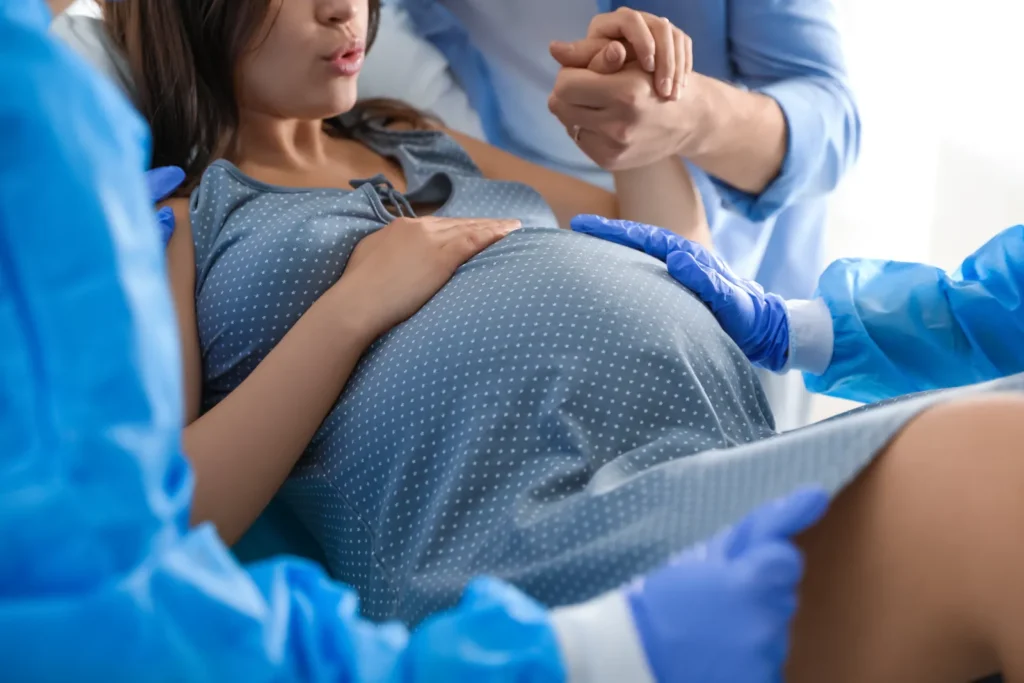
Vaginal birth involves intense labor contractions managed by breathing techniques or epidurals, followed by milder postpartum soreness. A C-section is painless during surgery due to spinal anesthesia, but requires structured pain management for incision healing post-surgery.
6. Can I request a normal delivery if my baby is in a breech position?
Breech presentations (feet or bottom first) usually require a planned C-section to prevent cord complications or head entrapment. Your doctor may evaluate whether gentle External Cephalic Version (ECV) is suitable to turn the baby beforehand.
7. Which doctor should I consult for prenatal care and delivery in Madhurawada?
Dr. Devani Chalamuri at Vedanta Speciality Clinics in Madhurawada, Visakhapatnam, provides comprehensive antenatal care, high-risk pregnancy management, and delivery planning tailored to your individual health needs.
8. What is the cost of a gynecologist consultation in Visakhapatnam?
Consultation fees across Vizag are structured to be accessible. You can contact Vedanta Speciality Clinics in Madhurawada directly to confirm specific consultation schedules and antenatal care review packages.
Empowering Your Journey to Motherhood
Comparing C-section vs. vaginal birth is not about determining which path is “better,” but rather which method is safest and most appropriate for you and your baby. Trusting your body, staying informed, and working closely with a supportive healthcare team allows you to approach delivery with confidence.
If you have questions about your pregnancy or wish to discuss your delivery options, Dr. Devani Chalamuri at Vedanta Speciality Clinics, Madhurawada, Vizag is available for a personalized consultation — https://vedantaspecialityclinics.com/.

Leave a Comment