
Table of Contents
Hospital Bag Checklist for Pregnancy: The Ultimate Guide for Indian Mothers
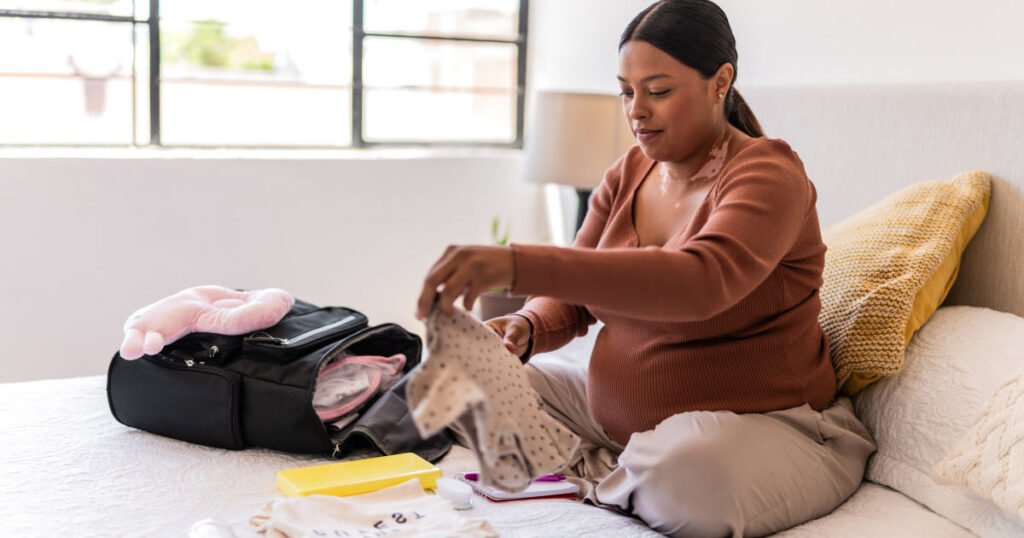
As you enter the final weeks of your pregnancy journey, every small milestone feels like a step closer to holding your baby in your arms. Packing your bags as your due date draws near is one of the most exciting, tangible ways to prepare for childbirth. Creating a thoughtful hospital bag checklist for pregnancy allows you to trade last-minute stress for calm confidence, ensuring that you, your baby, and your birth partner have everything needed for a smooth hospital stay.
Whether you are planning a natural birth or preparing for a scheduled C-section, organizing your essentials well in advance gives you total peace of mind. In India, where hospital stay requirements can vary depending on whether you choose a private maternity nursing home or a large multi-specialty center, having a tailored kit matters. Let us walk through the perfect delivery bag strategy, covering maternal comfort, baby care, essential medical paperwork, and practical items designed specifically for Indian hospitals.
What Is a Hospital Bag Checklist for Pregnancy?
A hospital bag checklist for pregnancy is a structured list of essential clothing, personal hygiene items, medical records, and newborn care supplies packed between weeks 32 and 36 of gestation. It ensures maternal physical comfort, seamless hospital admission, and safe newborn care during labor, delivery, and postpartum recovery.
How Prepared Are Expectant Mothers in India?
Preparing a delivery bag is an essential rite of passage during late pregnancy, though timing and cultural practices vary:
- Ideal Packing Timeline: Obstetric experts guidelines from FOGSI and WHO recommend having delivery bags fully packed and accessible by week 36 of pregnancy. Since nearly 10% of births occur slightly before the estimated due date (EDD), early preparation prevents last-minute panic.
- Customizing for Indian Healthcare: Unlike standard Western checklists, an Indian maternity bag must account for unique cultural preferences—such as soft, pre-washed cotton jablas, traditional swaddles (mulmul cloths), specific postpartum nursing wear, and comprehensive physical medical files.
- Reducing Maternal Stress: Clinical research in maternal psychology indicates that structured logistical preparation significantly lowers anxiety levels during early labor, helping women approach delivery with greater emotional resilience.
Essential Signs and Cues: When to Grab Your Bag and Head to the Hospital
Before diving into the checklist, it is helpful to know when your packed bag needs to move from your bedroom to the car:
| Preparation Stage | Recommended Gestational Age | Primary Packing Focus |
|---|---|---|
| Early Planning | Weeks 28–32 | Gather important documents, purchase nursing wear, and arrange essential baby items |
| Active Packing | Weeks 32–35 | Wash baby and maternity clothes and organize the mother and baby bags |
| Final Readiness | Week 36 onward | Add toiletries, phone chargers, and other last-minute essentials; keep the packed bag readily accessible |
- Regular, Progressing Contractions: Tightenings that occur consistently every 4 to 5 minutes, lasting 60 seconds each, over an hour (the 5-1-1 rule).
- Rupture of Membranes (Water Breaking): A sudden gush or continuous trickle of clear fluid from the vagina.
- Passing of the Mucus Plug / Bloody Show: Thick jelly-like discharge mixed with pink or light brown blood streaks.
- Severe Lower Back Pressure: Rhythmic back discomfort that does not fade when shifting positions or drinking water.
- Clinical Red Flags: Any sudden vaginal bleeding, severe headache, vision changes, or noticeable drop in fetal movements.
The Ultimate Category-by-Category Packing Checklist
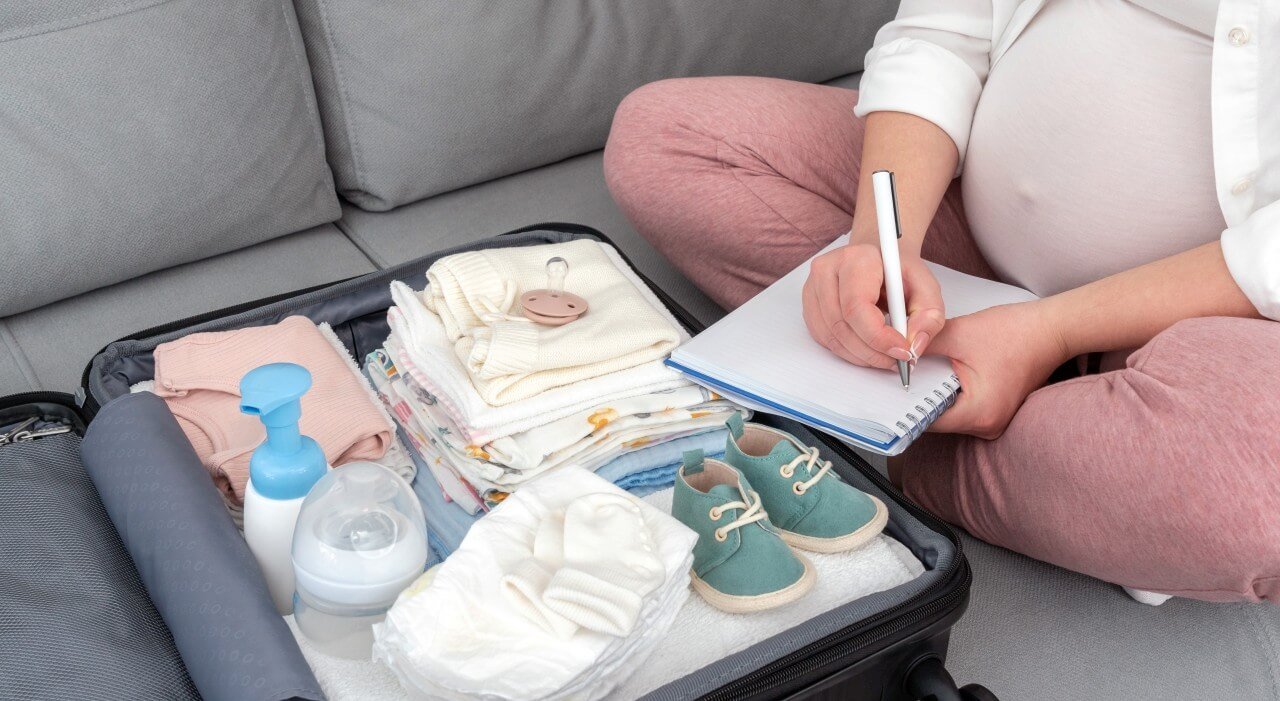
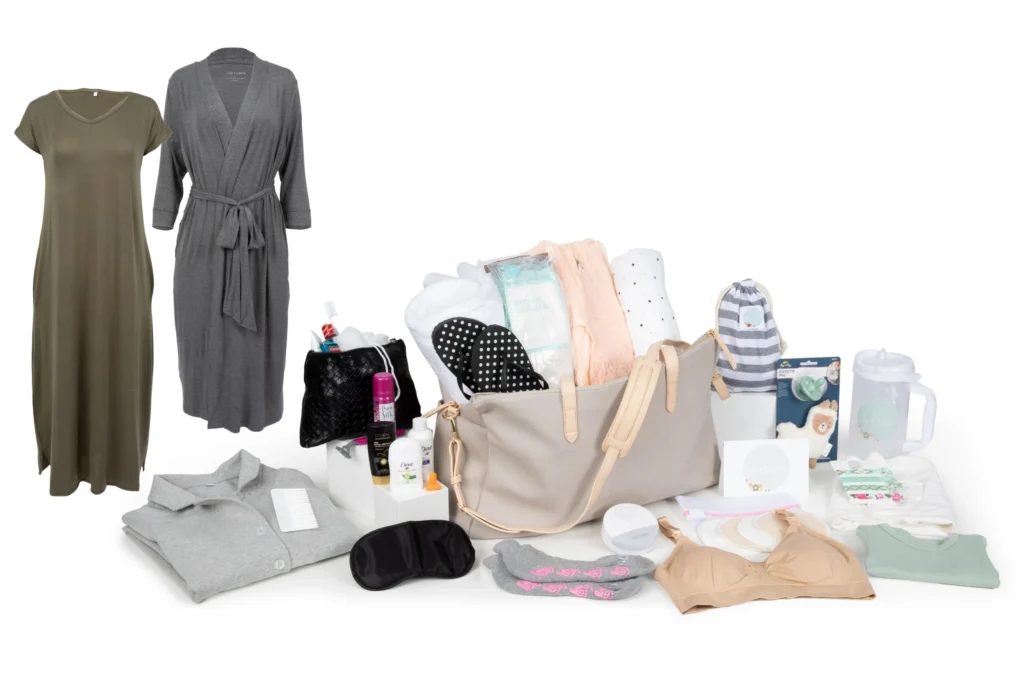
To keep your hospital room organized and uncluttered, split your packing into three distinct, easily recognizable bags: Bag A (Mother’s Care), Bag B (Newborn Care), and Bag C (Partner & Documents).
| Bag A: Mother’s Essentials | Bag B: Newborn Essentials | Bag C: Documents & Important Items |
|---|---|---|
| Front-open nightgowns | Pre-washed cotton jablas | Medical file |
| Maternity pads and comfortable underwear | Soft mulmul swaddles | ID and insurance documents |
| Nursing bras and breast pads | Caps, mittens, and socks | Cash and phone charger |
| Warm socks and slippers | Newborn diapers and wipes | Partner’s essential clothes |
1. Bag A: Essentials for Mom
Your comfort during labor and postpartum recovery depends on wearing breathable, easy-access clothing and having personal care items within reach:
- Front-Open Nightdresses or Feeding Kurtis (3 to 4 pairs): Loose, soft cotton gowns with front buttons or zippers facilitate easy skin-to-skin contact and breastfeeding.
- Maternity Sanitary Pads or Adult Panty-Diapers (2 packs): Heavy-flow maternity pads are vital for managing lochia (postpartum bleeding) comfortably after both vaginal birth and C-section.
- High-Waist Cotton Underwear (6 to 8 pairs): Choose high-waisted, stretchy cotton panties that sit comfortably above C-section incision lines without causing friction.
- Nursing Bras (2 to 3): Well-fitted, non-wired nursing bras that offer gentle support as your breast milk matures.
- Nipple Butter & Breast Pads: Lanolin-free natural nipple balm soothes early nursing soreness, while disposable breast pads keep clothing dry.
- Non-Slip Slippers & Warm Socks: Comfortable footwear for walking down hospital corridors during early labor, and warm socks for air-conditioned recovery rooms.
- Personal Toiletries: Unscented soap, gentle face wash, toothbrush, toothpaste, hair ties, lip balm, and a soft bath towel.
- Going-Home Outfit: A loose, comfortable maternity dress or salwar suit that fits around 6-month pregnancy dimensions.
2. Bag B: Essentials for the Newborn
Newborn skin is extraordinarily delicate, requiring ultra-soft, pre-washed natural fabrics free from chemical dyes or stiff tags:
- Pre-Washed Cotton Jablas / Onesies (5 to 6 pairs): Front-tie or buttoned cotton tops are much easier to put on a fragile newborn than tight neck-hole tees.
- Soft Swaddling Cloths (Mulmul or Muslin) (4 to 5): Lightweight, breathable cotton swaddles keep the baby warm and snug, mimicking the security of the womb.
- Newborn Caps, Mittens, and Booties (3 to 4 sets): Soft caps prevent body heat loss, while mittens protect your baby’s delicate face from accidental scratches.
- Newborn Diapers (1 pack) & Unscented Baby Wipes: Choose cloth diapers or zero-chemical newborn-size disposable diapers, along with 99% pure water wipes.
- Soft Baby Towels & Burp Cloths (4 to 5): Absorbent cotton towels for wiping milk dribbles and keeping baby clean during feeding.
- Gentle Baby Blanket: A soft, warm blanket for air-conditioned rooms or the ride home.
3. Bag C: Medical Documents & Partner’s Kit
Having administrative paperwork and birth partner needs organized prevents last-minute rushing when labor begins:
- Comprehensive Medical Record File: All prenatal visit notes, lab reports, trimester scan reports, blood group cards, and doctor’s prescriptions organized chronologically.
- Government Identity Proofs: Copies and originals of Aadhaar Card, PAN Card, or voter ID for official birth registration forms.
- Health Insurance & Hospital Admission Forms: TPA insurance cards, pre-authorization forms, and hospital booking receipts.
- Birth Partner Essentials: Change of clothes, basic toiletries, comfortable slippers, light snacks, water bottle, and cash/digital payment options.
- Electronic Essentials: Extra-long phone charging cables, a high-capacity power bank, and a camera or smartphone for first family photographs.
Causes and Contributing Factors: Why Organization Matters
Understanding why structured preparation helps ensures you pack efficiently without over-packing:
1.1. Rapid Clinical Admission:Streamlining hospital check-in.
During active labor, you should focus on breathing and comfort, not searching for missing lab reports or insurance cards. An organized medical file allows hospital staff to admit you instantly.
2.2. Hygienic Newborn Care:Preventing infection risks.
Pre-washing all baby clothing and swaddles removes manufacturing residues, dust, and starch, protecting sensitive newborn skin from irritation or allergic reactions.
3.3. Immediate Breastfeeding Access:Supporting lactation success.
Front-open nursing wear allows immediate skin-to-skin contact within the first hour of birth (the “Golden Hour”), stimulating oxytocin release and establishing successful lactation.
4.4. Post-Delivery Comfort & Healing:Enhancing postpartum mobility.
Proper high-waisted underwear and heavy-duty maternity pads ensure C-section incisions remain untouched while managing normal postpartum discharge safely.
What Does a Delivery Consultation and Hospital Orientation Look Like?
As you reach the 34th to 36th week of pregnancy, your gynaecologist will guide you through final delivery preparation:
- Reviewing the Birth Plan: Discussing your preferences regarding pain management, birth partner presence in the delivery suite, labor positions, and immediate newborn care.
- Hospital Tour & Emergency Protocol: Understanding where to report when labor starts at night, how emergency admissions work, and identifying the labor ward entrance.
- Checklist Review: Your healthcare team will confirm whether the hospital provides basic baby linen or if you need to supply all clothing, swaddles, and toiletries yourself.
How Are Postpartum Needs Managed After Delivery?
Whether you deliver naturally or via C-section, appropriate supplies support physical recovery:
- Post-Vaginal Delivery Care: Focuses on gentle perineal hygiene, using soft maternity pads, warm sitz baths if recommended, and wearing loose cotton clothing.
- Post-C-Section Care: Requires high-waisted, non-binding cotton underwear that sits well above the abdominal incision, along with support pillows for comfortable nursing positions.
- Lactation Guidance: Utilizing nursing pillows, applying natural nipple balms after feeds, and wearing supportive, non-wire bras to prevent breast engorgement.
When Should You See a Doctor?
Packing your bag is part of preparing for the big day, but knowing when to seek immediate medical attention is paramount for maternal and fetal safety. You should contact your medical team or head directly to your maternity center if you notice:
- Painful contractions occurring regularly before week 37 of pregnancy (premature labor).
- Any bright red vaginal bleeding or passage of large blood clots.
- Fluid leaking from the vagina, even if you are unsure whether it is urine or amniotic fluid.
- A sudden, noticeable decrease in your baby’s movements or kicks over a 2-hour window.
- Severe swelling in your hands, feet, or face accompanied by persistent headache or blurred vision (signs of high blood pressure).
If you recognise several of these symptoms or have questions about your delivery readiness, speaking to a qualified gynaecologist is the most important next step. Dr. Devani Chalamuri at Vedanta Speciality Clinics in Madhurawada, Vizag specialises in obstetric care, high-risk pregnancy monitoring, and offers compassionate, evidence-based guidance for women across Visakhapatnam.
Practical Everyday Tips for Packing Success
- Use Clear Ziplock Bags: Organize baby outfits into separate, labeled ziplock bags (e.g., “Day 1 Outfit,” “Going-Home Dress,” “Extra Swaddles”) so your partner can find them instantly.
- Keep Bags Near the Door: Once packed at week 36, store your bags near the bedroom door or inside the car trunk so you never leave them behind.
- Leave Valuables at Home: Avoid packing expensive gold jewelry, excessive cash, or irreplaceable personal items to ensure peace of mind during your stay.
How Early Should I Start Prenatal Care in Visakhapatnam?
Establishing prenatal care as soon as you confirm your pregnancy—ideally between weeks 5 and 8—ensures your entire journey is carefully monitored. Booking early visits with an experienced obstetrician in Vizag allows your doctor to track your baby’s growth, manage routine screenings, and help you plan delivery details long before the third trimester.
What Are the Signs of PCOS in Women During Pregnancy?
Women with a history of Polycystic Ovary Syndrome (PCOS) often wonder how their condition affects late pregnancy and delivery. While PCOS primarily impacts ovulation and early pregnancy hormones, maintaining regular consultations with a pregnancy doctor Visakhapatnam ensures smooth glucose monitoring, optimal blood pressure control, and a safe, well-prepared labor experience.
Frequently Asked Questions
When is the best time to pack my hospital bag for pregnancy?
It is best to have your hospital bag fully packed and ready by weeks 32 to 36 of pregnancy. Having your bags prepared early ensures you are calm and ready if labor begins unexpectedly before your estimated due date.
What medical documents should I put in my delivery bag in India?
Always pack your complete prenatal record file, recent ultrasound scans, blood test reports, government ID proof (Aadhaar or PAN), health insurance policy details, and hospital admission paperwork.
How many dresses or jablas should I pack for my newborn baby?
Packing 4 to 6 soft, washed cotton jablas or front-open onesies is ideal for a standard 2-to-3-day hospital stay. Always include extra swaddle cloths, mittens, booties, and soft baby caps.
Should I bring maternity pads or adult diapers to the hospital?
Yes, heavy-duty maternity pads or disposable maternity panty-diapers are essential for managing lochia (postpartum bleeding) comfortably during the first few days after both normal delivery and C-section.
Which doctor should I consult for delivery planning in Visakhapatnam?
You should consult an experienced lady gynecologist Visakhapatnam or pregnancy doctor Visakhapatnam, such as Dr. Devani Chalamuri at Vedanta Speciality Clinics in Madhurawada, for personalized birth planning.
How early should I start prenatal care in Visakhapatnam?
It is recommended to schedule your initial prenatal visit as soon as you confirm your pregnancy, ideally between weeks 5 and 8, so maternal and fetal health can be monitored from the very beginning.
What essential items should a birth partner pack?
A birth partner should pack comfortable clothing, personal toiletries, phone chargers with long cords, snacks, cash or digital payment options, and copies of hospital admission documents.
Can I get comprehensive maternity support and labor guidance in Madhurawada?
Yes, expectant mothers in Madhurawada and across Vizag can receive complete prenatal care, high-risk pregnancy monitoring, and labor preparation at Vedanta Speciality Clinics under Dr. Devani Chalamuri.
Entering Childbirth with Calm Confidence
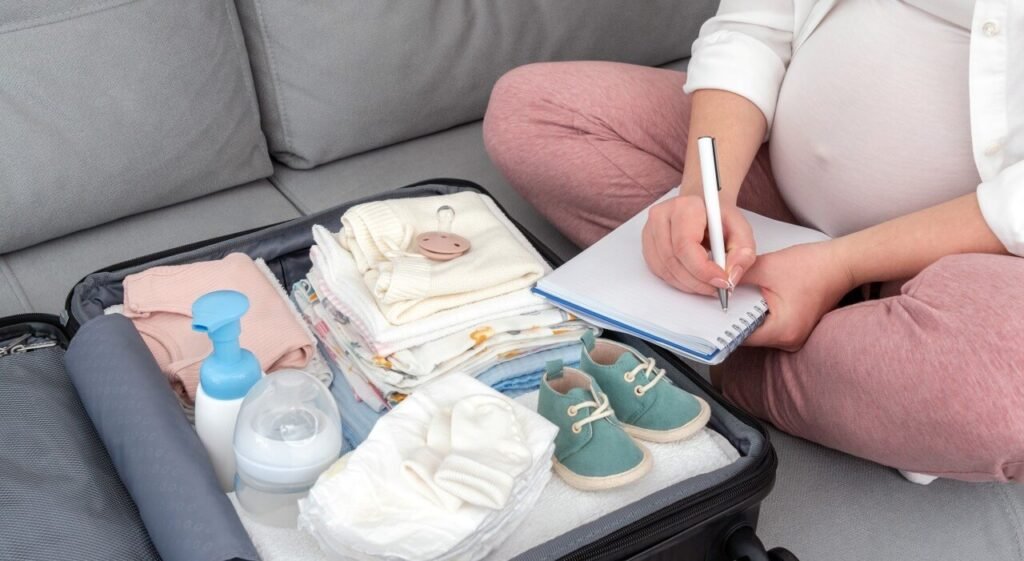
Completing your hospital bag checklist for pregnancy is more than just checking items off a list—it is an empowering act of preparation for one of life’s most meaningful journeys. When your bags are packed, your medical records organized, and your essentials within arm’s reach, you can relax and focus on what truly matters: welcoming your baby into the world.
If you are experiencing any of these symptoms or need expert delivery guidance, Dr. Devani Chalamuri at Vedanta Speciality Clinics, Madhurawada, Vizag is available for a consultation — https://vedantaspecialityclinics.com/. Book your visit today for compassionate, comprehensive maternal care tailored to your family.



Leave a Comment