
Table of Contents
Listening to Subtle Clues: What Are the Very First Signs of Pregnancy?
Those two weeks between ovulation and your expected period—often called the “two-week wait”—can feel like the longest days on the calendar. Every subtle twinge in your lower belly, sudden wave of afternoon sleepiness, or unexpected sensitivity to your morning filter coffee can leave you wondering whether your body is preparing for a routine cycle or the beginning of motherhood.
If you are asking yourself, what are the very first signs of pregnancy, you are not alone in seeking clarity. Even before a missed period, your body initiates a rapid, carefully orchestrated hormonal shift that can trigger gentle physical clues. Understanding these early signals—and knowing how they differ from everyday premenstrual changes—helps you navigate this exciting window with calm confidence.

What Are the Very First Signs of Pregnancy?
The very first signs of pregnancy are subtle physical changes triggered by rising human chorionic gonadotropin (hCG) and progesterone levels shortly after implantation. Common early indicators include a missed period, light implantation spotting, tender or swollen breasts, unusual fatigue, frequent urination, mild cramping, and heightened sensitivity to smells or nausea.
How Common Are Early Pregnancy Symptoms Among Indian Women?
Recognizing early pregnancy signals requires understanding both biological timelines and everyday health factors common across India:
- Natural Variation in Symptom Onset: Clinical observations grounded in guidelines from the Federation of Obstetric & Gynaecological Societies of India (FOGSI) and the American College of Obstetricians and Gynecologists (ACOG) show that nearly 60% to 70% of women notice at least one physical symptom by weeks 5 to 6 of pregnancy, while roughly 20% to 30% feel virtually no symptoms until later in the first trimester.
- Impact of Baseline Anemia and Nutrition: According to national health surveys, over 50% of Indian women of reproductive age experience mild-to-moderate iron deficiency anemia. Because low iron reserves already cause baseline tiredness, early pregnancy fatigue can feel particularly pronounced for many Indian women.
- Cycle Irregularities and PCOS: In South India, where Polycystic Ovary Syndrome (PCOS) and thyroid variations affect many young women, relying solely on a “missed period” can be tricky—making subtle secondary symptoms like breast tenderness or basal body temperature shifts helpful clues.
- Normalizing Every Experience: Whether you experience a wave of early symptoms or feel completely like your usual self, neither pattern predicts the health of your pregnancy.
Early Pregnancy Symptoms vs. PMS Symptoms
| Physical Signs | Early Pregnancy | Typical PMS |
|---|---|---|
| Bleeding or Spotting | Sometimes light pink or brown spotting may occur. | Period bleeding usually becomes heavier and lasts around 3–6 days. |
| Breast Changes | Breasts may feel fuller, heavier, or more sensitive. | Breast tenderness usually improves after the period starts. |
| Fatigue | You may feel unusually tired or sleepy. | You may feel slightly tired before your period. |
| Nausea & Smell Sensitivity | You may experience nausea or become sensitive to food and cooking smells. | You may experience food cravings or appetite changes. |
10 Very First Signs of Pregnancy You May Notice
Because every woman’s hormone sensitivity differs, you may notice a combination of these early indicators around weeks 3 to 6 of gestation:
- A Missed Menstrual Period: For women with predictable 28-to-30-day cycles, a period that arrives a week or more late is often the clearest initial sign that conception has occurred.
- Light Implantation Spotting: Around 6 to 12 days after fertilization, as the tiny blastocyst nestles into the nutrient-rich uterine lining, you may notice a few drops of light pink or brownish discharge.
- Tender, Swollen, or Tingling Breasts: Rapid surges in estrogen and progesterone increase blood flow to breast tissue, making breasts feel unusually heavy, sensitive to touch, or fuller than usual.
- Sudden, Unexplained Fatigue: Rising progesterone acts as a natural sedative while your body works overtime to build the early placenta, leaving you craving afternoon naps even after a full night’s sleep.
- Mild Lower Abdominal Twinges or Cramping: Gentle pulling, tingling, or light cramping sensations in your lower belly may occur as implantation settles and your uterus begins adapting.
- Heightened Sense of Smell and Food Aversions: Everyday household aromas—such as tempering spices (tadka), garlic, fried snacks, or morning tea—may suddenly feel overwhelming or trigger mild queasiness.
- Frequent Trips to the Washroom: Even before your uterus grows large enough to press on your bladder, increased blood flow to the pelvic region and kidneys prompts more frequent urination.
- Nausea With or Without Vomiting: Often called “morning sickness” despite occurring at any hour, mild waves of queasiness typically emerge between weeks 4 and 6 as hCG rises.
- Bloating and Slower Digestion: Progesterone relaxes smooth muscle tissue throughout the body, slowing gut motility and causing mild abdominal fullness, gas, or constipation.
- Subtle Mood Shifts: Fluctuating reproductive hormones can leave you feeling unexpectedly emotional, teary, or sensitive over minor daily moments.
What Happens Inside Your Body During Early Conception?
Understanding the biological timeline behind what are the very first signs of pregnancy explains why symptoms appear gradually rather than overnight:
1.1. Fertilization and Early Cell Division:Days 1 to 5 post-ovulation.
After an egg is fertilized in the fallopian tube, it travels slowly toward the uterus while dividing into a cluster of cells—a phase during which you will not yet feel physical symptoms.
2.2. Embryonic Implantation:Days 6 to 12 post-ovulation.
The fertilized egg attaches securely into the thickened uterine wall. This connection triggers minor localized blood vessel shifts (sometimes causing implantation spotting) and initiates hormone production.
3.3. Surge of Beta-hCG Hormone:Weeks 3 to 4 of gestation.
The developing placenta begins releasing human chorionic gonadotropin (hCG), which signals the ovaries to keep producing progesterone and triggers breast tenderness and nausea.
4.4. Progesterone Peak and Vascular Expansion:Weeks 4 to 6 of gestation.
Elevated progesterone sustains the uterine lining, relaxes digestive muscles, raises basal body temperature slightly, and drives deep early fatigue.

How Is Early Pregnancy Confirmed? Step-by-Step Testing Guide
If you suspect you might be pregnant, following a calm, structured testing timeline prevents false negatives and unnecessary stress:
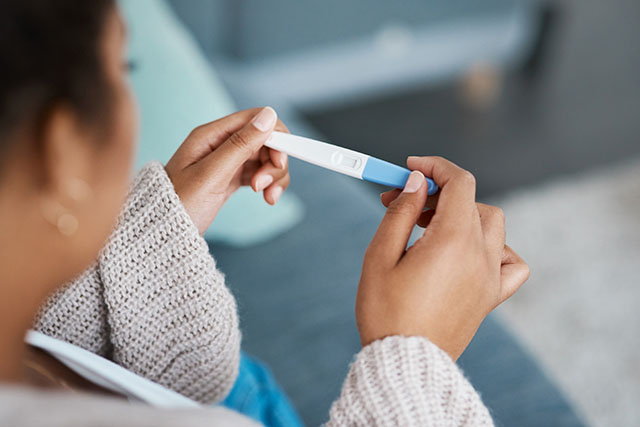
- Wait Until the First Day of Your Missed Period: Home urine pregnancy test kits detect hCG in your urine. Testing too early—before implantation completes—often misses low hormone levels.
- Use First Morning Urine: Your first urine upon waking is the most concentrated, offering the highest level of hCG for clear, reliable test lines.
- Confirm with a Serum Beta-hCG Blood Test (If Needed): If a home test shows a faint line or you have irregular cycles, a simple blood test ordered by your doctor measures exact hCG numbers and confirms progression over 48 hours.
- Schedule an Early Viability Ultrasound (Around Weeks 6 to 7): A painless pelvic ultrasound confirms that the gestational sac is safely positioned inside the uterus and checks for early fetal heart tones.
Supportive Care Steps While You Await Confirmation
While waiting to test or attend your first clinical visit, adopting gentle, protective habits supports both your comfort and early fetal development:
- Start or Continue Daily Folic Acid: Medical guidelines from WHO and FOGSI recommend taking 400 micrograms (0.4 mg) of folic acid daily to support early neural tube formation right from the earliest weeks.
- Prioritize Hydration and Small Meals: Sip water, buttermilk, or coconut water steadily throughout the day, and eat small, balanced meals every 3 hours to keep blood sugar steady and ease mild queasiness.
- Avoid Alcohol, Tobacco, and Unprescribed Medications: Treat your body as though you are pregnant until confirmed otherwise, checking with a doctor before taking any pain relievers or herbal remedies.
- Rest Without Guilt: Listen to your body’s energy cues and allow yourself extra sleep or quiet downtime when fatigue sets in.
When Should You See a Doctor?
Getting a positive home test—or experiencing persistent pregnancy symptoms alongside delayed cycles—is the ideal cue to connect with a medical specialist. You should also reach out promptly if you notice any symptoms that require closer assessment, such as:
- Heavy vaginal bleeding resembling a full period or passing blood clots after a positive test.
- Sharp, persistent pain localized on one side of your lower abdomen or pelvis.
- Severe dizziness, fainting spells, or shoulder-tip pain.
- Persistent vomiting that prevents you from keeping water or light food down.
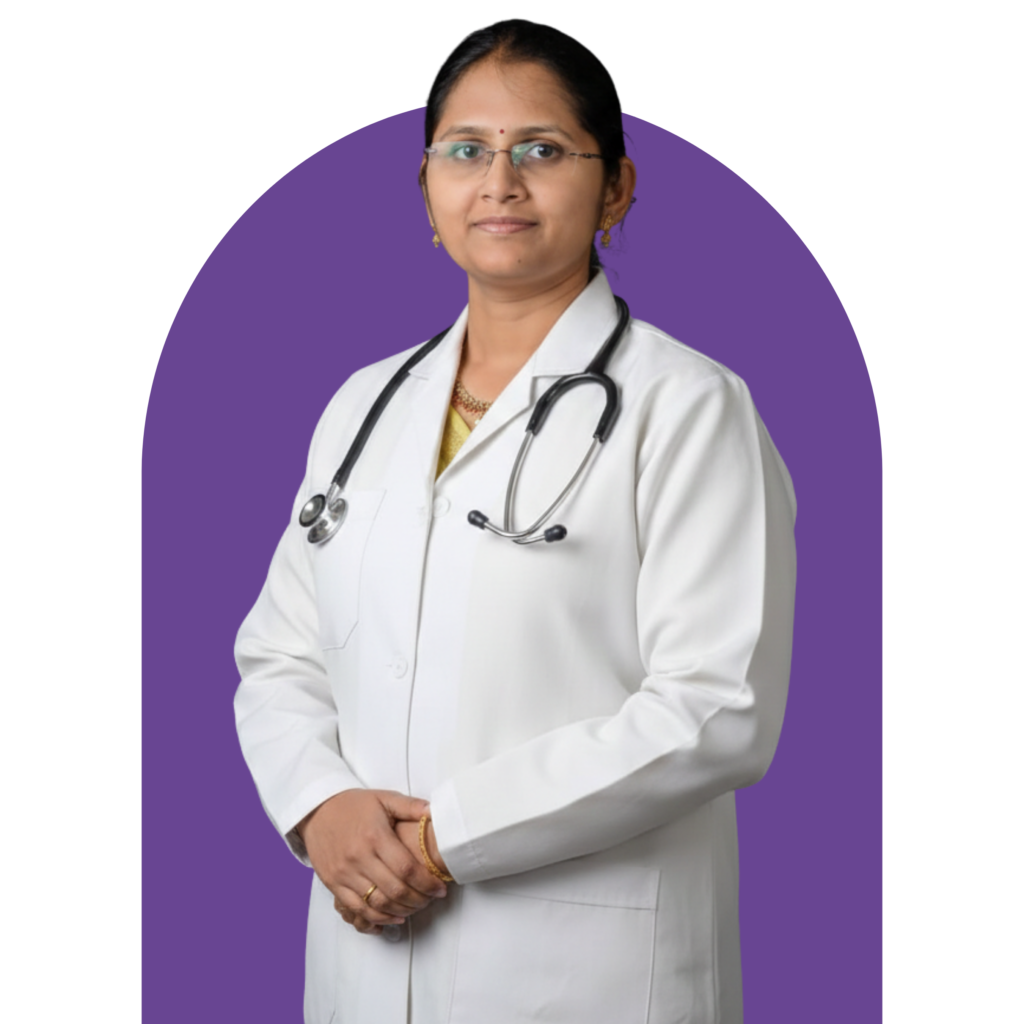
If you recognize early signs of pregnancy in yourself or have just seen a positive test result, speaking to a qualified gynaecologist is the most reassuring next step. Dr. Devani Chalamuri at Vedanta Speciality Clinics in Madhurawada, Vizag specialises in early pregnancy confirmation, high-risk obstetric care, and offers compassionate, evidence-based guidance for women across Visakhapatnam.
When Should I See a Gynecologist in Vizag?
You should schedule an appointment with an experienced lady gynecologist Visakhapatnam as soon as you get a positive home pregnancy test, or if your period is more than a week late despite negative home tests. Early clinical guidance clarifies your exact gestational age and ensures you start essential prenatal nutrients right away.
How Early Should I Start Prenatal Care in Visakhapatnam?
Clinical guidelines recommend starting official prenatal care between weeks 5 and 8 of pregnancy (counting from the first day of your last menstrual period). Partnering early with a trusted pregnancy doctor Visakhapatnam allows your doctor to run baseline blood tests for hemoglobin, thyroid function, and blood sugar while scheduling your early viability scan.
Frequently Asked Questions
What are the very first signs of pregnancy before a missed period?
The earliest signs before a missed period often include light implantation spotting, heightened breast tenderness or fullness, sudden fatigue, mild lower abdominal twinges, and an increased sense of smell. Because these overlap closely with premenstrual symptoms, a pregnancy test is required for confirmation.
How early can I take a home pregnancy test for an accurate result?
For the most reliable result, wait until the first day of your missed period to take a home urine pregnancy test using your first morning urine. Testing too early may produce a false negative if hCG hormone levels have not yet risen high enough.
How can I tell the difference between implantation bleeding and a regular period?
Implantation spotting is typically very light pink or brownish discharge that lasts only a few hours to two days without clots. A regular menstrual period starts light and progresses into a steady, heavier red flow lasting three to six days.
Can I be pregnant even if I have no morning sickness or nausea?
Yes, every woman’s body responds differently to early pregnancy hormones. While nausea affects many women around weeks 5 to 6, having mild or no nausea at all is completely normal and does not indicate any issue with your pregnancy.
How early should I start prenatal care in Visakhapatnam after a positive test?
Once you get a positive home pregnancy test, it is ideal to schedule your first prenatal appointment between weeks 5 and 8 with a qualified obstetrician in Vizag, such as Dr. Devani Chalamuri at Vedanta Speciality Clinics.
Is mild lower abdominal cramping normal in the very first weeks of pregnancy?
Yes, mild, brief cramping or pulling sensations in your lower belly are common as the fertilized egg implants into the uterine lining and the uterus begins expanding. However, sharp, one-sided pain or heavy bleeding should be evaluated immediately.
Which doctor should I consult for early pregnancy confirmation in Vizag?
You can consult Dr. Devani Chalamuri, an experienced women’s health specialist in Vizag at Vedanta Speciality Clinics in Madhurawada, for accurate beta-hCG confirmation, early viability ultrasounds, and personalized prenatal guidance.
What should I start doing right away if I suspect I might be pregnant?
If you suspect pregnancy, start or continue a daily folic acid supplement (400 mcg) as recommended by medical guidelines, stay well-hydrated, eat balanced home-cooked meals, avoid alcohol or unprescribed medications, and book a gynaecological check-up.

Step Into Your Motherhood Journey with Calm Confidence
Paying attention to what are the very first signs of pregnancy connects you deeply with your body’s natural rhythms. Whether you are eagerly hoping for a positive test or simply trying to make sense of unexpected physical changes, timely testing and supportive clinical care replace guesswork with peace of mind.
If you are experiencing any of these early symptoms or have just confirmed your pregnancy, Dr. Devani Chalamuri at Vedanta Speciality Clinics, Madhurawada, Vizag is available for a consultation — https://vedantaspecialityclinics.com/. Reach out today to book your early prenatal visit and begin a healthy, well-supported journey into motherhood.