
Table of Contents
Your Lifelong Health Partner: What Exactly Does a Gynaecologist Do?
For many Indian women, booking an appointment with a gynaecologist only crosses their mind when a specific problem arises—such as a missed period, unexpected pregnancy news, or uncomfortable pelvic pain. Yet, behind that clinic door sits a medical specialist trained to support nearly every milestone of a woman’s physical and hormonal journey, from her teenage years right through motherhood and menopause.
If you have ever wondered, what exactly does a gynaecologist do, understanding the full scope of their care removes hesitation and replaces nervousness with empowerment. A gynaecologist serves as your dedicated partner in reproductive wellness—offering preventive screenings, menstrual and hormonal guidance, fertility planning, infection care, and compassionate support tailored to every stage of your life.

What Is a Gynaecologist?
A gynaecologist is a medical specialist trained in the health of the female reproductive system—including the uterus, ovaries, fallopian tubes, cervix, and vagina. What a gynaecologist does spans preventive well-woman screenings, menstrual and hormonal management (such as PCOS and thyroid disorders), infection treatment, fertility counseling, and menopause care.
How Common Is Preventive Gynaecological Care Among Indian Women?
Understanding how women across India engage with reproductive healthcare highlights why proactive visits matter so much:
- Bridging the Care Gap: According to public health insights shared by the Federation of Obstetric & Gynaecological Societies of India (FOGSI) and the World Health Organization (WHO), over 65% of Indian women experience menstrual, hormonal, or reproductive tract concerns at some point in adulthood, yet fewer than 30% seek routine preventive check-ups before symptoms become disruptive.
- Widespread Endocrine Conditions: Across South India and urban centers like Visakhapatnam, Polycystic Ovary Syndrome (PCOS) affects roughly 1 in 5 young women, while iron-deficiency anemia impacts over 50% of women of reproductive age—both of which are routinely identified and managed during gynaecological visits.
- Preventive Screening Benefits: Regular cervical screenings (Pap smears and HPV testing) recommended by WHO and ACOG can detect early cellular changes years before serious concerns develop, making routine well-woman check-ups deeply protective.
- Normalizing Open Conversations: In many Indian households, cultural reluctance around discussing periods or pelvic symptoms causes unnecessary worry; partnering with an empathetic women’s health specialist gives you a confidential, judgement-free space to ask any question.
Gynaecologist vs. Obstetrician – Simple Explanation
| Category | Gynaecologist | Obstetrician |
|---|---|---|
| Main Focus | Women’s reproductive health. | Pregnancy, childbirth, and care after delivery. |
| Common Reasons to Visit | Irregular periods, PCOS, infections, pelvic pain, family planning, and menopause. | Pregnancy check-ups, pregnancy scans, delivery, and high-risk pregnancy care. |
| Preventive Care | Pap tests, HPV vaccination, breast health checks, and menstrual health advice. | Pregnancy planning, folic acid guidance, and monitoring the baby’s growth. |
| Combined Specialisation (OB-GYN) | Many doctors are trained to provide both gynaecological and pregnancy-related care. | They can support women during pregnancy, childbirth, and after delivery. |
Key Areas Where a Gynaecologist Supports Your Health
To truly appreciate what exactly does a gynaecologist do, it helps to look at the everyday health needs they address across different chapters of a woman’s life:
- Menstrual Cycle & Period Care: Evaluating irregular cycles, unusually heavy bleeding (menorrhagia), severe menstrual cramps, or absent periods, and identifying underlying causes like fibroids or adenomyosis.
- Hormonal & Endocrine Balance: Diagnosing and managing conditions such as PCOS, thyroid-related period shifts, elevated prolactin, adult hormonal acne, and excess facial hair (hirsutism).
- Preventive Well-Woman Screenings: Performing age-appropriate breast examinations, cervical cancer screenings (Pap smears and HPV tests), and guiding HPV vaccination schedules.
- Vaginal & Pelvic Infection Management: Identifying and treating yeast infections, bacterial vaginosis, urinary tract infections (UTIs), and pelvic inflammatory disease (PID) safely and confidentially.
- Pre-Conception & Fertility Guidance: Assessing ovulation patterns, ovarian reserve (AMH), and reproductive health for couples planning a family, and offering clear guidance if conception takes longer than expected.
- Contraception & Family Planning: Discussing safe, personalized birth control options—from oral pills and intrauterine devices (IUDs) to natural cycle awareness—aligned with your health profile.
- Perimenopause & Menopause Transition: Helping women in their 40s and 50s navigate hot flashes, sleep shifts, bone density protection, and pelvic floor strength comfortably.
Why Women Seek Gynaecological Care: Root Life-Stage Factors
Different biological and lifestyle factors bring women into a clinic across decades:
1.1. Cycle Establishment & Hormonal Shifts: Adolescence & Early 20s.
As menstrual cycles settle, academic stress, erratic sleep, and refined diets often trigger PCOS symptoms, severe cramps, or nutritional anemia that benefit from early guidance.
2.2. Career Stress, Contraception & Family Planning: Late 20s & 30s.
Busy work schedules, delayed marriage or motherhood timelines, and pre-conception health optimization call for tailored fertility, thyroid, and metabolic assessments.
3.3. Antenatal Surveillance & Recovery: Pregnancy & Postpartum.
When transitioning into obstetric care, regular trimester check-ups, ultrasound scans, and postpartum pelvic and lactation support safeguard both mother and baby.
4.4. Fibroids, Screening & Menopausal Wellness: 40s, 50s & Beyond.
Shifting estrogen levels can bring uterine fibroids, heavier bleeding, or perimenopausal symptoms, making routine cervical and bone-health screenings essential.
How Does a Gynaecological Consultation Work? Step-by-Step
Anxiety about invasive exams often holds women back from booking an appointment. Knowing what actually happens during a visit makes the experience calm and predictable:
- Private, Respectful Conversation: Your visit always starts fully clothed in a consultation chair. The doctor listens to your concerns, asks about your menstrual dates, lifestyle, and medical history, and answers your questions without judgement.
- Basic Vital Checks: A nurse or doctor checks your blood pressure, pulse, weight, and Body Mass Index (BMI) to understand your baseline metabolic health.
- Targeted Diagnostic Recommendations (Only If Needed): Depending on your symptoms, your doctor may suggest routine blood panels (hemoglobin, thyroid, hormones) or a painless abdominal pelvic ultrasound.
- Gentle Clinical Examination (Only When Appropriate): An internal pelvic check or Pap smear is performed only when clinically necessary and always after explaining the step clearly and obtaining your verbal consent.
- Clear, Collaborative Care Plan: Before you leave, your doctor explains every finding in plain language and outlines practical nutrition, lifestyle, or medication steps tailored to your comfort.
Overview of Supportive Care and Management Options
Because women’s health spans everything from preventive check-ups to complex hormonal conditions, a gynaecologist tailors care gently:
- Lifestyle & Nutritional Guidance: A gynaecologist may recommend balanced Indian meal plans rich in iron, folate, and protein alongside stress and sleep strategies to regulate cycles naturally.
- Targeted Medications: When needed, a doctor may prescribe short courses of antimicrobials for infections, cycle-regulating therapies, thyroid support, or ovulation-inducing medications.
- Minimally Invasive Procedures: For structural concerns such as uterine polyps, fibroids, or ovarian cysts, modern minimally invasive techniques (like hysteroscopy or laparoscopy) offer safe, precise care when conservative steps are not enough.
When Should You See a Doctor?
Beyond scheduling an annual preventive wellness visit, certain physical signals mean it is time to connect with a specialist rather than waiting it out. You should arrange an appointment if you notice:
- Periods that become consistently irregular, arrive closer than 21 days apart, stretch beyond 35 days, or stop for three or more months.
- Heavy menstrual bleeding that requires changing pads every 1–2 hours, lasts over 7 days, or leaves you feeling dizzy and exhausted.
- Persistent lower pelvic pain, severe period cramps that disrupt daily activities, or pain during intimacy.
- Unusual vaginal discharge accompanied by itching, burning, soreness, or a noticeable odor.
- Any vaginal spotting between periods, after intercourse, or after reaching menopause.
- Plans to conceive within the next 3 to 6 months, or difficulty getting pregnant after trying for 6 to 12 months.
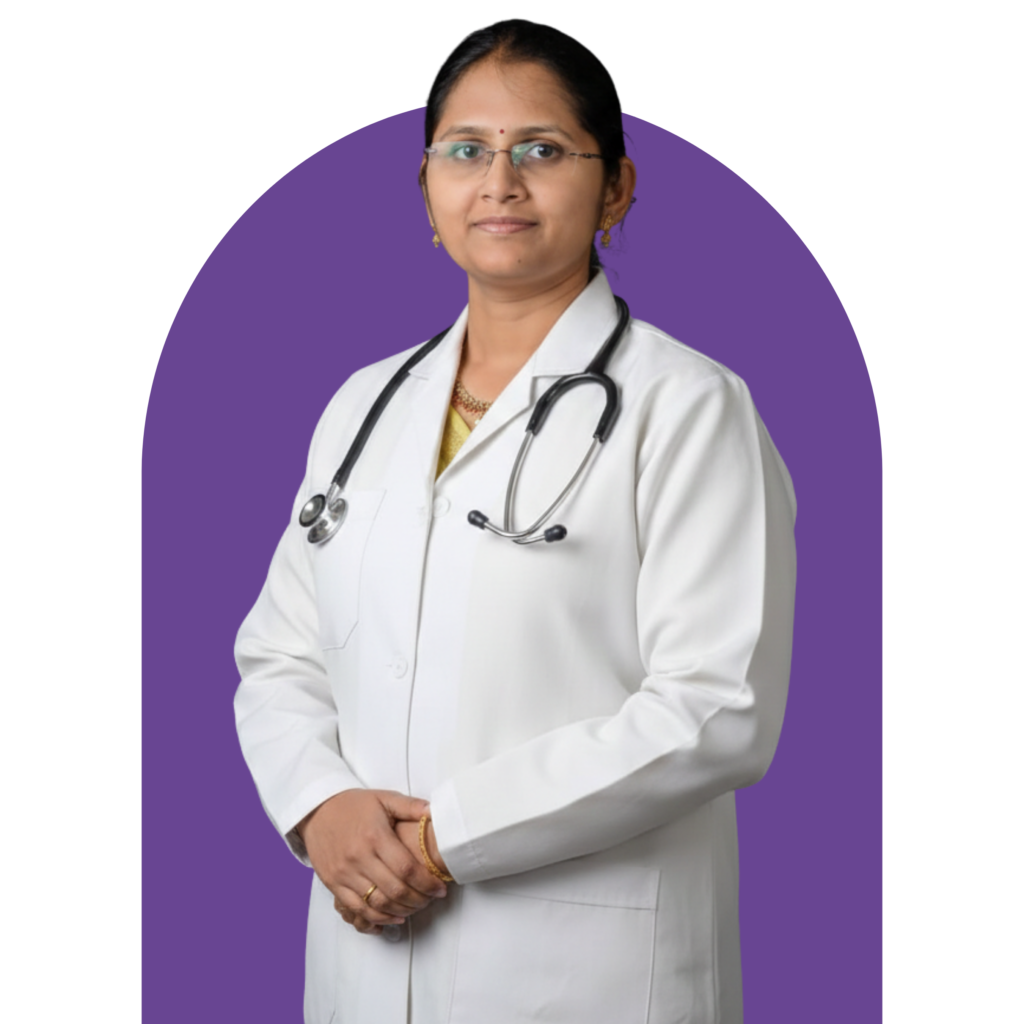
If you recognise several of these needs in your own health journey, speaking to a qualified gynaecologist is the most empowering next step. Dr. Devani Chalamuri at Vedanta Speciality Clinics in Madhurawada, Vizag specialises in comprehensive women’s wellness, hormonal disorders, and obstetric care, offering compassionate, evidence-based guidance for women across Visakhapatnam.

When Should I See a Gynecologist in Vizag?
Clinical guidelines from ACOG and FOGSI recommend scheduling a routine well-woman visit once a year, even when you feel completely healthy. Partnering with a trusted lady gynecologist Visakhapatnam ensures you stay ahead of nutritional deficiencies, subtle hormonal shifts, and age-appropriate preventive screenings.
How Early Should I Start Prenatal Care in Visakhapatnam?
If you are planning to start a family or have just received a positive pregnancy test, booking your initial consultation between weeks 5 and 8 of pregnancy is ideal. Connecting early with an experienced obstetrician in Vizag allows your doctor to confirm early viability, prescribe essential folic acid, and guide your nutrition smoothly across every trimester.
Frequently Asked Questions
What exactly does a gynaecologist do during a routine check-up?
During a routine check-up, a gynaecologist reviews your menstrual cycle, lifestyle, and medical history, discusses any symptoms or family-planning goals, and recommends preventive screenings such as blood panels, pelvic ultrasounds, or Pap smears when age-appropriate.
What is the difference between a gynaecologist and an obstetrician?
A gynaecologist focuses on general female reproductive health—including periods, PCOS, infections, and menopause—whereas an obstetrician specializes in pregnancy, childbirth, and postpartum recovery. Most specialists in India train in both fields (OB-GYN).
At what age should a woman first visit a gynaecologist?
Medical guidelines from FOGSI and ACOG suggest an initial introductory visit between ages 13 and 15 to discuss cycle education and hygiene, or earlier if a teenager experiences severe period pain, heavy bleeding, or delayed puberty.
Do I need an internal pelvic exam at every gynaecologist appointment?
No, an internal pelvic examination is not required at every visit. For many concerns—such as PCOS, irregular periods, or pre-conception planning—a confidential conversation, blood tests, and an external abdominal ultrasound are completely sufficient.
Which doctor should I see for women’s health concerns in Vizag?
You can consult Dr. Devani Chalamuri, an experienced lady gynecologist in Visakhapatnam at Vedanta Speciality Clinics in Madhurawada, for compassionate, confidential care spanning menstrual health, PCOS, fertility, and pregnancy.
What is the cost of a gynecologist consultation in Visakhapatnam?
Consultation fees for an experienced women’s health specialist in Visakhapatnam typically range between ₹400 and ₹800 per visit, depending on clinic facilities. Diagnostic blood work or ultrasound scans are billed separately if recommended.
How early should I start prenatal care in Visakhapatnam once I test positive?
Once you confirm a positive home pregnancy test, booking your first consultation with a pregnancy doctor Visakhapatnam between weeks 5 and 8 ensures timely viability ultrasound checks, folic acid guidance, and baseline maternal health screening.
Can I get routine screenings, ultrasounds, and maternity care in Madhurawada?
Yes, women residing in Madhurawada and northern Visakhapatnam can access complete gynaecological evaluations, hormonal panels, pelvic ultrasounds, and antenatal care locally at Vedanta Speciality Clinics.

Take Charge of Your Health with Trusted Support
Understanding what exactly does a gynaecologist do transforms how you view your body and preventive healthcare. Rather than waiting until discomfort interrupts your daily routine, building an ongoing relationship with a caring specialist gives you clarity, reassurance, and proactive protection at every age.
If you are experiencing any gynaecological symptoms or simply wish to schedule a routine well-woman check-up, Dr. Devani Chalamuri at Vedanta Speciality Clinics, Madhurawada, Vizag is available for a consultation — https://vedantaspecialityclinics.com/. Reach out today to book your appointment and invest in your lifelong health and peace of mind.