Table of Contents
Nourishing Two Lives Thoughtfully: What Is a Pregnancy Diet Chart?
The moment you discover you are pregnant, everyone around you—from well-meaning mothers and aunts to colleagues and neighbors—suddenly becomes a nutrition advisor. One person urges you to eat double portions of ghee-laden sweets, another warns against everyday fruits, and endless online advice leaves you wondering what your body actually needs to keep you and your baby thriving.
Understanding what is a pregnancy diet chart cuts through confusing myths and replaces guesswork with calm, science-backed clarity. Rather than forcing you into rigid eating rules or uncomfortable overeating, a well-structured Indian pregnancy meal plan helps you nourish your baby’s developing organs, maintain steady energy, and support a smooth, healthy pregnancy across all nine months.
What Is a Pregnancy Diet Chart?
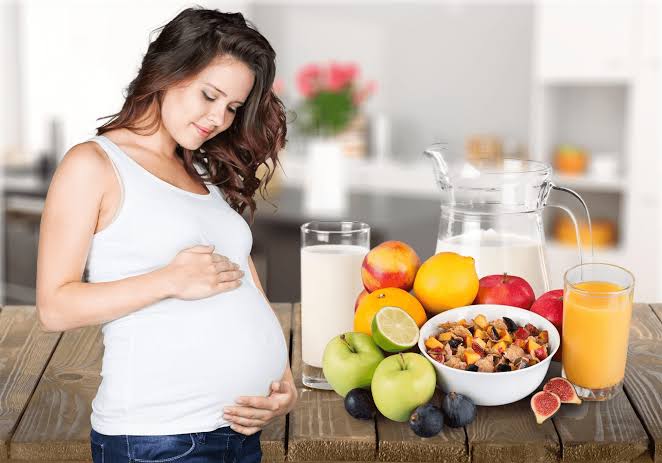
A pregnancy diet chart is a structured, trimester-wise daily meal guide designed to meet the changing nutritional demands of both mother and baby. Grounded in obstetric guidelines, it balances complex carbohydrates, lean proteins, iron, folate, calcium, and healthy fats across small, frequent meals to support fetal growth and maternal wellness.
How Common Are Nutritional Gaps Among Pregnant Indian Women?
Designing a balanced daily meal plan is particularly important in India, where cultural dietary patterns and high metabolic demands often overlap:
- High Prevalence of Maternal Anemia: According to the National Family Health Survey (NFHS-5) and clinical insights from the Federation of Obstetric & Gynaecological Societies of India (FOGSI), over 50% of pregnant women in India experience iron-deficiency anemia, making iron- and folate-rich meals essential every single day.
- Rising Gestational Diabetes Rates: Clinical data across South India shows that gestational diabetes mellitus (GDM) affects roughly 10% to 15% of pregnancies. Traditional meals heavy in polished white rice can cause rapid blood sugar spikes if not balanced with adequate protein and fibre.
- The “Eating for Two” Misconception: World Health Organization (WHO) and Indian Council of Medical Research (ICMR) guidelines confirm that expecting mothers do not need double calories. In fact, caloric needs stay nearly unchanged in the first trimester and increase by only 350 kcal/day in the second and third trimesters.
- Vegetarian Protein Deficits: Because many Indian households follow predominantly vegetarian diets, intentional meal pairing (such as combining dals with whole grains, curd, nuts, and paneer) is vital to supply the amino acids required for fetal tissue growth.
Pregnancy Nutrition Guide – Trimester by Trimester
| Pregnancy Stage | Main Nutritional Needs | Indian Food Sources |
|---|---|---|
| First Trimester (Weeks 1–12) | Folic acid, Vitamin B6, hydration, and light meals. | Spinach, lentils, citrus fruits, roasted makhana, ginger water, and whole grains. |
| Second Trimester (Weeks 13–27) | Iron, calcium, Vitamin D, and protein to support the baby’s growth and mother’s health. | Ragi, amaranth leaves, curd, paneer, eggs, fish, sesame seeds, and almonds. |
| Third Trimester (Weeks 28–40) | Omega-3, iron, and fibre to support brain development and prevent constipation. | Walnuts, flaxseeds, oats, well-cooked sprouts, and moderate amounts of ghee. |
Signs Your Body May Need a More Balanced Pregnancy Diet
Because nutritional shifts happen gradually, paying gentle attention to your daily physical cues helps you adjust your meals early:
- Persistent Afternoon Exhaustion or Dizziness: While early pregnancy fatigue is normal, ongoing weakness, pale inner eyelids, or breathlessness on light exertion may indicate low iron or hemoglobin reserves.
- Mid-Morning Sugar Crashes or Intense Cravings: Feeling shaky, irritable, or unusually hungry two hours after a carbohydrate-heavy breakfast often signals blood glucose fluctuations that benefit from added protein.
- Sluggish Digestion and Constipation: Surging progesterone slows bowel movements, and inadequate dietary fibre or water intake can quickly lead to bloating and discomfort.
- Frequent Leg Cramps at Night: Sudden calf cramps during the second or third trimester can sometimes point toward low calcium, magnesium, or hydration levels.
- Excessive Heartburn After Meals: Eating large, spicy, or oily plates late at night puts upward pressure on the stomach valve, triggering acid reflux.
Key Pillars Behind an Effective Indian Pregnancy Diet Chart
Understanding why specific nutrients matter helps you build satisfying meals from everyday kitchen ingredients:
1.1. Folate & Iron for Blood and Brain Health: Early cellular & spine protection.
Folate supports neural tube closure in early weeks, while iron builds extra red blood cells to carry oxygen to your growing baby and prevent maternal fatigue.
2.2. High-Quality Protein Across Every Meal: Fetal tissue & muscle building.
Protein serves as the primary building block for your baby’s organs, muscles, and placenta. Aim to include dal, pulses, curd, paneer, nuts, eggs, or lean fish at every meal.
3.3. Calcium & Vitamin D for Strong Bones: Skeletal & dental development.
Your baby draws calcium directly from your reserves to build bones and teeth. Dairy products, ragi (finger millet), sesame seeds, and safe morning sunlight protect both you and your baby.
4.4. Complex Carbohydrates & Dietary Fibre: Steady energy & glucose control.
Swapping refined flour and excess white rice for unpolished millets (jowar, bajra, ragi), brown rice, oats, and vegetables keeps blood sugar steady and supports smooth digestion.
Sample One-Day Balanced Indian Pregnancy Diet Chart
A practical meal routine divides daily nutrition into six smaller, gentle portions rather than three heavy meals. Here is an example of what is a pregnancy diet chart structured for everyday Indian kitchens:
- Early Morning (7:00 AM): A glass of warm water with 4–5 soaked almonds, 2 soaked walnuts, and a small banana or apple to prevent morning nausea.
- Nutritious Breakfast (8:30 AM): 2 vegetable-stuffed ragi or whole-wheat rotis with a bowl of curd, OR 2 moong dal chillas with mint chutney, OR 2 idlis with vegetable sambar and a boiled egg.
- Mid-Morning Snack (11:00 AM): A glass of fresh buttermilk (chaas) with roasted cumin, or a bowl of seasonal fruit (orange, pomegranate, or ripe guava).
- Wholesome Lunch (1:30 PM): 1 cup of brown or semi-polished rice (or 2 multigrain rotis), 1 large bowl of thick dal or rajma, a generous serving of green leafy vegetable (palak or methi sabzi), cucumber-carrot salad, and a small bowl of curd.
- Evening Tea-Time Snack (4:30 PM): A cup of ginger-cardamom tea or milk paired with roasted makhana (fox nuts), sprouted moong chaat, or roasted chana.
- Light, Early Dinner (7:30 PM): 2 soft jowar or whole-wheat chapatis with paneer bhurji, grilled fish/chicken, or mixed vegetable curry, finished at least two hours before bedtime to prevent heartburn.
- Bedtime Comfort (9:30 PM): A warm glass of turmeric milk (if comfortable) to support restful sleep and overnight calcium absorption.
Foods to Limit or Avoid Safely During Pregnancy
Following simple food-safety precautions protects your developing baby from foodborne infections and unnecessary additives:
- Unripe or Semi-Ripe Papaya and Raw Pineapple: Unripe papaya contains latex compounds that can trigger uterine contractions, whereas fully ripe papaya in small amounts is generally safe when cleared by your doctor.
- Unpasteurized Dairy and Soft Cheeses: Always boil milk thoroughly and choose pasteurized paneer and curd to avoid Listeria bacteria.
- Undercooked Eggs, Meat, and High-Mercury Fish: Cook eggs until both whites and yolks are firm, ensure meats are thoroughly cooked, and choose low-mercury local fish over large predatory species.
- Excessive Caffeine and Sugary Beverages: Limit tea and coffee to 1–2 small cups per day (staying under 200 mg of caffeine) and skip packaged sodas or artificial juices.
- Unwashed Raw Salads Outside the Home: Wash all fruits and vegetables thoroughly in clean water at home, and avoid raw street-side chutneys or cut fruits when eating out.
How Is Your Nutritional Health Assessed During Prenatal Visits?
Rather than guessing whether your diet is meeting your baby’s needs, your obstetrician monitors your nutritional markers at key milestones:
- Baseline Blood Panels (First Trimester): Checking Complete Blood Count (CBC) for hemoglobin, thyroid levels (TSH), Vitamin D, and Vitamin B12.
- Oral Glucose Tolerance Test (Weeks 24 to 28): A standard screening test to check how smoothly your body processes sugar, ensuring early detection of gestational diabetes.
- Trimester Growth Ultrasounds: Tracking fetal weight percentiles and amniotic fluid volume to confirm steady, healthy nourishment through the placenta.
- Tailored Supplementation: Prescribing targeted iron, folic acid, and calcium tablets alongside your daily meals—since diet alone cannot easily supply full pregnancy iron and folate needs.
When Should You See a Doctor?
Every woman enters pregnancy with a different starting weight, metabolic profile, and food tolerance. Seeking personalized dietary guidance from your healthcare provider is especially helpful if you experience:
- Severe nausea or vomiting (hyperemesis) that prevents you from keeping fluids or meals down.
- Low hemoglobin reports (anemia) or pre-existing thyroid and PCOS conditions.
- Elevated blood sugar readings during your second-trimester glucose screening.
- Sudden, rapid weight gain or minimal weight gain across trimesters.
- Strict dietary restrictions (such as veganism or food allergies) requiring careful nutrient substitution.
If you are looking for clear, practical guidance tailored to your health reports and regional diet, speaking with a qualified gynaecologist is the most reassuring step. Dr. Devani Chalamuri at Vedanta Speciality Clinics in Madhurawada, Vizag specialises in personalized antenatal nutrition counseling, gestational diabetes management, and offers compassionate, evidence-based maternity care for women across Visakhapatnam.
When Should I See a Gynecologist in Vizag?
You should schedule a consultation with an experienced lady gynecologist Visakhapatnam as soon as you confirm a positive pregnancy test, or even 2 to 3 months beforehand if you are planning to conceive. Early nutritional guidance helps build strong iron and folate reserves before morning sickness begins.
How Early Should I Start Prenatal Care in Visakhapatnam?
Clinical guidelines from FOGSI and WHO recommend starting official prenatal visits between weeks 5 and 8 of pregnancy. Partnering early with a trusted obstetrician in Vizag ensures your baseline blood work, supplement dosages, and trimester diet chart are tailored smoothly to your body’s needs.
Frequently Asked Questions
What is a pregnancy diet chart and why do expecting mothers need one?
A pregnancy diet chart is a structured daily meal guide tailored to each trimester’s nutritional needs. It helps expecting mothers balance protein, iron, calcium, folate, and healthy carbohydrates to support fetal growth without excessive weight gain or blood sugar spikes.
Do I really need to “eat for two” during pregnancy?
No, eating double portions is an old myth. During the first trimester, you need almost no extra calories—only nutrient-dense foods. In the second and third trimesters, guidelines recommend adding roughly 350 to 450 extra healthy calories per day.
Which Indian foods are best for boosting hemoglobin naturally during pregnancy?
Iron-rich Indian foods include spinach (palak), amaranth leaves (thotakura), finger millet (ragi), roasted Bengal gram, lentils, dates, and lean meats or eggs. Pairing these with Vitamin C sources like lemon juice or amla helps your body absorb iron effectively.
What foods should I avoid on an Indian pregnancy diet chart?
Expecting mothers should avoid raw or unripe papaya, unpasteurized milk or soft cheeses, undercooked eggs or meats, high-mercury fish, excessive caffeine (over 200 mg daily), and heavily processed, sugary, or deep-fried snacks.
Which doctor should I consult for a personalized pregnancy diet plan in Vizag?
You should consult an experienced pregnancy doctor Visakhapatnam, such as Dr. Devani Chalamuri at Vedanta Speciality Clinics in Madhurawada, who evaluates your blood reports, BMI, and glucose levels to tailor safe nutritional guidance.
How can I eat properly during the first trimester when morning sickness is strong?
Focus on eating five to six small, dry, easily digestible meals every two to three hours rather than large plates. Plain crackers, roasted makhana, ginger-infused warm water, and cool buttermilk often settle nausea while keeping energy steady.
How early should I start prenatal care in Visakhapatnam to review my nutrition?
Scheduling your initial prenatal consultation between weeks 5 and 8 with a women’s health specialist allows your doctor to check baseline hemoglobin, thyroid function, and vitamin levels so your diet and supplements start right on track.
Can I get gestational diabetes and antenatal nutrition guidance in Madhurawada?
Yes, expecting mothers in Madhurawada and northern Visakhapatnam can access complete antenatal check-ups, glucose screening, and individualized pregnancy nutrition support at Vedanta Speciality Clinics.
Nourish Your Pregnancy with Confidence and Care
Understanding what is a pregnancy diet chart empowers you to enjoy wholesome, familiar Indian meals without stress or confusion. By focusing on balanced nutrients, steady hydration, and gentle portion timing, you give both yourself and your baby a strong foundation for health.
If you are looking for personalized prenatal nutrition advice or comprehensive maternity care, Dr. Devani Chalamuri at Vedanta Speciality Clinics, Madhurawada, Vizag is available for a consultation — https://vedantaspecialityclinics.com/. Book your visit today to receive warm, individualized guidance through every trimester of your motherhood journey.