
Table of Contents
Heavy Period Bleeding – When Is It Serious? An Evidence-Based Guide
Menstruation varies significantly from person to person, but when flow becomes excessive, it transcends inconvenience and becomes a clinical concern known as menorrhagia. Many women suffer in silence, assuming that heavy bleeding is simply “their normal.” However, chronic excessive blood loss can lead to systemic complications, most notably iron-deficiency anemia, which results in persistent fatigue, weakness, and shortness of breath.
Identifying the threshold between a “heavy” cycle and a clinically “serious” one is vital for reproductive longevity and overall health. If your menstrual flow dictates your daily schedule, prevents you from physical activity, or causes physical distress, it is no longer a standard physiological process. This guide provides a clinical framework to help you understand the volumes, causes, and warning signs of abnormal uterine bleeding.
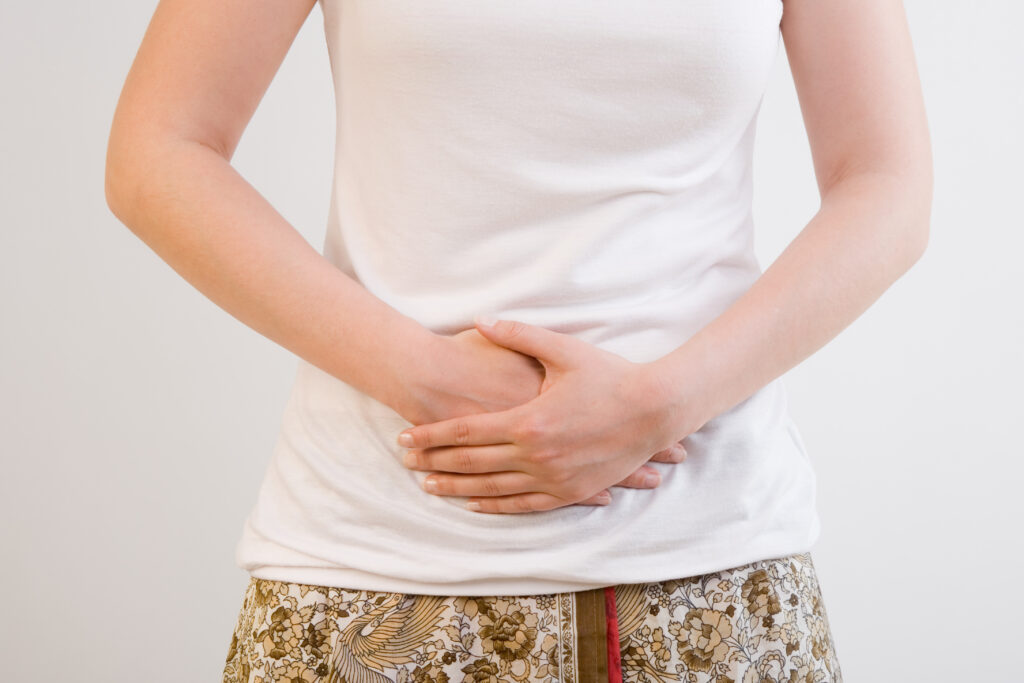
Defining Abnormal Heavy Bleeding
What is considered heavy period bleeding? Clinically, menorrhagia is defined as blood loss exceeding 80 ml per cycle or bleeding that lasts longer than seven days. While it is difficult to measure milliliters at home, medical professionals use “soakage” as a primary indicator.
Bleeding is considered serious if you:
- Soak through one or more pads or tampons every hour for several consecutive hours.
- Need to wake up during the night to change sanitary protection.
- Pass blood clots that are larger than a one-rupee coin (approximately 2.5 cm).
- Experience “flooding,” where blood bleeds through clothing or onto bedding despite using high-absorbency products.
Causes of Excessive Menstrual Bleeding
Several underlying conditions can disrupt the uterine environment or the hormonal signals governing the cycle:
1. Hormonal Imbalances
In a healthy cycle, estrogen and progesterone balance the buildup of the uterine lining (endometrium). Conditions like PCOS or thyroid disorders can cause an overgrowth of the lining, which results in heavy shedding during menstruation.
2. Uterine Fibroids and Polyps
These are non-cancerous (benign) growths in the uterus. Fibroids, in particular, can increase the surface area of the uterine lining and prevent the uterus from contracting effectively to stop bleeding.
3. Adenomyosis
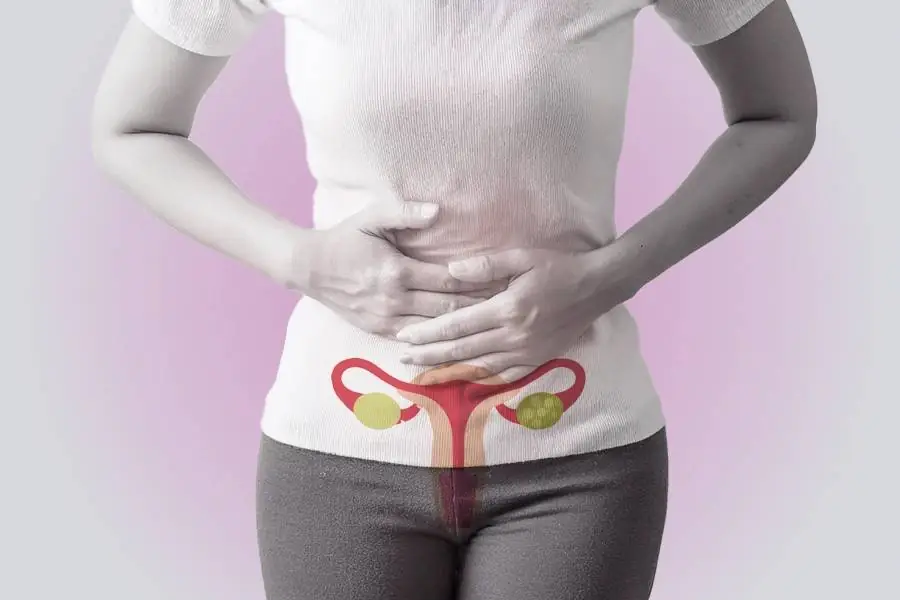
This occurs when the tissue that lines the uterus grows into the muscular wall of the uterus. It often causes both heavy bleeding and significant pelvic pain or cramping.
4. Bleeding Disorders
In some cases, the cause is systemic rather than localized. Conditions like Von Willebrand disease—an inherited blood-clotting disorder—can manifest primarily as heavy menstrual bleeding.
5. Gynecological Cancers
While less common, uterine or cervical cancer can cause abnormal and heavy bleeding, especially in post-menopausal women or those with specific risk factors.
Key Insights and Practical Guidance
If you suspect your flow is abnormal, documenting your cycle is the first step toward a clinical resolution.
- Quantify Your Flow: Use a menstrual app or a physical diary to count how many pads or tampons you use per day. Note the frequency of “double-up” protection (using both a tampon and a pad).
- Observe Physical Symptoms: Note any dizziness, heart palpitations, or extreme pale skin (pallor). These are signs that your hemoglobin levels may be dropping.
- Monitor Pain Levels: Severe cramping (dysmenorrhea) often accompanies heavy bleeding and can provide clues to conditions like endometriosis or adenomyosis.
- Check Your Iron: Regular blood tests to check Serum Ferritin and Hemoglobin levels are essential for women with heavy cycles to prevent chronic anemia.
When to Seek Medical Help
Heavy bleeding is considered a medical priority in the following scenarios:
- Acute Hemorrhage: If you are soaking a pad every hour for more than two hours, seek emergency care.
- Symptoms of Anemia: Feeling lightheaded, dizzy, or fainting during your period is a sign of acute blood loss.
- Bleeding Between Periods: Any spotting or heavy bleeding that occurs outside your scheduled cycle needs an immediate evaluation by a specialist.
- Post-Menopausal Bleeding: Any bleeding after you have officially reached menopause (12 months without a period) is considered abnormal and must be screened for malignancy.
- Interference with Quality of Life: If you miss work, school, or social events because of your period, it is clinically significant.
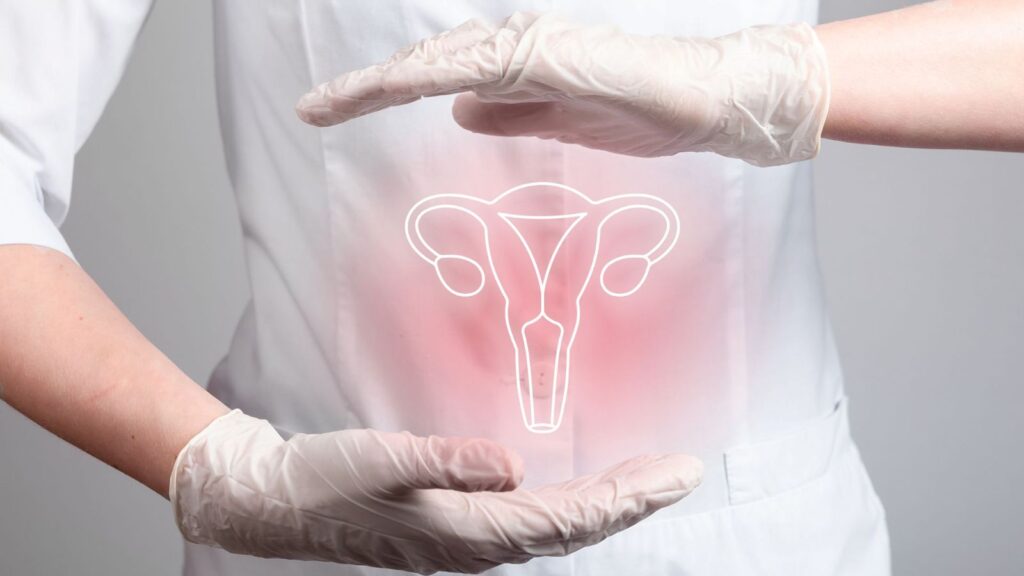
3. Visakhapatnam Section
People in Visakhapatnam seeking women’s healthcare often consult qualified specialists to manage menstrual disorders and iron deficiency. Clinics in areas such as Madhurawada, MVP Colony, and Dwaraka Nagar provide access to diagnosis and treatment, including ultrasound imaging and hormonal therapy. Facilities like Vedanta Speciality Clinics are among those offering structured care for such conditions, ensuring that residents of the Vizag region receive evidence-based interventions for abnormal uterine bleeding.
4. FAQ SECTION
How do I know if my period is too heavy?
A period is too heavy if it interferes with your daily life. Clinically, this means soaking through a pad or tampon every hour, passing clots larger than a coin, bleeding for more than seven days, or feeling exhausted and short of breath during your cycle.
Can heavy periods cause anemia?
Yes, chronic heavy bleeding is a leading cause of iron-deficiency anemia in women. Frequent and excessive loss of blood depletes the body’s iron stores, which are necessary to produce hemoglobin. Symptoms include extreme fatigue, pale skin, and heart palpitations.
What are the non-surgical treatments for heavy bleeding?
Non-surgical options include hormonal contraceptives (pills, patches, or IUDs) to thin the uterine lining, Tranexamic acid to help with blood clotting, and Non-steroidal anti-inflammatory drugs (NSAIDs) to reduce blood flow and cramping. Iron supplements are also used to treat resulting anemia.
When should I go to the ER for heavy bleeding?
You should visit the emergency room if you are soaking through more than two heavy-duty pads per hour for several hours, feeling faint or dizzy, having chest pain, or experiencing a sudden, dramatic increase in blood flow that you cannot control.
Is passing large blood clots normal?
Passing occasional small clots is common. However, passing clots larger than a one-rupee coin (approx. 1 inch) consistently is a sign of menorrhagia. It suggests that the blood is flowing too quickly for the body’s natural anticoagulants to break it down.
Can fibroids be the reason for my heavy flow?
Yes, uterine fibroids are a very common cause of heavy bleeding. These benign growths can change the shape of the uterine cavity and interfere with the uterus’s ability to contract and stop menstrual bleeding, leading to prolonged and heavy cycles.
5. CONCLUSION
Heavy menstrual bleeding is not a condition that should be “toughed out.” Whether the cause is a manageable hormonal imbalance or a structural issue like fibroids, modern medicine offers a wide array of treatments to restore your quality of life and prevent the debilitating effects of anemia. Early intervention ensures that minor issues do not escalate into surgical requirements. Seeking guidance from an experienced women’s healthcare specialist can help ensure proper diagnosis and personalized care.

Leave a Comment