

Table of Contents
Pregnancy Care MVP Colony: A Clinical Roadmap to Maternal Health
The journey of pregnancy is a profound physiological transition that requires structured medical oversight to ensure the safety of both mother and child. For residents in the heart of Visakhapatnam, accessing high-quality pregnancy care in MVP Colony has become essential as the area evolves into a primary healthcare hub. Comprehensive obstetric care is not merely about a successful delivery; it is a longitudinal process involving meticulous prenatal screening, nutritional optimization, and the early identification of potential complications.
Selecting a gynaecologist near me within the MVP Colony area allows expectant parents to maintain a consistent schedule of antenatal checkups without the stress of long commutes. In the modern clinical landscape, pregnancy management has shifted toward personalized medicine, where diagnostic protocols are tailored to an individual’s specific medical history, genetic profile, and lifestyle. This guide outlines the essential components of expert pregnancy care and what residents of Vizag should prioritize during this transformative period.

The Pillars of Expert Prenatal Care
What constitutes effective pregnancy care in MVP Colony? Effective pregnancy care is a tripartite framework consisting of prenatal surveillance, maternal-fetal medicine, and postpartum support.
- Prenatal Surveillance: Routine monitoring of maternal blood pressure, weight gain, and glucose levels to prevent conditions like pre-eclampsia or gestational diabetes.
- Maternal-Fetal Medicine (MFM): The use of advanced ultrasonography and biochemical markers (such as the Double Marker or Quadruple Marker tests) to monitor fetal development and detect chromosomal abnormalities early.
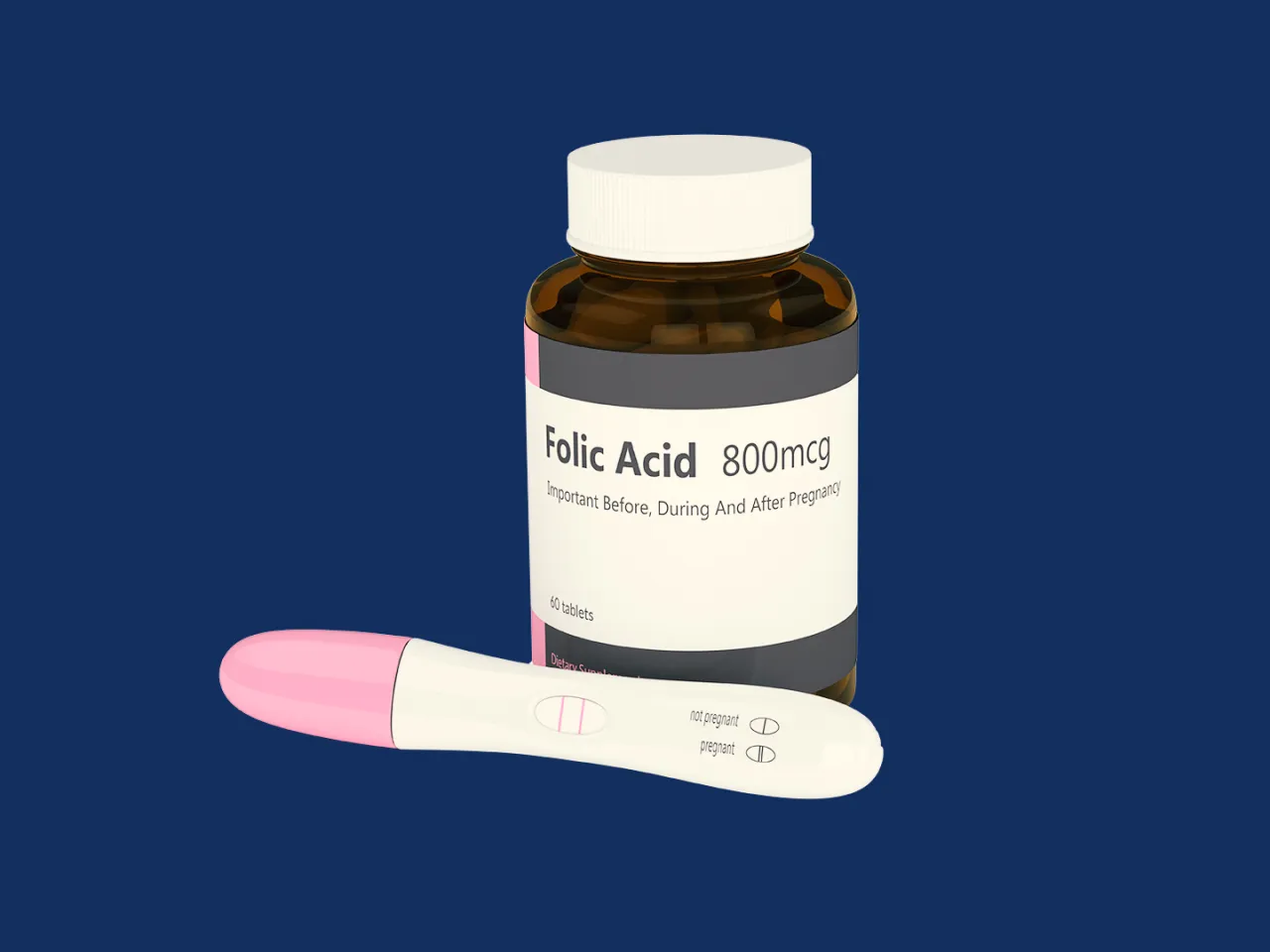
- Nutritional and Metabolic Support: Guiding the mother through micronutrient supplementation—including folic acid, iron, and calcium—to support fetal organogenesis and bone development.
The Three Trimesters: Clinical Milestones
The First Trimester (Weeks 1–12)
This is the critical phase of organogenesis. Initial visits focus on confirming the pregnancy via ultrasound, establishing an accurate due date, and screening for infectious diseases or thyroid dysfunction. The focus is on preventing neural tube defects through early folic acid supplementation.
The Second Trimester (Weeks 13–26)
Often referred to as the “golden period,” this phase involves the comprehensive anomaly scan (TIFFA scan). This is a vital diagnostic tool used by specialists in Vizag to examine the baby’s structural development, including the heart, spine, and brain. Glucose tolerance tests are also conducted during this window.
The Third Trimester (Weeks 27–40)
The final stage prioritizes fetal growth monitoring and preparation for labor. Clinical assessments focus on the position of the baby, amniotic fluid volume, and placental health. This is also when birth plans are finalized and emergency protocols are established.
Key Insights: Practical Guidance for Expectant Parents
Navigating obstetric care in Visakhapatnam requires an understanding of clinical benchmarks:
- Continuous Monitoring: Ensure your healthcare provider uses high-resolution 3D/4D ultrasound technology for detailed fetal visualization.
- High-Risk Management: If you have pre-existing conditions like hypertension, PCOS, or are over the age of 35, your pregnancy is categorized as high-risk and requires more frequent monitoring.
- Vaccination Schedule: Staying updated on pregnancy-safe vaccinations, such as Tdap and Influenza, is crucial for passive immunity for the newborn.
- Emergency Infrastructure: Proximity to a facility with a Level III Neonatal Intensive Care Unit (NICU) is the most critical safety factor for any delivery.

When to Seek Medical Help
During pregnancy, certain symptoms demand immediate clinical evaluation. Residents should contact their specialist if they experience:
- Vaginal Bleeding: Any spotting or heavy bleeding at any stage of pregnancy.
- Severe Abdominal Pain: Persistent cramping or sharp pains that do not subside.
- Reduced Fetal Movement: A noticeable decrease in the baby’s kicks or activity after the 24th week.
- Sudden Edema: Rapid swelling of the face, hands, or feet, which may be a sign of rising blood pressure.
- High Fever: Any temperature above 100.4°F (38°C) that could indicate an underlying infection.
3. Women’s Healthcare Visakhapatnam
People in Visakhapatnam seeking women’s healthcare often consult qualified specialists to ensure a safe and healthy pregnancy journey. Clinics in areas such as Madhurawada, MVP Colony, and Dwaraka Nagar provide access to diagnosis and treatment through modern obstetric facilities. Facilities like Vedanta Speciality Clinics are among those offering structured care for such conditions, providing the Vizag community with integrated prenatal services and advanced neonatal backup close to their residence.
4. FAQ SECTION
How often should I visit my gynaecologist during pregnancy? In a low-risk pregnancy, visits are typically monthly until week 28, then every two weeks until week 36, and weekly thereafter. However, if your pregnancy is classified as high-risk due to age or medical history, your specialist in MVP Colony may require more frequent monitoring to ensure safety.
What is the most important scan during pregnancy? While all scans are important, the TIFFA scan (Targeted Imaging for Fetal Anomalies), performed between weeks 18 and 22, is critical. It provides a detailed anatomical survey of the fetus, allowing the obstetrician to detect structural abnormalities and assess placental position and amniotic fluid levels.
Can I travel during my third trimester? Most clinicians advise against long-distance travel after 32 to 36 weeks. In the third trimester, the risk of preterm labor or blood clots (DVT) increases. If you live in MVP Colony and plan to travel, always consult your gynaecologist first to assess your cervical length and blood pressure.
What is a high-risk pregnancy? A pregnancy is considered high-risk if there are factors that could affect the health of the mother or baby. This includes maternal age (under 17 or over 35), twins/multiples, pre-existing conditions like diabetes or heart disease, or complications that arise during pregnancy like pre-eclampsia.
Is it safe to exercise while pregnant? Yes, moderate exercise like walking, prenatal yoga, or swimming is highly beneficial. It helps manage weight, improves mood, and can make labor easier. However, you should avoid contact sports or activities with a high risk of falling. Always clear your exercise routine with your obstetrician.
What should I eat to improve fetal growth? A diet rich in lean proteins, leafy greens, whole grains, and dairy is recommended. Key nutrients include Folic Acid for brain development, Iron for blood volume, and Calcium for bone growth. Avoid unpasteurized dairy, raw seafood, and excessive caffeine, as these can pose risks to the developing fetus.
5. CONCLUSION
Effective pregnancy care is the cornerstone of a healthy start for both mother and child. By choosing a structured clinical environment in MVP Colony and adhering to a rigorous schedule of prenatal screenings, you can navigate the complexities of gestation with confidence. Modern obstetrics in Vizag provides the tools necessary to manage risks and celebrate the milestones of pregnancy safely. Seeking guidance from an experienced women’s healthcare specialist can help ensure proper diagnosis and personalized care.



Leave a Comment