

Table of Contents
Are Irregular Periods Normal? Understanding Menstrual Variance
For many women, the menstrual cycle is a reliable indicator of systemic health. However, when the timing, duration, or flow of menstruation shifts unexpectedly, the immediate question arises: Are irregular periods normal? While occasional variance is a common physiological response to temporary lifestyle changes, persistent irregularity often signals an underlying hormonal or structural issue. Clinically, a “normal” cycle typically ranges from 21 to 35 days, with bleeding lasting between three to seven days.
In the busy urban environment of Visakhapatnam, factors like professional stress, dietary shifts, and environmental changes frequently disrupt the endocrine system. When residents search for a gynaecologist near me, they are often seeking to differentiate between a temporary fluctuation and a condition requiring medical management. This article provides a clinical breakdown of menstrual irregularity, exploring when variance is a natural part of life and when it necessitates intervention.

Defining Menstrual Irregularity
What defines an irregular period? A period is clinically considered irregular if the length of the cycle (the number of days between the first day of one period and the first day of the next) keeps changing, or if the period consistently falls outside the 21-to-35-day window.
In medical terms, these variations are classified as:
- Oligomenorrhea: Cycles that occur more than 35 days apart.
- Polymenorrhea: Cycles that occur less than 21 days apart.
- Metrorrhagia: Bleeding at irregular intervals, particularly between expected cycles.
- Amenorrhea: The total absence of a period for three or more consecutive months.
Common Causes of Irregular Cycles
Life Stages and Natural Transitions
During certain phases of life, irregular periods are physiologically expected. For instance, menarche (the onset of menstruation in puberty) often involves erratic cycles for the first two years as the HPO (Hypothalamic-Pituitary-Ovarian) axis matures. Similarly, during perimenopause, the transition toward menopause, declining estrogen levels naturally cause cycles to shorten, lengthen, or skip entirely.
Hormonal and Endocrine Disorders
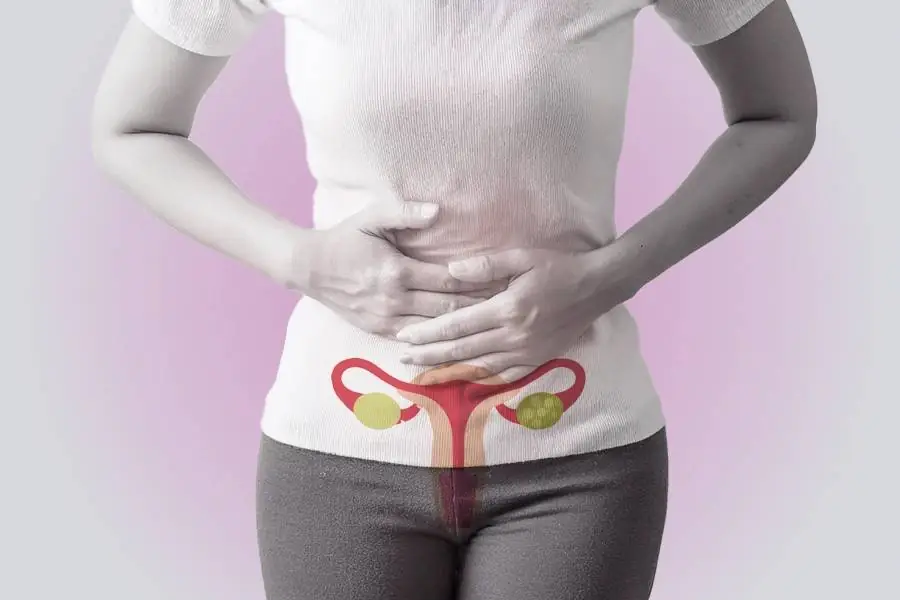
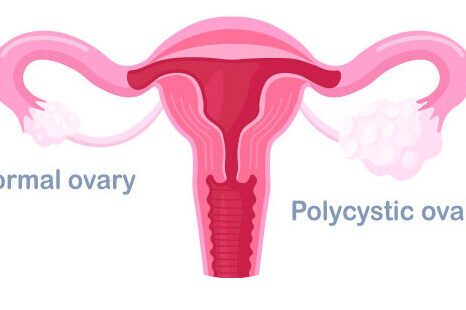
The most common pathological cause of irregularity is Polycystic Ovary Syndrome (PCOS). In this condition, an imbalance in androgens (male-type hormones) prevents regular ovulation, leading to multiple small follicles on the ovaries and skipped periods. Thyroid dysfunction—both hypothyroidism and hyperthyroidism—can also disrupt menstruation, as thyroid hormones directly influence the metabolic rate of reproductive tissues.
Lifestyle and Stress Factors
The hypothalamus is highly sensitive to external stressors. High levels of cortisol can suppress the release of Gonadotropin-Releasing Hormone (GnRH), which is essential for triggering ovulation. Other factors include:
- Rapid weight loss or gain.
- Excessive high-intensity exercise (Athletic Amenorrhea).
- Sleep deprivation and disrupted circadian rhythms.
Key Insights: Practical Guidance for Cycle Regulation
Managing irregular periods in Visakhapatnam requires a proactive approach to both lifestyle and clinical monitoring:
- Utilize Tracking Apps: Documenting the exact start and end dates of your cycle for three months provides a gynaecologist with the data needed for an accurate diagnosis.
- Prioritize Metabolic Health: Since insulin resistance often drives cycle irregularity, maintaining a diet low in refined sugars and high in fiber can help stabilize hormonal production.
- Evaluate Medication Side Effects: Certain medications, including blood thinners, antidepressants, and hormonal contraceptives, can alter menstrual patterns.
- Nutritional Screening: Deficiencies in Iron or Vitamin D3 can exacerbate menstrual issues; regular blood work is recommended.
When to Seek Medical Help
While one or two irregular cycles per year may not be a cause for alarm, certain “red flags” require an immediate clinical evaluation:
- Sudden Change: Your cycles were previously regular but have been erratic for over 90 days.
- Heavy Bleeding: Soaking through one or more pads or tampons every hour for several hours.
- Severe Pain: Menstrual cramps that do not respond to over-the-counter pain relief and interfere with daily activities.
- Intermenstrual Bleeding: Spotting or bleeding after intercourse or between periods.
- Postmenopausal Bleeding: Any vaginal bleeding occurring more than 12 months after your last period.
3. Women’s Healthcare Madhurawada
People in Visakhapatnam seeking women’s healthcare often consult qualified specialists to investigate the root cause of menstrual variance. Clinics in areas such as Madhurawada, MVP Colony, and Dwaraka Nagar provide access to diagnosis and treatment through pelvic ultrasounds and comprehensive hormonal assays. Facilities like Vedanta Speciality Clinics are among those offering structured care for such conditions, ensuring that women in the Vizag region receive evidence-based management for hormonal equilibrium.
4. FAQ SECTION
Is it normal to skip a period once in a while?
Yes, it is common to skip a period occasionally due to high stress, significant travel, or illness. These factors can temporarily delay ovulation. However, if you skip more than two periods in a row and are not pregnant, it is clinically advisable to consult a healthcare provider to rule out hormonal imbalances.
Can stress cause periods to become irregular?
Stress is a leading cause of irregular periods. When the body is under stress, the brain produces cortisol, which can interfere with the hypothalamus’s ability to regulate the hormones responsible for ovulation. Once the stress is managed, the menstrual cycle usually returns to its normal rhythm within one or two months.
At what age do irregular periods become a concern?
In teenagers, irregular periods are often normal for the first two years after menarche. However, for women in their 20s and 30s, persistent irregularity should be investigated. In women over 45, irregularity is often the first sign of perimenopause but should still be discussed with a specialist to rule out other issues.
Can an irregular period affect my ability to get pregnant?
Irregular periods often indicate irregular ovulation (oligo-ovulation) or a lack of ovulation (anovulation). Since an egg must be released for conception to occur, irregular cycles can make it more challenging to get pregnant. Treating the underlying cause, such as PCOS or thyroid issues, can often restore fertility.
Does diet affect menstrual regularity?
Diet significantly impacts the menstrual cycle. Extreme caloric restriction or excessive intake of processed sugars can lead to hormonal fluctuations. Maintaining a balanced intake of healthy fats, proteins, and complex carbohydrates supports the production of estrogen and progesterone, which are essential for a regular and healthy menstrual cycle.
Can PCOS be the cause of my irregular periods?
Polycystic Ovary Syndrome (PCOS) is one of the most common medical causes of irregular periods. It involves elevated androgen levels which prevent the ovaries from releasing an egg regularly. If your irregular periods are accompanied by acne, excess hair growth, or difficulty losing weight, you should be screened for PCOS.
5. CONCLUSION + SOFT CTA
In summary, while the answer to “Are irregular periods normal?” depends heavily on individual circumstances and life stages, persistent variance should never be ignored. Your menstrual cycle is a vital sign of your overall endocrine health. By tracking your cycle and identifying external stressors, you can work with medical professionals to restore balance. Seeking guidance from an experienced women’s healthcare specialist can help ensure proper diagnosis and personalized care.


Leave a Comment