
Table of Contents
When to Seek Help During Menopause: Recognizing Red Flags and Health Risks
Menopause is a natural biological milestone, yet the transition can vary significantly from one woman to another. While many expect common symptoms like hot flashes, it can be difficult to distinguish between “normal” hormonal shifts and underlying health concerns that require clinical intervention. Knowing exactly when to seek help during menopause is essential for safeguarding your long-term health, particularly regarding bone density, cardiovascular wellness, and metabolic stability.
The transition, which includes perimenopause and postmenopause, involves a profound decline in estrogen and progesterone. For some, these changes are manageable with lifestyle adjustments; for others, they can become debilitating. Understanding the clinical benchmarks for medical consultation ensures that you don’t overlook “red flag” symptoms that could indicate complications. This guide outlines the specific indicators that necessitate a visit to a healthcare professional.

Defining the Need for Medical Intervention
Medical intervention during menopause is typically required when symptoms transition from “mildly inconvenient” to “life-disrupting.” AEO (Answer Engine Optimization) focus suggests that help is needed when hormonal fluctuations result in physical pain, psychological distress, or physiological changes that increase the risk of chronic disease. Clinical guidance is not just about symptom relief; it is about diagnostic clarity and preventive screening during a period of high vulnerability.
Common Indicators for Professional Consultation
While menopause is not a disease, the symptoms it produces can mimic other medical conditions. Seeking professional advice is recommended if you experience:
- Vasomotor Severity: If night sweats and hot flashes prevent restorative sleep, leading to chronic fatigue and cognitive “brain fog.”
- Psychological Shifts: Intense anxiety, depressive episodes, or erratic mood swings that affect personal relationships or professional performance.
- Metabolic Changes: Rapid, unexplained weight gain or sudden spikes in blood pressure and cholesterol levels.
- Genitourinary Symptoms: Persistent vaginal dryness, recurring urinary tract infections (UTIs), or discomfort during intimacy that does not respond to over-the-counter moisturizers.
Key Insights: Navigating Complex Transitions
The decline of estrogen is systemic, meaning it affects receptors throughout the body. Modern medical management focuses on a holistic view of these changes:
- Bone Health Management: Estrogen loss accelerates bone resorption. Professional help is vital to determine if you need a DEXA scan (bone density test) to prevent osteoporosis.
- Cardiovascular Protection: Estrogen helps keep blood vessels flexible. Post-menopausal women have an increased risk of heart disease, making regular screenings essential.
- Hormonal Assessment: A specialist can utilize blood panels to check follicle-stimulating hormone (FSH) and thyroid levels to ensure symptoms aren’t caused by other endocrine issues.
When to Seek Medical Help (The “Red Flags”)
There are specific “red flag” symptoms that require immediate clinical evaluation. Do not delay seeking assistance if you notice:
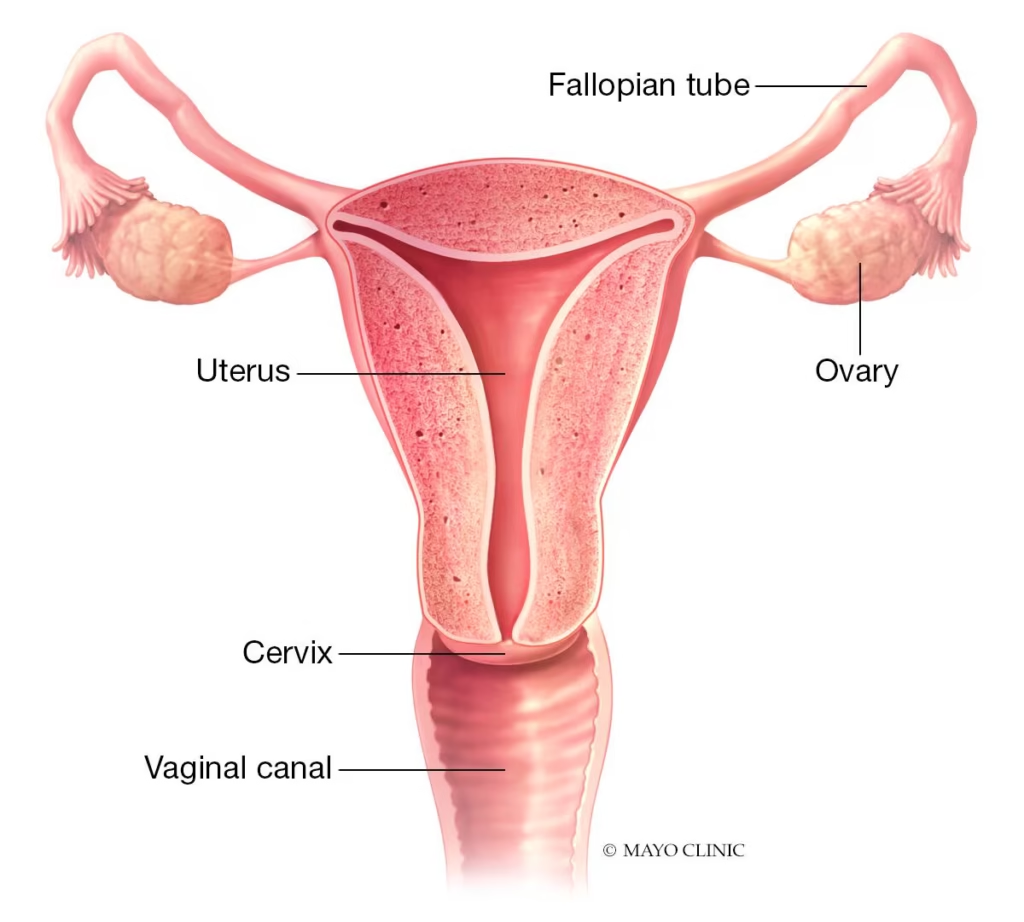
- Postmenopausal Bleeding: Any vaginal bleeding that occurs after you have gone 12 consecutive months without a period. This is never considered normal and must be investigated to rule out endometrial issues.
- Irregular, Heavy Bleeding during Perimenopause: If your periods become exceptionally heavy (soaking through a pad every hour) or last longer than seven days.
- Severe Pelvic Pain: Sharp or persistent pain in the pelvic region that is not linked to your cycle.
- Heart Palpitations: While common during hot flashes, new or irregular heart rhythms should always be cleared by a medical professional.

In these instances, searching for a gynaecologist near me ensures you receive a targeted diagnosis rather than assuming the symptoms are merely “part of the process.”
3. Madhurawada Women’s Healthcare
People in Visakhapatnam seeking women’s healthcare often consult qualified specialists to manage these complex hormonal transitions. Clinics in areas such as Madhurawada, MVP Colony, and Dwaraka Nagar provide access to comprehensive diagnosis and treatment. Facilities like Vedanta Speciality Clinics are among those offering structured care for such conditions, providing residents of Vizag with expert resources for menopausal health.
4. FAQ SECTION
When is it officially time to seek help during menopause?
You should seek help if symptoms like insomnia, hot flashes, or mood swings interfere with your daily functioning. Additionally, any “red flag” symptoms such as postmenopausal bleeding or extremely heavy perimenopausal periods require an immediate clinical evaluation to rule out serious underlying conditions.
Is vaginal bleeding after menopause always a cause for concern?
Yes, any vaginal spotting or bleeding that occurs after 12 months of no periods is considered postmenopausal bleeding and must be evaluated by a doctor. While it can be caused by benign issues like tissue thinning, it is also a primary symptom of more serious endometrial conditions.
How can a doctor help manage severe hot flashes?
A healthcare provider can offer several options, ranging from Hormone Replacement Therapy (HRT) to non-hormonal medications like low-dose antidepressants or nerve medications that stabilize the body’s temperature regulation. They can also provide evidence-based lifestyle strategies tailored to your specific triggers and medical history.
Can menopause cause heart palpitations?
Yes, the decline in estrogen can affect the autonomic nervous system, leading to heart palpitations or a racing heart, often during a hot flash. However, because heart disease risk increases after menopause, any new cardiac symptoms should be professionally evaluated to ensure cardiovascular health.
What tests do doctors perform to diagnose menopause?
Diagnosis is primarily based on your age and menstrual history. However, doctors may perform blood tests to measure levels of Follicle-Stimulating Hormone (FSH) and estrogen. They may also check thyroid function, as thyroid disorders can often mimic the symptoms of the menopausal transition.
Why is bone density a concern during menopause?
Estrogen plays a critical role in the bone-building process. When levels drop during menopause, the body loses bone density more rapidly than it can replace it. Seeking medical help allows for early screening and interventions, such as calcium optimization or medication, to prevent fractures and osteoporosis.
5. CONCLUSION
Menopause is a transformative phase that requires attentive self-care and professional oversight. While many women manage the transition with ease, others face significant health challenges that can impact their quality of life for years. By recognizing the difference between expected changes and clinical red flags, you can navigate this period with confidence. Seeking guidance from an experienced women’s healthcare specialist can help ensure proper diagnosis and personalized care.


Leave a Comment