
Table of Contents
Natural Ways to Manage Menopause: An Evidence-Based Holistic Guide
Menopause is a significant biological transition that every woman eventually navigates. While it is a natural phase of life, the hormonal shifts—specifically the decline in estrogen and progesterone—can lead to a variety of physical and emotional challenges. Many women seek natural ways to manage menopause to mitigate symptoms like hot flashes, mood swings, and sleep disturbances without immediate recourse to pharmacological interventions.
Adopting a holistic approach involves more than just “home remedies”; it requires a structured adjustment to nutrition, physical activity, and stress management. By focusing on evidence-based lifestyle modifications, women can significantly improve their quality of life during perimenopause and postmenopause. This guide explores the most effective strategies to balance the body naturally while maintaining long-term health and bone density.

Understanding Natural Management of Menopause
Natural management refers to the use of non-pharmacological strategies to alleviate the symptoms associated with the cessation of the menstrual cycle. The primary goal is to support the body’s endocrine system and cardiovascular health as it adjusts to lower hormone levels. This approach is highly effective for mild to moderate symptoms and serves as a vital foundation even for those who eventually require medical therapy.
Common Symptoms and Their Physiological Causes
To manage menopause naturally, one must understand why these changes occur. The drop in estrogen affects the hypothalamus, the body’s thermostat, leading to vasomotor symptoms.
- Hot Flashes and Night Sweats: Sudden spikes in body temperature caused by vascular instability.
- Bone Density Loss: Estrogen is crucial for bone remodeling; its absence speeds up bone resorption.
- Metabolic Shifts: Hormonal changes often lead to insulin resistance and a redistribution of adipose tissue to the midsection.
- Sleep and Mood Disorders: Fluctuations in hormones impact neurotransmitters like serotonin and dopamine, affecting sleep cycles and emotional stability.
Key Insights: Practical Guidance for Natural Relief
1. Nutritional Optimization
Dietary choices are the cornerstone of menopausal health. Focus on:
- Phytoestrogens: Compounds found in soy, flaxseeds, and sesame seeds that can weakly mimic estrogen in the body, potentially reducing the frequency of hot flashes.
- Calcium and Vitamin D: Essential for countering the risk of osteoporosis. Incorporate leafy greens, fortified cereals, and fatty fish.
- Fiber-Rich Foods: Whole grains and legumes help manage the “menopausal weight gain” by stabilizing blood sugar levels.
2. Temperature Regulation and Lifestyle Hacks
Managing the environment can reduce the impact of vasomotor symptoms:
- Layered Clothing: Use breathable fabrics like cotton or silk.
- Trigger Identification: Keep a journal to see if caffeine, spicy foods, or alcohol trigger your hot flashes.
- Hydration: Maintaining adequate fluid intake helps regulate body temperature and reduces skin dryness.
3. Physical Activity and Strength Training
Exercise is non-negotiable during this transition. Weight-bearing exercises (walking, jogging) and resistance training (weights, bands) are critical for maintaining bone mineral density. Additionally, yoga and Pilates can improve flexibility and reduce the stress markers that exacerbate mood swings.
4. Mind-Body Techniques
High levels of cortisol (the stress hormone) can worsen menopausal symptoms. Natural ways to manage menopause include:
- Paced Respiration: Deep, slow abdominal breathing during a hot flash can reduce its intensity.
- Sleep Hygiene: Maintain a cool room temperature and a consistent sleep schedule to combat insomnia.
When to Seek Medical Help
Natural strategies are powerful, but they have limits. It is essential to consult a professional if:
- Symptoms become debilitating and prevent daily functioning.
- You experience postmenopausal bleeding (any bleeding after 12 months of no periods).
- Natural methods do not provide relief for severe bone pain or extreme vaginal atrophy.
- You are experiencing severe depression or clinical anxiety.
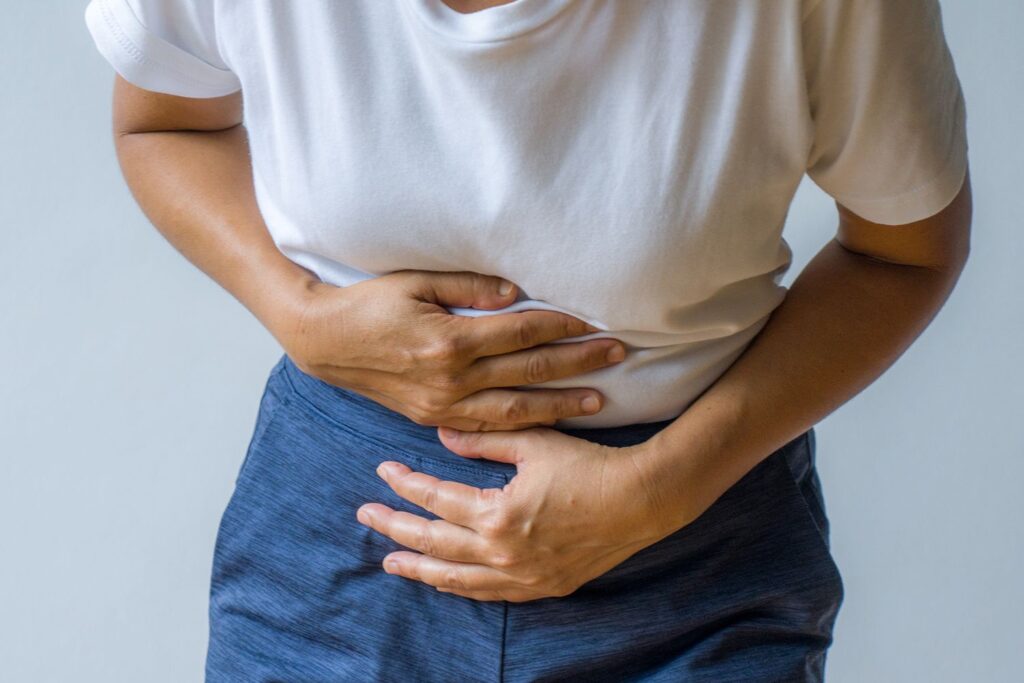
In such cases, searching for a gynaecologist near me can lead to a more clinical evaluation where natural methods are integrated with medical treatments for a comprehensive care plan.
3. MVP Colony Women’s Healthcare
People in Visakhapatnam seeking women’s healthcare often consult qualified specialists to discuss these lifestyle adjustments. Clinics in areas such as Madhurawada, MVP Colony, and Dwaraka Nagar provide access to diagnosis and treatment for hormonal imbalances. Facilities like Vedanta Speciality Clinics are among those offering structured care for such conditions, helping women in the Vizag region find a balance between natural management and clinical support.
4. FAQ SECTION
What are the most effective natural ways to manage menopause?
The most effective natural strategies include a diet rich in phytoestrogens and calcium, regular weight-bearing exercise to protect bone health, and stress-reduction techniques like yoga or deep breathing. Avoiding triggers such as caffeine and spicy foods also significantly reduces the frequency of hot flashes and improves overall sleep quality.
How does exercise help during the menopausal transition?
Exercise serves dual purposes: it helps manage weight by boosting a slowing metabolism and protects skeletal health. Weight-bearing activities are essential because the drop in estrogen increases the risk of osteoporosis. Additionally, physical activity releases endorphins, which act as natural mood stabilizers to combat anxiety and irritability.
Can herbal supplements help with hot flashes?
Many women find relief using herbal supplements like Black Cohosh or Evening Primrose oil. However, clinical evidence for these is mixed, and they can interact with other medications. It is always recommended to discuss these options with a healthcare provider to ensure they are safe for your specific medical history.
Is it possible to manage menopausal weight gain naturally?
Yes, though it requires consistency. Focus on a high-fiber, low-glycemic diet to manage insulin sensitivity and incorporate strength training to maintain muscle mass. Reducing processed sugars and prioritizing protein intake can help counteract the metabolic slowdown that typically occurs during the perimenopausal and postmenopausal years.
What are the best foods for bone health after menopause?
Beyond dairy, excellent sources of bone-supporting nutrients include fortified plant milks, sardines with bones, kale, broccoli, and almonds. Vitamin D is equally important, as it facilitates calcium absorption; getting safe sun exposure or taking a supplement is often necessary to meet daily requirements.
How can I improve my sleep naturally during menopause?
To improve sleep, establish a “cool-down” routine by lowering the bedroom temperature and avoiding screens an hour before bed. Paced breathing and magnesium-rich foods (like spinach and pumpkin seeds) can also promote relaxation. Consistency in sleep and wake times helps regulate the body’s internal clock.
5. CONCLUSION
Managing menopause naturally involves a comprehensive shift in nutrition, physical activity, and mental wellness. By prioritizing bone health, hormonal balance through diet, and stress reduction, women can navigate this transition with confidence and vitality. While lifestyle changes form a strong foundation, they work best when tailored to an individual’s unique health profile. Seeking guidance from an experienced women’s healthcare specialist can help ensure proper diagnosis and personalized care.


Leave a Comment