
Table of Contents
Postnatal Recovery Timeline Explained: A Clinical Guide to Healing After Birth
The transition from pregnancy to the postpartum period involves a profound physiological and emotional shift. Often referred to as the “fourth trimester,” the weeks following childbirth are a critical phase where the body recalibrates its hormonal levels, heals from the physical rigors of delivery, and begins the process of involution. Understanding the postnatal recovery timeline explained in clinical terms helps new mothers manage expectations and identify when healing is progressing normally versus when professional intervention is required.
In Visakhapatnam, the demand for structured postpartum support has led many to seek a gynaecologist near me for specialized care. Recovery is not an overnight event; it is a staged process involving uterine contraction, pelvic floor rehabilitation, and endocrine stabilization. Whether you have had a spontaneous vaginal delivery or a Caesarean section, knowing the benchmarks of recovery ensures a safer and more confident path to long-term wellness.
Overview of Postnatal Recovery
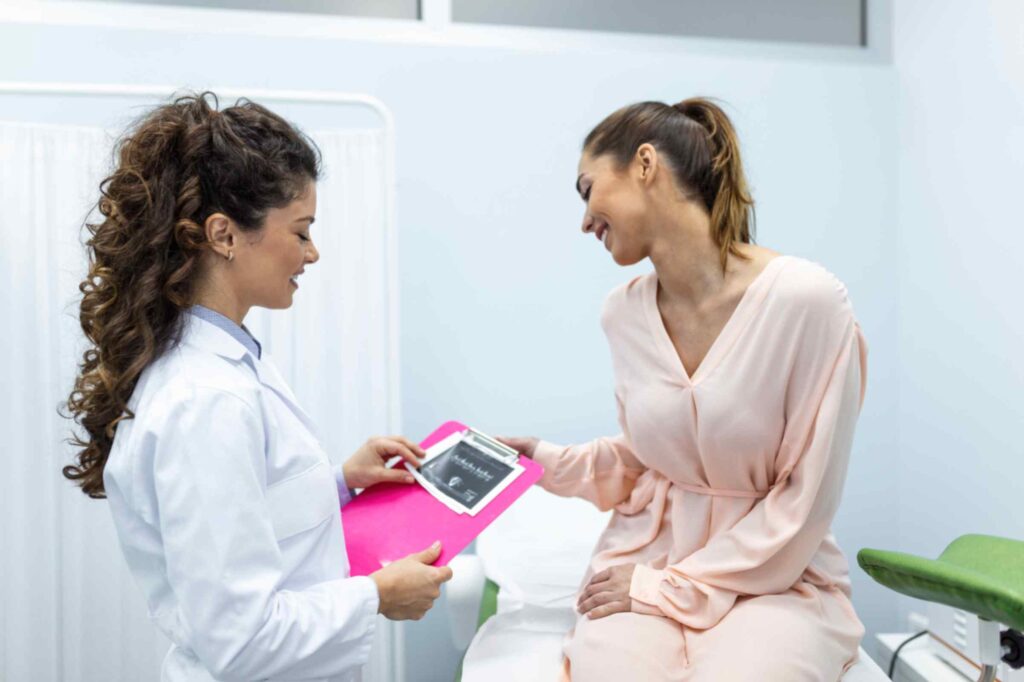
How long does it take to recover after giving birth? While the acute phase of postnatal recovery typically lasts six to eight weeks, the complete physiological return to a pre-pregnancy state can take six months to a year. Recovery is divided into three clinical stages: the acute phase (first 24 hours), the subacute phase (weeks 2–6), and the delayed phase (up to 12 months).
The primary clinical milestones include:
- Involution: The uterus returning to its pre-pregnancy size.
- Lochia: The shedding of the uterine lining (postpartum bleeding).
- Hormonal Rebalancing: The drop in estrogen and progesterone and the rise in prolactin.
- Pelvic Floor Healing: The restoration of muscular tone and tissue integrity.
The Stages of Healing: A Weekly Breakdown
The First 24–72 Hours (The Acute Phase)
Immediately after delivery, the primary focus is on preventing hemorrhage and ensuring uterine firmness. You will experience “afterpains”—contractions that help the uterus shrink. In Vizag clinics, specialists monitor for excessive bleeding and ensure the initiation of lactation is proceeding correctly.
Weeks 1–2: Initial Wound Healing
During this period, lochia changes from bright red to a pinkish-brown (lochia serosa). If you had an episiotomy or a C-section, the incision sites begin to knit together. It is clinically vital to avoid heavy lifting during this stage to prevent dehiscence or increased pelvic pressure.
Weeks 4–6: The Subacute Phase
By the end of the sixth week, the uterus has mostly returned to its original size. Postpartum bleeding usually tapers off into a yellowish-white discharge (lochia alba). Most women have their six-week postnatal checkup during this time, where a gynaecologist evaluates physical healing and discusses contraception and mental health.
Months 3–12: Long-Term Restoration
This delayed phase focuses on abdominal wall restoration (addressing diastasis recti) and emotional stabilization. Hormonal levels continue to fluctuate, especially if breastfeeding, which can impact bone density and vaginal tissue health.
Key Insights: Practical Guidance for Postpartum Care
To optimize healing in the Vizag metropolitan area, follow these clinical practices:
- Prioritize Pelvic Floor Health: Begin gentle pelvic floor exercises (Kegels) once cleared by your specialist to prevent future urinary incontinence.
- Nutritional Density: Focus on high-protein, fiber-rich foods and maintain iron supplementation to replenish stores lost during delivery.
- Incision Care: Keep C-section or episiotomy sites clean and dry. Avoid topical creams unless specifically prescribed by your doctor.
- Monitor Mental Health: Differentiate between the “baby blues” (transient) and postpartum depression (persistent), which requires clinical treatment.
When to Seek Medical Help
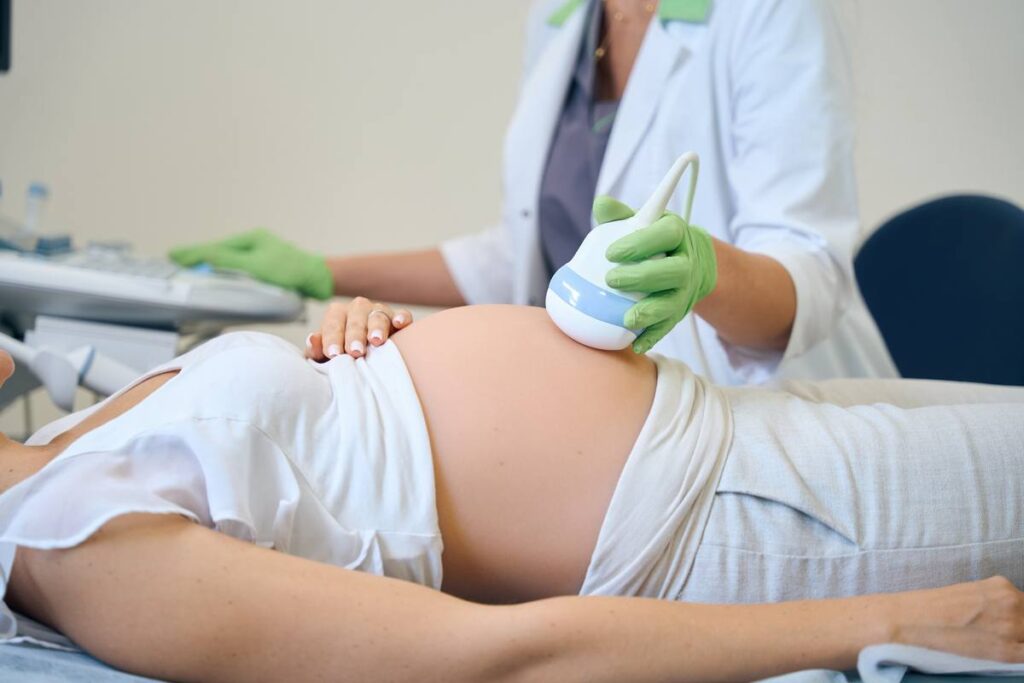
Postnatal complications can arise even after an uncomplicated delivery. Seek immediate help if you experience:
- Postpartum Hemorrhage: Soaking through a sanitary pad in less than an hour or passing large clots.
- Signs of Infection: Fever over 100.4°F, foul-smelling discharge, or redness/pus at an incision site.
- Preeclampsia Post-Birth: Sudden severe headaches, blurred vision, or swelling in the face.
- Leg Pain or Swelling: Specifically in one calf, which may indicate a Deep Vein Thrombosis (DVT).
- Severe Mood Disturbances: Thoughts of harming yourself or the baby.
3. Madhurawada Women’s Healthcare
People in Visakhapatnam seeking women’s healthcare often consult qualified specialists to ensure their postpartum journey is clinically monitored. Clinics in areas such as Madhurawada, MVP Colony, and Dwaraka Nagar provide access to diagnosis and treatment for postnatal complications and lactation support. Facilities like Vedanta Speciality Clinics are among those offering structured care for such conditions, providing Vizag mothers with the comprehensive medical oversight required during the critical fourth trimester.
4. FAQ SECTION
How long does postpartum bleeding (lochia) typically last?
Postpartum bleeding generally lasts for four to six weeks. It starts as a heavy red flow, transitions to pinkish-brown after a week, and eventually turns into a thin white or yellowish discharge. If bleeding increases suddenly after tapering off, it may indicate overexertion or a clinical issue.
When is it safe to resume exercise after birth?
For an uncomplicated vaginal birth, light walking can start within days, but strenuous exercise should wait until the 6-week clearance. After a C-section, the timeline is more conservative, often requiring 8 to 12 weeks before abdominal exercises or heavy lifting can be safely resumed.
What is the “six-week checkup” and why is it important?
The six-week checkup is a clinical assessment where your specialist evaluates uterine involution, the healing of any incisions, and pelvic floor strength. It is also a critical time to screen for postpartum depression and discuss safe contraceptive options for the breastfeeding period.
Why am I losing hair three months after delivery?
This is known as “telogen effluvium.” During pregnancy, high estrogen levels prevent hair from falling out. Once those levels drop postpartum, the hair enters the shedding phase all at once. This is typically temporary and usually stabilizes by the baby’s first birthday.
Is it normal to have night sweats after giving birth?
Yes, postpartum night sweats are a common clinical occurrence caused by the body’s effort to shed excess pregnancy fluids and the significant drop in estrogen and progesterone. They are most intense in the first two weeks and gradually subside as hormones stabilize.
When will my menstrual cycle return after birth?
The timeline varies. If you are not breastfeeding, your period may return in 6 to 8 weeks. If you are exclusively breastfeeding, the hormone prolactin can suppress ovulation, delaying your period for several months or even until you stop nursing.

5. CONCLUSION
Navigating the postnatal recovery timeline explained above ensures that the transition to motherhood is supported by clinical awareness. While the body possesses an incredible capacity for healing, the stages of recovery require patience, proper nutrition, and medical vigilance. Addressing physical and emotional changes during the first year postpartum is vital for long-term maternal health. Seeking guidance from an experienced women’s healthcare specialist can help ensure proper diagnosis and personalized care.

Leave a Comment