
Table of Contents
How Do I Avoid Getting PCOS? A Complete Preventive Health Guide
If you have been asking yourself, “how do I avoid getting PCOS,” you are already taking a positive and proactive step toward your long-term reproductive health. Polycystic Ovary Syndrome (PCOS) is one of the most common hormonal disorders affecting women today, but understanding your body can help you take control.
While genetics play a role, you can significantly lower your risk or prevent the onset of severe symptoms by focusing on insulin sensitivity, balanced nutrition, regular physical activity, and stress management. Taking small, consistent steps today helps safeguard your hormonal harmony for tomorrow.
What Is PCOS?
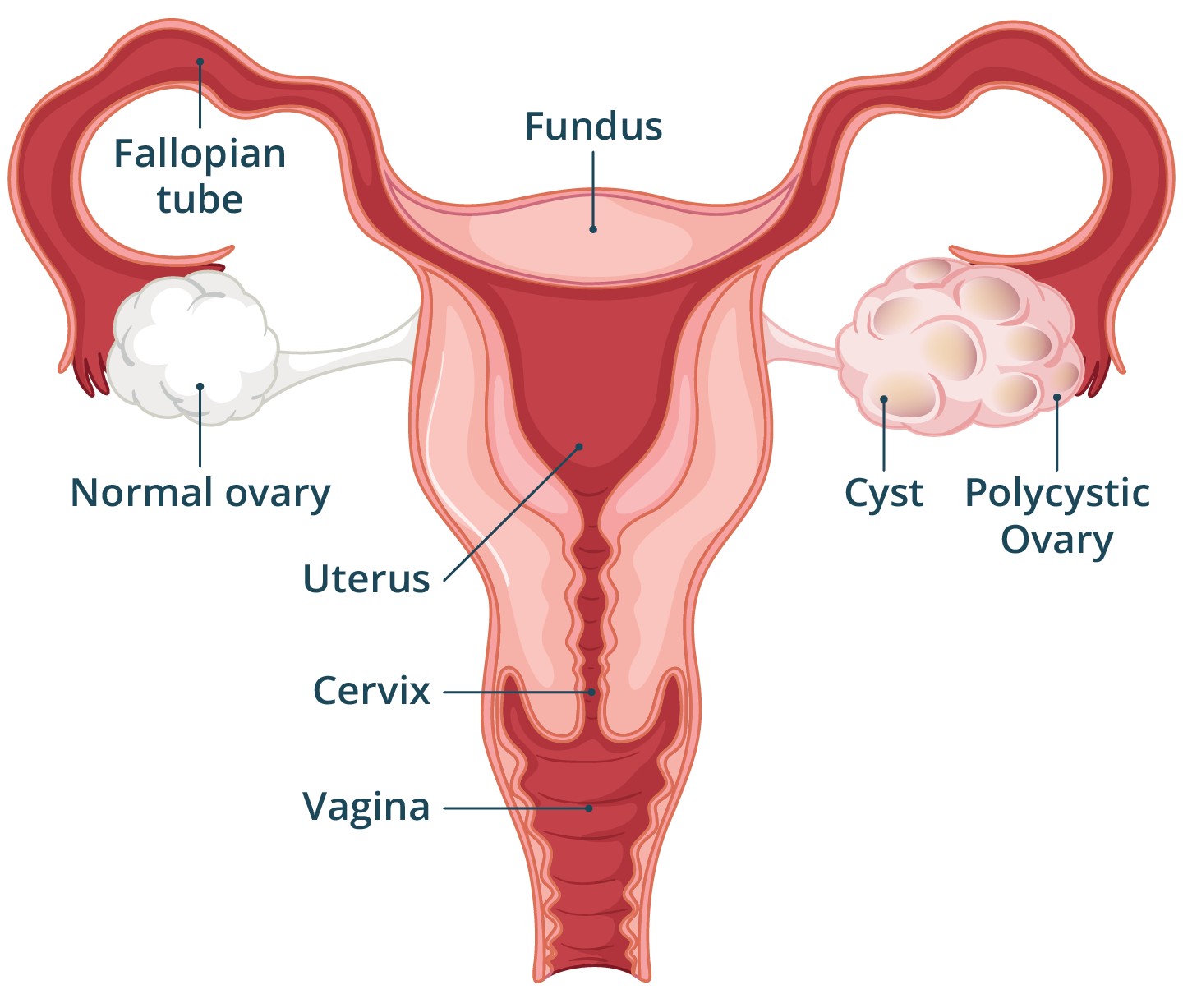
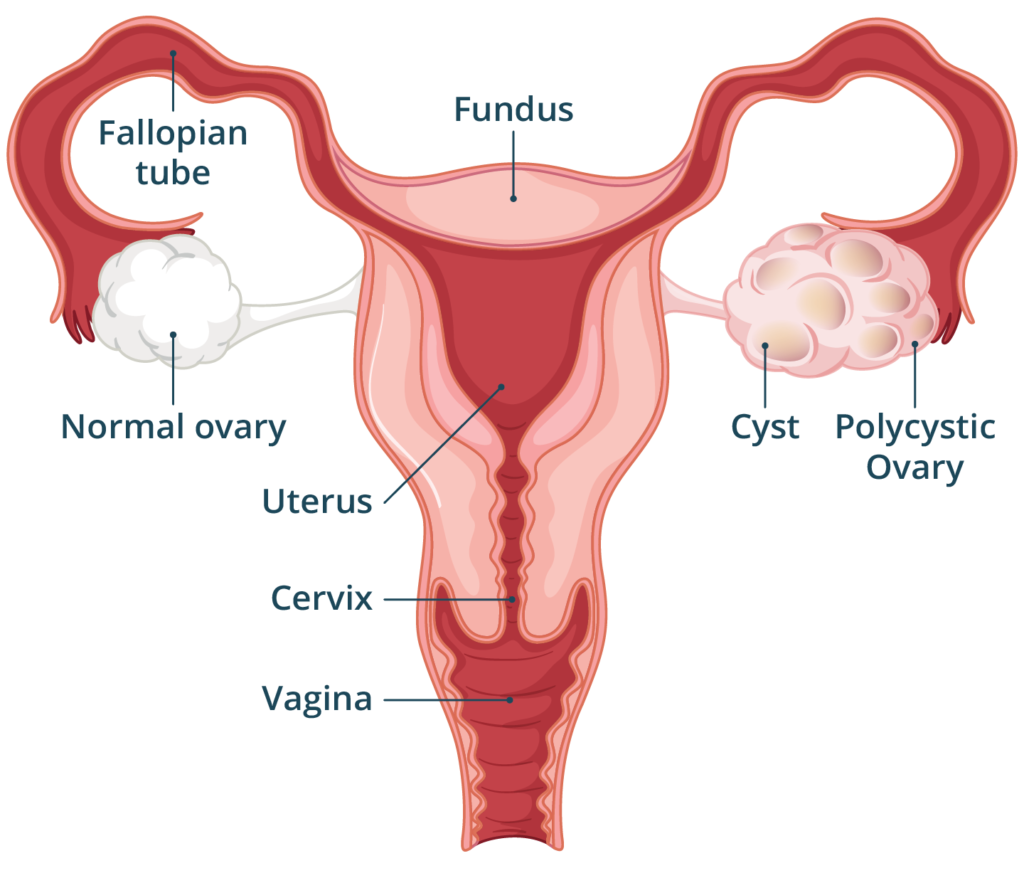
PCOS Definition: Polycystic Ovary Syndrome (PCOS) is a multifaceted endocrine and metabolic condition characterized by hormonal imbalances, irregular menstrual cycles, elevated levels of androgens (male hormones), and the presence of small, fluid-filled follicles on the ovaries. It fundamentally impacts ovulation, metabolic health, and emotional well-being.
Understanding this condition is the first step toward managing it effectively. Rather than viewing it as an inevitable outcome, it helps to see it as a signal from your metabolic system that requires gentle, daily support.
How Common Is PCOS Among Indian Women?
PCOS has become increasingly prevalent across India, particularly among young adults and urban professionals. According to regional research studies and data from the Federation of Obstetric & Gynaecological Societies of India (FOGSI), approximately 1 in 5 Indian women of reproductive age suffers from PCOS.
In rapidly growing coastal cities like Visakhapatnam, shifting daily habits, sedentary desk jobs, and altered dietary patterns have contributed to a rise in metabolic imbalances. Knowing that millions of women share this journey helps remove the stigma and encourages open, supportive conversations about health.
Common Signs and Symptoms of PCOS
PCOS affects every woman differently. While one person might notice changes in her skin, another might experience disruptions in her monthly cycle. Recognizing early indicators allows for timely guidance from a women’s health specialist.
Here are the signs you may notice if your hormones are becoming imbalanced:
- Irregular Menstrual Cycles: Infrequent, prolonged, or completely skipped periods during your 20s or 30s.
- Unexplained Weight Shifts: Sudden weight gain or significant difficulty losing weight, particularly around the midsection.
- Skin and Hair Changes: Persistent acne along the jawline, excessive facial or body hair growth (hirsutism), or thinning scalp hair.
- Darkened Skin Patches: Velvety, darkened skin folds around the neck, groin, or underarms (acanthosis nigricans), which often points to underlying insulin resistance.
- Mood Fluctuations: Heightened anxiety, fatigue, brain fog, or sudden mood changes without a clear trigger.
Root Causes and Contributing Factors
To answer “how do I avoid getting PCOS,” it is essential to look at the underlying drivers behind the condition. While inherited traits set a baseline, everyday environmental and lifestyle factors often act as the triggers.
| Contributing Factor | Biological Mechanism | Impact on Your Body |
| Insulin Resistance | Cells stop responding effectively to insulin, prompting the pancreas to produce more. | Excess insulin stimulates the ovaries to overproduce testosterone, disrupting ovulation. |
| Chronic Inflammation | Low-grade systemic inflammation damages tissue signals and metabolic pathways. | Promotes androgen production and contributes to metabolic fatigue. |
| Genetic Factors | A family history of irregular cycles, diabetes, or metabolic disorders. | Increases baseline susceptibility, making lifestyle safeguards more important. |
| Elevated Stress (Cortisol) | Prolonged mental or physical stress keeps the adrenal glands in overdrive. | Disrupts the brain-ovary signaling axis (HPO axis), delaying normal monthly cycles. |
Actionable Steps to Help Prevent PCOS Naturally
Preventing or managing PCOS centers on keeping your blood sugar stable and maintaining hormonal balance. Here are evidence-based, practical habits you can introduce into your daily routine:
- Prioritize Whole, Unprocessed Foods: Shift toward complex carbohydrates like millets (ragi, jowar), brown rice, legumes, and fresh vegetables. These slow-digesting foods prevent sharp blood sugar spikes.
- Pair Carbs with Protein and Healthy Fats: Always combine rice or roti with dal, paneer, eggs, or fish. Healthy fats from nuts and seeds stabilize insulin release.
- Engage in Regular Physical Movement: Incorporate 30 minutes of moderate exercise—such as brisk walking, swimming, or strength training—5 days a week. Physical activity directly improves cell insulin sensitivity.
- Protect Your Sleep Window: Aim for 7 to 8 hours of restful sleep every night. Chronic sleep deprivation elevates cortisol and impairs insulin regulation the following day.
- Reduce Exposure to Endocrine Disruptors: Minimize the use of single-use plastics for hot food storage and switch to stainless steel or glass containers to protect your hormonal health.

How Is PCOS Diagnosed?
If you suspect your hormones are shifting, consulting a qualified lady gynecologist is the best step forward. Medical specialists utilize standard clinical guidelines—such as the Rotterdam Criteria—to ensure an accurate diagnosis.
A typical evaluation is thorough, comfortable, and reassuring. It generally involves:
- Detailed Medical History: A discussion about your menstrual patterns, family health history, dietary habits, and stress levels.
- Hormonal Blood Panels: Evaluating levels of thyroid hormones (TSH), prolactin, fasting insulin, blood glucose, and free testosterone.
- Pelvic Ultrasound: An imaging scan to observe the physical structure of your ovaries and measure the endometrial lining thickness.
Understanding Treatment and Management Options
There is no one-size-fits-all solution for PCOS, but medical management has advanced significantly. A gynecologist may recommend personalized strategies tailored to your specific symptoms and life goals.
Depending on your evaluation, management may focus on lifestyle counseling, metabolic support, or gentle cycle regulation. For women planning a pregnancy, targeted ovulation-support treatments are available. Partnering with a compassionate lady doctor ensures your care plan fits comfortably into your daily lifestyle.
When Should You See a Doctor?
While preventative lifestyle habits are powerful, expert medical guidance ensures you stay on the right track without guesswork. You should consider scheduling a visit if you experience persistent menstrual irregularities, sudden changes in skin texture, or difficulty managing your weight despite healthy habits.
If you recognise several of these symptoms in yourself, speaking to a qualified gynaecologist is the most important next step. Dr. Devani Chalamuri at Vedanta Speciality Clinics in Madhurawada, Vizag specialises in PCOS management and offers compassionate, evidence-based care for women across Visakhapatnam.
Frequently Asked Questions
Is it normal to have irregular periods in my 20s?
While occasional cycle variations due to temporary stress or travel can happen, consistently irregular periods (less than 21 days or more than 35 days apart) are not normal. It is always wise to have an evaluation by an obstetrician in Vizag to rule out underlying hormonal imbalances early.
Which doctor should I see for PCOS in Vizag?
You should consult an experienced gynecologist or women’s health specialist. Dr. Devani Chalamuri at Vedanta Speciality Clinics in Madhurawada provides expert, empathetic care tailored specifically for women managing PCOS and related metabolic concerns.
Can thin women also develop PCOS?
Yes. This is often referred to as “Lean PCOS.” While weight gain is a common feature for many, lean women can still experience insulin resistance, elevated androgen levels, and irregular ovulation due to genetic predisposition or stress.
How early can a girl be screened for PCOS?
Screening can begin during adolescence if a young girl experiences severe acne, unusual hair growth, or persistent menstrual irregularity two to three years after her first period (menarche).
Can PCOS cause permanent infertility?
No, PCOS does not cause permanent infertility. It is a leading cause of treatable subfertility because it affects ovulation frequency. With lifestyle adjustments and appropriate medical guidance, the vast majority of women with PCOS conceive successfully.
Can I prevent PCOS if it runs in my family?
While you cannot alter your genetic background, adopting a nutrient-dense diet, staying physically active, and maintaining insulin sensitivity can often prevent or significantly delay the condition from manifesting symptoms.
What is the cost of a gynecologist consultation in Visakhapatnam?
Consultation fees across Visakhapatnam typically range between ₹500 and ₹1,000 depending on the specialist’s experience and the clinical facility. Investing in early evaluation helps prevent costly long-term complications.
Can I get comprehensive women’s health care in Madhurawada?
Yes, women in and around Madhurawada can access advanced gynecological consultations, preventive health screenings, and PCOS management locally at Vedanta Speciality Clinics.
Empowering Your Health Journey
Asking “how do I avoid getting PCOS” is the beginning of a lifelong commitment to listening to your body. Remember that your health is not defined by a single symptom or test result. By nourishing your body with whole foods, staying active, and prioritizing rest, you build a resilient foundation for long-term hormonal wellness.
If you are experiencing any of these symptoms or simply want to assess your hormonal health, Dr. Devani Chalamuri at Vedanta Speciality Clinics, Madhurawada, Vizag is available for a compassionate, personalized consultation.


Leave a Comment