
Table of Contents
How Do You Relieve Period Pain? Remedies & Clinical Solutions
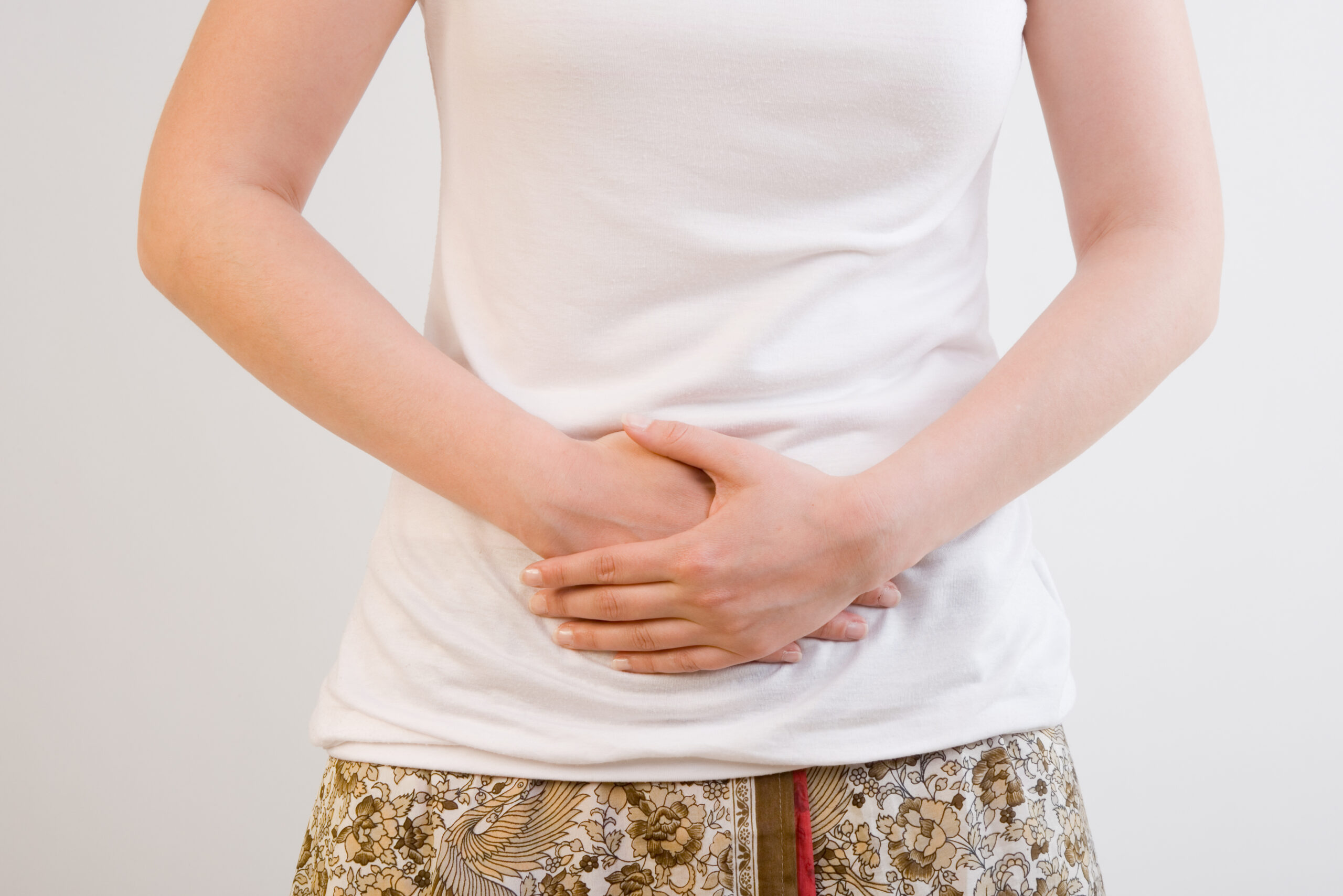
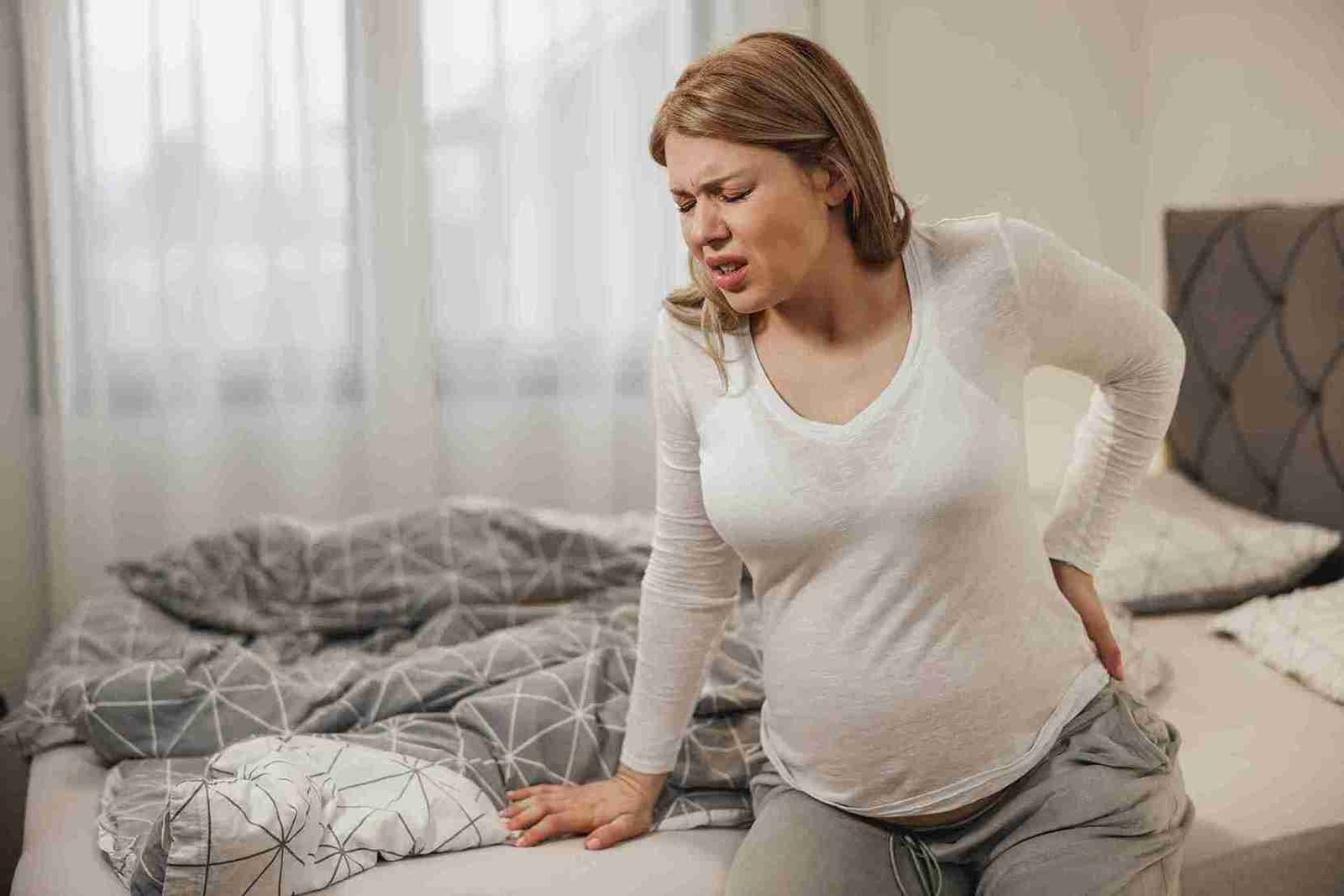
Every month, millions of women quietly pause their busy lives to contend with the familiar, throbbing ache of menstrual cramps. If you find yourself curling up with a hot water bag and searching for how do you relieve period pain, please know that you are far from alone. Menstrual discomfort is one of the most common physical experiences in a woman’s life, yet so many women are taught to silently tolerate it.
Whether your cramps present as a dull, constant backache or sharp pelvic twinges on day one, finding safe and reliable relief can completely transform your monthly routine. Understanding why period pain happens empowers you to choose remedies that actually work with your body’s natural biology rather than against it.
While mild cramping is a natural part of uterine shedding, severe or debilitating pain is not something you simply have to “live with.” From warm home care practices and dietary tweaks to gentle clinical evaluations, there are numerous effective ways to reclaim your comfort and peace of mind during your cycle.
What Is Period Pain (Dysmenorrhea)?
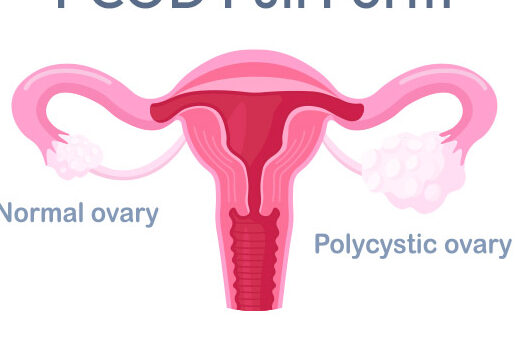
Period pain, clinically termed dysmenorrhea, refers to painful cramping in the lower abdomen and pelvis occurring right before or during menstruation. Driven by hormone-like chemicals called prostaglandins that trigger uterine muscle contractions, it is classified as either primary (standard hormonal contractions) or secondary (linked to underlying gynaecological conditions like endometriosis or fibroids).
How Common Is Period Pain Among Indian Women?
If you feel like period pain frequently disrupts your productivity or personal time, statistics confirm just how widespread this issue really is.
According to research published in Indian healthcare journals and supported by guidelines from the Federation of Obstetric and Gynaecological Societies of India (FOGSI), over 70% to 80% of young Indian women experience menstrual pain during their reproductive years.
Prevalence of Menstrual Discomfort Levels in Indian Women
[█████████████████████████████████████████] ~45% Mild to Moderate Cramping (Managed with heat/rest)
[████████████████████████████████░░░░░░░░░] ~30% Severe Cramping (Requires pain medication or bed rest)
[████████████████████████░░░░░░░░░░░░░░░░░] ~15% Secondary Dysmenorrhea (Linked to PCOS, Endometriosis, or Fibroids)
[████████████████░░░░░░░░░░░░░░░░░░░░░░░░░] ~10% Minimal to No Discomfort
In coastal urban hubs like Visakhapatnam, high-stress lifestyle demands, long study hours, and desk jobs can sometimes intensify pelvic muscle tension. Consulting a supportive women’s health specialist Visakhapatnam helps normalise open conversations about menstrual care while offering clear, personalized paths to relief.
Signs and Symptoms You May Notice
While abdominal tight cramps are the primary feature of period discomfort, prostaglandins enter the bloodstream and affect surrounding organs as well. You may notice:
┌─────────────────────────────────────────────────────────────────────────────┐
│                      COMMON MENSTRUAL PAIN SYMPTOMS                         │
├──────────────────┬───────────────────────────┬──────────────────────────────┤
│ Symptom Type     │ What You May Notice       │ Physiological Cause          │
├──────────────────┼───────────────────────────┼──────────────────────────────┤
│ Pelvic & Belly   │ Throbbing or tight spasms │ Uterine smooth muscle        │
│ Discomfort       │ in the lower abdomen      │ contractions shedding lining │
├──────────────────┼───────────────────────────┼──────────────────────────────┤
│ Radiating Body   │ Dull ache in lower back,  │ Shared nerve pathways across │
│ Aches            │ hips, and upper thighs    │ the sacral spinal network    │
├──────────────────┼───────────────────────────┼──────────────────────────────┤
│ Digestive System │ Nausea, loose stools, or  │ Prostaglandins stimulating   │
│ Changes          │ abdominal bloating        │ bowel muscle motility        │
├──────────────────┼───────────────────────────┼──────────────────────────────┤
│ General Systemic │ Headaches, mild dizziness,│ Hormonal fluctuations and    │
│ Signals          │ or fatigue                │ temporary fluid shifts       │
└──────────────────┴───────────────────────────┴──────────────────────────────┘
- Lower Abdominal Spasms: Intense, rhythmic tight sensations in your lower belly starting 12 to 24 hours before your flow begins.
- Lower Back and Thigh Pain: A heavy, aching feeling radiating down into your lower back muscles and upper thighs.
- Digestive Upset: Queasiness, mild nausea, or loose bowel movements during the first two days of your cycle.
- General Fatigue and Restlessness: Feeling physical exhaustion alongside difficulty finding a comfortable sitting or sleeping position.
Practical Guide: How Do You Relieve Period Pain Step-by-Step?
When menstrual cramps strike, having a clear action plan makes a huge difference. Here is a step-by-step guide to easing your discomfort:
                      ┌────────────────────────────────────────┐
                      │    PERIOD PAIN RELIEF STRATEGIES       │
                      └───────────────────┬────────────────────┘
                                          │
         ┌───────────────────┬────────────┴────────────┬───────────────────┐
         ▼                   ▼                         ▼                   ▼
┌─────────────────┐ ┌─────────────────┐       ┌─────────────────┐ ┌─────────────────┐
│ Target Heat     │ │ Dietary & Herbal│       │ Gentle Physical │ │ Clinical &      │
│ Therapy         │ │ Hydration       │       │ Movement        │ │ Medical Care    │
│ Hot water bag,  │ │ Ginger tea,     │       │ Child's pose,   │ │ Anti-prostagland│
│ warm showers    │ │ warm fluids     │       │ light walks     │ │ OTCs, evaluation│
└─────────────────┘ └─────────────────┘       └─────────────────┘ └─────────────────┘
1. Apply Direct Heat to Your Abdomen
Heat is one of the most effective, clinically supported natural remedies for uterine cramps.
- How it works: Applying a hot water bag, heating pad, or warm compress relaxes contracting uterine muscles and boosts local blood flow.
- How to do it: Place a warm bottle wrapped in a thin towel on your lower belly for 15 to 20 minutes while lying down comfortably. Taking a warm bath or shower also offers great relief.
2. Sip Soothing Warm Beverages
Staying hydrated with warm liquids helps reduce fluid retention and calms uterine spasms.
- Ginger & Tulsi Tea: Freshly crushed ginger boiled in water with a few tulsi leaves acts as a natural anti-inflammatory agent.
- Warm Ajwain (Carom Seed) Water: Boil half a teaspoon of ajwain seeds in water, strain, and sip slowly. Ajwain has long been valued in Indian homes for reducing pelvic heaviness and gas.
- Chamomile Tea: Known for its mild muscle-relaxing properties, chamomile tea helps ease nervous tension and supports restful sleep.
3. Practice Gentle Yoga and Stretching
While vigorous workouts are the last thing you want during severe cramps, light stretching relaxes tight pelvic floor muscles.
- Child’s Pose (Balasana): Rest your knees on a soft mat, fold forward with arms extended, and breathe deeply into your lower back.
- Cat-Cow Stretch (Marjaryasana-Bitilasana): Gently arching and rounding your spine on all fours mobilizes the lumbar spine and pelvis.
- Reclined Bound Angle (Supta Baddha Konasana): Lying on your back with soles of your feet together opens the hips and reduces groin tension.
4. Adjust Your Daily Diet During Your Cycle
- Increase Magnesium and Omega-3s: Foods like pumpkin seeds, almonds, leafy green vegetables, and walnuts support muscle relaxation.
- Minimize Salt and Refined Sugars: Excess sodium worsens abdominal bloating, while refined sugars can spark inflammatory spikes that make cramps feel sharper.
- Avoid Excess Caffeine and Cold Drinks: Highly caffeinated coffee or icy drinks can constrict blood vessels, potentially intensifying pelvic cramps.
Causes and Contributing Factors
Understanding why cramps occur helps distinguish normal hormonal reactions from underlying health issues:
┌─────────────────────────────────────────────────────────────────────────────┐
│                 PRIMARY VS. SECONDARY DYSMENORRHEA CAUSES                   │
├───────────────────┬───────────────────────────┬─────────────────────────────┤
│ Category          │ Underlying Cause          │ Key Clinical Features       │
├───────────────────┼───────────────────────────┼─────────────────────────────┤
│ Primary           │ Elevated prostaglandin    │ Starts during adolescence;  │
│ Dysmenorrhea      │ levels during shedding    │ lasts 12–72 hours per cycle │
├───────────────────┼───────────────────────────┼─────────────────────────────┤
│ Secondary:        │ Tissue similar to uterine │ Severe pain extending       │
│ Endometriosis     │ lining grows outside      │ beyond cycle; pain during   │
│                   │ the uterus                │ intercourse or bowel movements│
├───────────────────┼───────────────────────────┼─────────────────────────────┤
│ Secondary:        │ Endometrial tissue grows  │ Deep pelvic pressure; heavy,│
│ Adenomyosis       │ into the muscular wall    │ prolonged bleeding          │
├───────────────────┼───────────────────────────┼─────────────────────────────┤
│ Secondary:        │ Non-cancerous uterine     │ Abdominal heaviness; heavy  │
│ Fibroids          │ muscular growths          │ clots during periods        │
└───────────────────┴───────────────────────────┴─────────────────────────────┘
1. Elevated Prostaglandin Levels
Before your period begins, the lining of your uterus produces high amounts of prostaglandins. These compounds tell the uterine muscles to contract and push out tissue. Higher levels translate directly to sharper, more painful spasms.
2. Endometriosis
Endometriosis occurs when tissue similar to the uterine lining grows outside the uterus—on ovaries, fallopian tubes, or bladder walls. These spots bleed and inflame during your cycle, causing deep pelvic pain.
3. Adenomyosis and Uterine Fibroids
Adenomyosis happens when endometrial lining grows into the muscle layer of the uterus itself, while fibroids are non-cancerous muscular growths. Both conditions make the uterus larger, leading to heavy bleeding and intense pressure.
4. Lifestyle Factors and Stress
Chronic stress boosts cortisol, which can disrupt your delicate hormonal balance. High stress levels combined with poor sleep or a lack of physical rest can lower your pain tolerance during menstruation.
How Is Underlying Period Pain Diagnosed?
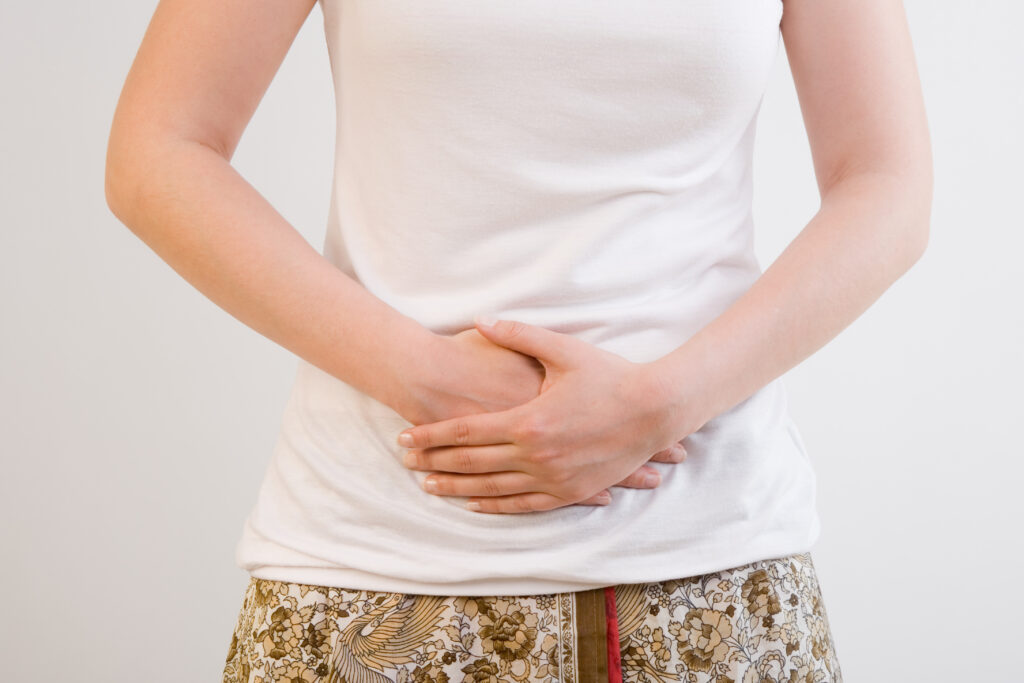
If home remedies do not bring relief, visiting a lady gynecologist provides clarity through a comfortable, step-by-step assessment:
- Detailed Menstrual History: Discussing your cycle length, pain timing, flow heaviness, and how symptoms affect your daily life.
- Pelvic Ultrasound Scan: A safe, non-invasive scan to look at your uterus and ovaries, checking for fibroids, ovarian cysts, or signs of adenomyosis.
- Targeted Hormone Panels: Ordering simple blood tests to check thyroid function, iron levels (to rule out anaemia), or markers for PCOS.
What Are the Medical Treatment Options?
When natural remedies are not enough, a gynaecologist can recommend safe, personalized treatments:
- Anti-Prostaglandin Medications: Short courses of non-steroidal anti-inflammatory drugs (NSAIDs) taken right at the start of your flow prevent prostaglandin production and soothe cramps at the source.
- Hormonal Regulation Options: Low-dose oral contraceptive pills, progesterone supplements, or hormonal IUDs help thin the uterine lining, significantly reducing both bleeding and pain.
- Targeted Care for Underlying Conditions: Tailored therapies specifically designed to address endometriosis, fibroids, or PCOS under expert medical supervision.
When Should You See a Doctor?
While mild cramping on day one of your period is normal, severe pain that takes over your life requires professional care.
┌─────────────────────────────────────────────────────────────────────────────┐
│                          WHEN TO SEEK CLINICAL CARE                         │
├─────────────────────────────────────┬───────────────────────────────────────┤
│ Expected Menstrual Discomfort       │ Signs Needing Clinical Evaluation     │
├─────────────────────────────────────┼───────────────────────────────────────┤
│ • Mild cramps lasting 1 to 2 days   │ • Pain that forces you to stay in bed │
│ • Soothed by heat or light rest     │   or miss work/school                 │
│ • Regular flow with predictable     │ • Cramps requiring high doses of      │
│   cycle timing                      │   painkillers without relief          │
│                                     │ • Pain accompanied by unusually       │
│                                     │   heavy bleeding or large clots       │
│                                     │ • Pain during intercourse or urination│
└─────────────────────────────────────┴───────────────────────────────────────┘
You should schedule a consultation with an experienced obstetrician in Vizag if:
- Your period pain prevents you from attending work, college, or daily activities every month.
- Over-the-counter painkillers offer little to no relief.
- Your pain suddenly becomes much worse or lasts well beyond the first two days of your period.
- You experience heavy menstrual bleeding, passing large blood clots, or spotting between cycles.
- You feel sharp pelvic pain during intercourse, bowel movements, or urination.
If you recognise several of these symptoms in yourself, speaking to a qualified gynaecologist is the most important next step. Dr. Devani Chalamuri at Vedanta Speciality Clinics in Madhurawada, Vizag specialises in gynaecological care and menstrual health, offering compassionate, evidence-based solutions for women across Visakhapatnam.
Frequently Asked Questions
How do you relieve period pain quickly at home?
Applying a heating pad or hot water bag to your lower abdomen, sipping warm ginger or carom seed (ajwain) tea, doing gentle pelvic stretches like Child’s Pose, and staying hydrated are effective ways to soothe cramps quickly.
Is severe period pain normal during every cycle?
Mild to moderate cramping is common, but severe pain that disrupts your work, sleep, or daily routine is not something you have to endure. It may indicate conditions like endometriosis or fibroids and should be evaluated by a gynaecologist.
Which doctor should I see for severe period cramps in Vizag?
You should consult an experienced lady gynecologist and women’s health specialist. Dr. Devani Chalamuri at Vedanta Speciality Clinics in Madhurawada provides evaluation, diagnostic scans, and personalized relief plans across Visakhapatnam.
Can dietary changes reduce menstrual cramp intensity?
Yes, reducing refined sugars, excess salt, and deep-fried foods while increasing magnesium-rich foods (like green leafy vegetables and seeds) and warm fluids helps reduce fluid retention and uterine muscle spasms.
Can I get a gynaecology consultation for period pain in Madhurawada?
Yes, women residing in Madhurawada and nearby Vizag regions can access complete gynaecological consultations, pelvic ultrasounds, and treatment plans locally at Vedanta Speciality Clinics.
Are painkillers safe to take every month for menstrual cramps?
Taking over-the-counter anti-inflammatory medications occasionally under medical guidance is generally safe. However, relying on high doses every month warrants a clinical checkup to address the root cause.
Does PCOS cause severe period pain?
While PCOS primarily causes irregular or absent periods, when menstruation does occur after long intervals, the heavy flow and thick endometrial lining can lead to significant cramping.
When should I see a gynecologist in Vizag for period cramps?
You should schedule a checkup if your cramps require heavy painkiller doses, are accompanied by unusually heavy bleeding, worsen over time, or prevent you from attending school or work.
Taking Control of Your Menstrual Health
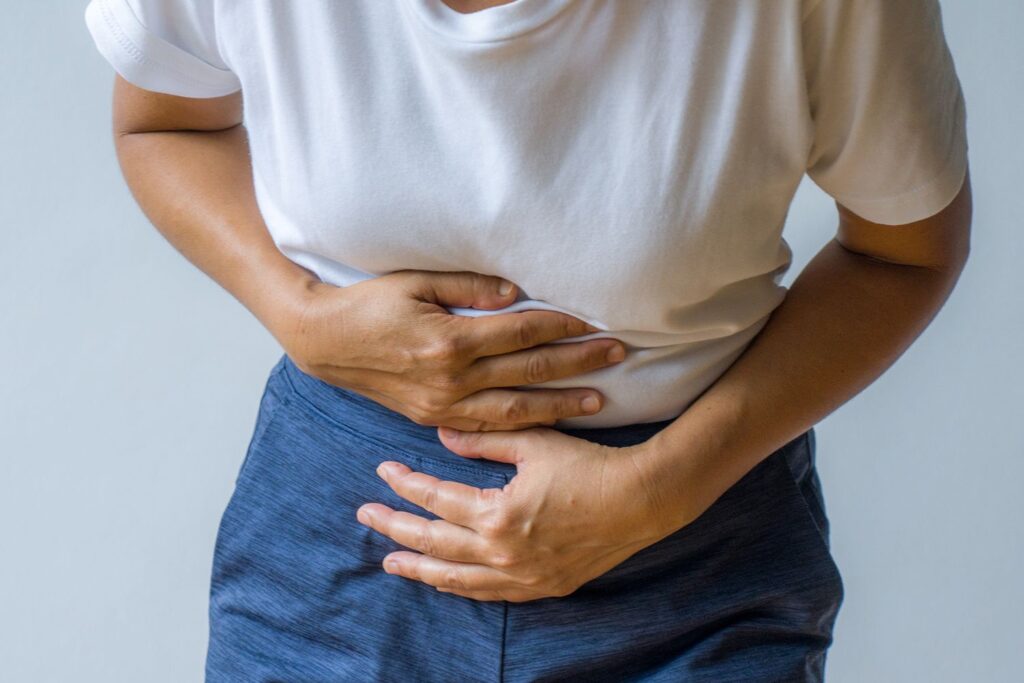
Finding out how do you relieve period pain is about more than just surviving your cycle each month—it is about honoring your body, trusting your instincts, and getting the support you deserve. Period pain is a clear physical signal, and learning to ease it with gentle home remedies and expert medical guidance puts you back in charge of your health.
No woman should feel forced to give up productive days to severe menstrual pain. By combining healthy lifestyle habits with professional care, you can enjoy painless, predictable cycles month after month.
If you are experiencing painful periods or want expert guidance on your menstrual health, Dr. Devani Chalamuri at Vedanta Speciality Clinics, Madhurawada, Vizag is available for a consultation.

Leave a Comment