
Table of Contents
Understanding the Beginnings: How Does Uterine Cancer Start?
Taking a close look at our reproductive wellness can sometimes bring up complex questions, especially when it comes to changes within our bodies. If you have ever wondered about how cellular imbalances develop in the uterus, please know that learning this information is a powerful, reassuring way to take control of your health. Understanding how the body functions helps clear away the unknown and replaces anxiety with proactive confidence.
Uterine cancer starts when healthy cells in the tissues of the uterus develop changes or mutations in their genetic code (DNA). These mutations instruct the cells to grow and divide rapidly, failing to die off when their normal life cycle should naturally end. As these abnormal cells accumulate, they cluster together to form a localized mass or tumor. This process most frequently begins within the cells that make up the inner lining of the womb, which is known as the endometrium.
For women seeking expert reproductive evaluations, lifestyle guidance, or routine preventative screenings across Andhra Pradesh, learning about the root mechanisms of cell growth is a foundational step toward lifelong health.
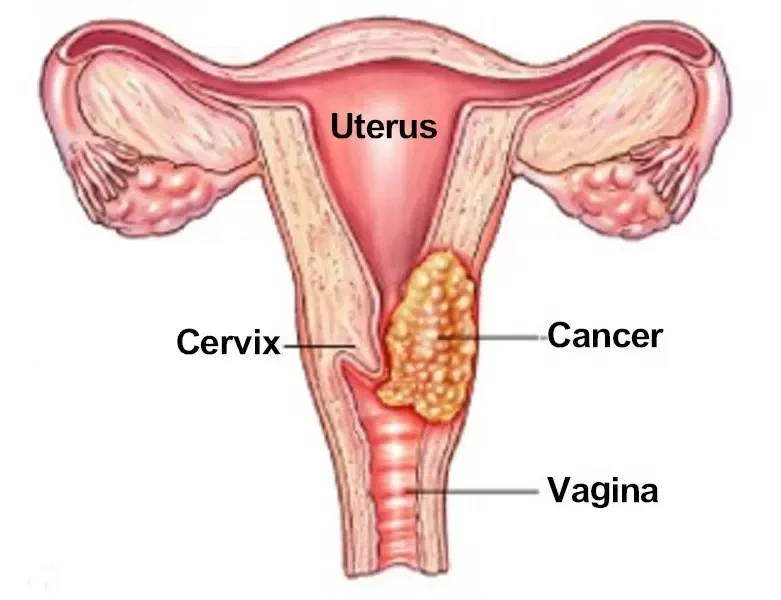
Defining the Genesis of Uterine Tumors
How Uterine Cancer Starts Definition: Uterine cancer starts through a series of cellular anomalies where the DNA inside endometrial or muscular uterine cells mutates, causing uncontrolled tissue growth. The primary driver behind the most common form, endometrial carcinoma, is an imbalance between the body’s natural reproductive hormones, estrogen and progesterone. When excessive estrogen continuously stimulates the inner lining without enough balancing progesterone, cells can replicate incorrectly. This slow, multi-step process can cause a benign condition called hyperplasia to eventually transition into a highly treatable localized cancer.
At a Glance: Where and How the Balance Shifts
| Layer of the Uterus | Type of Tissue Involved | How the Process Begins | Relative Growth Rate |
| Endometrium (Inner Lining) | Glandular epithelial cells | Overstimulation by estrogen causes cells to duplicate rapidly, making the lining grow unusually thick. | Generally develops slowly over a period of several years. |
| Myometrium (Outer Wall) | Smooth muscle tissue | Spontaneous genetic changes occur within the tough muscular layers of the uterine wall. | Can develop more rapidly but occurs in less than 5% of all cases. |
Causes: The Fine Balance of Hormonal Signaling
To understand how uterine changes begin, it helps to picture the monthly menstrual cycle as a finely tuned conversation between two natural messengers: estrogen and progesterone.
- The Estrogen Phase: During the first half of your cycle, estrogen acts like a gentle growth signal, telling the inner lining of the uterus to thicken so it can support a potential pregnancy.
- The Progesterone Phase: After ovulation occurs, the body introduces progesterone. This hormone acts like a wise manager, telling the lining to stop growing and instead focus on maturing and stabilizing.
If a situation arises where estrogen continues to send growth signals without enough progesterone to balance things out, the inner tissue cells keep dividing. Think of it like a lawn that receives continuous watering but is never trimmed—eventually, the overgrowth can lead to cellular copying mistakes.
Symptoms: Early Signs Your Body Wants You to Check In
The most encouraging thing about uterine health is that when these cellular changes start, the body is incredibly good at sending out clear, early warning signs. You should always speak with a medical professional if you notice:
- Unusual Spotting or Bleeding After Menopause: Any amount of pinkish discharge, light spotting, or bleeding that happens after your periods have fully stopped for a year.
- Unpredictable or Exceptionally Heavy Flow: Noticing a sudden, marked increase in your monthly flow or experiencing bleeding between your normal cycles.
- Persistent, Dull Pelvic Pressure: A continuous feeling of fullness, bloating, or heavy aching deep within your lower abdomen that doesn’t disappear with rest.
- Watery or Unusually Smelly Discharge: A constant, thin, or blood-tinged discharge that feels entirely different from your normal physical rhythms.
Risk Factors: Details That Influence Tissue Patterns
Certain habits, traits, and health histories can make the inner lining of the womb more sensitive to estrogen overstimulation. Your medical specialist will often look closely at:
- Metabolic Indicators and Weight: Adipose tissue (body fat) naturally processes and creates extra forms of estrogen. Higher levels of body fat mean a greater amount of this growth messenger is circulating through the body.
- Anovulatory Conditions like PCOS: Conditions such as Polycystic Ovary Syndrome can cause the ovaries to skip ovulation frequently. This means the body misses out on those protective, balancing progesterone resets.
- Age and Natural Life Transitions: As women move through perimenopause and into menopause, the natural ratios between hormones shift, which can sometimes allow underlying cellular changes to surface.

Diagnosis: Mapping Out the Inner Landscape
If you or your provider notice an unusual symptom, modern healthcare uses a highly structured, gentle testing process to see exactly what is happening inside the uterus:
- A Caring, Detail-Focused Consultation: Your doctor will listen to your symptoms, map out your cycle history, and look at your family’s background.
- High-Resolution Transvaginal Ultrasound: A gentle ultrasound probe is used to measure the thickness of your inner lining and check for structural irregularities.
- Gentle, In-Office Endometrial Biopsy: A very thin, flexible tube is used to gather a tiny sample of cells from the lining, taking only a few minutes.
- Detailed Microscopic Analysis: A specialized medical laboratory reviews the tissue sample under a microscope to check for any irregular cell shapes.
Treatment Options: Reclaiming Comfort and Strength
Because early changes are usually discovered right when they start, the treatment paths are incredibly effective, empowering, and focused on complete recovery:
1. Protective, Definitive Surgical Care
For the vast majority of early-stage uterine changes, a total hysterectomy (safely removing the uterus, cervix, fallopian tubes, and ovaries) is the most successful step. Today, this is frequently done through tiny, minimally invasive keyhole incisions, which mean very little physical discomfort and a fast return to your favorite daily activities.
2. Tailored Hormonal and Preventative Therapies
If an individual is quite young and wishes to protect her ability to carry a pregnancy, or if the cells require a gentle reset, doctors can use advanced progesterone treatments. This medication can help calm cell growth naturally, allowing for personalized, long-term options.
Lifestyle Management: Nurturing Tissue Balance at Home
While clinical screenings provide an excellent safety net, the everyday choices you make can support your metabolic health and hormone balance beautifully:
- Prioritize Balanced, Colorful Whole Foods: Fill your meals with plenty of green vegetables, fiber-rich grains, and healthy fats like olive oil, which naturally help your liver process and balance hormone levels.
- Engage in Gentle, Consistent Body Movement: Enjoying low-impact exercises like swimming, brisk walking, or yoga helps your body maintain a healthy weight and keeps your insulin levels steady.
- Build Routine Restful Habits: Getting enough deep sleep each night helps your endocrine system stay balanced, which keeps your natural hormone cycles running smoothly.
Stepping away from a busy routine to enjoy a refreshing, calm evening stroll near the coast in Vizag or taking a quiet, peaceful weekend break among the green spaces of Madhurawada are beautiful ways to lower stress and nurture your physical well-being.
Myth vs. Fact: Uncovering the Real Science
Let’s clear up a few common misunderstandings about how uterine cancer starts so you can navigate your wellness path with real confidence.
- Myth:Uterine cancer starts rapidly and without any noticeable warning signs.
- Fact: Uterine cancer actually starts as a slow, gradual process that takes years to develop. It also sends out very early, clear signs like unexpected spotting, making it highly treatable.
- Myth:Using birth control pills can increase the risk of uterine cancer starting.
- Fact: Combined oral contraceptive pills provide a steady balance of both estrogen and progesterone. Because of this, studies show they actually lower the risk of uterine overgrowth.
- Myth:Uterine cancer only starts in women who have a family history of reproductive cancers.
- Fact: While genetics can play a small role, most uterine cell shifts happen spontaneously due to lifestyle factors, hormonal imbalances, and normal aging.
When Should You Consult a Doctor?
Staying tuned into your body’s unique language is a wonderful form of self-care. It is a good idea to schedule an in-depth clinical checkup if:
- You experience any form of light spotting, pink discharge, or bleeding after your periods have completely stopped for menopause.
- Your monthly periods suddenly become exceptionally heavy, last longer than usual, or cause pain.
- You notice frequent bleeding or unusual spotting in the middle of your cycle, between periods.
- You have been managing long-term ovulatory issues like PCOS and want to check your metabolic health and lining thickness.
- You want to partner with an experienced team for proactive, routine preventative gynecological checks.
Summary: Moving Forward with Knowledge and Peace
Discovering how uterine cancer starts shows us just how important early awareness and hormonal balance truly are. By paying close attention to your body’s signals, maintaining gentle and healthy daily habits, and prioritizing regular checkups, you can protect your reproductive wellness beautifully.
If you would like to arrange a thorough, comforting pelvic assessment near Visakhapatnam or are looking for expert advice on balancing your hormones within Andhra Pradesh, collaborating with a dedicated medical specialist ensures your body receives the personalized, precise care it deserves. Taking a small, proactive step for your health today brings immense comfort for a happy, vibrant tomorrow.

Frequently Asked Questions
1. Are advanced screening tools for tracking endometrial lining thickness available in Vizag?
Yes, absolutely. A complete range of modern women’s diagnostic services—including high-resolution transvaginal sonography, painless in-office lining biopsies, and advanced hysteroscopy—is fully available across central Vizag and Madhurawada.
2. Can long-term insulin resistance trigger abnormal changes in the uterus?
Yes, it can play a role. Higher insulin levels can cause the ovaries to produce more estrogen while lowering the proteins that bind hormones in the blood. This can leave the inner uterine lining more exposed to constant growth signals.
3. What is the difference between endometrial hyperplasia and uterine cancer?
Endometrial hyperplasia is a benign condition where the inner lining of the uterus simply grows too thick due to an excess of estrogen. While it is not cancer, if the cells begin to look irregular, it can sometimes transition into cancer over time if left untreated.
4. How long does it generally take for a uterine cellular change to develop?
Uterine cell changes are usually a slow process that takes several years to develop. This extended timeline gives you and your medical team a fantastic window of opportunity to catch and resolve issues early.
5. Does a history of never being pregnant affect how uterine cancer starts?
Pregnancy brings a long period of high progesterone levels, which naturally gives the inner lining of the uterus a resting break from estrogen. Without this break, the lining experiences more continuous estrogen exposure over a lifetime.
6. Can an everyday transvaginal ultrasound catch early changes in the uterine lining?
Yes, it is a fantastic tool. An ultrasound allows a specialist to measure the exact thickness of your endometrial lining down to the millimeter, helping them see if a simple follow-up check is needed.
7. How do everyday stress levels influence our reproductive hormone balance?
High, prolonged stress causes the body to produce more cortisol, which can disrupt the delicate communication between your brain and your ovaries. This can lead to skipped periods and uneven progesterone levels.
8. What should I expect during a routine diagnostic endometrial biopsy?
The procedure is very quick and usually takes less than five minutes during a regular clinic visit. A specialist uses a tiny, flexible tube to gently collect a few cells from the lining, which might cause a brief, mild cramping sensation.




Leave a Comment