

Table of Contents
What Should You See a Gynecologist For? A Complete Guide to Women’s Health
Taking control of your reproductive health is one of the most empowering steps you can take for your overall well-being. However, many women find themselves wondering exactly what should you see a gynecologist for beyond standard pregnancy care or annual check-ups.
You should see a gynecologist for routine preventative screenings like Pap smears, tracking menstrual irregularities, managing pelvic pain, exploring contraceptive choices, navigating fertility concerns, and addressing transitional phases like menopause. Seeking timely specialist care ensures hidden reproductive health issues are managed early, protecting your long-term vitality.

Understanding Gynecology and Specialist Care
Gynecology is the branch of medicine specializing in the health of the female reproductive system, including the uterus, ovaries, fallopian tubes, cervix, and vagina. While an obstetrician focuses on pregnancy and childbirth, a gynecologist addresses broader reproductive health concerns from puberty through post-menopause.
In diverse clinical landscapes—spanning bustling medical hubs in Andhra Pradesh to suburban communities like Madhurawada—gynecologists act as primary guardians of women’s wellness. Whether you visit a specialized facility in Visakhapatnam or a local healthcare provider, understanding the scope of this medical specialty helps you advocate for your personal care needs.
Core Reasons to Visit a Gynecologist
Navigating reproductive health involves different milestones. Here is a breakdown of why women consult a gynecologist at various stages of life.
1. Routine Preventative Screenings
Preventative care is the foundation of long-term wellness. Regular screenings allow specialists to detect cellular changes before they progress into complex conditions.
- Pelvic Examinations: A physical evaluation to check the health of your reproductive organs.
- Pap Smears: Routine cervical screening aimed at identifying abnormal cells early.
- Breast Exams: Manual checks and coordination for mammograms to screen for unusual lumps.
2. Menstrual Disorders and Hormonal Imbalances
Menstruation provides a helpful window into your underlying endocrine health. If your cycle causes severe disruption to your daily life, a specialist can help identify the root cause.
- Polycystic Ovary Syndrome (PCOS): A common metabolic and hormonal disorder causing irregular periods, acne, and weight shifts.
- Endometriosis: A condition where tissue similar to the uterine lining grows outside the uterus, causing severe pelvic pain.
- Amenorrhea: The unexpected absence of menstruation for consecutive cycles.
3. Family Planning and Contraceptive Guidance
Selecting a birth control method involves looking at more than just effectiveness. A gynecologist helps match a contraceptive choice to your medical history, lifestyle, and future family goals.
| Contraceptive Option | Type of Method | Primary Benefit | Considerations |
| Oral Contraceptive Pills | Hormonal | Regulates cycles; easily reversible | Requires consistent daily intake |
| Intrauterine Devices (IUDs) | Long-Acting Reversible | Low maintenance; lasts 3 to 10 years | Requires clinical insertion and removal |
| Barrier Methods (Condoms) | Non-Hormonal | Protects against STIs | Must be used correctly every time |
| Hormonal Implants | Long-Acting Reversible | Highly effective; discrete | May cause minor spotting initially |
4. Fertility Evaluations and Preconception Care
If you are planning a family or facing unexpected delays in conceiving, a gynecologist provides essential early evaluations. For couples across Vizag managing fertility concerns, initial testing maps out ovarian reserve, ovulation patterns, and uterine health to guide your next steps.
Common Symptoms That Warrant an Evaluation
Your body often communicates internal imbalances through specific physical signals. Recognizing these symptoms allows you to seek expert guidance before minor concerns escalate.
- Abnormal Uterine Bleeding: Experiencing periods that last longer than seven days, bleeding between cycles, or facing unusually heavy flows.
- Chronic Pelvic Pain: Persistent discomfort or sharp pain in the lower abdomen that is not linked purely to menstrual cramping.
- Severe Dysmenorrhea: Debilitating period pain that does not respond to standard over-the-counter pain relief and disrupts daily activities.
- Unusual Vaginal Discharge: Changes in the color, consistency, or odor of discharge, often accompanied by local itching or irritation.
- Pain During Intimacy: Discomfort during intercourse, which may point to underlying inflammation, infections, or hormonal shifts.
Understanding Risk Factors in Women’s Health
Certain elements can increase your likelihood of developing reproductive health disorders. Being aware of these risk factors helps you take a proactive approach to your preventative care.
- Genetic Factors: A family history of conditions like breast cancer, ovarian cysts, or early endometriosis increases the importance of regular check-ups.
- Hormonal Fluctuations: Irregular estrogen and progesterone levels can contribute to tissue overgrowth, mood changes, and unpredictable cycles.
- Lifestyle Stressors: High stress levels, poor sleep patterns, and lack of regular movement can disrupt the delicate balance of the endocrine system.
- Unprotected Exposure: Lack of barrier protection during intimacy increases the risk of acquiring Sexually Transmitted Infections (STIs), which can impact long-term fertility if left untreated.
What to Expect During Your Diagnosis
When you visit a gynecologist to address specific health concerns, they follow a systematic diagnostic process to identify the root cause of your symptoms.
- Detailed Medical History: Your doctor will discuss your menstrual cycle, past pregnancies, lifestyle choices, and family health history.
- Physical and Pelvic Examination: A gentle external and internal examination to assess the structural health of the pelvic organs.
- Advanced Laboratory Diagnostics: Blood tests to check hormone panels, thyroid function, glucose levels, or to screen for underlying infections.
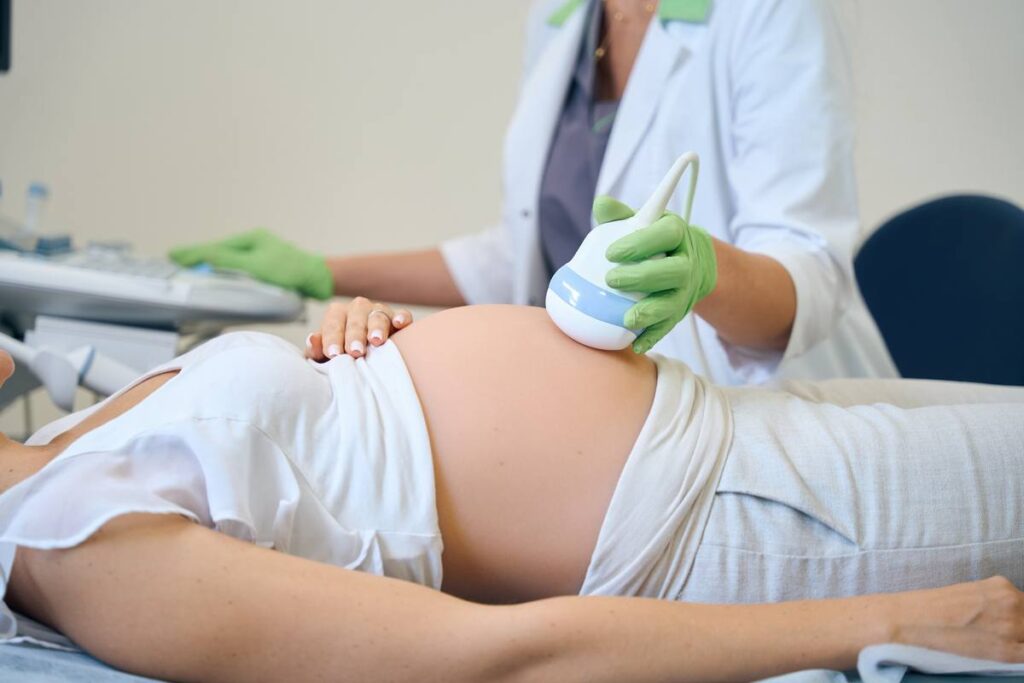
- Pelvic Ultrasonography: Utilizing non-invasive imaging to visualize the ovaries, uterus, and fallopian tubes, helping to identify cysts, fibroids, or structural variations.
Modern Treatment and Management Options
Today’s gynecological care emphasizes tailored treatment pathways, ranging from simple lifestyle adjustments to advanced medical therapies.
Conservative and Medical Therapies
Many reproductive health concerns respond well to targeted medical management. Hormonal therapies, such as customized birth control formulations, help manage the symptoms of PCOS and endometriosis. Non-hormonal medications can also be used to regulate heavy bleeding or manage localized discomfort effectively.
Minimally Invasive Interventions
When structural changes like large fibroids or deep endometrial tissue require intervention, specialists favor minimally invasive techniques. Procedures like laparoscopy or hysteroscopy utilize small incisions, leading to quicker recovery times and less post-operative discomfort.
Lifestyle Management and Preventative Wellness
Supporting your reproductive health goes beyond clinical visits. Daily habits play a key role in keeping your hormones balanced and your body resilient.
- Prioritize a Balanced Nutrition Plan: Incorporate whole grains, lean proteins, healthy fats, and plenty of fiber to help maintain steady insulin and hormone levels.
- Incorporate Consistent Movement: Aim for 30 minutes of moderate physical activity, such as brisk walking or yoga, to support pelvic circulation and stress reduction.
- Practice Proactive Stress Management: High stress levels elevate cortisol, which can disrupt your menstrual cycle. Consider simple mindfulness practices, deep breathing exercises, or regular time outdoors to find balance.
- Schedule Annual Screenings: Do not wait for symptoms to appear before booking a visit. Consistent annual check-ups are key to catching potential issues early.
Myth vs. Fact in Gynecological Health
- Myth: You only need to see a gynecologist if you are pregnant or experiencing severe pain.
- Fact: Preventative visits are essential for checking cellular health, managing hormonal changes, and detecting hidden conditions early.
- Myth: Severe, debilitating pain during your period is entirely normal.
- Fact: While minor cramping is common, intense pain that disrupts your day can indicate conditions like endometriosis or fibroids and should be checked by a professional.
- Myth: Irregular periods are always a sign of infertility.
- Fact: Irregular cycles are frequently caused by manageable factors like stress, thyroid shifts, or PCOS. A specialist can help regulate your cycle and support your long-term fertility goals.
When to Consult a Doctor Immediately
While regular annual appointments form the basis of preventative health, certain acute symptoms require immediate medical attention.
If you experience sudden, severe lower abdominal pain accompanied by fever or nausea, seek urgent medical care. This combination of symptoms can indicate acute pelvic inflammatory disease, an ovarian torsion, or an ectopic pregnancy.
Additionally, if you experience sudden, unusually heavy vaginal bleeding that soaks through multiple sanitary pads within an hour, consult a specialist promptly to guide your recovery.
Summary and Conclusion
Understanding what should you see a gynecologist for helps ensure you seek the right care at the right time. From managing everyday concerns like irregular periods and PCOS to providing vital preventative screenings, specialized gynecological care supports your wellness journey through every stage of life. Partnering with a trusted specialist helps you address symptoms early, make informed choices, and look after your long-term health with confidence.

Frequently Asked Questions (FAQs)
1. At what age should a young woman have her first gynecologist visit?
Professional medical guidelines recommend that young women schedule their first gynecological consultation between the ages of 13 and 15. This initial visit is typically informational, focusing on building comfort, discussing cycle regularity, and answering questions about reproductive development.
2. How often do I need a Pap smear screening?
For most women aged 21 to 65, a Pap smear is recommended every three to five years, depending on your age and history of cervical screenings. Your gynecologist will help determine the right schedule for your specific health needs.
3. Can a gynecologist help manage hormonal acne and weight changes?
Yes. Symptoms like persistent acne, irregular hair growth, and unexpected weight changes are often linked to hormonal conditions like Polycystic Ovary Syndrome (PCOS). A gynecologist can run targeted hormone tests and design a personalized management plan.
4. What should I do if my menstrual cycle is unpredictable?
If your period arrives unexpectedly, misses months, or varies significantly in length, keep a simple log of your dates and share this info with a gynecologist. They can check for underlying factors like stress, thyroid imbalances, or ovarian changes.
5. Is it safe to see a gynecologist during my period?
Yes, it is completely safe. If you are experiencing heavy bleeding or pain during your cycle, seeing your doctor during your period can provide helpful diagnostic insights. For a routine Pap smear, however, scheduling your visit on a non-bleeding day is usually ideal for the clearest results.
6. What are the early signs of perimenopause?
Perimenopause can bring changes like irregular periods, hot flashes, night sweats, occasional mood shifts, and vaginal dryness. If these symptoms disrupt your day, a gynecologist can offer options to ease the transition.
7. Can lifestyle habits affect pelvic pain and cramping?
Yes, daily habits can influence how your body handles inflammation and pain. Eating a balanced diet, staying active, and managing stress can help lessen menstrual discomfort, though structural issues should still be evaluated by a specialist.
8. How can I prepare for my first appointment with a specialist?
To prepare, note down the first day of your last period, list any medications you take, and write down any questions you have about your health. This helps ensure a clear, relaxed conversation with your doctor.



Leave a Comment