
Table of Contents
How much does PCOD treatment cost?
On average, PCOD treatment costs in India range from ₹3,000 to ₹60,000 for basic long-term management. In Tier 2 hubs like Visakhapatnam, initial diagnostic evaluations—including gynecologist consultation fees and pelvic ultrasounds—typically average ₹1,500 to ₹4,500 total. Monthly prescription medications generally vary between ₹400 and ₹5,000 depending on symptoms. Advance procedures like advanced fertility treatments (IUI/IVF) can increase costs from ₹80,000 to ₹2,50,000.
Understanding PCOD: A Medical Definition
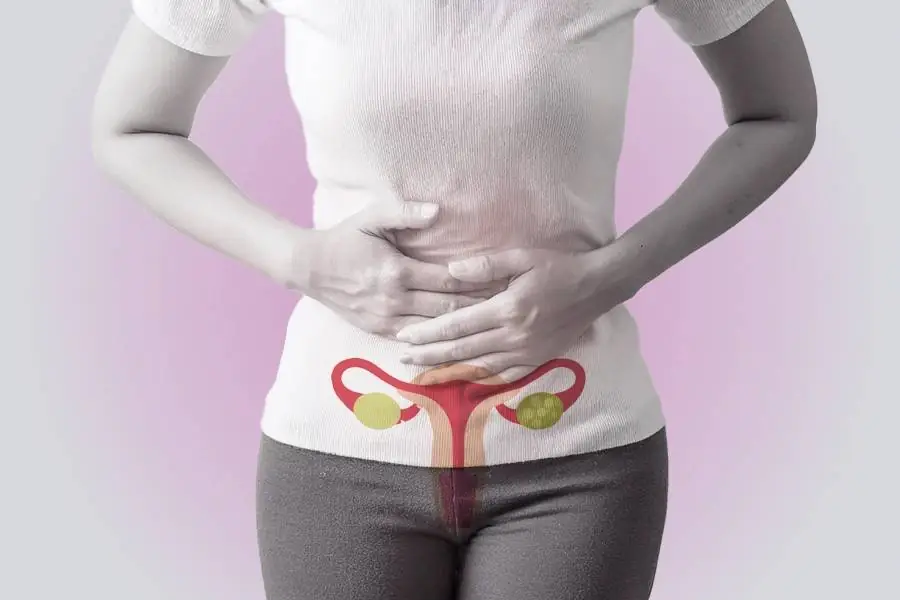
Polycystic Ovarian Disease (PCOD) is a highly prevalent medical condition where a woman’s ovaries produce immature or partially mature eggs in large numbers during her reproductive years. Over time, these unreleased eggs turn into numerous tiny fluid-filled pockets, commonly known as cysts, within swollen ovaries.
The condition triggers an overproduction of male hormones (androgens), causing hormonal imbalances that interfere with the normal menstrual cycle, ovulation, and overall metabolic health.

Root Causes of PCOD
While the precise medical trigger remains the subject of ongoing clinical study, reproductive endocrinologists point to a distinct cluster of foundational causes:
- Insulin Resistance: When the body’s cells cannot absorb glucose efficiently, the pancreas produces excess insulin. High insulin levels trigger the ovaries to produce excess male hormones, disrupting egg development.
- Hormonal Imbalances: Elevated levels of Luteinizing Hormone (LH) combined with abnormally high androgen levels impair the natural release of mature eggs.
- Low-Grade Inflammation: Studies show that women with PCOD exhibit chronic low-grade inflammation, which stimulates polycystic ovaries to produce androgens.
- Genetic Factors: A family history of irregular periods, metabolic syndromes, or diabetes significantly elevates a woman’s predisposition to developing PCOD.
Recognizing the Symptoms of PCOD
PCOD affects every individual differently. While one person might face skin changes, another might experience severe cycle irregularities. The most common clinical symptoms include:
- Irregular Menstrual Cycles: Infrequent periods, unusually heavy bleeding, or missed cycles (amenorrhea).
- Hirsutism: Excessive hair growth appearing on the face, chest, chin, and abdomen due to elevated androgen levels.
- Severe Acne: Stubborn, painful cystic outbreaks along the jawline and neck that do not respond well to typical topical therapies.
- Unexplained Weight Gain: Difficulty losing weight, especially around the midsection, caused by insulin resistance.
- Male-Pattern Hair Thinning: Noticeable hair loss or thinning at the crown of the scalp (alopecia).
- Acanthosis Nigricans: Darkened, velvety patches of skin appearing around the neck creases, groin, and armpits.
Associated Risk Factors
Leaving PCOD unmanaged can manifest into long-term systemic health complications over several years. Proactive monitoring helps mitigate these critical risk factors:
- Type 2 Diabetes and Metabolic Syndrome: Driven by persistent insulin resistance.
- Cardiovascular Issues: Elevated blood pressure, high LDL (bad) cholesterol, and risk of vascular complications.
- Endometrial Hyperplasia: Prolonged absence of periods causes the uterine lining to build up continuously, increasing long-term endometrial risks.
- Ovulatory Infertility: Irregular ovulation can make natural conception challenging without medical guidance.
- Sleep Apnea: Repeated pauses in breathing during sleep, frequently exacerbated by metabolic weight changes.
The Diagnostic Pathway
Diagnosing PCOD involves a comprehensive process rather than a single test. Gynecologists utilize a multi-step check to confirm the condition:
- Clinical History Assessment: Evaluating your menstrual history, weight fluctuations, and visible symptoms.
- Pelvic Ultrasound: A sonogram to look for an enlarged ovarian volume and the classic “string of pearls” appearance of immature cysts.
- Comprehensive Blood Panels: Testing fasting insulin, blood glucose, thyroid levels, prolactin, and free testosterone levels.

Cost Breakdown of PCOD Treatment Options
Because PCOD is a complex condition, its treatment is highly individualized. Costs vary widely depending on whether your goal is regulating your cycle, managing skin changes, or achieving pregnancy.
Here is a look at what you can expect financially when seeking care from an expert gynecologist in Vizag, Madhurawada, or across the broader Andhra Pradesh region:
1. Initial Consultations and Diagnostics
A comprehensive diagnostic check is essential before starting any medication. In Tier 2 medical clusters like Visakhapatnam, fees remain accessible compared to larger metros:
- Gynecologist Consultation Fee: ₹500 to ₹800 per visit.
- Pelvic Ultrasound Scan: ₹700 to ₹1,500.
- Comprehensive Hormonal and Metabolic Blood Panels: ₹1,200 to ₹3,500.
2. Ongoing Medical Management (Monthly)
If you require prescription drugs to manage your symptoms, costs depend on the exact focus of your prescription:
- Oral Contraceptive Pills (OCPs): Used to regulate periods and control acne. Costs run from ₹300 to ₹800 per pack.
- Insulin Sensitizers (e.g., Metformin): Prescribed to manage insulin resistance, averaging ₹200 to ₹500 monthly.
- Anti-Androgen Medications: Used to reduce excessive facial hair growth, ranging from ₹400 to ₹1,200 per month.
3. Skin and Hair Management (Dermatology Combos)
When hormonal changes cause severe skin outbreaks or hair loss, specialized clinical skin therapies may be recommended:
- Chemical Peels or Laser Acne Management: ₹3,000 to ₹8,000 per session.
- Laser Hair Reduction (LHR) for Hirsutism: ₹4,000 to ₹12,000 per session depending on the treatment zone.
4. Advanced Fertility Interventions
If PCOD is causing ovulatory infertility and lifestyle adjustments are not yielding results, advanced reproductive care becomes necessary:
- Ovulation Induction Cycles: Using oral medications or tracking injections, ranging from ₹5,000 to ₹25,000.
- Intrauterine Insemination (IUI): Specialized tracking and insemination costing between ₹10,000 and ₹25,000 per cycle.
- In Vitro Fertilization (IVF): If complex protocols are required, cost ranges generally run between ₹80,000 and ₹2,50,000.
5. Surgical Alternatives
Surgery is rarely the first choice for PCOD. However, if medical therapies fail to restore regular ovulation, a minimally invasive procedure known as Laparoscopic Ovarian Drilling (LOD) may be considered.
- Laparoscopic Ovarian Drilling Cost: ₹35,000 to ₹70,000 depending on the hospital facility, room category, and specific surgeon fees.
Comparative Treatment Cost Structure
| Treatment Level | Focus Area | Average Cost Range (INR) | Frequency / Duration |
| Primary Assessment | Consultations, Scans, Blood Panels | ₹2,500 – ₹5,500 | One-time / Annual Checkups |
| Symptomatic Pharmacy Care | Cycle Regulation, Metformin, Acne Meds | ₹500 – ₹2,500 | Per Month |
| Structured Wellness Programs | Dietitian Guidance & Metabolic Management | ₹3,000 – ₹10,000 | 3 to 6 Months Course |
| Clinical Dermatology | Laser Hair Reduction & Targeted Peels | ₹4,000 – ₹15,000 | Per Session |
| Surgical Management | Laparoscopic Ovarian Drilling | ₹35,000 – ₹70,000 | Outpatient Surgical Procedure |
| Assisted Reproduction | Ovulation Induction, IUI, or IVF | ₹80,000 – ₹2,50,000 | Per Cycle Costs |
Prevention and Lifestyle Guidance
The cornerstone of long-term PCOD management requires no expensive clinic procedures. Sustained lifestyle choices help regulate insulin levels naturally, preventing acute symptoms from returning.
- Low-Glycemic Diet: Focus on whole grains, leafy greens, lean proteins, and healthy fats. Avoid refined sugars and processed flours that spike blood sugar levels.
- Consistent Activity: Aim for 30 minutes of moderate activity, such as brisk walking, strength training, or yoga, five days a week. Regular movement improves insulin sensitivity by up to 30%.
- Stress Management: High stress releases cortisol, which can exacerbate hormonal imbalances. Prioritize proper sleep hygiene and relaxation techniques.
Myth vs. Fact
Myth: Having PCOD means you can never get pregnant.
Fact: PCOD makes ovulation irregular, which can make conceiving more challenging, but it does not cause absolute infertility. With appropriate lifestyle management, cycle tracking, or minimal medical support, most women conceive successfully.
Myth: You must lose huge amounts of weight to reverse PCOD symptoms.
Fact: Clinical research shows that losing just 5% to 10% of your total body weight can help restore a regular menstrual cycle and significantly reduce insulin resistance.
Myth: PCOD and PCOS are entirely identical conditions.
Fact: PCOD is a more common metabolic imbalance where ovaries contain immature follicles, often managed effectively through diet and lifestyle adjustments. PCOS (Polycystic Ovary Syndrome) is a more complex endocrine disorder involving severe hormonal imbalances that require consistent, long-term medical care.
When Should You Consult a Doctor?
You should schedule an evaluation with a specialist if you experience any of the following changes:
- You have missed your periods for more than three consecutive months without a pregnancy.
- Your menstrual cycles consistently last fewer than 21 days or longer than 35 days.
- You experience sudden, aggressive facial hair growth or severe cystic acne breakouts along your jawline.
- You are experiencing difficulties conceiving naturally after twelve months of regular, unprotected intercourse.
- You experience rapid, unexplained weight gain despite maintaining a balanced diet and regular exercise routine.
Summary
Managing PCOD is a journey focused on lifelong wellness rather than a one-time cure. The cost of care varies depending on your health goals, with basic monthly management remaining affordable throughout Andhra Pradesh.
By combining targeted lifestyle modifications, balanced nutrition, and appropriate guidance from an experienced gynecologist, you can effectively regulate your hormones, protect your long-term metabolic health, and improve your overall quality of life.
Frequently Asked Questions
1. What is the average cost of a PCOD consultation in Visakhapatnam?
An expert consultation with a gynecologist in areas like Madhurawada or core Vizag city ranges between ₹500 and ₹800 per visit. Diagnostic imaging like pelvic ultrasounds will add around ₹700 to ₹1,500 to the initial evaluation.
2. Does health insurance cover PCOD treatment costs in India?
Standard health insurance policies generally do not cover regular outpatient costs, routine pharmacy expenses, or standard diagnostic tests for PCOD. However, if your specialist recommends an in-patient surgical intervention, such as Laparoscopic Ovarian Drilling, the hospitalization expenses may be eligible for coverage under many insurance plans.
3. Are government facilities in Andhra Pradesh equipped to handle affordable PCOD care?
Yes, government-run medical institutions and dedicated public health facilities across Andhra Pradesh provide free or highly subsidized baseline diagnostic blood panels, ultrasounds, and primary corrective medications.
4. Can PCOD be fully cured with a one-time surgical procedure?
No, there is no permanent cure for PCOD. Procedures like laparoscopic ovarian drilling are temporary interventions designed to trigger normal ovulation for a limited window, typically 6 to 9 months. Long-term management relies heavily on consistent lifestyle and dietary choices.
5. Why do fertility treatment costs run higher for women with PCOD?
PCOD alters natural ovulation cycles. Achieving pregnancy may require close monitoring, multiple ultrasound scans to track follicle growth, specialized hormone injections, or advanced laboratory protocols like IUI and IVF, which naturally increase overall costs.
6. Is it necessary to take hormonal pills continuously to treat PCOD?
Not necessarily. Hormonal pills help regulate your cycle and manage symptoms like heavy bleeding or acne, but they do not treat the underlying metabolic cause. Many individuals manage mild symptoms successfully through long-term dietary changes and regular exercise alone.
7. How much do lifestyle and nutrition coaching packages cost for PCOD?
A structured, three-to-six-month metabolic wellness and medical nutrition program guided by a clinical dietitian typically costs between ₹3,000 and ₹10,000 depending on the level of personalization required.
8. Does stress increase the long-term management costs of PCOD?
Yes. Chronic stress elevates cortisol levels, which can worsen insulin resistance and hormonal imbalances. This often leads to more severe symptoms, requiring higher medication dosages or additional clinical therapies.


Leave a Comment