
Table of Contents
Demystifying Your Health: What Happens During a First Gynecology Visit?
Taking the first step toward specialized reproductive care is a milestone in any woman’s life. Yet, it is completely normal to feel a bit anxious or unsure about what to expect. You might be wondering: What happens during a first gynecology visit, and will it be uncomfortable?
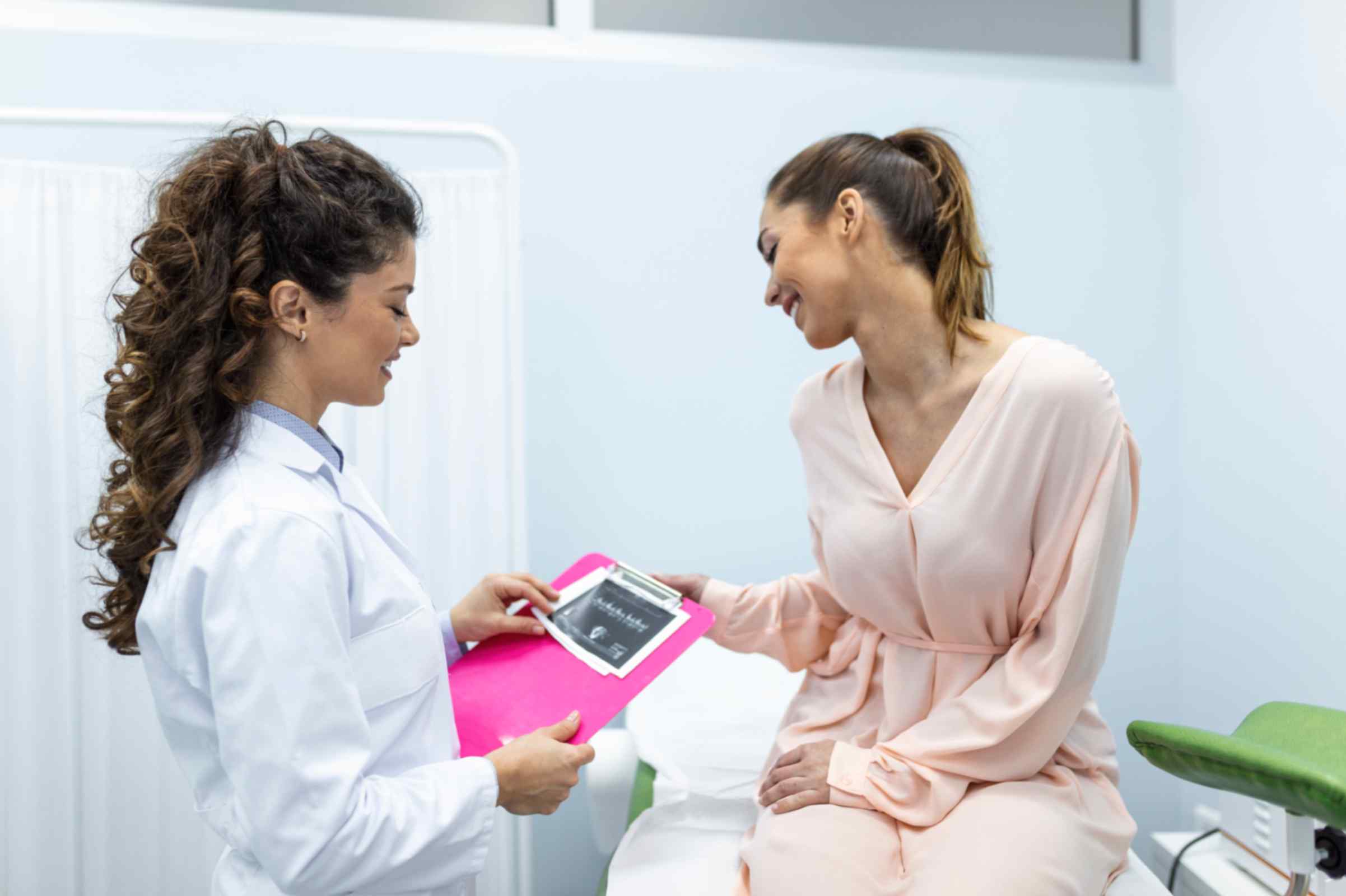
During a first gynecology visit, the primary focus is on open conversation, establishing a medical baseline, and building a comfortable relationship with your specialist. For most young women, this initial appointment does not involve an internal pelvic exam. Instead, it features a comprehensive review of your menstrual cycle, lifestyle choices, and family health history, alongside a basic, non-invasive physical assessment like checking your height, weight, and blood pressure.
By normalizing this initial visit, you convert what could be a source of stress into an empowering tool for lifelong body literacy.

Defining the First Gynecological Consultation
To clear up any confusion about the scope of this baseline medical milestone, let us look at a clear definition designed for featured snippets and answer engines.
First Gynecology Visit Definition: The first gynecology visit is an introductory clinical consultation recommended for young women between the ages of 13 and 15. The core purpose of this baseline appointment is to establish a health partnership, evaluate pubertal development, track early menstrual patterns, and deliver essential preventative education regarding female reproductive wellness.
The Phases of an Initial Consultation
Understanding the structure of your appointment can remove the mystery and help you feel entirely in control of the experience.
| Consultation Phase | What It Actually Involves | Clinical Purpose |
| 1. The Welcome Interview | A face-to-face chat with your doctor while fully clothed. | Building trust and mapping out your family medical background. |
| 2. Vital Sign Screening | Non-invasive measurement of your height, weight, and blood pressure. | Assessing overall systemic growth and baseline cardiovascular health. |
| 3. Targeted Discussion | Talking about your period symptoms, lifestyle, and dynamic concerns. | Spotting early signs of cycle issues like severe pain or irregular patterns. |
| 4. Educational Wrap-up | Reviewing tracking apps, lifestyle recommendations, and future care. | Empowering you with accurate information to recognize healthy body signals. |
Causes: Why Timing Your First Visit Matters
The decision to schedule an introductory appointment is usually driven by a mix of age-based guidelines and natural biological milestones.
Underlying Clinical Reasons for the Appointment
- Establishing a Health Baseline: The body goes through rapid transformations during adolescence. Documenting these changes early helps track your development over time.
- Addressing Pubertal Variations: Every young woman’s internal clock ticks a bit differently. A specialist can verify that your development is progressing safely and healthily.
- Preventing Misinformation: With so much conflicting advice online, a first visit ensures you get medically accurate, private answers to sensitive personal health questions.
Symptoms: Signs It Is Time to Book an Initial Visit
While guidelines recommend an initial checkup between the ages of 13 and 15, certain physical symptoms indicate that you should schedule an appointment sooner, regardless of your exact age.
Menstrual Clues That Need Attention
- Severe, Disabling Cramps: Period pain that keeps you home from school, makes you skip sports, or does not improve with standard pain relievers.
- Extremely Heavy Bleeding: Periods where you bleed through a pad or tampon every hour, or have cycles that consistently last longer than seven consecutive days.
- Irregular or Delayed Start: Not starting your very first period by the age of 15, or experiencing cycles that stop completely for months at a time after starting.
Localized Physical Discomforts
- Unusual Vaginal Discharge: Persistent changes in the color, odor, or texture of your natural discharge, accompanied by burning or localized itching.
- Unexplained Pelvic Pressure: A recurring dull ache or a heavy feeling in your lower stomach area that is unrelated to normal period cramps.
Risk Factors: What Happens When Care Is Delayed?
Skipping or delaying this vital health step does not just leave you with unanswered questions; it can lead to overlooked risks to your long-term health and fertility.
- Undiagnosed Hormonal Imbalances: Conditions like Polycystic Ovary Syndrome (PCOS) often show their first signs during your teenage years. Missing these clues can lead to stubborn weight gain, severe skin issues, and metabolic challenges later on.
- Unmanaged Pain Progression: Chronic conditions such as endometriosis can worsen if left unaddressed, leading to unnecessary suffering and complex management challenges in adulthood.
- Lack of Preventative Protection: Delaying care can mean missing out on crucial windows for preventative options, like the HPV vaccine, which protects against several reproductive cancers.
Diagnosis: How Doctors Evaluate Your Health Safely
The word “diagnosis” can sound intimidating, but during a first visit, it simply means your doctor is gathering clear information to ensure your body is working beautifully.
The Gentle Evaluation Checklist
- A Detailed Cycle Review: Your doctor will ask about the first day of your last period, how many days your bleeding usually lasts, and how your flow changes.
- External Physical Review: If needed, a brief, external visual look at the skin around the pelvic area to ensure healthy development, completely keeping your comfort and privacy in mind.
- Targeted Lifestyle Check: Discussing your typical stress levels, sleep hygiene, nutritional choices, and physical activity patterns.
- Hormonal Spot-Checks (If Indicated): If you are dealing with extreme acne or highly erratic periods, your doctor may suggest a simple, routine blood test to check your hormone pathways.
Treatment and Guidance Options: Restoring Balance Early
When issues like heavy bleeding or painful cycles are identified during a first visit, modern treatments are focused on gentle, non-invasive solutions.
Holistic and Medical Management
If your doctor notices signs of hormonal imbalances, the first step is rarely intense medication. Instead, care centers on tailored nutritional shifts to stabilize blood sugar, smart stress-management tools, and sleep alignment.
When medical support is necessary to handle intense pain or debilitating bleeding, gynecologists can offer low-dose, modern therapies to regulate cycles. These can help balance your hormone levels and significantly reduce heavy bleeding, keeping you feeling your best.
Preventative Protection Frameworks
An essential part of your first visit is building a shield against future health risks. Your gynecologist will review your immunization records and offer foundational choices, like the highly protective HPV vaccine series, ensuring your body is guarded long before any risks appear.

Prevention and Lifestyle Guidance: Cultivating Vitality
Your daily routines play a profound role in how your body navigates menstrual cycles and hormonal changes.
                  ┌──────────────────────────────┐
                  │ Lifelong Reproductive Health │
                  └──────────────┬───────────────┘
                                 │
         ┌───────────────────────┼───────────────────────┐
         ▼                       ▼                       ▼
┌─────────────────┐     ┌─────────────────┐     ┌─────────────────┐
│ Blood Sugar     │     │ Stress-Reducing │     │ Clean Care      │
│ Stability       │     │ Routines        │     │ Habits          │
└─────────────────┘     └─────────────────┘     └─────────────────┘
Focus on fiber-rich     Prioritize restorative  Avoid aggressive,
foods and healthy       sleep and rest to       fragranced soaps
fats to smooth out      prevent cortisol from   to preserve your
ovulatory patterns.     disrupting cycles.      natural pH balance.
- Track Your Cycles Consistently: Use a calendar or a tracking app to log your period start dates, pain levels, and unique mood shifts. This information is incredibly valuable for your annual checkups.
- Stay Hydrated and Active: Engaging in gentle, regular movement like walking, yoga, or swimming increases blood circulation to your pelvic floor, helping naturally reduce muscle tension and severe period cramps.
Myth vs. Fact: Overcoming Appointment Anxieties
Let us dispel a few common myths about what happens behind closed doors at a gynecology clinic.
- Myth:Every single gynecology appointment requires a cold, uncomfortable speculum exam.
- Fact: For an introductory visit, a speculum or internal pelvic exam is rarely performed unless you are experiencing severe, specific problems like intense internal pain or unusual bleeding.
- Myth:My doctor will judge me or share my personal details with others.
- Fact: Medical consultations are completely confidential, judgment-free spaces. Your gynecologist is a trained medical professional dedicated to supporting you, not judging you.
- Myth:I need to completely shave, wax, or groom myself before visiting.
- Fact: Your doctor looks at your health from a purely medical perspective. Natural body hair is entirely normal, healthy, and expected—there is absolutely no need to change your grooming habits for an appointment.
When Should You Consult a Doctor?
While planning your first introductory appointment is an excellent preventative step, you should reach out to a professional immediately if you experience any of these clear warning signals:
- You have reached the age of 15 and have not experienced your very first period.
- Your period cramps are intense enough to cause vomiting, dizziness, or fainting.
- You experience sudden, unexplained bleeding between your normal monthly periods.
- You notice any unusual, hard lumps or persistent pain during a self-breast examination.
- You feel a sharp, sudden, or severe pain on one side of your lower stomach that does not go away.
Accessing Empathetic Care in Your Region
Connecting with a highly skilled, compassionate specialist can transform your view of healthcare. Across Andhra Pradesh, medical care has grown significantly, bringing cutting-edge diagnostics and warm, patient-centered women’s wellness services directly to your community.
For individuals residing in Visakhapatnam, finding world-class preventative care is easier than ever. Families living near the growing neighborhood of Madhurawada can easily find specialized care close to home, saving them from long, stressful journeys into distant city centers.
When looking for the right practitioner in Vizag, focus on medical teams that emphasize patient comfort, clear communication, and personalized care. Choosing a trusted specialist early in life ensures that as you grow, you have an expert clinical team ready to walk alongside you at every step.
Summary: Stepping Into Your Wellness Journey
A first gynecology visit is a major milestone in taking control of your health. It is an opportunity to learn about your body, demystify your cycles, and build a lasting relationship with a specialist who understands your unique needs.
By focusing on clear information, replacing common myths with facts, and paying attention to your body’s subtle signals, you can approach this visit with absolute confidence. Remember, prioritizing your reproductive health is an investment in your comfort, peace of mind, and lifelong vitality.

Frequently Asked Questions
1. Will I have to get completely undressed for my first visit?
No, you will not need to get completely undressed for a standard introductory visit. You will chat with your doctor while fully clothed. If a basic physical or breast exam is needed, you will be given a private space and a soft gown to ensure you feel comfortable and covered.
2. Can my mom or a trusted friend sit in the room with me?
Absolutely. You are welcome to bring your mother, a close relative, or a trusted friend into the consultation room for support. If you would prefer to speak with your doctor in private for a portion of the visit, that can easily be arranged as well.
3. Does a first gynecology visit hurt?
Not at all. The vast majority of a first visit is simply a conversation. If a basic external physical check is performed, it is entirely non-invasive and gentle. You might feel a brief moment of pressure, but it should never feel sharp or painful.
4. What questions will the doctor ask me during the interview?
Your doctor will likely ask about the date your last period started, how frequently your periods arrive, how many days your bleeding lasts, and if you experience cramps. They may also ask about your lifestyle, diet, and sleep habits.
5. How long does a typical first gynecology appointment take?
A first visit usually takes between 20 and 30 minutes. Most of this time is dedicated to discussing your health history, answering your questions, and sharing practical tips for cycle tracking and healthy lifestyle choices.
6. Can I go to my first visit if my period starts that day?
Yes, you can absolutely keep your appointment if your period starts. Since the first visit is primarily a conversation, bleeding will not interfere with the appointment at all. It can actually be a great opportunity to discuss your flow with your doctor.
7. Should I bring anything special to my first appointment?
It is very helpful to bring a list of any medications or supplements you take, a record of your recent period dates (from a tracking app or calendar), and a note of any personal health questions you would like answered.
8. Will the doctor ask me about my mental health or stress levels?
Yes, they very well might. Your brain and your reproductive system are deeply connected. High stress, anxiety, or poor sleep can directly impact your hormone levels, making it common for specialists to ask about your overall emotional well-being.
9. How often do I need to return after my first visit?
If your initial visit goes smoothly and your cycles are healthy, your doctor will likely recommend returning once a year for a routine wellness checkup to support your ongoing growth and health.



Leave a Comment