
Table of Contents
Thyroid and Pregnancy What Women Should Know
The thyroid gland, a small butterfly-shaped organ in the neck, plays a disproportionately large role during pregnancy. It produces hormones that regulate metabolism, heart rate, and temperature. During gestation, these hormones are critical for the development of the baby’s brain and nervous system, particularly during the first trimester when the fetus relies entirely on maternal thyroid supply.
For many women, pregnancy can act as a stress test for the thyroid. Hormonal shifts, including rising levels of hCG (human chorionic gonadotropin) and estrogen, naturally alter thyroid function. While most women adapt seamlessly, others may develop imbalances that, if left unmanaged, could lead to complications. Understanding the interplay between thyroid health and pregnancy is essential for ensuring both maternal well-being and optimal fetal development.
Overview: The Thyroid-Pregnancy Connection
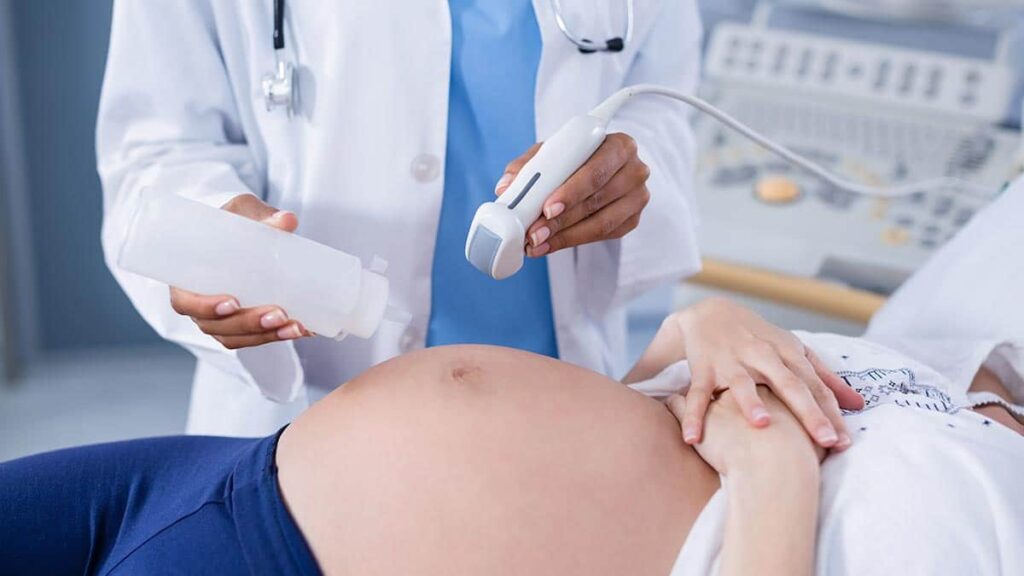
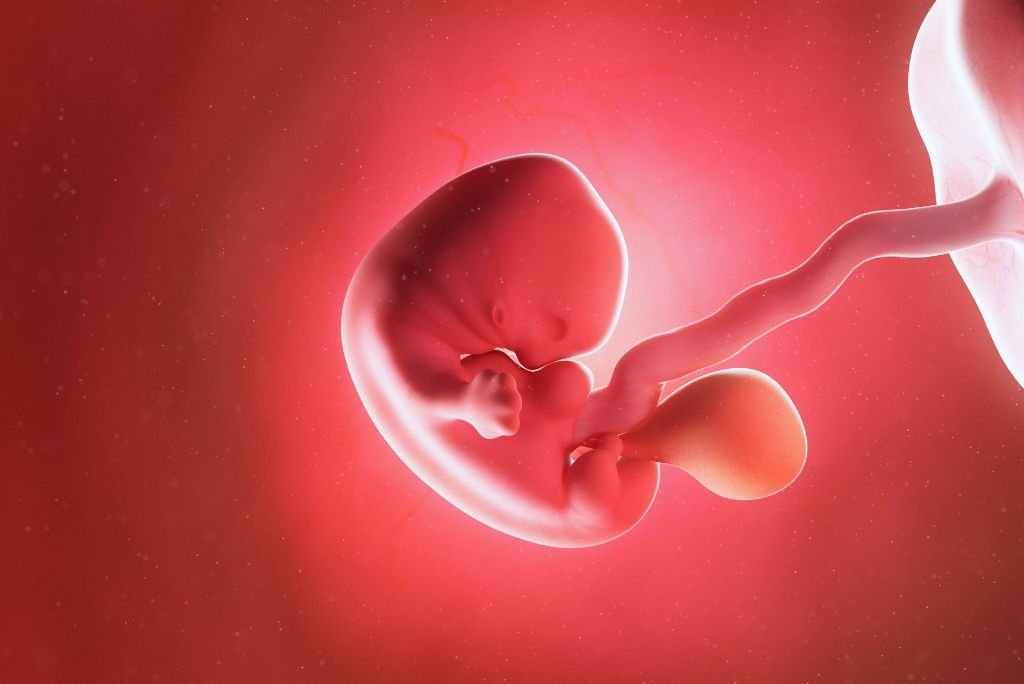
Thyroid function and pregnancy are deeply intertwined. During the first few months of pregnancy, the baby is dependent on the mother for thyroid hormones. Around week 12, the baby’s own thyroid starts to function, but it does not produce enough hormone until approximately week 18 to 20.
The most common thyroid issues during pregnancy are hypothyroidism (underactive thyroid) and hyperthyroidism (overactive thyroid). Maintaining a specific TSH (Thyroid Stimulating Hormone) range is vital, as thyroid hormones support the metabolic demands of pregnancy and the neurological milestones of the developing fetus.
Common Thyroid Disorders in Pregnancy
1. Hypothyroidism (Underactive Thyroid)
This occurs when the thyroid gland does not produce enough hormones. In many cases, it is caused by Hashimoto’s disease, an autoimmune condition.
- Symptoms: Extreme fatigue, cold intolerance, muscle cramps, and severe constipation.
- Risks: If untreated, it may increase the risk of preeclampsia, anemia, low birth weight, or developmental delays in the infant.
2. Hyperthyroidism (Overactive Thyroid)
While less common, an overactive thyroid is usually caused by Graves’ disease.
- Symptoms: Rapid heartbeat, hand tremors, unexplained weight loss, or severe morning sickness (hyperemesis gravidarum).
- Risks: Untreated hyperthyroidism is linked to preterm birth and a condition known as thyroid storm during labor.
3. Postpartum Thyroiditis
Some women experience inflammation of the thyroid after giving birth. This often begins with a phase of hyperthyroidism followed by a phase of hypothyroidism before the gland typically returns to normal.
Key Insights: Practical Guidance for Expectant Mothers
Managing thyroid health during pregnancy is highly effective through consistent clinical monitoring and medication adjustment.
- Preconception Screening: If you have a history of thyroid issues, check your TSH levels before trying to conceive.
- The TSH Range: Ideal TSH levels during pregnancy are typically lower than the standard adult range. Your gynaecologist will likely monitor these levels every 4–6 weeks.
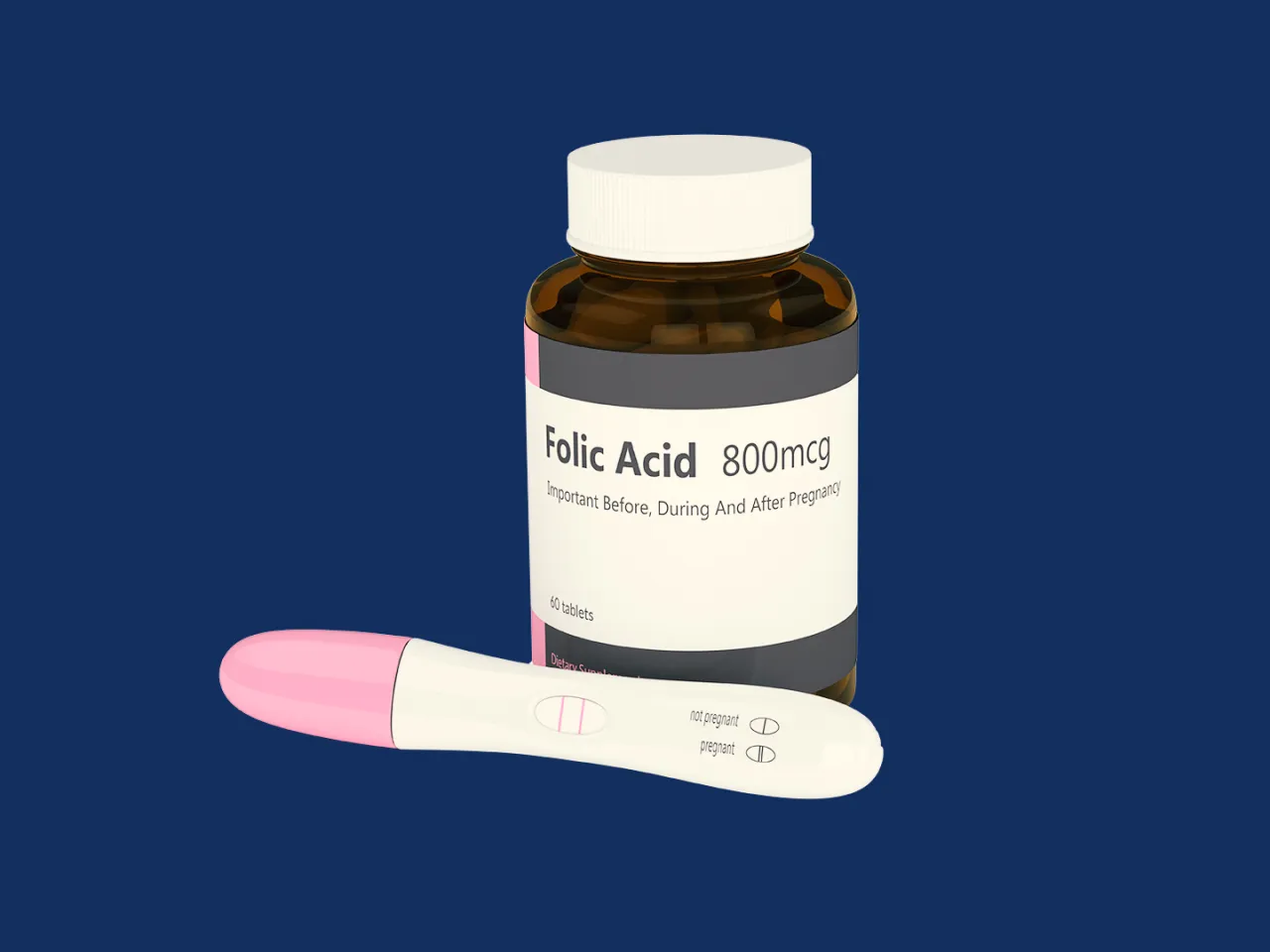
- Iodine Intake: Iodine is a building block for thyroid hormones. Ensure your prenatal vitamins contain the recommended amount of iodine.
- Medication Consistency: If you are on levothyroxine, do not skip doses. Pregnancy often requires a 25–50% increase in dosage to meet the body’s new demands.

When to Seek Medical Help
Thyroid symptoms often mimic common pregnancy discomforts, making professional diagnosis essential. Seek help if:
- You have a known history of thyroid nodules or autoimmune disorders.
- You experience a sudden, visible swelling in the neck (goiter).
- You have heart palpitations or a resting pulse consistently over 100 beats per minute.
- You feel an overwhelming sense of exhaustion that does not improve with rest.
- You have a family history of thyroid dysfunction.
3. Madhurawada Women’s Healthcare
People in Visakhapatnam seeking women’s healthcare often consult qualified specialists to manage endocrine health during pregnancy. Clinics in areas such as Madhurawada, MVP Colony, and Dwaraka Nagar provide access to diagnosis and specialized blood testing. Facilities like Vedanta Speciality Clinics are among those offering structured care for such conditions, helping mothers across the Vizag region navigate thyroid management for a safe delivery.
4. FAQ SECTION
Can thyroid problems make it harder to get pregnant?
Yes, both hypothyroidism and hyperthyroidism can interfere with ovulation. Hormonal imbalances caused by thyroid dysfunction can lead to irregular menstrual cycles, making conception difficult. Correcting the thyroid imbalance often restores regular ovulation and improves fertility outcomes.
Is thyroid medication safe to take during pregnancy?
Yes, thyroid hormone replacement (like levothyroxine) is identical to the hormone your body produces naturally. It is considered safe and essential for the baby’s brain development. However, anti-thyroid medications used for hyperthyroidism are managed more carefully to ensure the lowest effective dose.
What is a “safe” TSH level for pregnancy?
Clinical guidelines generally suggest a TSH level below 2.5 mIU/L in the first trimester and below 3.0 mIU/L in the second and third trimesters. However, your gynaecologist will set a personalized target based on your specific medical history and antibody status.
How often should I have my thyroid checked while pregnant?
If you have a thyroid condition, your levels should ideally be checked every 4 to 6 weeks during the first half of pregnancy, and at least once during the later stages. This ensures that medication dosages are adjusted as your body weight and blood volume increase.
Will my baby be born with thyroid problems if I have them?
Most babies born to mothers with thyroid disease are born with normal thyroid function. However, if you have autoimmune thyroid disease (Graves’ or Hashimoto’s), the baby may be screened shortly after birth to ensure their thyroid is functioning correctly.
Can morning sickness affect my thyroid?
Severe morning sickness, or hyperemesis gravidarum, is associated with high levels of hCG, which can temporarily overstimulate the thyroid. This usually resolves on its own by the second trimester, but it should be monitored by a healthcare professional.

5. CONCLUSION
Thyroid health is a cornerstone of a healthy pregnancy. While the physiological changes of gestation can complicate thyroid function, modern medicine provides the tools to manage these shifts safely. By combining regular blood monitoring with expert clinical guidance, women can protect their health and support their baby’s growth. Seeking guidance from an experienced women’s healthcare specialist can help ensure proper diagnosis and personalized care.


Leave a Comment