
Table of Contents
What to Avoid During the First Trimester: Essential Pregnancy Guide
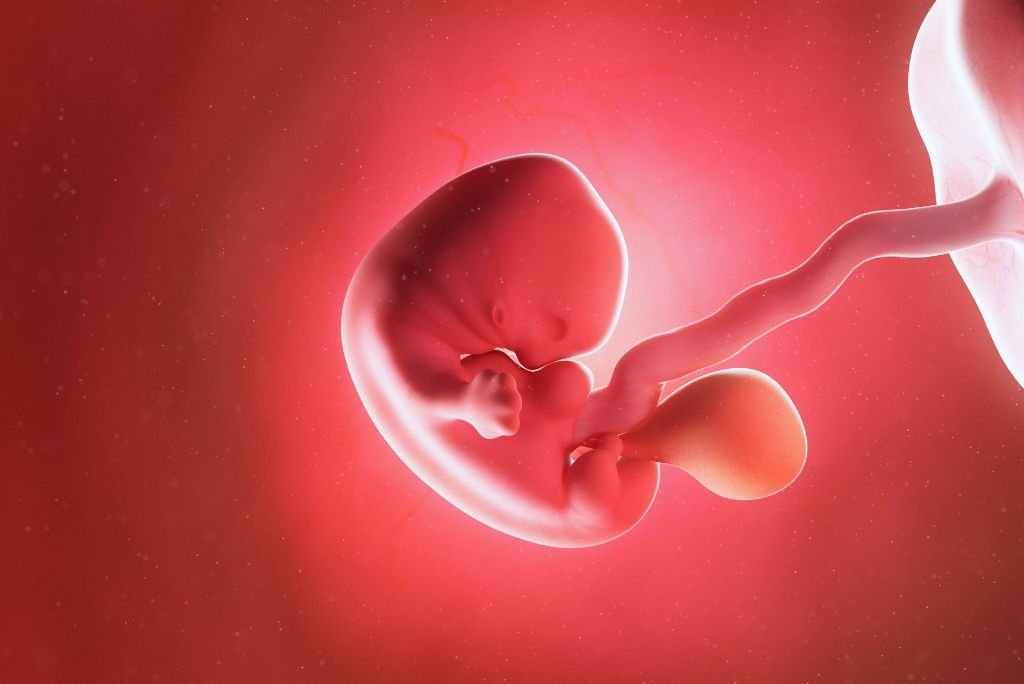
Finding out that you are pregnant brings a rush of joy, anticipation, and often a long list of questions. If you are researching what to avoid during the first trimester, it is completely natural to feel both excited and a little protective. The first 12 weeks of pregnancy mark a period of rapid development, as your baby’s heart, brain, and vital organs begin to form from a microscopic cluster of cells.
During these foundational early weeks, well-meaning family members, neighbors, and internet searches often bombard new mothers with conflicting advice. One person tells you to avoid certain fruits, another warns against gentle exercise, and suddenly every meal choice feels like a major decision.
Taking a calm, evidence-based approach is the best way to separate traditional myth from genuine medical advice. By understanding what dietary choices, environmental exposures, and lifestyle habits truly require caution, you can protect your growing baby while enjoying this special time with total peace of mind.
What Is the First Trimester and Why Is Caution Needed?
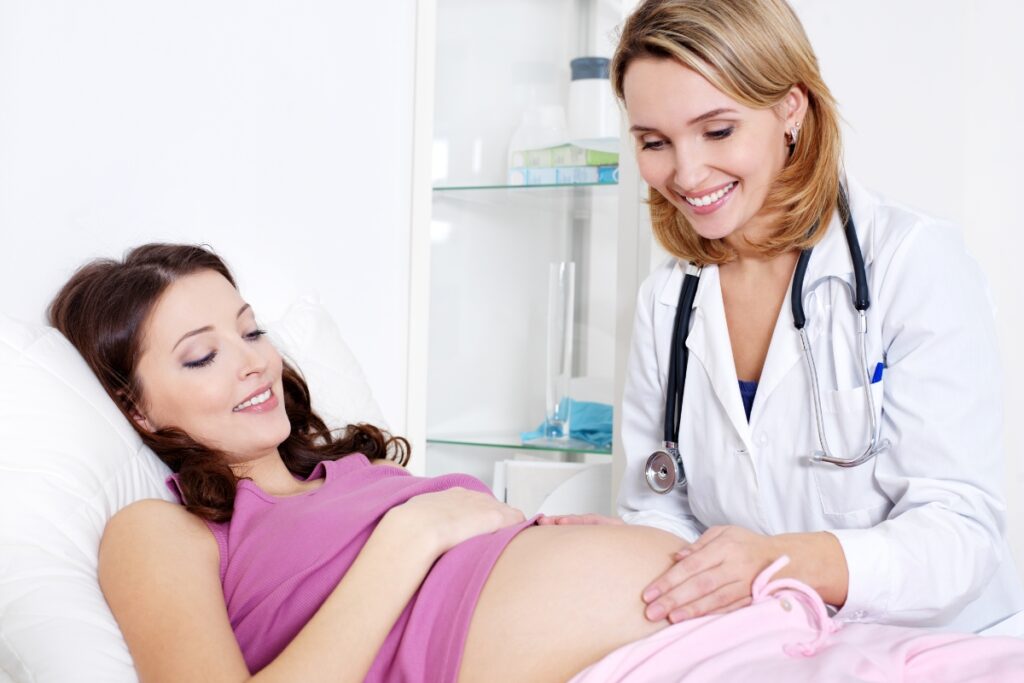
The first trimester spans weeks 1 through 12 of pregnancy, a crucial phase marked by organogenesis—the structural formation of all major fetal organ systems. Due to heightened susceptibility during early embryonic development, following established clinical precautions from FOGSI, WHO, and ACOG helps safeguard maternal health and supports early fetal growth.
How Common Are First-Trimester Concerns Among Indian Women?
If you feel overwhelmed by the do’s and don’ts of early pregnancy, know that almost every expecting mother shares these exact feelings.
According to maternal health studies published by the Federation of Obstetric and Gynaecological Societies of India (FOGSI), over 80% of pregnant women in India seek specific guidance on dietary and activity restrictions during their initial prenatal checkup.
Common Early Pregnancy Precautions Reported by Indian Women
[█████████████████████████████████████████] ~60% Dietary Modifications (Avoiding raw papaya, sesame, etc.)
[████████████████████████████████░░░░░░░░░] ~45% Medication Adjustments (Stopping non-prescribed pills)
[████████████████████████░░░░░░░░░░░░░░░░░] ~35% Physical Activity Tweaks (Avoiding heavy lifting/strenuous travel)
[████████████████░░░░░░░░░░░░░░░░░░░░░░░░░] ~25% Environmental Caution (Avoiding harsh heat/chemicals)
In coastal cities like Visakhapatnam, warm temperatures and unique culinary traditions make clear, practical guidance especially valuable. Consulting a caring pregnancy doctor Visakhapatnam helps clear up cultural misunderstandings while keeping your pregnancy safe, balanced, and comfortable.
Early Signs and Body Changes You May Notice
During these initial 12 weeks, your body undergoes significant hormonal shifts, primarily driven by rising levels of progesterone and human chorionic gonadotropin (hCG). You may notice:
┌─────────────────────────────────────────────────────────────────────────────┐
│                    TYPICAL FIRST-TRIMESTER BODY CHANGES                     │
├──────────────────┬───────────────────────────┬──────────────────────────────┤
│ Body System      │ What You May Notice       │ Hormonal & Biological Cause  │
├──────────────────┼───────────────────────────┼──────────────────────────────┤
│ Digestive System │ Nausea, morning sickness, │ Elevated hCG & slowed        │
│                  │ food aversions, heartburn │ gastric motility             │
├──────────────────┼───────────────────────────┼──────────────────────────────┤
│ Energy Levels    │ Pronounced fatigue,       │ High progesterone levels &   │
│                  │ afternoon drowsiness      │ increased blood volume       │
├──────────────────┼───────────────────────────┼──────────────────────────────┤
│ Sensory Profile  │ Heightened sense of smell,│ Estrogen surges altering     │
│                  │ metallic taste in mouth   │ olfactory sensitivity        │
├──────────────────┼───────────────────────────┼──────────────────────────────┤
│ Vascular System  │ Lightheadedness when      │ Dilated blood vessels and    │
│                  │ standing up quickly       │ shifting fluid balances      │
└──────────────────┴───────────────────────────┴──────────────────────────────┘
- Morning Sickness and Nausea: Queasiness that can strike at any time of day, often triggered by strong food aromas or cooking spices.
- Heightened Fatigue: Feeling deeply tired as your body invests tremendous metabolic energy into building the placenta.
- Breast Tenderness: Sensitivity or heaviness as mammary glands prepare for future lactation.
- Mild Lower Abdominal Fullness: A gentle, stretching sensation as your uterus expands within the pelvis.
Comprehensive Checklist: What to Avoid During the First Trimester
To make managing early pregnancy straightforward, let’s break down essential precautions across key categories:
                      ┌────────────────────────────────────────┐
                      │    FIRST-TRIMESTER PRECAUTION AREAS    │
                      └───────────────────┬────────────────────┘
                                          │
         ┌───────────────────┬────────────┴────────────┬───────────────────┐
         ▼                   ▼                         ▼                   ▼
┌─────────────────┐ ┌─────────────────┐       ┌─────────────────┐ ┌─────────────────┐
│ Dietary Foods   │ │ Self-Medication │       │ Thermal & Body  │ │ Physical &      │
│ & Beverages     │ │ & OTC Drugs     │       │ Heat Exposure   │ │ Environmental   │
│ Unpasteurized,  │ │ NSAIDs, herbal  │       │ Hot tubs, saunas│ │ Harsh chemicals,│
│ raw foods, coffee│ remedies, aspirin│       │ steam baths     │ heavy lifting   │
└─────────────────┘ └─────────────────┘       └─────────────────┘ └─────────────────┘
1. Dietary Precautions (Foods and Drinks)
- Unripe or Semi-Ripe Papaya: Contains high concentrations of latex and papain, which can act as a uterine stimulant. (Fully ripe papaya in modest amounts is generally safe, but many women choose to pause it during early weeks for peace of mind).
- Unpasteurized Milk and Soft Cheeses: Raw dairy may carry Listeria monocytogenes, a bacteria that can cross the placenta. Always opt for pasteurized dairy products.
- Undercooked Meats, Poultry, and Raw Eggs: Can harbor Toxoplasma or Salmonella. Ensure all meats are cooked thoroughly, and avoid soft-boiled eggs or raw egg batters.
- High-Mercury Seafood and Raw Fish: Large predatory fish (like shark, swordfish, and king mackerel) contain elevated mercury levels. Raw seafood dishes like sushi carry bacterial risks and should be avoided.
- Excessive Caffeine: High caffeine intake is linked to increased pregnancy risks. Keep caffeine below 200 mg per day—roughly 1 to 2 small cups of mild filter coffee or Indian chai.
2. Medications and Self-Treatment
- Over-the-Counter Painkillers (NSAIDs): Non-steroidal anti-inflammatory drugs like ibuprofen or naproxen can interfere with early implantation and fetal circulation.
- Unverified Herbal Supplements: Many herbal teas, Ayurvedic concoctions, or untested health powders lack safety data for early pregnancy.
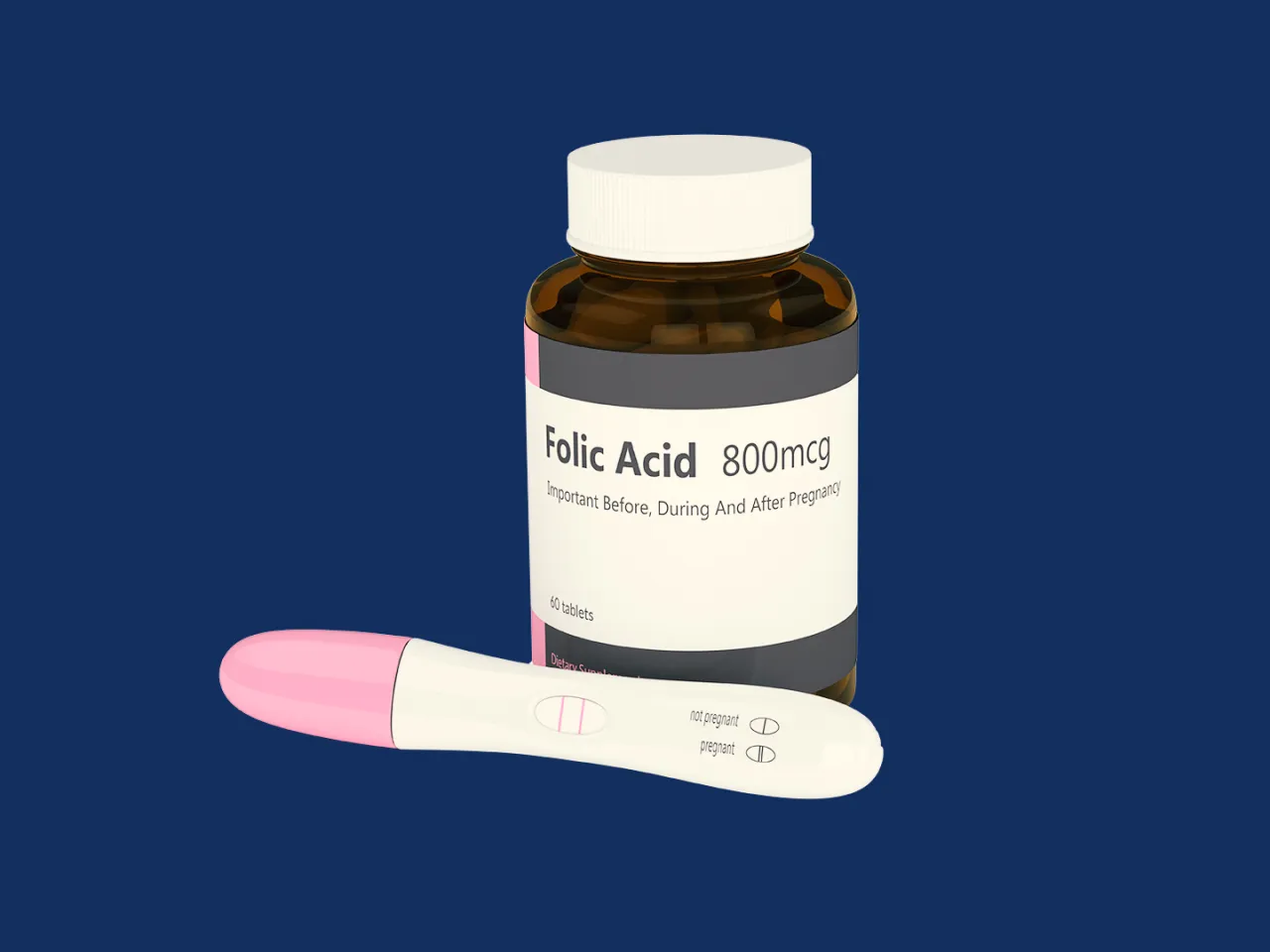
- Skipping Essential Folic Acid: Folic acid is critical during the first 28 days to prevent neural tube defects. Avoid delaying your prescribed prenatal vitamins.
3. Thermal and Environmental Hazards
- Hot Tubs, Saunas, and Very Hot Baths: Raising your core body temperature above 39°C (102.2°F) for extended periods during early organ formation can increase developmental risks. Stick to warm, comfortable showers.
- Harsh Cleaning Chemicals and Pesticides: Avoid direct exposure to strong chemical fumes, industrial solvents, or garden pesticides.
- Cat Litter Boxes: Cat feces can carry Toxoplasma gondii. Ask a family member to handle litter cleaning duties during your pregnancy.
4. Lifestyle and Physical Strain
- Alcohol and Tobacco: There is no known safe level of alcohol or nicotine during pregnancy. Both substances pass directly to the baby and should be completely avoided.
- Heavy Lifting and Jerky Movements: Avoid lifting heavy furniture, buckets of water, or engaging in high-impact contact sports that risk abdominal trauma.

Myth vs. Reality in Indian Pregnancy Traditions
Indian cultural traditions offer wonderful wisdom and family support, but some dietary taboos can cause unnecessary worry:
┌─────────────────────────────────────────────────────────────────────────────┐
│                 INDIAN PREGNANCY TRADITIONS: MYTH VS. REALITY               │
├───────────────────┬───────────────────────────┬─────────────────────────────┤
│ Common Belief     │ Cultural Context          │ Medical Reality             │
├───────────────────┼───────────────────────────┼─────────────────────────────┤
│ "Eating saffron   │ Believed to lighten the   │ Saffron adds pleasant flavor│
│ makes baby fair"  │ baby's skin complexion    │ but has no effect on fetal  │
│                   │                           │ skin genetics               │
├───────────────────┼───────────────────────────┼─────────────────────────────┤
│ "Avoid all 'hot'  │ Foods classified by Ayurveda│ Balanced, cooked traditional│
│ foods like eggs"  │ as thermogenic            │ foods (eggs, dal, dahi)     │
│                   │                           │ supply vital protein & iron │
├───────────────────┼───────────────────────────┼─────────────────────────────┤
│ "Rest completely, │ Belief that movement      │ Gentle walking improves     │
│ avoid walking"    │ causes miscarriage        │ circulation, digestion,     │
│                   │                           │ and maternal mood           │
└───────────────────┴───────────────────────────┴─────────────────────────────┘
How Are First-Trimester Checkups Handled?
Your initial visit with a women’s health specialist Visakhapatnam is designed to confirm your pregnancy’s progress and build a supportive, reassuring care plan:
┌─────────────────────────────────────────────────────────────────────────────┐
│                   FIRST-TRIMESTER CLINICAL CARE PROCESS                     │
├─────────────────────────────────────┬───────────────────────────────────────┤
│ Evaluation Step                     │ Clinical Purpose                      │
├─────────────────────────────────────┼───────────────────────────────────────┤
│ Baseline Health & History Review    │ Evaluates medical history, lifestyle,  │
│                                     │ and nutritional baseline              │
├─────────────────────────────────────┼───────────────────────────────────────┤
│ Early Dating & Viability Scan       │ Confirms gestational age, heartbeat,  │
│ (5–8 Weeks)                         │ and intrauterine implantation         │
├─────────────────────────────────────┼───────────────────────────────────────┤
│ Maternal Blood & Urine Panels       │ Checks hemoglobin, blood group, TSH,  │
│                                     │ blood glucose, and infection status   │
├─────────────────────────────────────┼───────────────────────────────────────┤
│ First-Trimester Screening / NT Scan │ Assesses early anatomical development │
│ (11–13 Weeks)                       │ and screens for chromosomal variations│
└─────────────────────────────────────┴───────────────────────────────────────┘
Safe Practices to Embrace During the First Trimester
Instead of focusing only on restrictions, here are positive, supportive habits to build:
- Prioritize Hydration: Drink 8 to 10 glasses of clean, filtered water daily. Fresh coconut water, buttermilk (chaas), and lemon water are wonderful choices to replenish electrolytes.
- Eat Small, Frequent Meals: Eating small, bland meals every 2 to 3 hours helps manage nausea and prevents blood sugar drops.
- Take Prescribed Supplements: Consistently take your folic acid and iron supplements as directed by your obstetrician.
- Enjoy Gentle Physical Activity: A relaxing 20 to 30-minute evening walk keeps circulation steady, lowers stress, and aids digestion.
- Prioritize Rest and Sleep: Listen to your body and take short afternoon naps when fatigue sets in.
How Early Should I Start Prenatal Care in Visakhapatnam?
A question many new mothers ask is: How early should I start prenatal care in Visakhapatnam?
The ideal time to schedule your first visit is as soon as you get a positive home pregnancy test—typically between 5 and 7 weeks of pregnancy.
First Trimester Prenatal Care Timeline
  ┌─────────────────────────┐
  │ Weeks 4–5               │ Positive home test, start daily folic acid supplement
  └────────────┬────────────┘
               ▼
  ┌─────────────────────────┐
  │ Weeks 6–8               │ First prenatal visit, viability ultrasound, baseline blood tests
  └────────────┬────────────┘
               ▼
  ┌─────────────────────────┐
  │ Weeks 9–10              │ Review blood panels, discuss diet, manage morning sickness
  └────────────┬────────────┘
               ▼
  ┌─────────────────────────┐
  │ Weeks 11–13             │ NT Scan, double marker screening, check baby's early growth
  └─────────────────────────┘
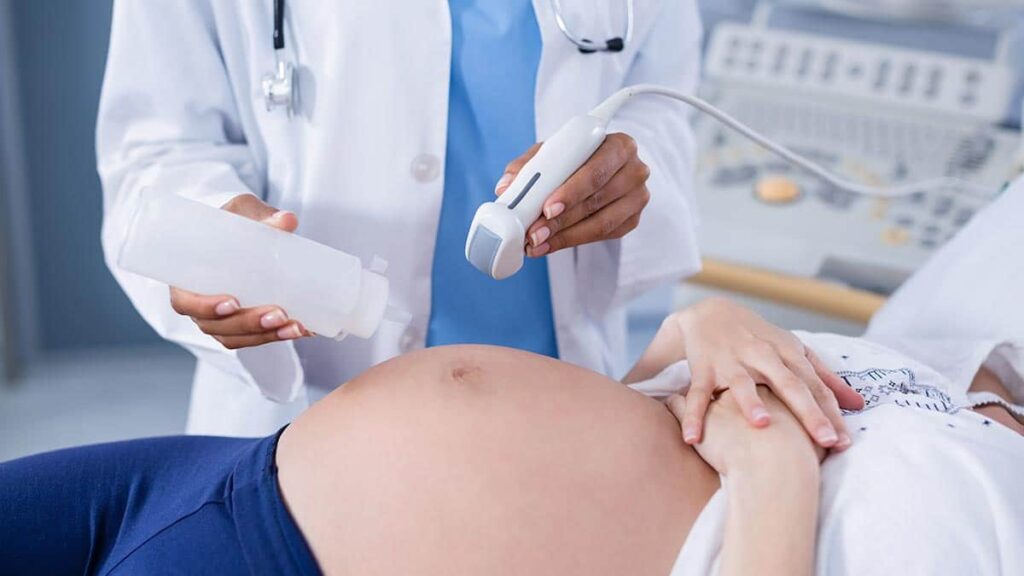
Early evaluation allows an obstetrician in Vizag to confirm that your pregnancy is developing safely inside the uterus, review any current medications, and give you personalized advice from day one.
When Should You See a Doctor?
While mild fatigue, morning queasiness, and breast tenderness are completely normal, knowing when to contact your care team gives you extra confidence.
┌─────────────────────────────────────────────────────────────────────────────┐
│                          WHEN TO SEEK CLINICAL CARE                         │
├─────────────────────────────────────┬───────────────────────────────────────┤
│ Expected First-Trimester Changes    │ Symptoms That Need Prompt Evaluation  │
├─────────────────────────────────────┼───────────────────────────────────────┤
│ • Mild, occasional morning nausea   │ • Severe, continuous vomiting unable  │
│ • Gentle pelvic heaviness or fatigue│   to keep fluids down for 24 hours    │
│ • Light breast tenderness           │ • Bright red vaginal bleeding/spotting│
│                                     │ • Sharp, unilateral lower belly pain  │
│                                     │ • High fever or painful urination     │
└─────────────────────────────────────┴───────────────────────────────────────┘
You should reach out to a qualified lady gynecologist promptly if:
- You experience bright red vaginal bleeding or persistent brown spotting.
- You feel sharp, severe pain on one side of your lower abdomen or pelvis.
- Uncontrollable vomiting prevents you from keeping fluids down for more than 24 hours (hyperemesis gravidarum).
- You develop a high fever, severe chills, or painful, burning urination.
- You experience extreme dizziness, fainting spells, or shortness of breath.
If you recognise several of these symptoms in yourself, speaking to a qualified gynaecologist is the most important next step. Dr. Devani Chalamuri at Vedanta Speciality Clinics in Madhurawada, Vizag specialises in early pregnancy management and offers compassionate, evidence-based care for women across Visakhapatnam.
Frequently Asked Questions
What to avoid during the first trimester of pregnancy?
During the first trimester, you should avoid unpasteurized dairy, raw or undercooked seafood/eggs, unwashed produce, excessive caffeine (over 200 mg/day), self-medication, smoking, alcohol, hot tubs, and heavy lifting.
Is papaya or pineapple really unsafe during early pregnancy in India?
Unripe or semi-ripe papaya contains latex, which may trigger uterine contractions. While ripe papaya and modest portions of fresh pineapple are generally safe, many Indian obstetricians advise caution with raw papaya in the early weeks.
Which doctor should I see for early pregnancy care in Vizag?
You should consult an experienced lady gynecologist and obstetrician for early prenatal care. Dr. Devani Chalamuri at Vedanta Speciality Clinics in Madhurawada provides compassionate care, baseline scans, and nutrition advice across Visakhapatnam.
Can I drink coffee or tea during the first trimester?
Yes, but caffeine intake should be limited to less than 200 mg per day (roughly 1 to 2 small cups of mild coffee or Indian chai) to ensure optimal fetal development.
Is travel safe during the first 12 weeks of pregnancy?
Routine short commutes are fine, but long, bumpy journeys over rough roads or unassisted travel during severe morning sickness are best avoided. Consult your doctor before planning long-distance trips.
Can I get early pregnancy scans and checkups in Madhurawada?
Yes, expecting mothers residing in Madhurawada and nearby Vizag localities can access complete first-trimester evaluations, viability ultrasounds, and expert consultation locally at Vedanta Speciality Clinics.
Are over-the-counter pain medications safe in early pregnancy?
Over-the-counter painkillers, especially NSAIDs like ibuprofen, should be avoided unless explicitly prescribed by your obstetrician, as they may impact early embryonic development.
How early should I start prenatal care in Visakhapatnam?
It is best to schedule your first prenatal appointment as soon as you get a positive home pregnancy test, typically between 5 and 7 weeks, to confirm viability and start essential folic acid supplements.
Empowering Your Pregnancy Journey
Learning what to avoid during the first trimester is not about surrounding yourself with strict rules—it is about making simple, positive choices that protect your growing baby. By focusing on gentle nutrition, staying well-hydrated, avoiding unnecessary risks, and trusting your body’s signals, you give your baby a strong, healthy start.
Remember that every pregnancy is unique, and you don’t have to figure everything out on your own. Partnering with a supportive healthcare provider ensures you always have expert guidance whenever you feel unsure.
If you have questions about early pregnancy care or want to schedule your first prenatal checkup, Dr. Devani Chalamuri at Vedanta Speciality Clinics, Madhurawada, Vizag is available for a consultation.


Leave a Comment