

Table of Contents
Women’s Health Across Different Life Stages: Navigating the Biological Journey
A woman’s healthcare needs are never static; they evolve in tandem with complex biological, hormonal, and psychological shifts. From the onset of adolescence to the post-menopausal years, understanding women’s health across different life stages is essential for maintaining long-term vitality. Each phase—puberty, the reproductive years, perimenopause, and menopause—presents unique physiological requirements and potential health challenges.
Proactive wellness during these transitions involves more than just addressing symptoms; it requires a deep understanding of how hormones like estrogen and progesterone influence bone density, cardiovascular health, and emotional stability. By recognizing the specific needs of each stage, women can seek targeted screenings and lifestyle interventions. This comprehensive guide explores the essential milestones of the female health journey and offers evidence-based guidance for navigating them with confidence.
Definition and Overview of Female Biological Stages
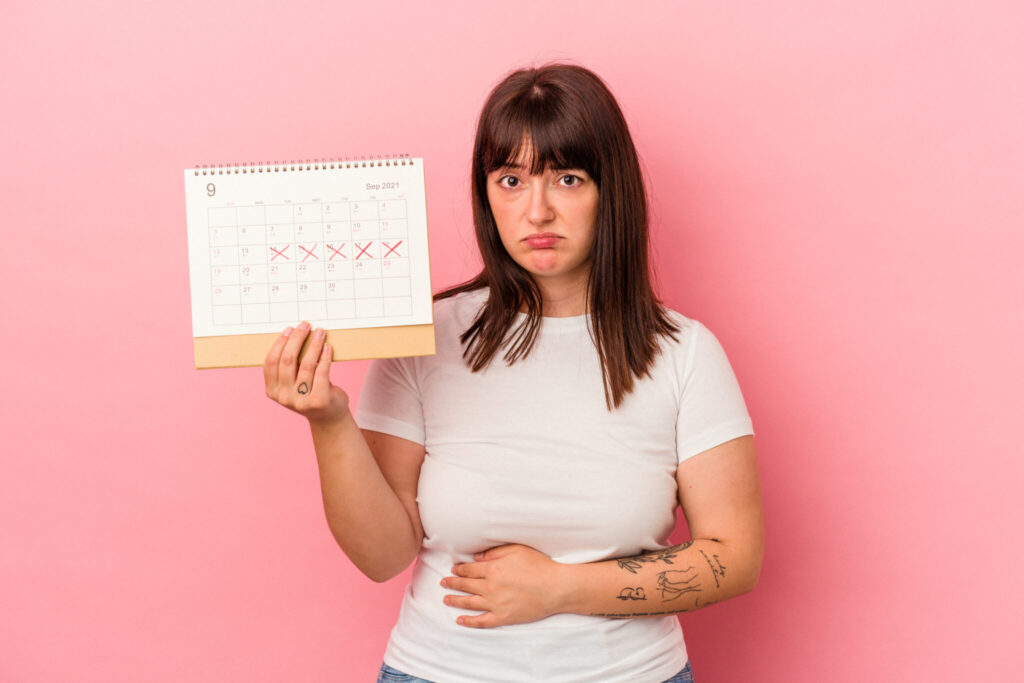
The female health continuum is typically divided into four primary stages: adolescence (puberty), the reproductive years, the menopausal transition (perimenopause), and postmenopause. Each stage is defined by the activity of the endocrine system. While puberty marks the “awakening” of the reproductive axis, the reproductive years focus on cyclical hormonal balance. Later, the transition toward menopause involves a significant recalibration as ovarian function diminishes, ultimately leading to a new physiological baseline in the postmenopausal years.
Women’s Health Across Different Life Stages: Symptoms and Shifts
1. Adolescence and Puberty (Ages 9–18)
The journey begins with the activation of the hypothalamic-pituitary-gonadal axis. This phase is characterized by:
- Menarche: The first menstrual period and the establishment of a regular cycle.
- Physical Development: Growth spurts and the development of secondary sexual characteristics.
- Nutritional Needs: High demands for iron and calcium to support blood volume expansion and bone formation.
2. The Reproductive Years (Ages 18–40)
During this phase, hormonal health revolves around the menstrual cycle and, for many, pregnancy and postpartum recovery. Key focuses include:
- Cycle Regulation: Monitoring for conditions like PCOS or endometriosis.
- Preventive Screenings: Regular Pap smears and breast exams become vital.
- Metabolic Health: Maintaining a healthy BMI to support reproductive and cardiovascular wellness.
3. Perimenopause and the Menopausal Transition (Ages 40–55)
As ovarian reserve declines, hormone levels fluctuate dramatically. Women often experience:
- Vasomotor Symptoms: Hot flashes and night sweats.
- Cognitive Changes: Often referred to as “brain fog,” linked to shifting estrogen levels.
- Irregular Cycles: Changes in the duration and flow of periods.
4. Postmenopause (Age 55+)
The focus shifts from reproductive health to chronic disease prevention. Lower estrogen levels necessitate attention to:
- Bone Density: Increased risk of osteoporosis.
- Heart Health: Estrogen’s protective effect on blood vessels diminishes.
Key Insights and Practical Guidance for Holistic Wellness
To ensure optimal health across these stages, women should adopt stage-specific strategies:
- Strength Training: Essential from the 30s onward to build “peak bone mass” and combat age-related muscle loss.
- Nutritional Support: Prioritize phytoestrogens (found in soy and seeds) during perimenopause and increase Vitamin D/Calcium intake in later years.
- Mental Health: Recognize that hormonal shifts can significantly impact neurotransmitters; mindfulness and professional counseling can be highly effective.
- Pelvic Floor Health: Exercises such as Kegels are beneficial across all stages, particularly after childbirth and during menopause, to prevent urinary incontinence.

When to Seek Medical Help
Regardless of age, certain symptoms serve as indicators that professional clinical intervention is necessary:
- Irregularities: Periods that are excessively heavy, painful, or occur more frequently than every 21 days.
- Unexplained Pain: Persistent pelvic pain or breast lumps.
- Hormonal Distress: Severe mood swings, depression, or insomnia that interferes with daily functioning.
- Postmenopausal Bleeding: Any vaginal bleeding after 12 months of no periods requires immediate investigation.
When these symptoms arise, searching for a gynaecologist near me ensures that you receive diagnostic clarity through blood panels, ultrasounds, or specialized screenings tailored to your current life stage.
3. Madhurawada Women’s healthcare
People in Visakhapatnam seeking women’s healthcare often consult qualified specialists to navigate these lifelong transitions. Clinics in areas such as Madhurawada, MVP Colony, and Dwaraka Nagar provide access to advanced diagnosis and treatment for various hormonal and reproductive conditions. Facilities like Vedanta Speciality Clinics are among those offering structured care for such conditions, ensuring that women in the Vizag region have access to expertise at every milestone.
4. FAQ SECTION
How do women’s health needs change in their 40s?
In the 40s, women often enter perimenopause, where estrogen levels begin to fluctuate. Health needs shift toward monitoring cycle changes, managing early vasomotor symptoms like hot flashes, and prioritizing bone density and heart health. It is also a critical time for regular screenings like mammograms and thyroid function tests.
What is the most important health screening for women in their 20s?
For women in their 20s, the most critical screenings include regular Pap smears to check for cervical health and screenings for sexually transmitted infections (STIs) if active. Additionally, establishing a baseline for blood pressure, cholesterol, and maintaining a regular breast self-examination routine is highly recommended for long-term prevention.
Why is bone health a priority across different life stages?
Bone health is vital because women are at a higher risk for osteoporosis, especially after the decline of protective estrogen during menopause. Building bone density through calcium and resistance training during the teens and 20s provides a “reserve” that helps protect the skeletal system in later years.
When should a young woman have her first gynaecological visit?
Medical guidelines suggest the first visit should occur between the ages of 13 and 15. This initial visit is usually educational, focusing on cycle regularity, period pain management, and pelvic health, establishing a foundation of trust with a healthcare provider for future reproductive needs.
How does menopause affect cardiovascular health?
Estrogen helps keep blood vessel walls flexible and promotes healthy cholesterol levels. When estrogen drops during menopause, blood vessels can become stiffer and “bad” cholesterol (LDL) may rise. This makes lifestyle interventions like a heart-healthy diet and regular aerobic exercise crucial for women over 50.
What are the signs of hormonal imbalance in the reproductive years?
Common signs include persistent acne, thinning hair, unexplained weight gain, severe PMS, or highly irregular menstrual cycles. These symptoms can sometimes point to conditions like Polycystic Ovary Syndrome (PCOS) or thyroid dysfunction, both of which require professional diagnosis and a tailored management plan.

5. CONCLUSION
Understanding women’s health across different life stages empowers individuals to make informed decisions about their bodies. By recognizing that each decade brings new physiological requirements, women can transition from puberty to postmenopause with resilience and grace. While natural lifestyle choices are the bedrock of wellness, clinical support provides the necessary safety net for more complex transitions. Seeking guidance from an experienced women’s healthcare specialist can help ensure proper diagnosis and personalized care.

Leave a Comment