
Table of Contents
Can PCOS Be Reversed? Understanding Clinical Management and Remission
Polycystic Ovary Syndrome (PCOS) is one of the most prevalent endocrine disorders affecting women of reproductive age globally. Characterized by a complex interplay of hormonal imbalances, insulin resistance, and reproductive challenges, it often leaves patients asking: Can PCOS be reversed? From a clinical standpoint, while there is currently no “cure” that permanently eliminates the genetic predisposition for the condition, PCOS can effectively be put into “remission.” This means that through targeted interventions, the symptoms can be managed to the point where they no longer interfere with health or quality of life.
In the coastal hub of Visakhapatnam, where lifestyle-related metabolic shifts are increasingly common, many women begin their journey by searching for a gynaecologist near me. The goal of modern medicine is to move beyond mere symptom suppression and focus on restoring the body’s hormonal equilibrium. By addressing the root causes—primarily insulin resistance and inflammation—patients can achieve regular menstrual cycles, improved fertility, and the reversal of metabolic markers.
Defining PCOS and the Concept of Reversal
What does it mean to reverse PCOS? In medical terminology, “reversing” PCOS refers to achieving a state where clinical symptoms (like irregular periods, acne, and hirsutism) disappear and laboratory markers (such as androgen levels and insulin sensitivity) return to normal ranges. This is often termed as “clinical remission.”
The path to managing PCOS involves addressing the three pillars of the Rotterdam Criteria:
- Hyperandrogenism: Elevated levels of “male” hormones or clinical signs like excess hair growth.
- Ovulatory Dysfunction: Irregular or absent menstrual cycles.
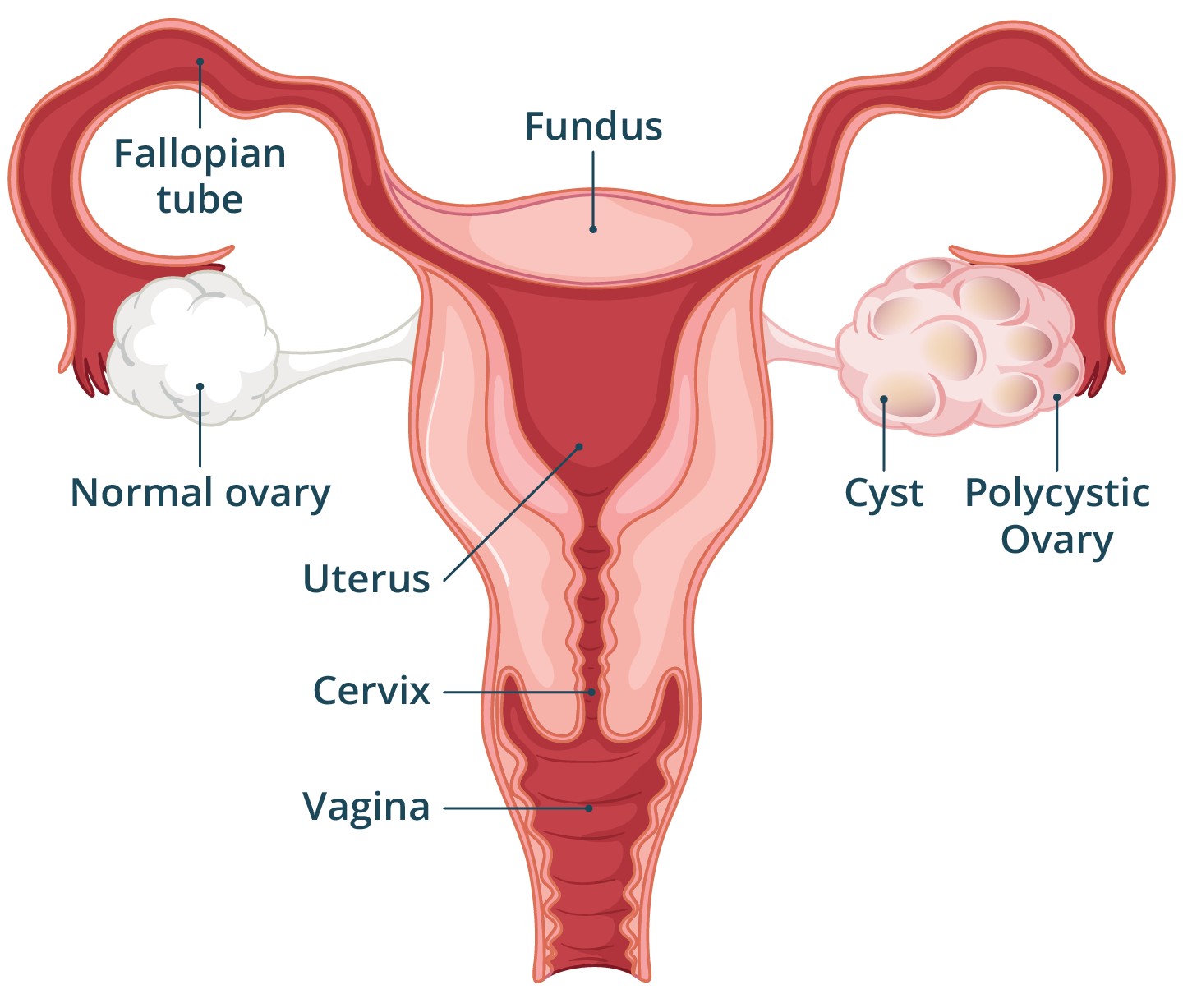
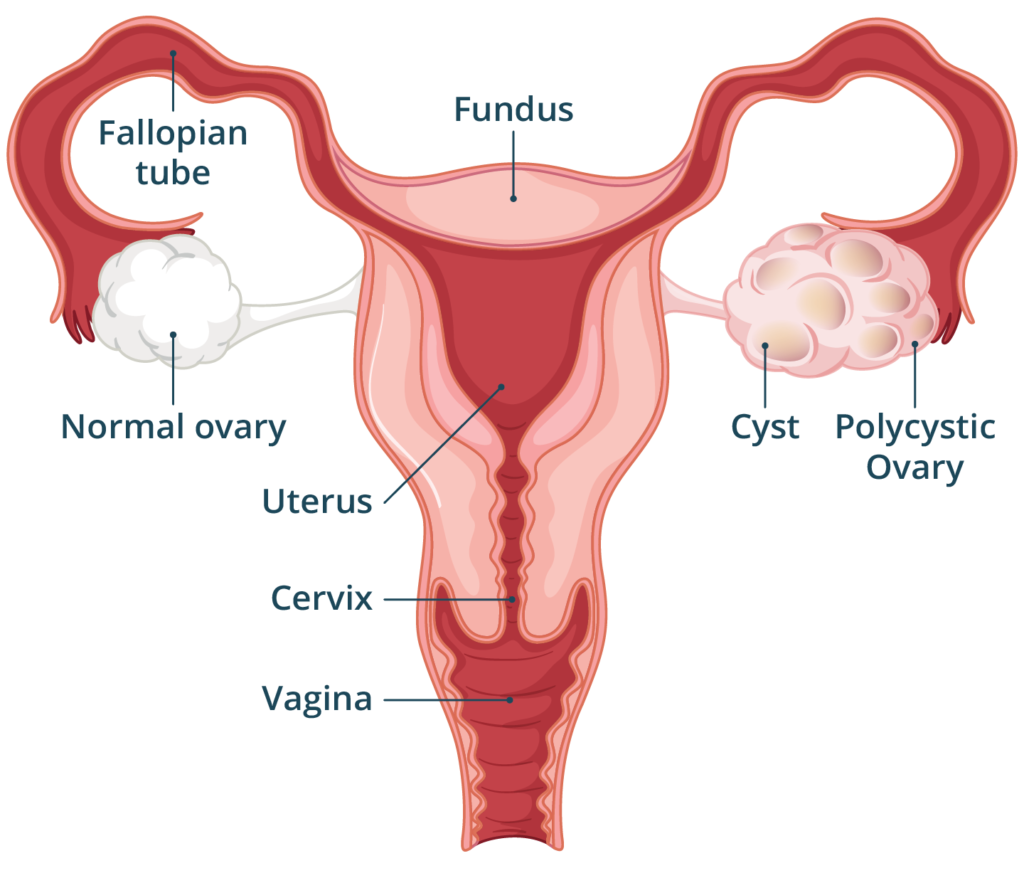
- Polycystic Ovaries: The presence of multiple small follicles on the ovaries as seen via ultrasound.
Causes, Symptoms, and the Insulin Connection
The Role of Insulin Resistance
Approximately 70% of women with PCOS exhibit insulin resistance. This means the body’s cells do not respond effectively to insulin, causing the pancreas to produce more of it. Excess insulin triggers the ovaries to produce more androgens, which in turn halts ovulation. Addressing this metabolic dysfunction is the cornerstone of “reversing” the condition.
Hormonal Symptoms and Manifestations
When hormones are out of balance, the body exhibits several distinct signs:
- Metabolic: Weight gain (particularly around the midsection), skin tags, and darkened skin patches (acanthosis nigricans).
- Reproductive: Infertility, unpredictable menstrual cycles, and heavy or painful periods.
- Dermatological: Cystic acne, thinning scalp hair (androgenetic alopecia), and hirsutism on the face or chest.
Key Insights: Practical Guidance for Management
Achieving remission in Visakhapatnam requires a multidisciplinary approach combining clinical oversight with sustainable lifestyle shifts.
- Nutritional Strategy: Focus on a low-glycemic index (GI) diet. Prioritizing complex carbohydrates, lean proteins, and healthy fats helps stabilize blood sugar and reduces the insulin spikes that drive androgen production.
- Weight Management: Clinical studies show that losing even 5% to 10% of body weight can restore regular ovulation and significantly improve hormonal profiles in women with PCOS.
- Strategic Activity: Combining aerobic exercise with strength training improves insulin receptor sensitivity in the muscles, facilitating better glucose uptake.
- Stress and Sleep Regulation: Chronic stress elevates cortisol, which further destabilizes insulin. Aiming for 7–9 hours of sleep is vital for the nocturnal regulation of reproductive hormones.
When to Seek Medical Help
PCOS is a progressive condition if left unmanaged, increasing the risk of Type 2 diabetes, cardiovascular disease, and endometrial hyperplasia. Seek professional guidance if you experience:
- Amenorrhea: Missing more than three consecutive periods without being pregnant.
- Rapid Physical Changes: Sudden, severe acne or aggressive hair growth on the face or body.
- Metabolic Red Flags: High fasting blood sugar or difficulty losing weight despite strict diet and exercise.
- Fertility Obstacles: Difficulty conceiving after six to twelve months of unprotected intercourse.
3. Madhurawada Women’s Healthcare
People in Visakhapatnam seeking women’s healthcare often consult qualified specialists to manage metabolic and reproductive disorders. Clinics in areas such as Madhurawada, MVP Colony, and Dwaraka Nagar provide access to diagnosis and treatment through advanced hormonal assays and follicular monitoring. Facilities like Vedanta Speciality Clinics are among those offering structured care for such conditions, ensuring that residents of Vizag receive evidence-based protocols for achieving PCOS remission.
4. FAQ SECTION
Is PCOS a permanent condition?
PCOS is a chronic condition, meaning the genetic tendency remains with you. However, the symptoms are not necessarily permanent. Through diet, exercise, and medical management, many women achieve a state where they are symptom-free, have regular cycles, and can conceive naturally, essentially putting the condition into remission.
Can I get pregnant if I have PCOS?
Yes, pregnancy is entirely possible with PCOS. While the condition can cause irregular ovulation, clinical treatments like ovulation induction, lifestyle modifications to improve insulin sensitivity, and in some cases, assisted reproductive technologies (ART), help the vast majority of women with PCOS successfully conceive.
Does losing weight always reverse PCOS?
While weight loss is a powerful tool for improving insulin sensitivity, “lean PCOS” also exists. In lean individuals, management focuses more on reducing inflammation, managing stress, and using specific clinical supplements or medications to balance hormones, proving that weight is only one piece of the puzzle.
What is the best diet for reversing PCOS symptoms?
There is no single “best” diet, but a low-glycemic, anti-inflammatory eating pattern is highly effective. Focus on whole foods, fiber-rich vegetables, and omega-3 fatty acids while minimizing processed sugars and refined flours. This approach helps lower insulin levels and reduces systemic inflammation.
What medications are used to manage PCOS?
Commonly prescribed medications include Metformin to improve insulin sensitivity, hormonal contraceptives to regulate periods, and anti-androgens to treat hair growth and acne. For those seeking pregnancy, medications like Letrozole or Clomiphene are often used to stimulate ovulation under specialist supervision.
Can supplements like Inositol help with PCOS?
Clinical research suggests that Myo-inositol and D-chiro-inositol can improve insulin sensitivity and restore ovulatory function in many women. However, supplements should always be taken under the guidance of a healthcare professional to ensure they are appropriate for your specific hormonal profile.
5. CONCLUSION
In conclusion, while the question “Can PCOS be reversed?” has a nuanced answer, the outlook is overwhelmingly positive. By focusing on metabolic health, hormonal balance, and consistent lifestyle habits, the disruptive symptoms of PCOS can be managed into long-term remission. In Visakhapatnam, the availability of specialized diagnostic and clinical care makes it possible to create a personalized roadmap toward wellness. Seeking guidance from an experienced women’s healthcare specialist can help ensure proper diagnosis and personalized care.


Leave a Comment